Momo lessons turn dinner into a hands-on skill. This Kathmandu class takes you into a home kitchen to learn momo-making the way locals do, from start to finish. You’ll make dumplings you can actually picture yourself recreating later, not just watch a demo.
I love the full process you learn in about 2.5 hours—kneading, prepping, folding, and cooking. I also like that it’s built for real people, with a friendly host atmosphere and a sit-down moment afterward to enjoy what you made.
One consideration: this experience is not recommended for gluten allergies, since the dough is part of the hands-on work.
In This Review
- Key highlights that make this class worth your time
- Why making momos in a Kathmandu home beats a restaurant meal
- Quick reality check on what you’re signing up for
- Your 2.5 hours: how the momo process usually unfolds
- 1) Welcome and setup in the host’s kitchen
- 2) Kneading dough: the step that makes or breaks the bite
- 3) Preparing ingredients for your momo filling
- 4) Folding: the skill everyone notices
- 5) Cooking your momos
- Chicken, buffalo, or veg: choosing your momo style
- The best part: eating with the host and family
- Meeting point in Sorakhutte: getting there without stress
- Price and value: what $35 buys you in Kathmandu
- Who this is perfect for (and who should skip)
- Practical tips to enjoy your momo class more
- Should you book this Kathmandu momo cooking class?
- FAQ
- Where does the class start and end?
- How long is the momo cooking class?
- What types of momos will I learn to make?
- Is this a private tour or shared group?
- Is a mobile ticket used for this experience?
- Is the class suitable for gluten allergy sufferers?
- Do I eat the momos I make?
- Is there public transportation near the meeting point?
- What’s included in the cooking lesson?
Key highlights that make this class worth your time
- Real home kitchen setting in Kathmandu, with your host and family as the backdrop
- Step-by-step training from dough to folding to cooking, so you leave with usable technique
- You’ll work with popular styles like chicken, buffalo, and veg momos
- You eat together at the end, with conversation that turns a food lesson into a human experience
- Private group format, so it’s more relaxed than joining a big class
Why making momos in a Kathmandu home beats a restaurant meal
In Nepal, momos aren’t just food. They’re a daily comfort, a social habit, and basically a language you can speak with your hands. This class gives you more than a plate of dumplings. You learn the mechanics behind why momos taste like momos.
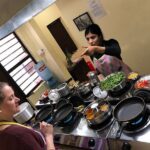
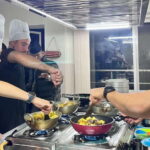
What makes it feel special is the setting. You’re welcomed into a host’s kitchen in Kathmandu, not a staged cooking studio. That matters because you see how the work flows when it’s part of everyday life—tools out, ingredients ready, and people talking while they cook. The whole lesson stays practical: do the steps, get feedback, then eat your results.
Another nice touch is that the end isn’t just a finished product. You sit with the host and family and enjoy the momos together, with conversation. That’s where the class turns from skill practice into real local connection.
You can also read our reviews of more cooking classes in Kathmandu
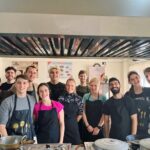
Quick reality check on what you’re signing up for
This is a hands-on cooking session, not a lecture. If you like getting your sleeves involved, you’ll have a good time. If you want a totally passive experience, you might feel a bit more like a helper than an observer.
Your 2.5 hours: how the momo process usually unfolds
The class runs about 2 hours 30 minutes. Exact pacing can vary, but the structure is clear: dough first, filling next, then folding, then cooking. Here’s what that means for you on the day.
1) Welcome and setup in the host’s kitchen
You’ll start from the meeting point at People’s Dental College & Hospital, Sorakhutte Chowk in Kathmandu. From there, the activity ends back at the meeting point.
Once you’re in the kitchen, you’ll be welcomed into a friendly, home-style atmosphere. Expect a relaxed tone and a focus on getting you started right away. This is the part where you’ll likely meet your instructor/host and get briefed on what you’re about to do.
2) Kneading dough: the step that makes or breaks the bite
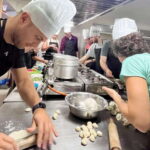
Momo dough is where the texture story begins. Kneading isn’t glamorous, but it’s crucial. You learn how to handle dough so it’s workable for folding and doesn’t turn stiff or sticky at the wrong moment.
I like teaching moments like this because they give you a skill, not just a memory. If you can knead and shape properly, your dumplings will look and feel closer to the real thing when you try again later.
You can also read our reviews of more tours and experiences in Kathmandu
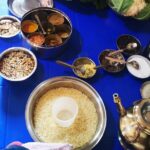
3) Preparing ingredients for your momo filling
Next comes the ingredient prep. The class covers different types of momos—chicken, buffalo, and veg options—so you’ll see how choices affect the final flavor.
Even if you’ve eaten momos before, this is the part that can surprise you. The ingredient prep shows you how straightforward the foundation is. It’s not gourmet mystery. It’s food that people cook often, with familiar routines.
4) Folding: the skill everyone notices
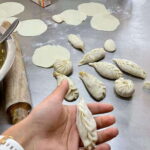
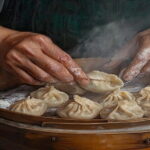
Folding is where your hands do the talking. You’ll learn how to close and shape the dumplings so they hold together while cooking.
This is also the step that tends to bring out laughs, because folded dumplings rarely look perfect on the first try. That’s normal. The instructors focus on helping you get the technique right, not demanding perfection.
5) Cooking your momos
Finally, you cook the momos you made. This is the payoff moment. All that kneading and folding turns into something you can eat while it’s fresh and hot.
You’ll then move into the next phase—sharing a table with the host and family.
Chicken, buffalo, or veg: choosing your momo style
The class is built around Nepal’s most popular momo types: chicken, buff, and veg. That’s a useful range because each option gives you a different lesson.
- If you choose chicken, you’ll experience a filling style that feels familiar if you like mild, crowd-pleasing dumplings.
- Buff (buffalo) offers a deeper, richer flavor profile and is a big part of momo culture in Nepal.
- Veg helps you understand that momos aren’t only a meat dish. You learn how veggie fillings work within the same folding and cooking workflow.
If you’re unsure, go with what sounds most appealing to you. If you’re booking as a group, consider mixing styles so you can compare at the eating table afterward.
One more practical note: the information you get around what gets made can vary by session. Some classes may include buffalo and chicken alongside veg options, and your instructor will guide you on what you’ll prepare.
The best part: eating with the host and family
The meal isn’t separate from the experience. It’s the closing chapter.
After your momos are prepared, you sit with the host and family to enjoy what you cooked. And this is where the class quietly delivers value beyond food. Conversation turns into context. You’ll hear how momos fit into day-to-day life, not just how to replicate a recipe.
This is especially helpful if you’re in Kathmandu and you want more than checklist sightseeing. Food classes like this work because people share small stories while you eat. It’s often the difference between a meal you forget and a moment you remember.
Meeting point in Sorakhutte: getting there without stress
The meeting point is People’s Dental College & Hospital, Sorakhutte Sorakhutte Chowk, Kathmandu 44600, Nepal. The activity ends back at the same point.
Two practical tips:
- Plan to arrive a little early so you’re not scrambling through busy streets right at start time.
- Since it’s near public transportation, you can usually get there without relying on a private car. Just confirm what route makes the most sense based on where you’re staying.
Some people also mention that a guide picked them up from their hotel before heading to the local home kitchen. That’s not guaranteed in the basic details you’ll see, so I’d treat it as a possible extra and confirm after booking.
Price and value: what $35 buys you in Kathmandu
At $35.00 per person for about 2 hours 30 minutes, this isn’t a budget snack. But it’s also not overpriced when you look at what’s included.
You’re paying for:
- instruction through the entire momo process (not just one quick step)
- a home-kitchen setting with a local host
- private group participation, so you’re not lost in a crowd
- the meal you eat at the end, made by your own hands
For me, the real value is the workflow. You leave with technique: dough handling, folding skills, and the rhythm of making momos. That’s hard to get from a restaurant. If you like cooking, or if you just like eating well while learning how it’s made, this price starts to look fair.
Also, the class is private, which usually means less waiting and more attention when you need it.
Who this is perfect for (and who should skip)
This class fits best if you want an authentic, low-key Kathmandu experience that’s hands-on and social.
It’s a great match for:
- food lovers who enjoy learning techniques, not just collecting photos
- families who want a shared activity (it’s designed so kids and adults can participate)
- travelers who want a local-host experience without doing a long day trip
I’d skip or think carefully if you:
- have gluten allergies (the dough is part of the process)
- strongly prefer fully hands-off experiences
If you’re traveling solo, it can still be a good choice because private format keeps it personal. If you’re a pair or small group, it’s even better since you can compare momo styles at the end.
Practical tips to enjoy your momo class more
These small prep items can make the day smoother.
- Wear comfortable clothes you don’t mind getting a little dough on. Even when you’re careful, you’ll work with hands-on food.
- Bring a positive attitude about mess. Folding takes practice, and your first batch might look homemade. That’s the point.
- If you’re booking for a family group, let the organizer know so they can keep the pace friendly for kids and adults.
- If you’re choosing between veg and non-veg momos, consider what you’re most excited to eat at the end, since you’ll enjoy your finished dumplings together.
Should you book this Kathmandu momo cooking class?
If you want a real Kathmandu experience you can’t get from a menu, I’d book it. The best reasons are simple: you learn the full momo-making process and you get to share the meal with your host’s family. That combination turns cooking into a story, not just a transaction.
Book it if you like hands-on food activities, want technique you can repeat, and enjoy meeting people through conversation at the table.
Don’t book it if gluten allergy is an issue for you. And if you prefer watching over doing, you may feel more like you’re “participating” than “being entertained.”
If you’re on the fence, this is one of those rare classes where the “learn by making” style is the whole value. And momos are usually worth the effort.
FAQ
Where does the class start and end?
The activity starts at People’s Dental College & Hospital, Sorakhutte Chowk in Kathmandu and ends back at the same meeting point.
How long is the momo cooking class?
It’s approximately 2 hours 30 minutes.
What types of momos will I learn to make?
The class covers different types of momos, including chicken, buff (buffalo), and veg options.
Is this a private tour or shared group?
It’s a private tour/activity, so only your group participates.
Is a mobile ticket used for this experience?
Yes, it uses a mobile ticket.
Is the class suitable for gluten allergy sufferers?
It’s not recommended for travelers with gluten allergies.
Do I eat the momos I make?
Yes. After you prepare the momos, you sit with your host and family to enjoy them.
Is there public transportation near the meeting point?
Yes, the meeting point is near public transportation.
What’s included in the cooking lesson?
You’ll learn the process from kneading dough and preparing ingredients to folding the momos and cooking them.