REVIEW · 4-DAY EXPERIENCES
Essence of Nepal: 4-Day Tour Kathmandu, Nagarkot & Pokhara
Book on GetYourGuide →Operated by Sobit - Bold Himalaya · Bookable on GetYourGuide
Four days, three cities, and big-sky Nepal. I really like how this trip strings together UNESCO temple sites with comfortable pacing, and I also love the built-in Himalayan view moments from Nagarkot and Sarangkot. The one thing to plan for is cold early mornings at higher altitude, even when Kathmandu feels comfortable.
What makes this itinerary especially sensible for first-timers is the mix of classic Kathmandu Valley landmarks plus nature around Pokhara, all tied together with driver support and 3★ hotels. I also appreciate that you get an English live guide plus English audio, so you’re not stuck guessing what each stop means. The small catch: entry fees and meals beyond breakfast are not included.
I’m also glad it’s not a marathon tour. You get major highlights like Swayambhunath, Boudhanath, Bhaktapur Durbar Square, a flight to Pokhara, and cave-and-falls sightseeing without the heavy, all-day hikes that can wear you down fast. If you’re traveling with someone who needs things slower, this kind of structure tends to feel right.
In This Review
- Key moments that make this tour worth your time
- A smart 4-day route through Kathmandu, Nagarkot, and Pokhara
- Day 1 in Kathmandu: cable car panoramas and the holy axis of the city
- Day 2: Bhaktapur palace squares, then Nagarkot for that long Himalayan sunset
- Day 3: the flight to Pokhara, then Phewa Lake, Davis Falls, and caves
- Day 4: Sarangkot sunrise, Bindabasini Temple, and an easy return
- Price and logistics: what you’re actually paying for at $416
- Who this tour fits best (and who might want a different pace)
- Practical tips that make the itinerary feel easier
- Should you book this Essence of Nepal tour?
- FAQ
- How does pickup in Kathmandu work?
- What hotels are included on this tour?
- Are entry fees included for temples and landmarks?
- Which meals are included in the price?
- Does this tour include a flight?
- Will I get to see both sunset and sunrise from viewpoints?
- What should I pack for the colder viewpoint towns?
- Can I get a refund if my plans change?
Key moments that make this tour worth your time
- Cable car views from Chandragiri: Start the trip with panoramic valley and Himalayan sightlines.
- Kathmandu Valley UNESCO hits in a logical order: Temples and palace squares without wasted backtracking.
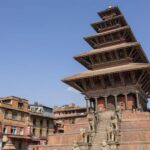
- Bhaktapur’s Durbar Square details: Golden Gate, Nyatapola Temple, and the 55-Window Palace.
- Sunset in Nagarkot, sunrise at Sarangkot: Two classic Himalayan viewpoint sessions built into the schedule.
- Scenic flight to Pokhara: You trade a long overland day for big mountain air-time.
- Pokhara natural stops beyond the basics: Phewa Lake, Davis Falls, and Gupteshwor Cave.
A smart 4-day route through Kathmandu, Nagarkot, and Pokhara
This tour works because it keeps the “big Nepal” moments in tight reach. You’re not just sightseeing temples; you’re also getting mountain viewpoints and then finishing with Pokhara’s lakes-and-caves side. The rhythm is simple: Kathmandu culture first, a Himalayan sunset break in Nagarkot, then Pokhara nature with the help of a scenic flight, and finally a sunrise in Sarangkot before returning to Kathmandu.
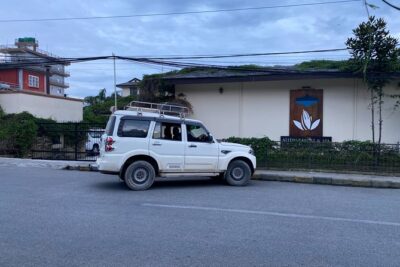
It also helps that the trip is built for mixed groups. The itinerary is family-friendly, and it’s a good fit for seniors or anyone who wants to see a lot without a punishing walking schedule. Most of your day is “travel + sightseeing,” with transport arranged for your group size and days designed to keep you moving rather than stuck.
One extra detail I like: the guide is English-speaking, and you get English audio as well. That combination is useful in places where explanations matter (like temple meaning or palace-square context), but where reading signs alone is not enough.
You can also read our reviews of more tours and experiences in Kathmandu

Day 1 in Kathmandu: cable car panoramas and the holy axis of the city
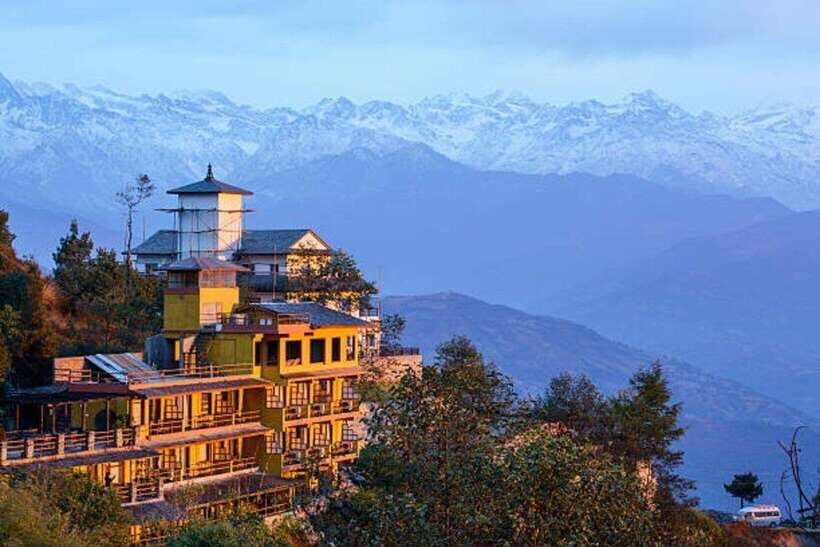
You start in Kathmandu with airport or hotel pickup, then head to the Chandragiri Hills Cable Car. It’s a classic “get your bearings fast” move: panoramic valley views and Himalayan sightlines, usually the kind of first wow-factor that makes the rest of the day feel easier to enjoy.
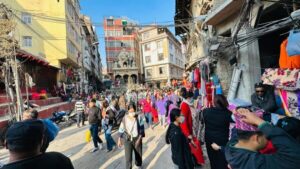
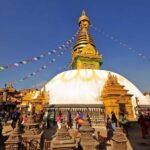
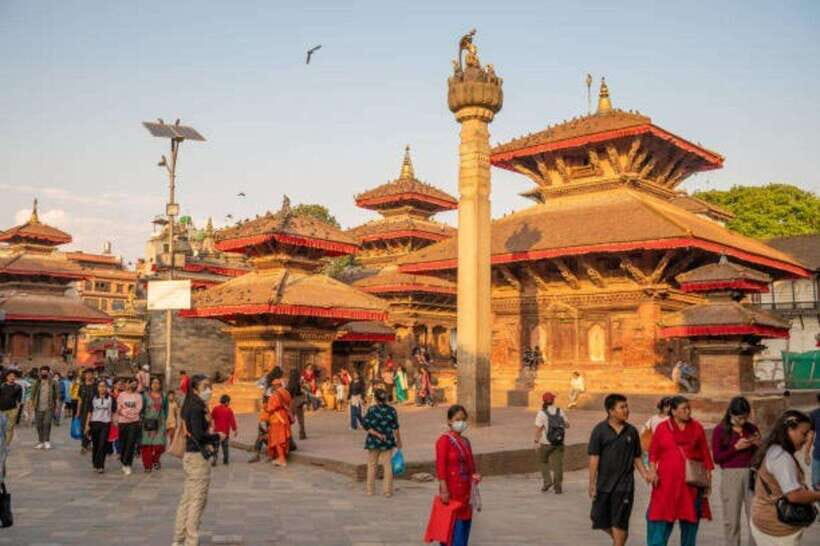
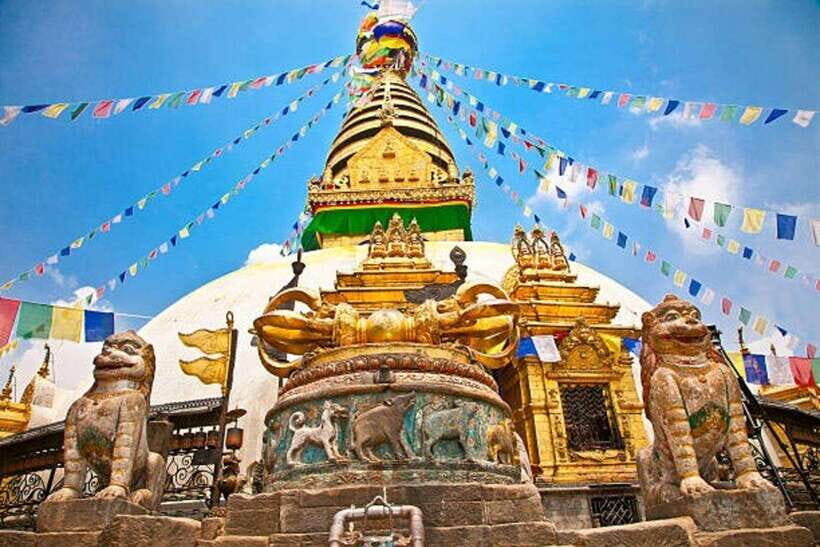
From there, the itinerary moves into the two big styles of Kathmandu spirituality: Buddhist and Hindu landmark energy. You’ll visit Swayambhunath (Monkey Temple), then Patan Durbar Square—an important palace area known for Newari architecture. If you like history that feels physical (stone craftsmanship, layered religious squares), these stops hit that sweet spot.
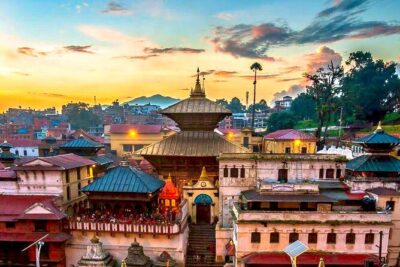
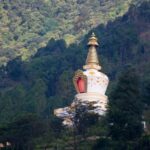
Next comes the sacred Hindu side at Pashupatinath Temple, followed by Boudhanath Stupa, a major Buddhist landmark. The day is temple-heavy by design, but it’s also coherent: you’re seeing the way different traditions claim space in the same city fabric, and you’re learning the layout of Kathmandu Valley through the places you actually walk through.
Practical note: photography and videography may be restricted in some areas. So if you care about photos, I’d treat this day like a “look first, shoot second” tour. You’ll lose less time and avoid awkward moments.
Overnight is back in Kathmandu at a 3★ hotel (twin-sharing) with breakfast included.
Day 2: Bhaktapur palace squares, then Nagarkot for that long Himalayan sunset
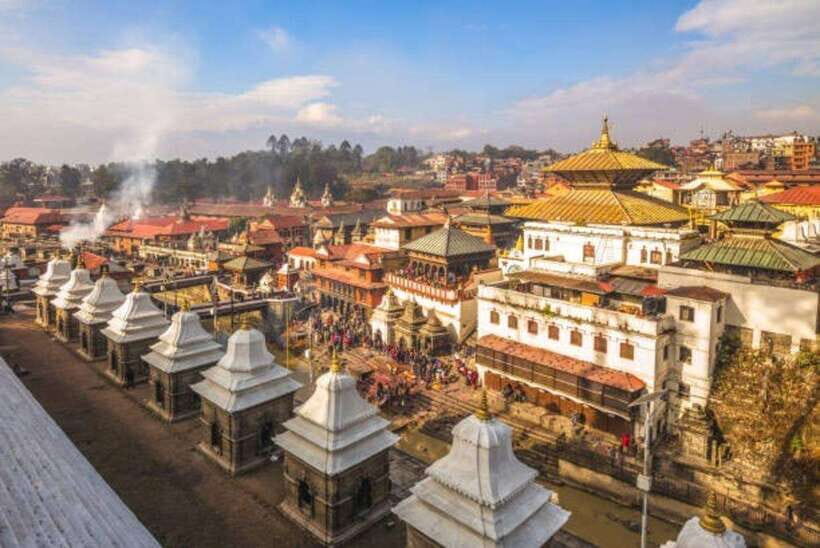
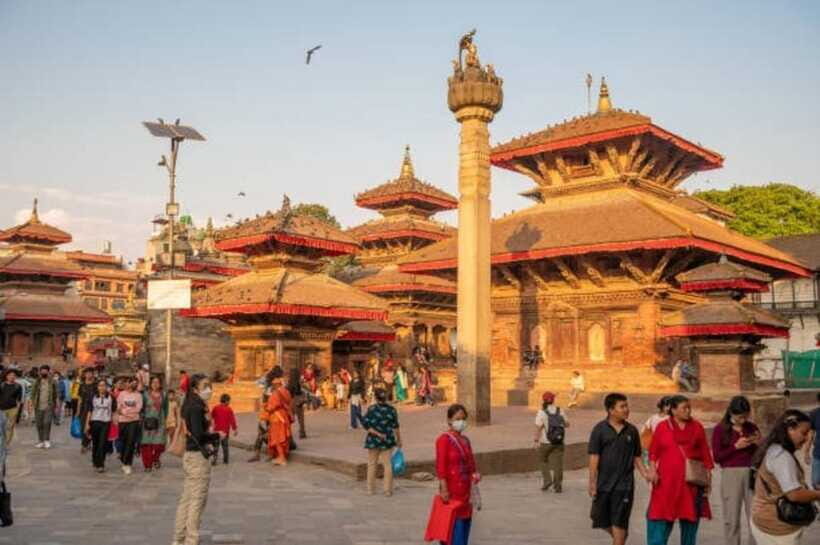
Day 2 starts with more Kathmandu Valley heritage, then pivots to the viewpoint payoff. You begin at Kathmandu Durbar Square and then drive to Bhaktapur Durbar Square, one of the best places in the region to see palace-square architecture in full detail.
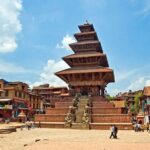
Bhaktapur is where the tour slows just enough to feel rewarding. You’ll see the 55-Window Palace, the Golden Gate, Nyatapola Temple, and Dattatreya Square. These aren’t random stops; they’re the sort of landmarks that help you connect what you saw in Kathmandu to a different style of royal square power. Bhaktapur’s feel is more enclosed and sculptural, so it tends to land well if you like architecture and stonework.
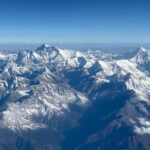
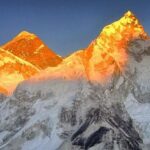
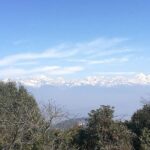
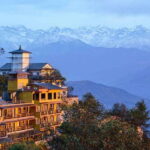
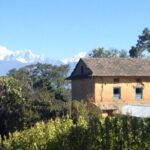
After the heritage day, you head to Nagarkot. This is the shift from “temple understanding” to “viewing reward.” In the evening, you’ll get a Himalayan sunset stretching from Langtang to Everest, depending on conditions. Even if you don’t know all the mountain names, the experience of seeing layers of range in one direction is the whole point.
You’ll overnight in Nagarkot at another 3★ hotel (twin-sharing) with breakfast included.
One small heads-up from real-world experience: make sure you’re clear that Nagarkot lodging is included with this package, not something you need to buy separately. It’s the kind of detail that’s easy to miss when you’re comparing multiple bookings.
Day 3: the flight to Pokhara, then Phewa Lake, Davis Falls, and caves
Day 3 begins with early Himalayan views from Nagarkot. Even on days when the sky isn’t perfect, the early timing is still the right move if your goal is a view-based photo moment.
Then comes the major logistics win: a scenic flight from Kathmandu to Pokhara with mountain views. This saves you from a long overland transfer and gives you a different perspective on Nepal’s terrain. If you’re traveling with older relatives or anyone who prefers less time on the road, this part is often worth the extra money on its own.
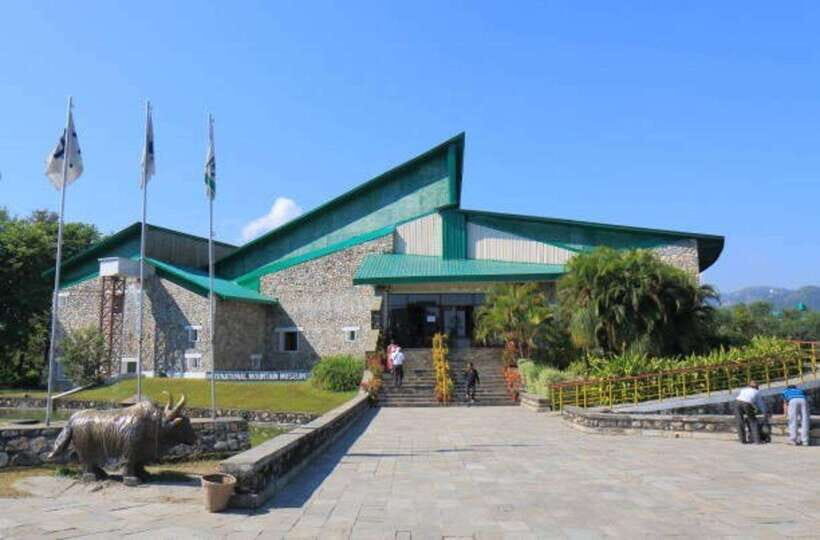
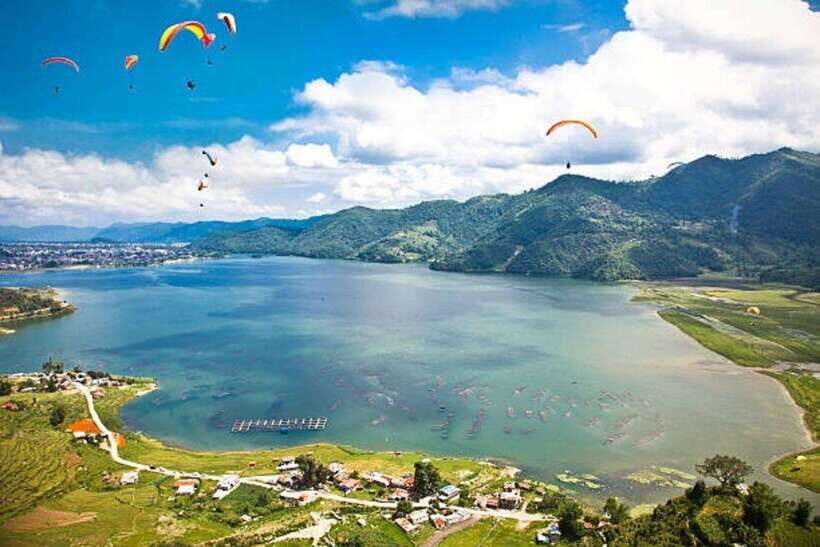
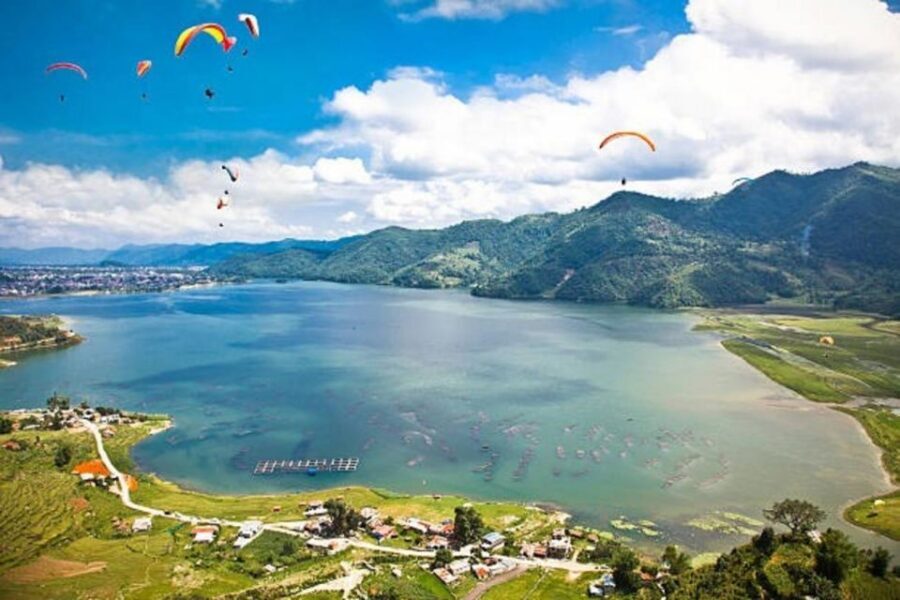
In Pokhara, you start with Phewa Lake. There’s an optional boat ride, so you can choose depending on energy and weather. After that, the International Mountain Museum gives you cultural context for the Himalaya—useful if you like understanding what you’re seeing instead of only photographing it.
Next: Davis Falls and Gupteshwor Cave. Together, they make a strong “natural Nepal” pair—water, rock, and a spot that also feels sacred. Then you finish with Pumdikot Shiva Statue for panoramic views of the Annapurna, Dhaulagiri, and Manaslu ranges. That’s another viewpoint anchor to carry you from temple days into nature days.
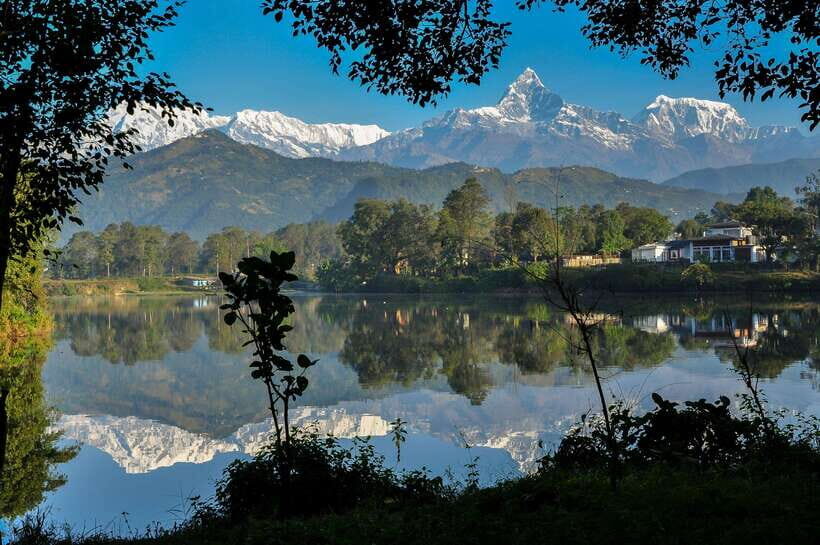
In the evening, you relax lakeside and enjoy the sunset reflections. If you want an easy night with no big schedule pressure, this is the day to enjoy it.
Overnight is Pokhara at a 3★ hotel (twin-sharing) with breakfast included.
Day 4: Sarangkot sunrise, Bindabasini Temple, and an easy return
Day 4 is sunrise-focused. You’ll drive to Sarangkot early to watch the sunrise over the Annapurna range and Machhapuchhre (Fishtail). This is the classic Nepal finishing move: you get a final Himalayan “headline” before you go back to city life.
Then you visit Bindabasini Temple, which adds a final layer of spirituality before you leave Pokhara behind.
Breakfast is included, and then you return to Kathmandu by tourist bus. There’s an optional flight available if you prefer speed over road time, but the base plan is the bus.
Once you’re back in Kathmandu, you have free time in the afternoon—good for Thamel shopping, relaxing, or stretching your legs with your own plan.
Price and logistics: what you’re actually paying for at $416
At $416 per person for 4 days, the value is in the combination: hotels, a guide, a driver, land transportation, and one of the bigger “special” items—your scenic flight to Pokhara—are all included.
What’s included:
- A driver with expenses covered
- A professional English guide (plus English audio)
- Transportation matched to your group size
- Flight Kathmandu to Pokhara with mountain views
- Return by tourist bus Pokhara to Kathmandu
- 3★ hotels in Kathmandu, Nagarkot, and Pokhara (one night each), twin-sharing, with breakfast
- Fuel, tolls, and parking
What’s not included:
- Entry fees
- Lunch, dinner, and drinks
So here’s the honest math: if you tried to DIY this route, you’d likely spend time coordinating guides, tickets, transport, and the flight—plus you’d have to handle timing yourself for Nagarkot and Sarangkot viewpoints. This package bundles those moving parts and reduces decision fatigue, which is worth real money when you’re on a short trip.
Who this tour fits best (and who might want a different pace)
This is a strong match if you’re:
- First-time visitors who want the biggest Kathmandu Valley landmarks plus Pokhara nature in four days
- Families or mixed-age groups who prefer transport and guided context over lots of solo planning
- Seniors or anyone who wants minimal physical strain and a schedule that doesn’t constantly demand long hikes
- Small groups who like a structured plan but still want downtime (lakeside evening in Pokhara is a great example)
It may be less ideal if you:
- Want a full day dedicated only to Pokhara (this tour splits nature moments across a couple of blocks and finishes with sunrise)
- Are picky about guides in each location—there was at least one report of a less effective Pokhara guide, and the provider responded once it was raised, but it’s still a reminder to speak up early if something feels off
Practical tips that make the itinerary feel easier
Altitude and weather are your biggest “prepare like a local” item here. Nagarkot and Sarangkot are much colder than Kathmandu, so pack layers—warm jackets matter, especially for sunrise and sunset viewing. If you travel in monsoon season (June to August), expect frequent rain and bring an umbrella or raincoat.
Bring essentials that keep you moving:
- Passport (a copy is accepted, and you’ll want the real one too)
- Sunglasses and sunscreen
- A reusable water bottle (stay hydrated during sightseeing)
- Comfortable shoes for temple steps and uneven ground
Also, think about money flow. Entry fees are in Nepali Rupees, and ATMs are available in Kathmandu and Pokhara. That’s helpful, but you should still carry some cash for smaller purchases or places where card payments might not be reliable.
One last “small but smart” admin tip: if your voucher or meeting instructions include a time, don’t assume it’s self-explanatory. Confirm the pickup time with the operator before heading out. It avoids morning confusion.
Should you book this Essence of Nepal tour?
I’d book it if you want a short Nepal trip that hits the major themes—heritage, mountains, and Pokhara nature—without turning your vacation into a logistics project. The scenic flight to Pokhara and the two viewpoint sessions (Nagarkot sunset plus Sarangkot sunrise) are the kind of features that make a 4-day itinerary feel complete.
I’d hesitate only if you’re the type who hates early wake-ups, or if you’re extremely sensitive to cold mornings. Otherwise, this is a well-structured way to see Nepal’s highlights with a guide who can explain what you’re seeing, including guides like Sobit—people specifically credit him for warmth, insight, and knowledge.
If you’re ready for temples, viewpoints, and lakes in one neat loop, this tour is a good bet.
FAQ
How does pickup in Kathmandu work?
You can be picked up from your airport or your hotel/location in Kathmandu. If you arrive on a morning flight, you’ll meet at Kathmandu Airport, and the tour starts depending on your comfort and how rested you feel around check-in.
What hotels are included on this tour?
The tour includes one night each in Kathmandu, Nagarkot, and Pokhara in 3★ hotels on a twin-sharing basis, with breakfast included.
Are entry fees included for temples and landmarks?
No. Entry fees are not included, and they’re paid in Nepali Rupees.
Which meals are included in the price?
Breakfast is included each day as listed in the itinerary. Lunch, dinner, and drinks are not included.
Does this tour include a flight?
Yes. It includes a flight from Kathmandu to Pokhara with mountain views.
Will I get to see both sunset and sunrise from viewpoints?
Yes. You’ll get a Himalayan sunset from Nagarkot, and a sunrise from Sarangkot over the Annapurna range and Machhapuchhre (Fishtail).
What should I pack for the colder viewpoint towns?
Pack layers. November to February is generally sunny but cold, and Nagarkot, Sarangkot, and Pumdikot are much colder than Kathmandu. A warm jacket is the key item.
Can I get a refund if my plans change?
Yes. You can cancel up to 24 hours in advance for a full refund.