REVIEW · EVEREST BASE CAMP TREKS
Everest Base Camp Trekking
Book on Viator →Operated by Green Valley Nepal Treks & Research Hub Pvt Ltd · Bookable on Viator
Fourteen days in the Khumbu changes your pace. This guide-led Everest Base Camp trek keeps logistics simple and you get the kind of small-group attention that matters when paths narrow and weather turns fast. I also love the built-in early mornings for sunrise views, from the Lukla flight to Kala Patthar.
The main consideration is the physical side: this route is for people with a strong fitness base, and you should be ready for cold, long days, and altitude as you gain elevation. Since it operates in all weather conditions, plan on dressing for the conditions, not the forecast.
In This Review
- Key things I’d circle before you go
- Everest Base Camp Without the Chaos: What the Small-Group Setup Really Means
- Kathmandu Arrival: Getting Oriented Before You’re Thrown Into the Himalaya
- The Lukla Flight: Sunrise Views and the Reality of Getting Up High
- Namche Bazaar Acclimatization: Rest Day, But Not a Free-for-All
- From Phorse Toward Dingboche: Forest Trails, Pass Gaps, and Mountain Names
- Chola Lake and the Higher Steps: Where Effort Gets Rewarded
- Thangma Riju and the 360 View Day: Big Panoramas, Humbling Details
- Everest Base Camp and the Start of the Climb-Feeling
- Kala Patthar: The Sunrise Moment That Makes the Trek Stick
- The Descent Back: Legs Will Remember, Even If Your Mind Forgets
- Lukla to Kathmandu: Mountain Air Out, City Life In
- Price and Value: Is $1,350 Actually Fair for Everest Base Camp?
- Safety, Weather, and What to Pack for All-Weather Trekking
- Who Should Book This Everest Base Camp Trek (and Who Should Rethink It)
- Should You Book Green Valley for Everest Base Camp?
- FAQ
- FAQ
- What is the duration of this Everest Base Camp trek?
- Where does the trek start?
- How much does the trek cost?
- What size is the group?
- Is pickup from the airport or hotel included?
- Do meals and accommodation cost extra?
- Do you fly as part of the route?
- Is a passport required?
- What’s the fitness level needed?
Key things I’d circle before you go
- Max 10 travelers means you’re not just another number in a big line
- Guide-led navigation helps you avoid the classic trekking problem: getting off-route
- Teahouse meals and accommodation included, so you focus on walking and acclimatizing
- Lukla flight with sunrise views sets the tone immediately
- Kala Patthar sunrise is treated like the big finish, not an optional side trip
- Support from guides (and porters, on many departures) can make the difference on tough sections
Everest Base Camp Without the Chaos: What the Small-Group Setup Really Means
On Everest Base Camp treks, the biggest stress usually isn’t the mountains. It’s the how. When you have a guide and a small group (max 10), you spend less time guessing and more time moving with confidence. That matters on routes where you’re tired, the trail looks similar for stretches, and the weather can change quickly.
I like that this is designed for active, moderately fit trekkers. Translation: you’re not going to be carried through it, but it’s also not a stunt trek. You’ll be hiking day after day, building stamina, and doing proper acclimatization instead of rushing.
Here’s the practical upside: group size affects how you travel. Smaller groups typically move at a pace that your guide can manage with breaks that actually fit the terrain, not a rigid schedule that ignores how people feel.
You can also read our reviews of more hiking tours in Kathmandu
Kathmandu Arrival: Getting Oriented Before You’re Thrown Into the Himalaya
Day 1 is all about arriving in Kathmandu and getting settled. There’s an airport meet-and-drop to your hotel, which sounds small until you’ve been on a flight and your brain is still buffering. It’s a nice way to start this trek without turning your first day into logistics homework.
You’ll also have a chance to connect with the operator’s office to get the details you need. That matters because, with mountain trekking, the schedule is only half the plan. The other half is knowing what to expect—what to pack, how the day-to-day hiking will feel, and what your guide wants from you.
If you’re the type who likes to know the rules before you play, you’ll appreciate this setup. You don’t have to be a planning machine, but showing up informed helps.
The Lukla Flight: Sunrise Views and the Reality of Getting Up High
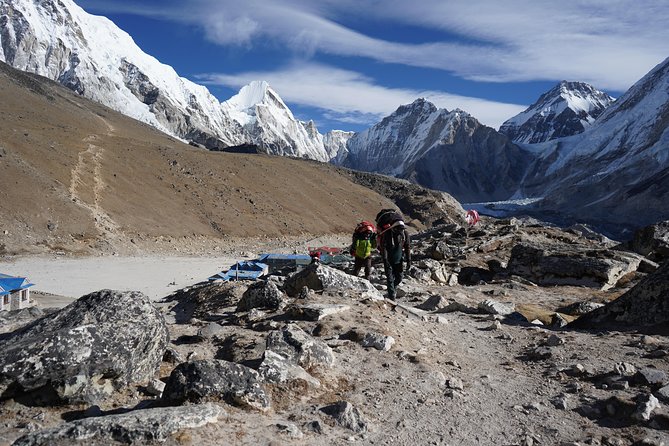
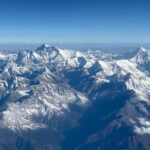
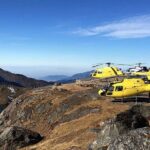
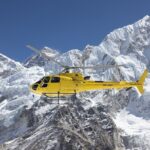
The trek’s rhythm begins with the drive to the domestic terminal and a flight to Lukla. The flight is timed for early morning, so you can catch sunrise on snowcapped mountains in the air before you even start hiking.
This is one of those moments that makes the whole trip feel real. You’re staring out the window at a world that looks close enough to touch, even though you’re very much still on the ground in real life—just higher ground with sharper air and less margin for mistakes.
Also, flying into Lukla usually means you’ll be thinking about altitude almost immediately. Even if you don’t feel it yet, your body starts adjusting from the moment you land. I’d treat that as a cue to take your first hiking days seriously, not bravely.
Namche Bazaar Acclimatization: Rest Day, But Not a Free-for-All
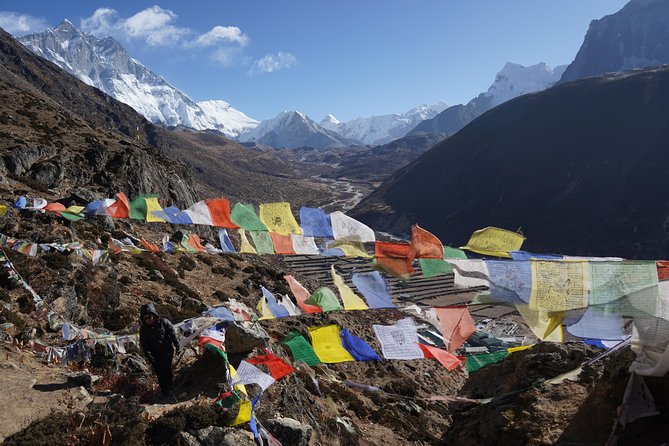
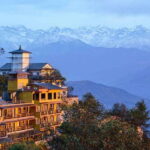
Namche Bazaar is the big settlement in the Khumbu region, and it’s more than a postcard stop. It has the kind of services trekkers rely on—ATMs, internet cafés, and plenty of places to eat and resupply.
The itinerary includes an acclimatization rest day in Namche, plus a short hike to a viewpoint nearby. This is the right balance: you rest your body enough to continue, but you still get your legs moving so altitude isn’t a surprise later. Your guide’s job here is to manage effort, and you’ll feel the difference if you keep it calm.
A key mental note: acclimatization days are not about winning. They’re about training your body to cope. If you treat the rest day like a race, you’ll pay later.
From Phorse Toward Dingboche: Forest Trails, Pass Gaps, and Mountain Names
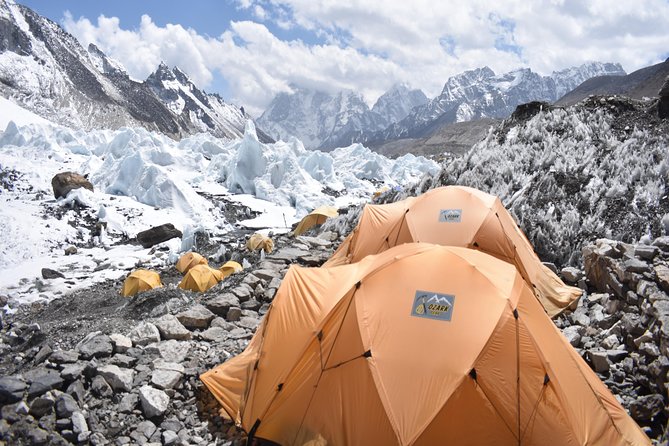
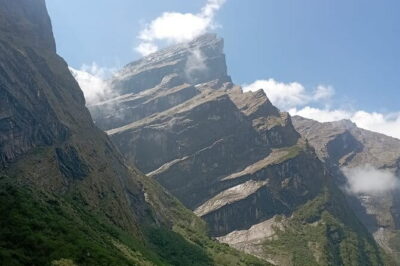
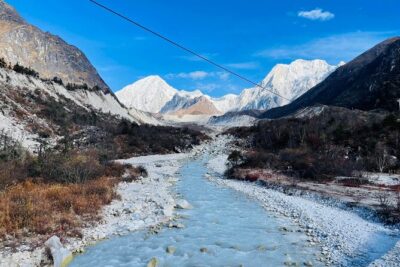
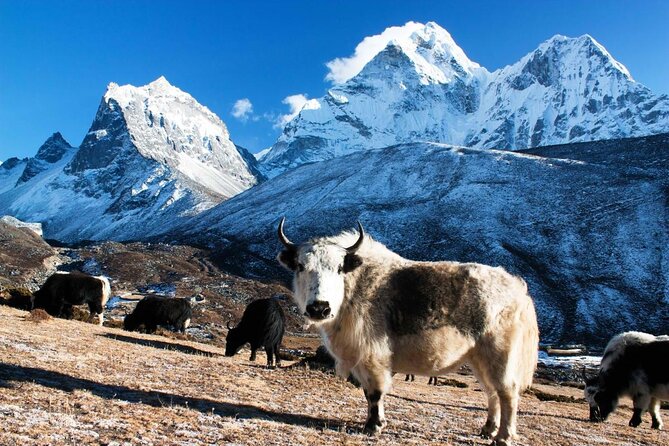
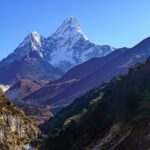
After Namche, you’ll trek toward Phorse. The route passes through pine forests and along the Dudh Koshi River, with big mountain views along the way—Mount Ama Dablam, Mount Khumbu, and Mount Thamserku appear in the mix. This section is a good example of why guided treks are valuable: the scenery is great, but the path is what keeps it from turning into a wandering day.
The trek also includes a climb toward places like Mugla Pass and then a descent via Dudh Koshi. You get the rhythm of up-and-down trekking, which is what the whole Everest Base Camp experience eventually becomes.
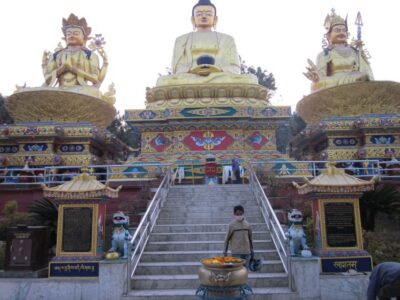
Then comes Dingboche. The itinerary continues with visits that connect you to the region’s culture, including a major Buddhist monastery area and upper Pangboche. Dingboche and nearby villages are where acclimatization becomes more than a concept. It’s where you start feeling the thin air more clearly, and you’ll want to walk smoothly, not aggressively.
Chola Lake and the Higher Steps: Where Effort Gets Rewarded
From the Dingboche area, the trek pushes higher through villages and into more alpine terrain. The day that begins with climbing from Duglha through the Khumbu Khola valley includes stops that make the history and geography click. You’ll pass through spots linked to the legacy of Everest exploration and see yak herders’ places like Dusa, which adds texture beyond the main goal.
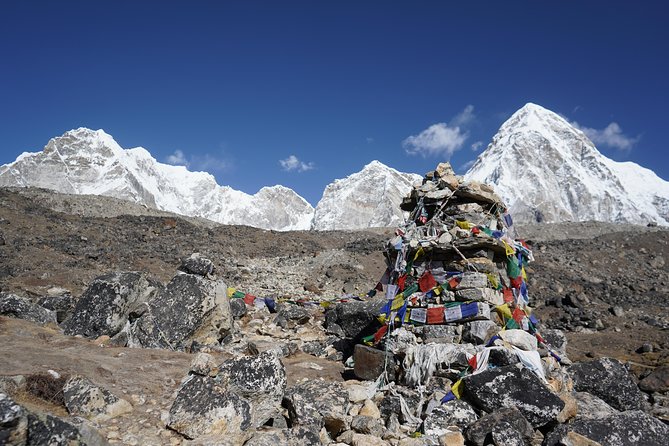
As you go, you’ll hit steeper sections and higher features like Chupki Lhara, with boulder slopes and prayer-flag sections where you’ll feel the pace shift from easy trekking to focused hiking.
Chola Lake is a standout of this route conceptually, even if your biggest impression will still come later. Why? Because it teaches you how to move in high terrain: steady steps, controlled breathing, and patience with your own energy. This is the point where you stop thinking in hours and start thinking in manageable segments.
Thangma Riju and the 360 View Day: Big Panoramas, Humbling Details
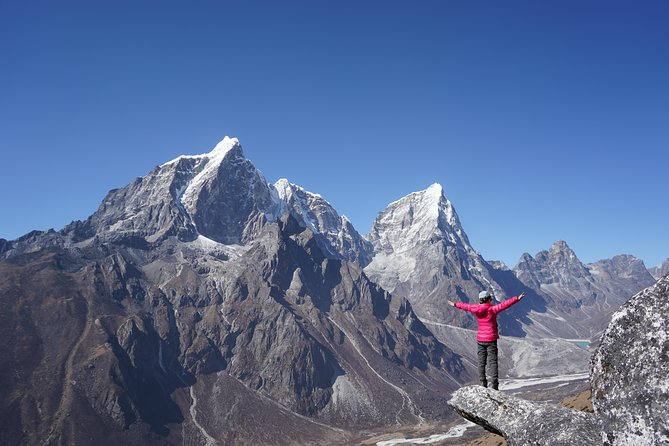
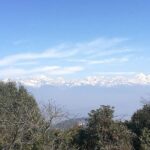
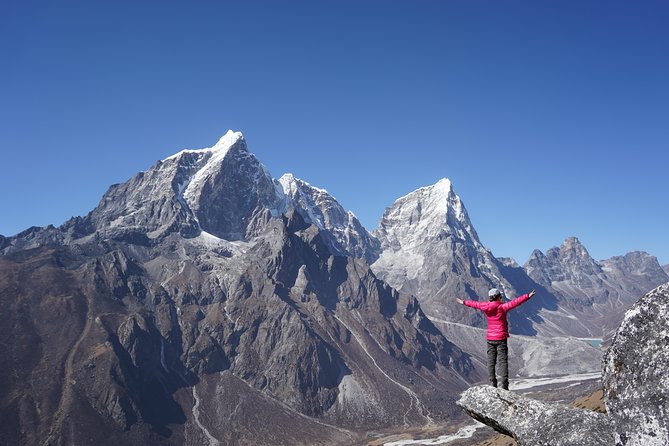
One of the most important days on this route is built around a viewpoint area at Thangma Riju. You’ll get an eye-popping 360-degree panoramic experience of snowcapped mountains.
Here’s a detail that’s worth planning for: Mount Everest itself isn’t seen from this spot. That can surprise people who imagine a direct line of sight from the moment they reach a high viewpoint. But it’s also part of the magic. You start to realize the Everest region is a whole system of peaks, ridges, and valleys—not one single dramatic angle.
This is also where a guide earns their weight in gold. When the view doesn’t behave like your mental map, you need local context. The route’s logic, and what comes next, makes the day feel purposeful instead of confusing.
Everest Base Camp and the Start of the Climb-Feeling
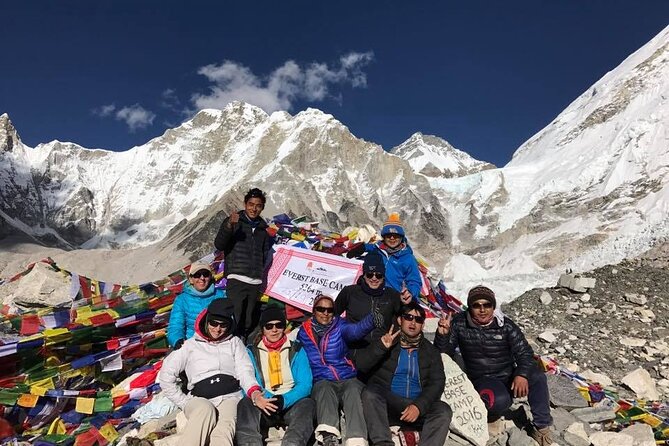
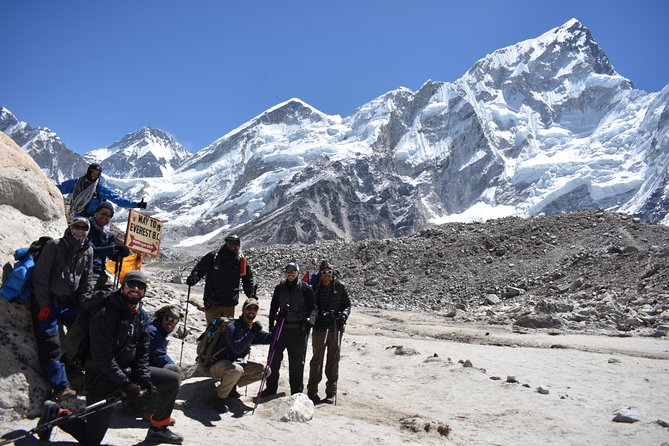
The itinerary is set to help you experience the Base Camp area with the kind of timing that trekking groups often miss. The plan includes an early morning start so you can see Everest when the light changes from dusk to bright morning conditions.
Even without obsessing over exact timing, you’ll feel what the schedule is trying to do: build anticipation, then deliver it when the light and atmosphere cooperate. On summit-style destinations, timing isn’t decoration. It’s part of the experience quality.
Along the way, the route includes classic base-camp-region features and views, including reference points like Lingtr… (the itinerary highlights the mountain-names vibe), keeping you oriented as you move through the Khumbu glacier terminal moraine approach.
Kala Patthar: The Sunrise Moment That Makes the Trek Stick
If you’re only going to pick one “this is why I’m here” viewpoint, it’s Kala Patthar. The itinerary includes a sunrise view stop, and this is treated like a key climax day.
This is where you’ll understand why people train for a trek like this even when it’s cold and tough. Sunrise views from Kala Patthar have a way of compressing the whole journey into a few minutes: the fatigue, the altitude adjustment, the patience. Your guide and group help you time this right so you’re in position when the light lands.
Practical note: sunrise trekking means you’ll likely start early with cold air and less flexibility. Layering and glove comfort matter. If you show up underprepared, you’ll spend the sunrise thinking about your fingers instead of the peaks.
The Descent Back: Legs Will Remember, Even If Your Mind Forgets
Base Camp is only half the story. Coming down is where trekking gets honest. The itinerary continues with descents via the Jame route back toward areas like Duglha, passing through villages such as Pheriche and Orsho and reaching Pangboche to explore along the way.
Downhill can feel easier because you’re going “the right direction,” but it can be tougher on knees and ankles. This route includes steep downward trail segments where trekking carefully, slow and controlled, becomes the smart move rather than the heroic move.
By the last trek days, you’ll also cross suspension bridge areas over Dudh Koshi. These are the kinds of waypoints that help you emotionally land the trek. You’ve been moving toward a destination; now you’re moving back into the valley world.
Lukla to Kathmandu: Mountain Air Out, City Life In
After finishing the walking days, you’ll enjoy the mountain flight from Lukla back to Kathmandu. It’s a good reset. You’ve spent days moving under power and altitude; now you get a change of perspective without another long hike day.
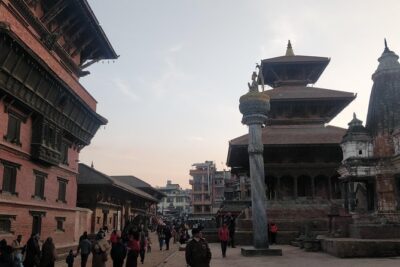
Once back in Kathmandu, the itinerary makes room for simple city life: shopping and walking around the Kathmandu valley area before your final departure day. That’s a smart finish because it gives you a low-stress emotional landing.
For many people, it also helps you process the trek. You come down from the mountains and realize how quiet your body was on the trail compared to city noise.
Price and Value: Is $1,350 Actually Fair for Everest Base Camp?
At $1,350 per person for roughly 14 days, the price has to be judged by what’s included—not just by what it costs.
This trek includes teahouse accommodation, meals, and local transportation. It’s also guided and run as a small group (max 10). When you add up trekking expenses that people often forget—where you stay each night, meals along the way, and the logistics for route planning—the price starts to look less like a single number and more like a package.
You also get helpful extras like pickup offered and a mobile ticket. Those aren’t glamorous, but they reduce the annoying friction that can slow you down before the first day hike.
The operator is Green Valley Nepal Treks & Research Hub Pvt Ltd. What stands out from real-world experience is responsiveness—people connected with the trip (including owners like Arjun and Raj) were described as helpful before and during the trek. And guide support shows up repeatedly too: guides such as Biru, Amabar, and Ramesh have been mentioned as key parts of how smooth (and safe-feeling) the trek felt.
That’s the real value. It’s not just booking beds and meals. It’s having the human network that helps you keep going when the mountains get demanding.
Safety, Weather, and What to Pack for All-Weather Trekking
This trip operates in all weather conditions, so you need to dress for reality, not ideal conditions. The itinerary also runs in a tight enough rhythm that you shouldn’t count on downtime to fix gear issues.
My practical advice: plan for cold mornings, possible wet weather, and the kind of wind that makes temperatures feel lower than you expect. Keep your layers simple so you can adjust without stopping your day.
Also, the itinerary is designed for active, moderately fit trekkers. That means you should come with endurance and good walking habits. If your cardio is weak, you’ll feel it first on climbs and later on descents when your legs lock up.
And yes, guides matter. The trek’s entire design is about not getting lost and having someone to keep the route coherent when visibility drops or your energy goes sideways.
Who Should Book This Everest Base Camp Trek (and Who Should Rethink It)
This is a great fit if you want an Everest Base Camp trek that stays focused on walking, acclimatizing, and the views—without you playing amateur expedition manager.
You’ll like it if:
- you enjoy active hiking and can handle long days
- you want small-group guidance and a calmer pace
- you’re happy with teahouse trekking rather than luxury hotels
You might rethink it if:
- you don’t have the fitness foundation for sustained uphill and later steep descents
- cold-weather trekking is a problem for you psychologically (not just physically)
- you need a lot of downtime and flexibility day-to-day (this route has a clear rhythm)
Also, note that the tour is capped at max 10 travelers, and it’s commonly booked well in advance (around 56 days on average). If you have firm dates, start early.
Should You Book Green Valley for Everest Base Camp?
If you want the classic Everest Base Camp experience with less logistical stress, I think this trek is a strong option. The small-group limit, the guide-led route, and the included teahouse meals and accommodation add up to a trip that lets you focus on the mountains instead of paperwork and guesswork.
The biggest reason I’d book is the way the trek is built around safety and navigation. When people feel supported—especially from guides and porters mentioned on past departures—the whole experience becomes less intimidating.
If you’re the type who loves sunrise light, panoramic viewpoint days, and a steady climb-to-climax-to-descent arc, this route fits that craving. Just don’t underestimate the physical effort, because the Himalaya doesn’t care how excited you are.
FAQ
FAQ
What is the duration of this Everest Base Camp trek?
It runs for about 14 days.
Where does the trek start?
The meeting point is at Tribhuvan International Airport in Kathmandu.
How much does the trek cost?
The price is $1,350.00 per person.
What size is the group?
The maximum group size is 10 travelers.
Is pickup from the airport or hotel included?
Yes, pickup is offered, including an airport representative meeting you on arrival and a drop to your hotel by private vehicle.
Do meals and accommodation cost extra?
No. Teahouse accommodation and meals are included as part of the trek.
Do you fly as part of the route?
Yes. You fly from Kathmandu to Lukla and later enjoy a mountain flight from Lukla back to Kathmandu.
Is a passport required?
Yes. A current valid passport is required, and passport details are needed at booking.
What’s the fitness level needed?
You should have strong physical fitness. It’s best suited to active and moderately fit travelers.