REVIEW · 1-DAY TOURS
Kathmandu: Shivapuri National Park Hiking Day Trip
Book on GetYourGuide →Operated by Wilder Way Trekking & Expedition Pvt Ltd · Bookable on GetYourGuide
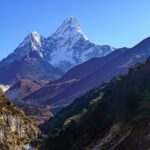
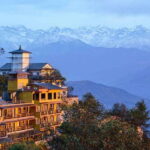
A Himalayan viewpoint is closer than you think. This day trip puts Shivapuri Peak on your agenda with big-sky views toward the Langtang and Ganesh Himal regions.
I also like that the park sits just 12 km north of Kathmandu, so you get forest walking without spending your whole trip in a van.
I love the mix of nature and culture here. You can pair trekking with quiet detours like Nagi Gompa and the Hindu pilgrimage site at Bagdwar, where the Bagmati River begins.
One drawback to keep in mind: guide quality can vary. On tougher routes, a guide who doesn’t know the path well can slow you down, and you’ll want to double-check basic first-aid readiness before you head out.
In This Review
- Key Things Worth Knowing Before You Go
- A Kathmandu Escape That Actually Feels Like a Day Trip
- Shivapuri Peak (2,732 m): The View You Came For
- Nagi Gompa: A Shorter Hike with a Calmer Rhythm
- Sundarijal to Chisapani: Waterfalls, Tamang Villages, and Late-Day Views
- Guide Quality: The Biggest Difference Between a Good Day and a Hard One
- Nagi Gompa and Bagdwar: Why These Stops Matter (Even If Views Steal the Show)
- Practicalities: Transfers, Timing, and What You Carry
- Price and Value: What $61 Buys You in the Real World
- Who This Works Best For (and Who Should Skip It)
- Quick Booking Tips That Keep Your Day Smooth
- Final Call: Should You Book This Shivapuri Day Trip?
- FAQ
- Where is the hike departure point?
- How long is the Kathmandu: Shivapuri National Park Hiking Day Trip?
- What hike options are available in Shivapuri National Park?
- How long does the Shivapuri Peak hike take?
- How long is the Nagi Gompa hike?
- How long is the Sundarijal to Chisapani hike?
- What’s included in the price?
- What’s not included?
- What language is the guide?
- Who is the tour not suitable for?
Key Things Worth Knowing Before You Go
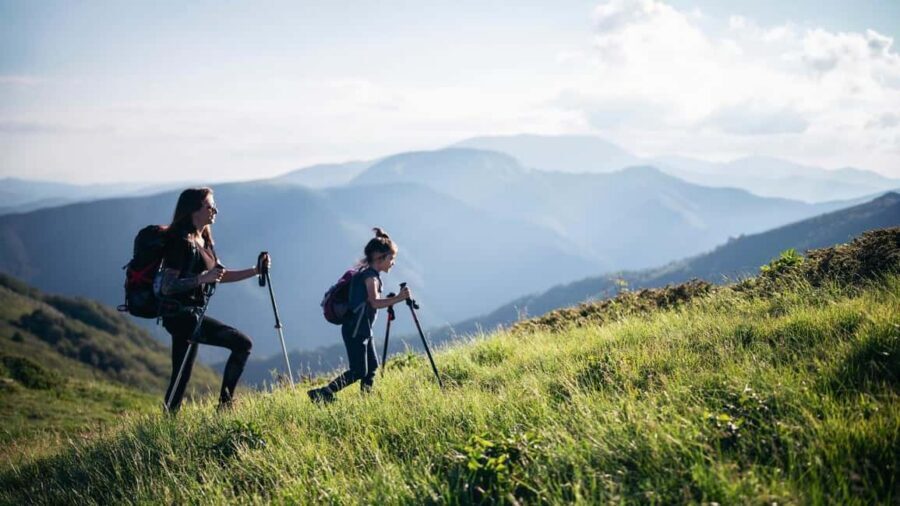
- Three trail styles: Shivapuri Peak for the full climb, Nagi Gompa for a shorter out-and-back, or Sundarijal to Chisapani for waterfalls and village scenery.
- Big views, short commute: Shivapuri National Park is only 12 km north of Kathmandu, so your hiking time is the main event.
- Forest walking with real wildlife potential: the park is home to leopards, Himalayan black bears, deer, and 300+ bird species (sightings are never guaranteed).
- Buddhist and Hindu sites on the route options: Nagi Gompa and Bagdwar add a calm, meaningful break from uphill effort.
- Your guide matters: some days shine with a friendly, on-it guide; other days can feel chaotic if the person leading you is new to the route or over-talks the group.
A Kathmandu Escape That Actually Feels Like a Day Trip
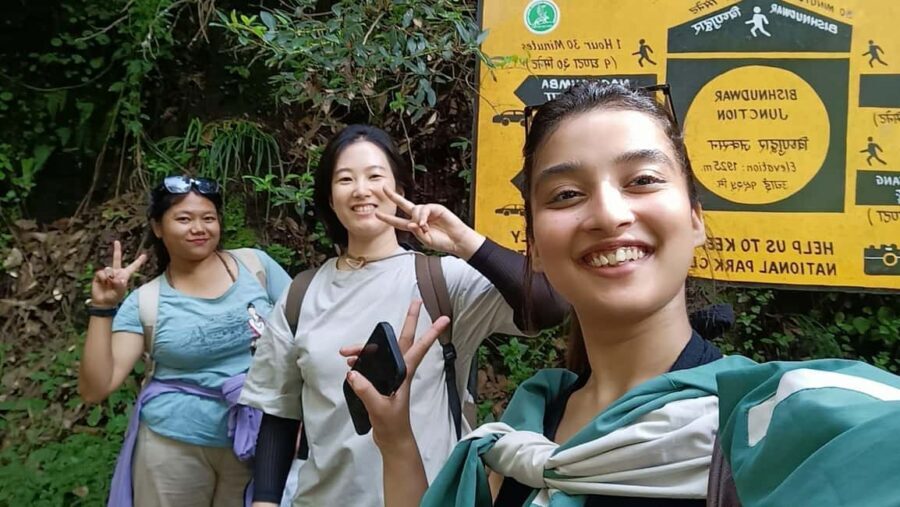
Shivapuri National Park is one of those rare places where the mountains feel close, even on a “not too far from Kathmandu” hike. The park covers about 159 square kilometers and sits just north of the city, so you’re trading Kathmandu traffic for forest trails fast.
The core appeal is simple: you can get to a high viewpoint and still return to Thamel the same day. If you’re only in Nepal for a short window, this is a smart way to earn a Himalayan view without adding extra nights and logistics.
And it’s not just scenery. This park has the kind of biodiversity you notice as you walk—different trees at different elevations, plus frequent chances to pause and scan for birds. Expect rhododendrons, oak, and pine forest on the way up or along the gentler options.
You can also read our reviews of more hiking tours in Kathmandu
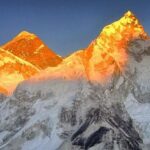
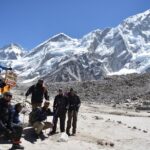
Shivapuri Peak (2,732 m): The View You Came For
If you want the headline experience, choose the Shivapuri Peak hike. It’s about 20 km round trip and usually takes 5–7 hours. That time range matters: this isn’t a 2-hour stroll, but it also isn’t a multi-day expedition.
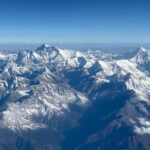
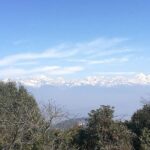
Why it’s worth your effort: from the top, you get panoramic views that can include the Langtang, Ganesh Himal, and even parts of the Annapurna range (depending on weather and visibility). On a clear day, it’s the kind of viewpoint where you can keep looking and still find something new every few minutes.
What I’d watch for on this climb is energy management. The hike is long enough that you’ll want breaks that are short and purposeful—drink, quick snack, then move. If your group pace is slower, the route can still work, but you’ll feel the extra time on your knees during the descent.
Also, the path is described as generally on good routes, which helps. Still, bring proper footwear. Wet rock and muddy edges can turn an otherwise fine day into a slippery one.
Nagi Gompa: A Shorter Hike with a Calmer Rhythm
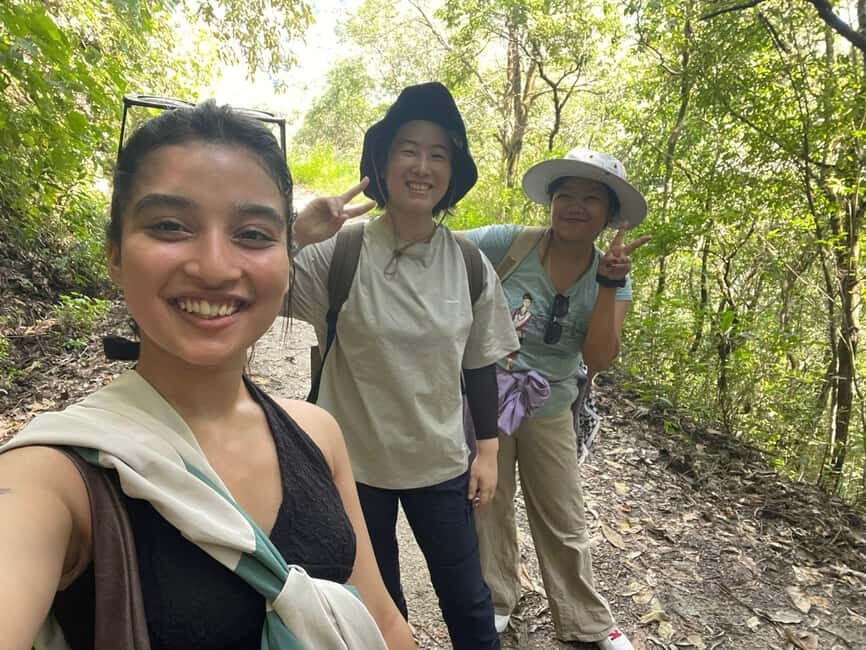
Not everyone wants a full summit day. The Nagi Gompa hike is designed for a shorter effort: around 5–7 km round trip, typically 2–4 hours.
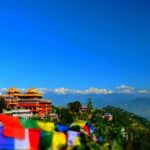
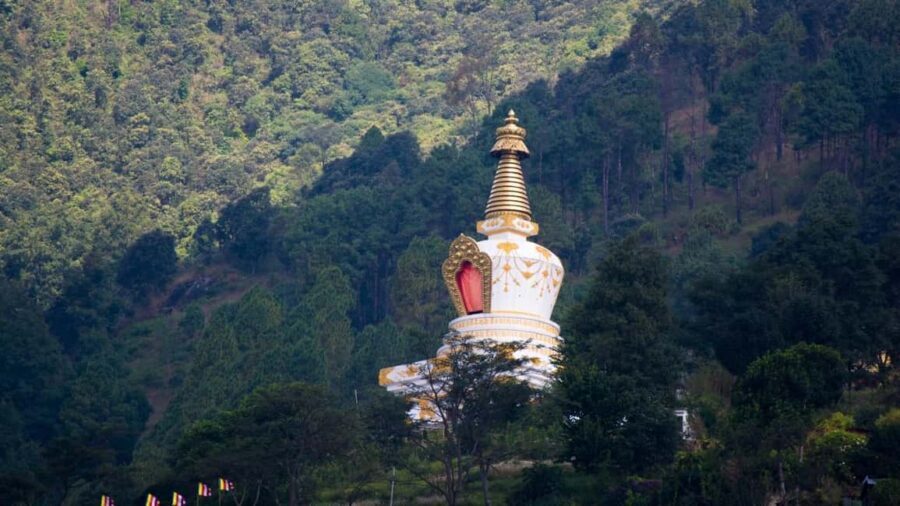
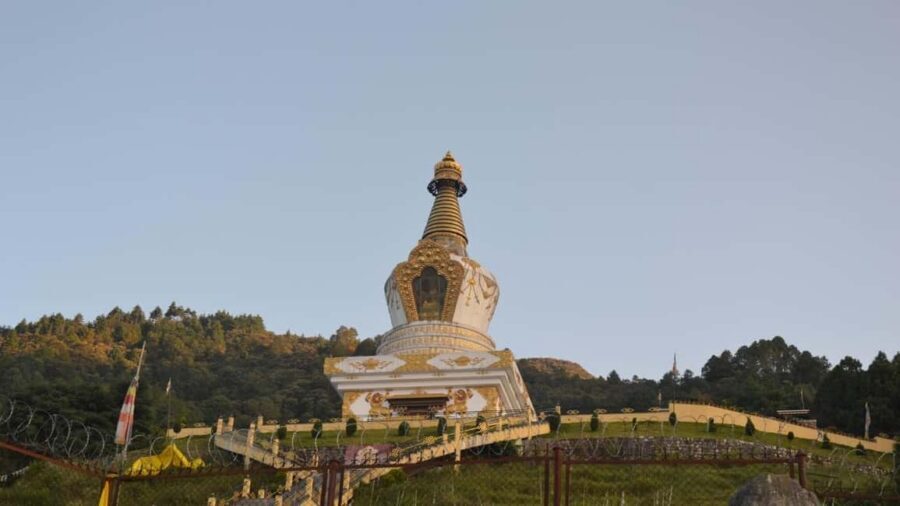
This is the trail option I’d point you to if you want a meaningful stop without committing to the peak distance. Nagi Gompa is a Buddhist monastery, and the big reward is the peaceful atmosphere plus the views over Kathmandu Valley from the area.
What makes this worth it, even if you’re not chasing altitude: the hike gives you a different pace. Instead of focusing only on distance and elevation, you’re moving more like you would on a nature walk with room to notice plants and small details along the trail.
If you’re traveling with someone who gets tired on steep climbs, this option often feels like the best compromise.
Sundarijal to Chisapani: Waterfalls, Tamang Villages, and Late-Day Views
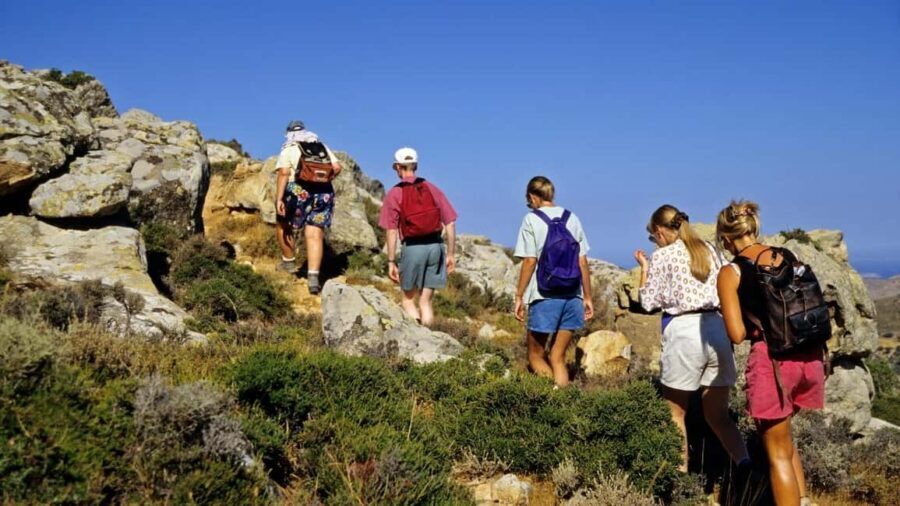
For a more scenic, varied day, consider Sundarijal to Chisapani. It’s about 15 km and takes roughly 6–8 hours—longer than Nagi Gompa, but often less punishing than a summit round trip depending on pace and conditions.
This route is known for passing waterfalls, moving through dense forest, and getting glimpses of Tamang villages. That mix is what makes it feel less repetitive than a single ridge-style climb.
You’ll also get a payoff at the end: Chisapani is a great spot for sunrise and sunset views. So if your timing works out with daylight, you might find that ending in Chisapani feels like a natural finish line rather than just “one more lookout.”
Practical note: because it’s a longer trail, treat it like a real hike, not an urban walk. Start hydrated, plan for snacks, and bring rain gear even if Kathmandu skies look fine when you leave.
Guide Quality: The Biggest Difference Between a Good Day and a Hard One
This is the part I wouldn’t ignore. The hiking plan looks solid on paper, but your day depends heavily on the guide’s competence and attitude.
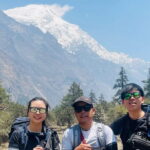
In one standout example, a guide named Sunita was described as friendly and knowledgeable, with a focus on plants, wildlife, religious sites, and even some Nepali words. That’s the kind of guide who turns time on the trail into learning time, without making it feel like a classroom.
In contrast, other experiences highlighted problems: a guide who was walking the route for the first time, difficulty answering questions, and not handling a minor injury well during the descent. Even with an operator that includes a first aid kit, you still need a guide who can use it calmly and competently when things go wrong.
Here’s how you can protect your day without stressing yourself out:
- Ask what exact trail your group will hike that day and how confident the guide is with it.
- Make sure you know the basics of what to do for small issues on the trail (pace adjustments, stop points, water).
- If you’re sensitive to constant chatter, set expectations early. A guide who talks a lot may still be kind—but it can kill the quiet you came for.
If you get a guide who balances safety, route clarity, and plant-and-culture observations, this day can feel special in a way that’s hard to replicate.
You can also read our reviews of more tours and experiences in Kathmandu

Nagi Gompa and Bagdwar: Why These Stops Matter (Even If Views Steal the Show)
The highlights include not just viewpoints, but also meaningful sites.
Nagi Gompa gives you a pause from the physical effort. Monasteries in the Himalaya region often sit where the views are good and the air feels quieter. On a hike, that kind of stop is more than a photo break—it helps you reset your breathing and gather yourself for whatever comes next.
Bagdwar is where the Bagmati River originates, and it’s also an important Hindu pilgrimage site. Adding a place like this changes the mood of the day from purely outdoor sightseeing to something more connected to local life and belief systems.
If you care about understanding what you’re walking past, these stops give you a way to do it. And if you’re just in it for the outdoors, they still break up the climb and add variety.
Practicalities: Transfers, Timing, and What You Carry
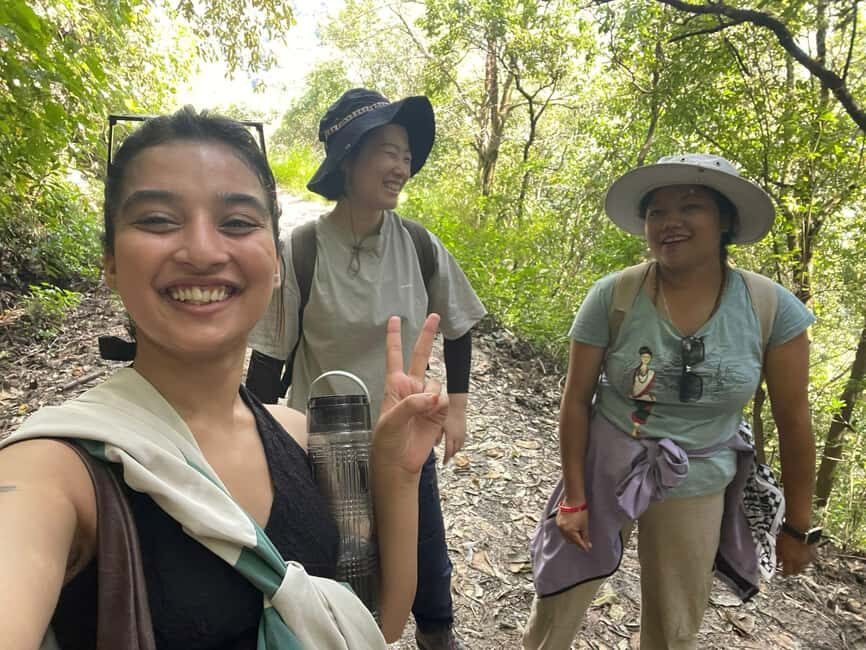
This is built as a full day, not a half-day excursion. The duration is 8 hours, and you start in Thamel, with transfers to the hiking area and back to your hotel.
That transfer piece matters more than you might think. When you’re in Kathmandu, saving yourself from navigation and figuring out gate logistics can be the difference between a smooth outing and a stressful one.
What’s included:
- Transfer to hiking points and transfer back to your hotel
- A professional guide
- Entrance fees
- A first aid kit
What’s not included:
- Meals and drinks
- Personal travel insurance
So budget for water and food snacks. The “bring water” instruction is simple, but you’ll feel it if you ignore it on a long trail.
What to bring:
- Hiking shoes
- Water
- Rain gear
- Hiking pants
Also note the clear rules: no smoking, no alcohol or drugs, and no alcoholic drinks in the vehicle. Keep it straightforward, and you’ll avoid friction with the group and driver.
Price and Value: What $61 Buys You in the Real World
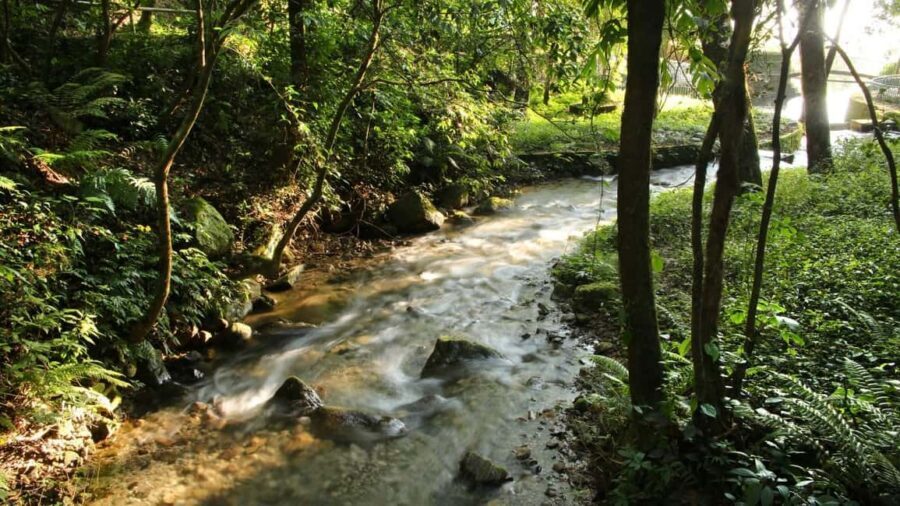
At $61 per person for an about-8-hour outing, you’re paying for more than walking. You’re buying:
- the guide,
- the park entrance fees,
- and the transfers that connect Kathmandu to the trailhead.
If you tried to DIY this day, you’d still need local logistics—transport, entrance access, and someone who can help you interpret what you’re seeing. Even if you’re confident navigating, the included guide can be a time saver and a safety layer.
The tradeoff is that guide skill isn’t guaranteed. That’s not a criticism of the hike itself—it’s just reality. The park is beautiful no matter what, but how much you get out of the day can swing with who leads you.
So the best value comes when the guide is strong at route clarity and calm handling of issues. If you prioritize safety and route knowledge, ask a few questions up front before you go.
Who This Works Best For (and Who Should Skip It)
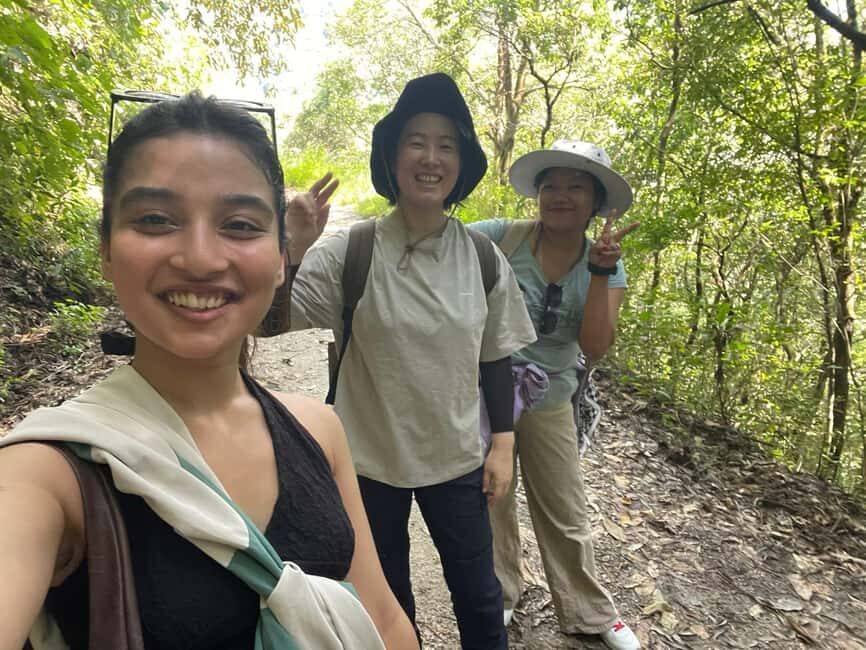
This trip is a good fit if you want a Himalayan day hike that’s close to Kathmandu and offers multiple trail options depending on your energy level. You’ll also like it if you enjoy mixing outdoor time with cultural stops.
It’s not suitable for:
- babies under 1 year
- people over 70 years
- people over 95 years
If you’re fit enough for 5–7 hours of hiking, Shivapuri Peak is the classic choice. If you want something shorter and calmer, Nagi Gompa hits the sweet spot. If you like variety—forest, waterfalls, and villages—Sundarijal to Chisapani can be a great match.
And if you’re the type who gets annoyed by constant talk on the trail, consider that guide style can vary. A quick check-in before starting helps.
Quick Booking Tips That Keep Your Day Smooth
Before confirming, you’re asked to WhatsApp the team. Do that early so you’re not rushing on the day.
Also, the trip runs with an English live guide. If you’re traveling with someone whose English is limited, make sure you’re comfortable with guided explanations in English.
Finally, consider weather. The viewpoints you came for depend on visibility. If clouds roll in, you might still enjoy the forest and monastery stops, but the big-range panoramas may be muted.
Final Call: Should You Book This Shivapuri Day Trip?
I’d book this if you want a real hiking day near Kathmandu, with options that fit different fitness levels, plus a chance to see Nagi Gompa and Bagdwar. The park itself is the star, and the distance is manageable for a one-day outing.
I’d be cautious if you’re heading out on a tougher route and you really need strong navigation and safety leadership. In that case, ask the operator a few questions beforehand about which trail you’ll hike and how experienced the guide is with it.
If you get a guide who can manage the route and keep the day calm, this becomes an easy-to-love Kathmandu escape.
FAQ
Where is the hike departure point?
The starting location is Thamel in Kathmandu.
How long is the Kathmandu: Shivapuri National Park Hiking Day Trip?
The duration is 8 hours.
What hike options are available in Shivapuri National Park?
You can choose among Shivapuri Peak, the Nagi Gompa hike, and the Sundarijal to Chisapani hike.
How long does the Shivapuri Peak hike take?
The Shivapuri Peak hike is about 20 km round trip and takes 5–7 hours.
How long is the Nagi Gompa hike?
The Nagi Gompa hike is about 5–7 km round trip and takes 2–4 hours.
How long is the Sundarijal to Chisapani hike?
The Sundarijal to Chisapani hike is about 15 km and takes 6–8 hours.
What’s included in the price?
Transfers to the hiking points and transfer back to your hotel, a professional guide, entrance fees, and a first aid kit are included.
What’s not included?
Meals and drinks, plus personal travel insurance, are not included.
What language is the guide?
The guide provides a live English tour.
Who is the tour not suitable for?
It is not suitable for babies under 1 year, people over 70 years, or people over 95 years.