REVIEW · HIKING & TREKKING
Explore The Beauty Of Langtang Valley In 8-Days Trek
Book on Viator →Operated by Bold Himalaya Treks and Travels Pvt Ltd · Bookable on Viator
Langtang feels like a whole world you can walk into. This 8-day trek runs from Syabrubesi through forests, suspension bridges, and high Himalayan viewpoints to Kyanjin Gompa and the option of hiking up to Tserko Ri. The route is built for different fitness levels thanks to a flexible schedule with room for photo breaks and a pace that fits you.
I really like how the trip pairs practical trekking logistics with culture on the trail, especially with a guide who shares Himalayan nature and cultural context along the way. I also like that you get real support in the small details—English in-person guidance, meals, teahouse accommodation, and Kathmandu pick-up and drop-off. One thing to consider: even with flexible pacing, you’ll still be hiking at altitude, so you’ll want to take acclimatization seriously—go slow on purpose, especially if you’re new to high-altitude trekking.
In This Review
- Key highlights you’ll feel fast
- Why the Langtang Valley trek makes sense in 8 days
- Kathmandu handoff: pickup, drives, and what’s included on both ends
- Day-by-day: from Syabrubesi to Langtang Village
- Kyanjin Gompa: where the views get serious
- The return trek: Lama Hotel, Syabrubesi, and letting your body catch up
- Food, breaks, and a cultural program that adds meaning
- Guides and support: the human edge you’re paying for
- Price and value: what $270 usually covers here
- Fitness, altitude, and how to use the flexible pacing
- Who should choose this trek?
- Should you book this Langtang Valley trek?
- FAQ
- Where does this Langtang Valley trek start?
- How long is the trek?
- What is the price per person?
- Is pick-up and drop-off included?
- What kind of accommodation is included during the trek?
- Are meals included?
- Do I need a special ticket for the trek?
- Will there be a guide, and what language do they speak?
- Is the hike to Tserko Ri included?
- What is the cancellation policy?
Key highlights you’ll feel fast
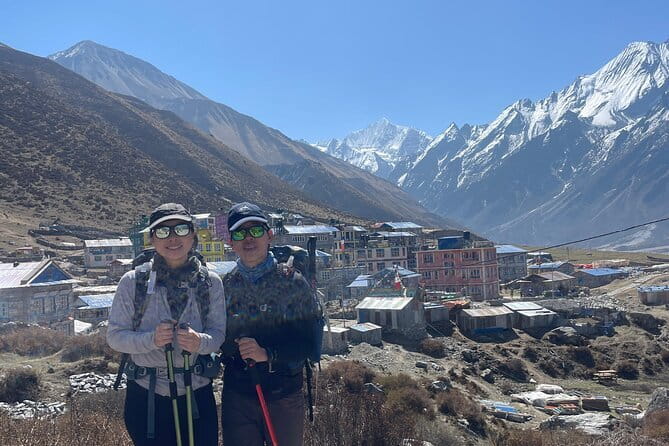
- Small-group feel with a licensed trekking guide (up to 5 trekkers per guide), so your questions don’t get lost.
- Teahouse stays plus full meals along the trekking days, which makes budgeting simpler and keeps you fueled.
- A flexible itinerary with breaks for photos, breakfast time, and extra pauses when you need them.
- Top viewpoint payoff at Kyanjin Gompa, plus an optional hike to Tserko Ri (4,984m) for a 360-degree view.
- Kathmandu pickup and drop-off, with comfortable pre/post-trek hotel options available at extra cost.
- Support that goes beyond the trail, including examples from past trekkers where the team helped quickly with unexpected luggage delays.
Why the Langtang Valley trek makes sense in 8 days
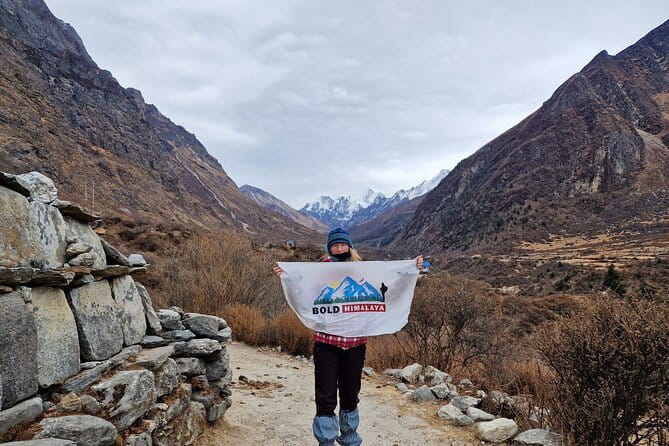
Langtang Valley is the kind of Himalayan trek that rewards steady effort. You start relatively low at Syabrubesi and gradually climb through changing scenery—river valleys, forested stretches, and then the higher-country views around Langtang Village and Kyanjin Gompa.
What I appreciate about this particular schedule is that it’s not trying to cram everything into one exhausting day. The walking hours per day are clearly laid out, and there’s flexibility built in for extra breaks and a pace that matches your level. That matters on this route, because the goal isn’t just reaching a point—it’s enjoying the climb while staying smart about altitude.
If you’re coming from Kathmandu, the trek also gives you a clean rhythm: long drive in on Day 1, then trekking days with regular meals, then an easy return arc back toward Syabrubesi. It’s a structure that helps first-timers feel less lost, and it still feels rewarding for experienced hikers.
You can also read our reviews of more hiking tours in Kathmandu
Kathmandu handoff: pickup, drives, and what’s included on both ends
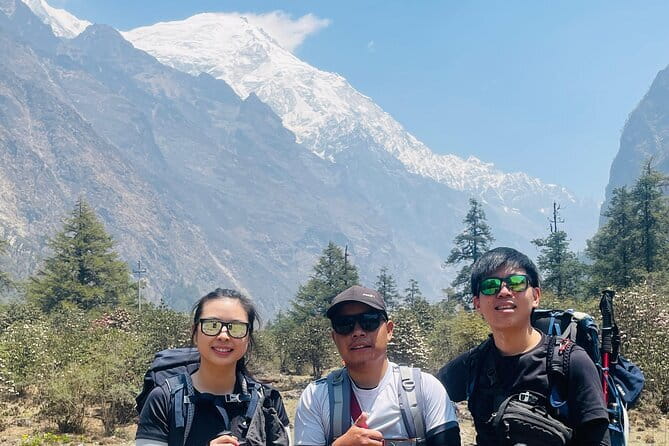
The experience starts in Kathmandu with meeting up near Tribhuvan International Airport area (Ring Road). From there, you’re driven to Syabrubesi in about 6 hours by shared jeep. That’s not just transport—it’s time to watch the valleys and rivers slide by, which sets the tone before your first real climb.
When it comes to sleeping arrangements, the trek includes teahouse accommodation along the route. For Kathmandu itself, hotel options range from 3-star to 5-star, but that’s listed as an extra cost—so plan on paying for your own Kathmandu upgrade if you want something higher-end. Either way, you’ll have pick-up and drop-off handled, which reduces stress in the first 24 hours.
This kind of start is good value when you don’t want to manage small logistics in a new country. You get guided support from the moment you land, and the itinerary is designed so you’re trekking rather than figuring out transport and meals day-by-day.
Day-by-day: from Syabrubesi to Langtang Village
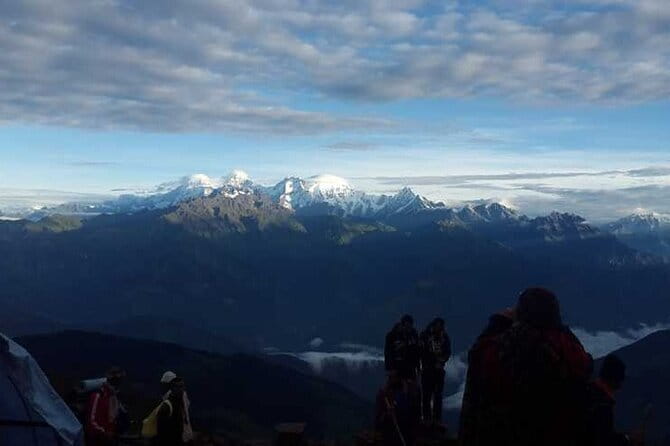
Day 1: Kathmandu to Syabrubesi (drive ~6 hours)
After meeting the Bold Himalaya team, you head to Syabrubesi. The drive runs through mountain valleys, villages, rivers, and waterfalls. It’s a long day in a shared vehicle, but it also gives you an early preview of the terrain you’ll be walking over later.
Day 2: Syabrubesi to Lama Hotel (~5.5 hours, up to 2,380m)
After breakfast, you begin the trek by climbing to Lama Hotel. Along the way, you’ll cross suspension bridges over the Bhote Koshi and Langtang rivers. These crossings are the first moment where the trek feels truly “on”—you get a real sense of scale, rushing water far below, and mountain views opening through the forest and valley corridors.
Day 3: Lama Hotel to Langtang Village (~6 hours, to 3,430m)
This is where the trek starts to feel like the classic Langtang experience. You climb through forests and meadows, then push up to Langtang Village. The itinerary frames this as an exciting day when weather can make the views sharper, which is exactly what you want on a first major climb segment.
A practical point: the pace here matters more than speed. The experience notes that beginners should walk at their own pace to acclimate better. If that’s you, don’t treat the day as a race—use the “slow and steady” strategy so you arrive feeling like you can keep going.
Kyanjin Gompa: where the views get serious
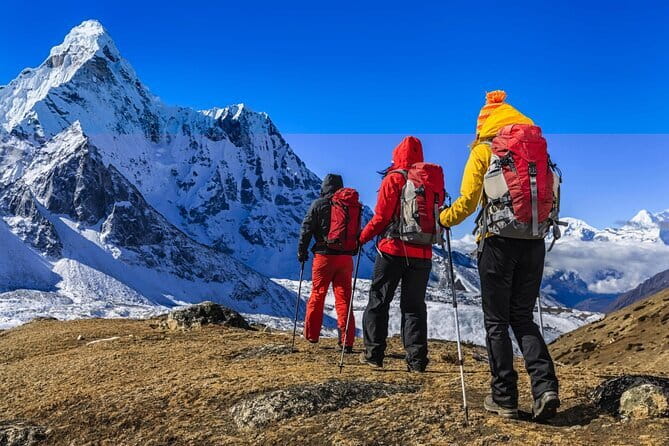
Day 4: Langtang Village to Kyanjin Gompa (~4.5 hours, to 3,870m)
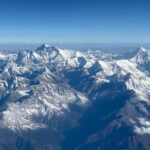
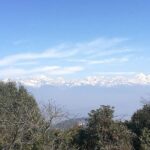
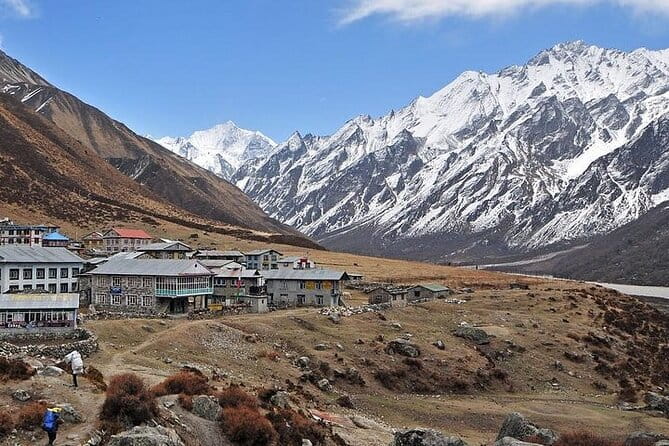
This day is shorter on paper, and that’s a good thing after two longer climbs. The route starts with mountain views, then transitions through the trail toward Kyanjin Gompa. You’ll reach panoramic vistas of peaks in the Langtang region, including Langtang Lirung and Gangch (the itinerary cuts off the rest of the list, but it’s clear you’re in peak-view territory here).
Kyanjin Gompa is also a spot that feels different from the earlier villages. It’s high enough that the air feels thinner, and the scenery turns more dramatic. If you’re the type who enjoys walking into a “reward zone” rather than just stacking altitude, this is a key day.
Day 5: Explore Kyanjin Gompa; optional Tserko Ri hike (~7 hours including option, to 4,984m)
You wake up to a 360-degree view from the Kyanjin Gompa area. Then, if you want a bigger adventure, there’s an optional hike to Tserko Ri (4,984m). The itinerary flags it specifically for adventurous trekkers.
Here’s the consideration: optional hikes are great, but altitude runs the show. If you choose Tserko Ri, take it as a steady, controlled effort. If you skip it, you’re not losing—staying put for Kyanjin Gompa viewpoints still delivers the main payoff day.
The return trek: Lama Hotel, Syabrubesi, and letting your body catch up
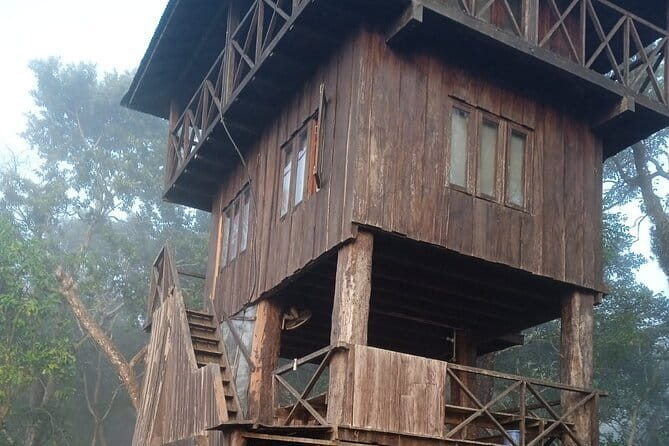
Day 6: Kyanjin Gompa back to Lama Hotel (~6 hours)
The return begins. You retrace your steps through the valley—again crossing the same kinds of trail corridors, but now you’re moving with better clarity since you’ve “learned” the route once. The itinerary calls out memories of Himalayan ranges and glaciers, and that fits the feeling of a return day: the scenery is familiar enough that you can enjoy it, not just survive it.
Day 7: Lama Hotel to Syabrubesi (~5 hours)
Another trek day through lush green forest sections and rolling hills. The itinerary highlights the soothing sounds of rivers, which is a nice reminder that the return journey isn’t only about endurance—it’s a chance to settle into the rhythm again.
This return style matters for value. When your trek has a clear out-and-back structure, it’s easier to plan your energy. It also helps if you’re traveling with mixed experience levels, because the trail expectations are more predictable.
Food, breaks, and a cultural program that adds meaning
One of the quiet benefits of this trek is that your meals are handled. The trip includes breakfasts (7), lunches (8), and dinners (7) during the trek, plus seasonal fruits are mentioned in the included benefits. This is a big deal in the mountains, where meal decisions can slow you down or force you to budget on the spot.
Regular breaks and refreshments are also part of the plan. Even when the hiking hours are fixed, it’s the pause moments—when you can drink, eat, and reset your pace—that keep altitude days from turning into a grind.
Then there’s the cultural component: the experience includes one special cultural show and a farewell dinner program. That’s not just entertainment padding. It gives you a way to translate what you’ve been seeing on the trail—villages, daily life, and local traditions—into something more personal before you head back to Kathmandu.
Guides and support: the human edge you’re paying for
The trek is led by an English in-person guide. The guide package covers their salary, accommodation, meals, and insurance, which is the kind of detail that usually means fewer shortcuts for safety and fewer gaps in service.
The best evidence of care comes through the names people remember. In the reviews, Sobit is mentioned for warm welcoming and detail-minded service. One solo trekker described Sobit meeting them when luggage didn’t arrive in Kathmandu and even escorting them around Thamel to help handle what was needed. That’s not a guaranteed outcome for every trip, but it does show the operator’s style: practical problem-solving, not disappearing once you’re in the mountains.
Another review highlights Garap as an outstanding guide during someone’s first high-altitude trek, with strong support and patience. Again, you can’t assume the same guide for your week, but it aligns with what the itinerary promises: a friendly hiking guide who shares Himalayan culture and nature knowledge as you go.
One more practical point: the trek is described as private, meaning only your group participates. That matters for pacing. It’s easier for a guide to adjust the rhythm when the group size is kept small.
Price and value: what $270 usually covers here
At $270 per person, the big value drivers are the things you don’t want to manage yourself: teahouse accommodation, daily meals, and the licensed guide with insurance and support. Add in the Kathmandu pickup and drop-off, and the trip starts looking like a “handhold” option rather than a bare-bones trek.
What’s not included is straightforward: bar bills and personal expenses. Also, Kathmandu hotel upgrades (if you want 4–5 star) are described as an extra cost. That’s normal for treks in Nepal, but it’s worth planning for so your budget matches your comfort level.
If you’re comparing against DIY treks, the difference is the smoother day-to-day execution. You trade some independence for a trip that reduces admin stress and keeps your focus where it belongs: the trail and acclimatization.
Fitness, altitude, and how to use the flexible pacing
Even though the itinerary is flexible, it’s still high-altitude trekking. The experience explicitly recommends that beginners walk at their own pace to acclimate better. That advice is gold, because many issues at altitude come from pushing too hard too early, not from “not being tough enough.”
So use the flexibility. If the group is moving, ask for small pauses. If you feel off, slow down. The trek design includes additional breaks for photos and breakfast time, which makes it easier to normalize slower moments rather than feeling rushed.
Also remember this is an 8-day rhythm with a climb, viewpoint day, and then a return. Your fitness plan should match the structure: you’re not just doing one big day, and you’re not just sightseeing either. Think “consistent effort,” not “maximum effort.”
Who should choose this trek?
This trek fits a lot of people because it has a built-in off-ramp for intensity. You can keep things moderate by pacing yourself, and you can choose whether to do Tserko Ri or not. That makes it a good match if you’re new and want structure, or if you’re experienced but want a guide-driven, well-organized experience.
It’s also a strong choice if you prefer not to handle logistics like guides, meals, and teahouse planning. You still get a real trek experience, but with fewer moving pieces.
If you’re the type who likes silent, independent trekking and strict independence, you might find the guided structure less to your taste. But if you want someone with local know-how and English support, this setup makes that easy.
Should you book this Langtang Valley trek?
I’d book it if you want a guided Langtang Valley trek with real support, clear meal inclusion, and a viewpoint-focused route that doesn’t ignore beginners. The small-group structure, licensed guiding, and the operator’s history of stepping in when problems pop up (like the Sobit story) are signs you’re not being left to figure everything out alone.
I’d pause if you know you’re very altitude-sensitive or you dislike the idea of following a set hiking rhythm, even with flexibility. If you do book, plan to take the acclimatization advice seriously and treat optional higher hikes like Tserko Ri as a decision for your body, not your ego.
FAQ
Where does this Langtang Valley trek start?
The trek meets the Bold Himalaya team in Kathmandu and then drives to Syabrubesi, which is the starting point for the walking days.
How long is the trek?
The tour runs for about 8 days.
What is the price per person?
The listed price is $270.00 per person.
Is pick-up and drop-off included?
Yes. The experience includes pick-up and drop-off in Kathmandu.
What kind of accommodation is included during the trek?
Accommodation in teahouses along the trek route is included.
Are meals included?
Yes. Breakfast, lunch, and dinner are included during the trek (with breakfasts listed for 7 days, lunches for 8, and dinners for 7), plus some seasonal fruits.
Do I need a special ticket for the trek?
The itinerary notes admission tickets as free for some transfer days and included for trek days, but it doesn’t list any specific paid entry requirements.
Will there be a guide, and what language do they speak?
Yes, you’ll have a licensed English-speaking trekking guide.
Is the hike to Tserko Ri included?
Tserko Ri is listed as an optional hike for adventurous trekkers, and the main day includes exploration around Kyanjin Gompa.
What is the cancellation policy?
Cancellation is free. You can cancel up to 24 hours in advance for a full refund.
If you want, tell me your rough fitness level and whether you’re planning to attempt Tserko Ri, and I’ll help you figure out how to pace this week.