REVIEW · LANGTANG VALLEY TREKS
Journey to Dhunche A Scenic Bus Ride to the Gateway of Langtang
Book on Viator →Operated by Nepal Vehicle Hiring Pvt Ltd · Bookable on Viator
Getting to Langtang starts with a bus ride
This day trip puts you on a winding road out of Kathmandu, where the Trishuli River runs alongside the journey and the mountains gradually show themselves. What makes it especially fun is the build-up: quiet river scenery early, then bigger and bigger Himalayan views as you get closer to Dhunche, the gateway area for Langtang National Park.
I love that the trip doesn’t feel like a speed run. It’s an easy-paced morning ride with a few stops to stretch your legs and grab something simple to eat or drink along the way.
One thing to plan for: the road can feel bumpy and the hills are steep, so if you’re sensitive to motion or jerky rides, you’ll want to take that seriously before you go.
In This Review
- Key things to know before you ride
- Why Dhunche Feels Like a Proper Gateway
- The Trishuli River Route: Where the Scenery Actually Comes Through
- Price and Value: What $17 Buys on This Deluxe Bus
- Timing From Kathmandu to Dhunche: The Morning Start Matters
- Comfort on Steep Hills: Expect a Real Road Trip Feeling
- Stops for Tea and Quick Bites: Small Breaks, Local Flavor
- End Point Confusion to Check: Dhunche vs Syapru Besi
- Who This Bus Ride Is Best For (And Who Should Skip It)
- Should You Book This to Dhunche?
- FAQ
- What is the tour duration?
- How much does the trip cost?
- Where do I start and when?
- Where does the trip end?
- What is included in the price?
- What is not included?
- How many people are on the bus?
- When will I get confirmation after booking?
- Is there a cancellation or refund option?
Key things to know before you ride
- River views for most of the day: the Trishuli runs alongside the road early and keeps things interesting.
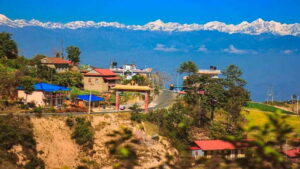
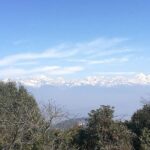
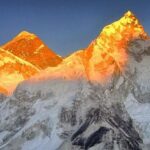
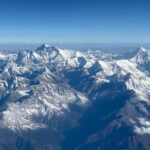
- Himalaya views that grow by the mile: mountains show up more clearly as you approach Dhunche.
- A morning start: you’ll begin at 7:15 am near Machha Pokhari.
- Small group feel: the bus maxes out at 20 travelers.
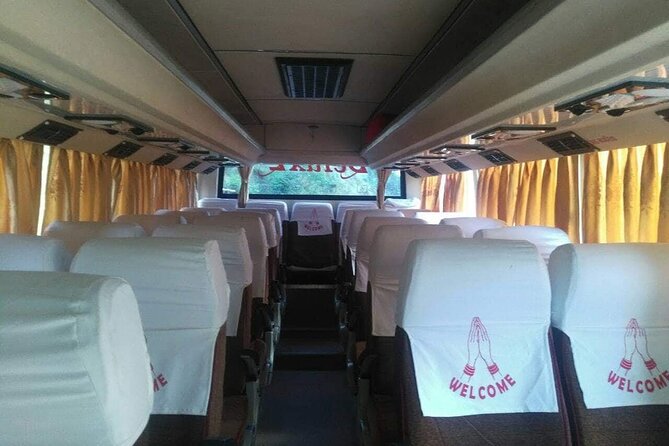
- Comfort level is “bus realistic”: it’s a deluxe bus, but the terrain is still steep and can be rough.
Why Dhunche Feels Like a Proper Gateway
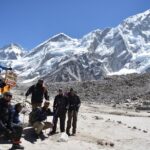
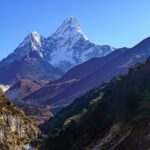
Dhunche is one of those places where the mountains stop being background scenery and start acting like the main character. On this bus ride, you get to see that shift in real time. At first, the river and the valley views do the talking. Then, gradually, the snow-capped peaks begin to take up more of your field of view, until the road basically delivers you into the Langtang region’s atmosphere.
Even if your end goal is trekking later, reaching the gateway by bus is a great way to “arrive” instead of teleporting. You’re already watching the terrain change: valleys, bends, and higher ground. That context matters, because it makes the next day’s plans feel more grounded.
For me, the best part of this kind of transfer is the pacing. You’re not rushing through stops. You’re simply riding and looking out the window long enough for the scenery to actually sink in.
You can also read our reviews of more tours and experiences in Kathmandu.
The Trishuli River Route: Where the Scenery Actually Comes Through
The route follows the banks of the Trishuli River, and that detail matters more than it sounds. River roads tend to give you frequent changes in angles, which means you’re not stuck staring at the same view for long. You’ll often get short stretches where the road opens up and the water and valley sit together in one frame.
As you continue, you start noticing the environment shift. The bus ride isn’t just about reaching a point on a map. It’s about watching how the terrain rises and how weather and visibility can change as the mountains pull closer.
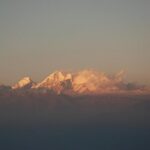
This is also the kind of journey where timing helps. The early start from Kathmandu means you’re traveling while the day is still fresh, which can make it easier to catch clearer views. On clear mornings, the Himalayas tend to feel sharper and more dramatic.
Price and Value: What $17 Buys on This Deluxe Bus
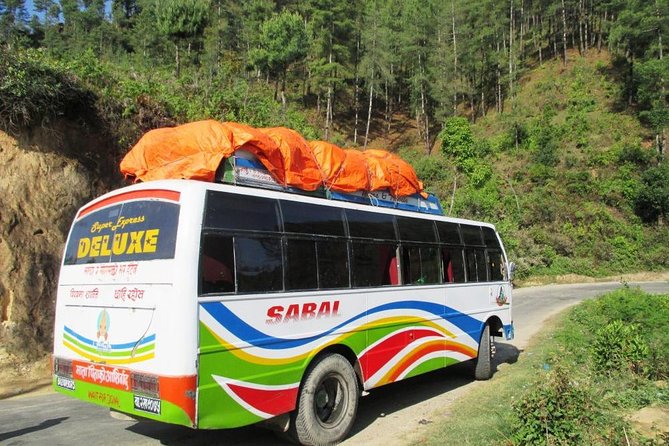
This trip is listed at $17.00 per person, and the included part is straightforward: you get a deluxe bus ticket. There’s no meal included, no “extras bundle,” and no sightseeing guide described in the available details. So the value comes from what you’re actually paying for: the transport to Dhunche and the ride time with the best seat in the house, which is the window seat.
For $17, you’re buying convenience and a full transfer day that runs around 8 to 9 hours depending on traffic. If your goal is to reach the Langtang gateway without paying for private transport, this is a strong option.
Just don’t treat it like a guided tour with scheduled cultural stops. The stops you’ll make are more about leg stretch and quick food or drink. That’s fine, and honestly it fits the vibe of a road trip through Nepal: practical, flexible, and never pretending to be something it isn’t.
Timing From Kathmandu to Dhunche: The Morning Start Matters
You start at 7:15 am from Machha Pokhari Ring Rd in Kathmandu. It’s an early departure, but it’s also the best way to maximize daylight for views. If you’re the type who hates rushing in the morning, plan your day the night before. Have cash and small change ready. Keep your essentials within easy reach.
The bus journey is listed as about 8 to 9 hours, and traffic can stretch that timeline. On mountain roads, that variability is normal. So treat it as a flexible day rather than a strict schedule.
One more practical note: the experience states that after booking you’ll receive key details such as Bus No, Seat No, Reporting Time, Departure Time, and Departure Location. That’s helpful because it reduces uncertainty. Still, I’d recommend arriving a bit early the morning of, just to avoid stress if the pickup area is busy.
Comfort on Steep Hills: Expect a Real Road Trip Feeling
Even with a deluxe bus ticket, this is not a flat highway ride. The road is winding and the hills are steep, and that can translate to a bumpy feel. In other words: the ride can be enjoyable, but it’s not the kind of smooth, cushioned comfort you might expect from long-distance travel in countries with major motorways.
The good news is that the route is visually rewarding, so the bumpy moments usually feel worth it. Also, a capable driver makes a huge difference on steep turns. The best way to handle it is simple: sit where motion feels least for you, keep your seatbelt on if provided, and bring something to settle your stomach if you’re prone to motion sickness.
If you’re bringing a camera or phone, keep them secured. The ride can shake enough that unsecured gear becomes a hazard.
Stops for Tea and Quick Bites: Small Breaks, Local Flavor
The trip includes a few stops along the way. These aren’t described as major attractions; they’re the kind of breaks that help you last the full 8 to 9 hours. Think leg stretching, bathroom breaks, and quick chances to try local food.
The experience mentions opportunities like grabbing tea at a roadside stall and eating a traditional Nepalese meal during the drive. Those kinds of stops are where you catch everyday Nepal in a low-pressure way. Nobody expects you to be a foodie on a bus transfer. You just pick something simple, eat it while you’re stopped, and get back on the road.
Practical advice: if you know what you like to drink during long rides, bring or plan for it. The stops can be great, but you don’t want your whole day to depend on finding your exact preference at the perfect moment.
End Point Confusion to Check: Dhunche vs Syapru Besi
The journey is clearly described as going to Dhunche, the gateway of Langtang. But the listed end point for the activity is Syapru Besi.
That doesn’t necessarily mean you’re going to the wrong place. It may mean the drop-off is in the broader gateway area rather than a single downtown pin. Still, it’s worth confirming what the driver’s exact drop-off looks like on your day, especially if you’re planning connections for the next part of your trip.
If you’re heading onward from the bus, treat the end location as the first detail to lock down. A five-minute taxi or shared ride saved can be the difference between a smooth transition and a stressful scramble.
Who This Bus Ride Is Best For (And Who Should Skip It)
This bus trip is best for you if you:
- Want the scenic route experience without spending more on private transport
- Are okay with a long morning and a ride that can feel bumpy on steep hills
- Prefer practical local stops over a schedule packed with guided activities
- Like the idea of reaching the Langtang gateway with the scenery gradually building in front of you
It may not fit you as well if:
- You’re extremely sensitive to motion or rough road conditions
- You need a highly controlled timeline with minimal variability
- You’re expecting a full tour with detailed storytelling and planned sightseeing
Because it’s max 20 travelers, you’ll also get a smaller-group vibe than big coach chaos, which makes it easier to manage your gear and find your seat without feeling like sardines.
Should You Book This to Dhunche?
If your goal is a cost-effective, scenic transfer into the Langtang gateway area, this is the kind of trip I’d recommend. $17 for a deluxe bus ticket over 8 to 9 hours is solid value, especially when the route gives you river views early and stronger Himalayan scenery later. Add in the small group size and the simple food-and-tea stop style, and it becomes a very “Nepal road day” in a good way.
Book it if you can handle a bumpy, steep-hills ride and you start early without complaining to the mountains. Skip it if you need a smooth, low-motion journey or if you’re only interested in a destination where you arrive completely refreshed.
FAQ
What is the tour duration?
The bus ride from Kathmandu to the Langtang gateway area is about 8 to 9 hours, depending on traffic.
How much does the trip cost?
It costs $17.00 per person.
Where do I start and when?
You start at Machha Pokhari Ring Rd, Kathmandu. Start time is 7:15 am.
Where does the trip end?
The listed end point is Syapru Besi (45000), Nepal. The journey is described as reaching Dhunche, the gateway to Langtang.
What is included in the price?
The deluxe bus ticket is included.
What is not included?
Everything other than the bus ticket(s) is not included.
How many people are on the bus?
The maximum group size is 20 travelers.
When will I get confirmation after booking?
Confirmation is received at the time of booking.
Is there a cancellation or refund option?
This experience is non-refundable and cannot be changed for any reason.