REVIEW · EVEREST BASE CAMP TREKS
14 Days Everest Base Camp Trekking
Book on Viator →Operated by Hiking Himalayas Trek and Expedition Private Day Tours · Bookable on Viator
The mountain air changes everything on this trek. What makes this 14-day Everest Base Camp adventure interesting is the built-in support: I love the in-person English-speaking guide and the 2:1 porter ratio, and you’ll feel it in how smoothly the days run. I also like that the big logistics are handled with included round-trip Kathmandu–Lukla flights. One drawback to plan for: Kathmandu food and lodging aren’t included and run about $45 per day.
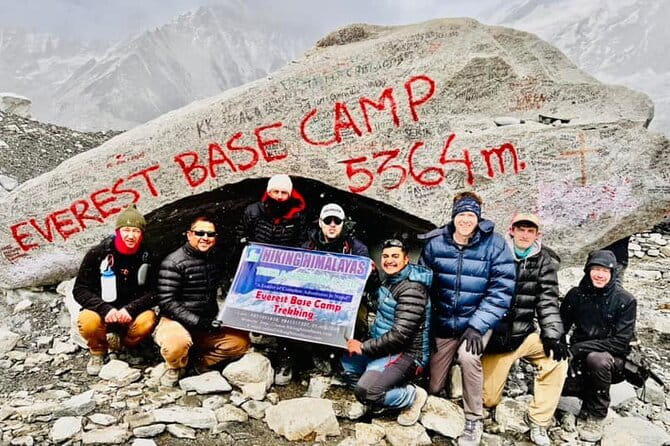
You’re looking at a classic Khumbu route with real altitude work: you’ll start around 2,850m at Lukla, move through Sherpa villages and tea-house lodges, and work your way up to Everest Base Camp (5,364m). Along the way, the trip uses rest and acclimatization days (like Dingboche) rather than forcing a straight grind upward. If you’re not fit for long trekking days and high elevation, you may struggle with the pace.
This is also a private trekking tour, so your group stays together and you’re not shuffled into a mixed crowd. It’s scheduled with a meeting time of 6:15am at Tribhuvan Airport in Kathmandu, so your day starts early—especially on flight-heavy days.
In This Review
- Key Things I’d Tell Friends About This Everest Base Camp Trek
- Kathmandu to Lukla: The Early-Day Plan That Sets the Tone
- Lukla to Phakding: First Steps Up the Dudh Koshi Valley
- Phakding to Namche Bazar: Bridges, Checkpoints, and a Big Step Up
- Namche and Everest View Point: Acclimatize Like You Mean It
- Tengboche to Dingboche: Ama Dablam Shows Up and Changes Your Perspective
- Dingboche Rest Day: Tshola Tsho and Optional Altitude Work
- Toward Lobuche, Gorakshep, and the Khumbu Glacier
- Everest Base Camp Day: The 5,364m Goal and the Glacier Route
- Kala Pathar Early Morning: The Most Climactic View on the Route
- The Return: Pheriche Back Through Tengboche Toward Lukla
- Flights Back to Kathmandu and Your Final Day at the Airport
- Price and Value: What You’re Actually Paying For
- Guides, Food, and Real-World Trekking Pace
- Practical Planning: Make the Most of a High-Altitude, Lodging-Heavy Trek
- Who Should Book This Everest Base Camp Trek?
- Should You Book Hiking Himalayas for Your EBC Trek?
- FAQ
- Where is the meeting point and what time does the trek start?
- Are flights to Lukla included?
- What kind of accommodation do I get during the trek?
- Is an English-speaking guide included?
- Do I need permits for the trek?
- How are porters handled on this trek?
- What meals are included?
- Is Kathmandu accommodation included?
- Do I need travel insurance?
- What’s included in the Nepal entry visa cost?
- Is hot shower access included?
- What’s the cancellation refund rule?
Key Things I’d Tell Friends About This Everest Base Camp Trek
- Private guiding with English support plus included first-aid kit and official permits
- 2:1 porter support (2 trekkers to 1 porter), which matters once you’re tired at altitude
- Included round-trip Lukla flights, saving you from complicated start logistics
- Acclimatization days built in, including a rest day at Dingboche and an optional climb toward Nagarjun
- Two huge viewpoint hits: Everest View Point and Kala Pathar (5,565m)
- Everest Base Camp day that’s glacier-country, not just a simple stroll
Kathmandu to Lukla: The Early-Day Plan That Sets the Tone
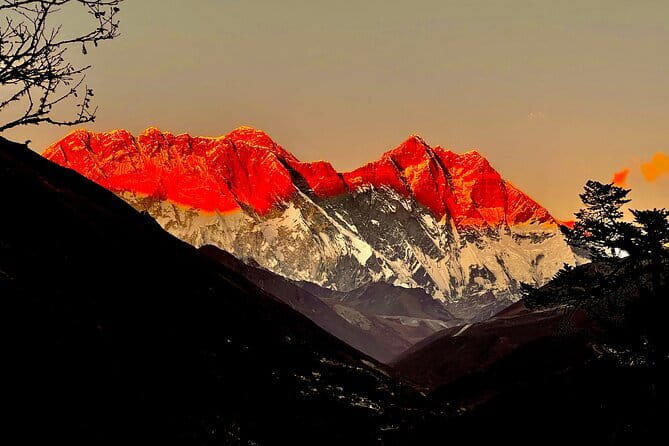
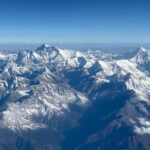
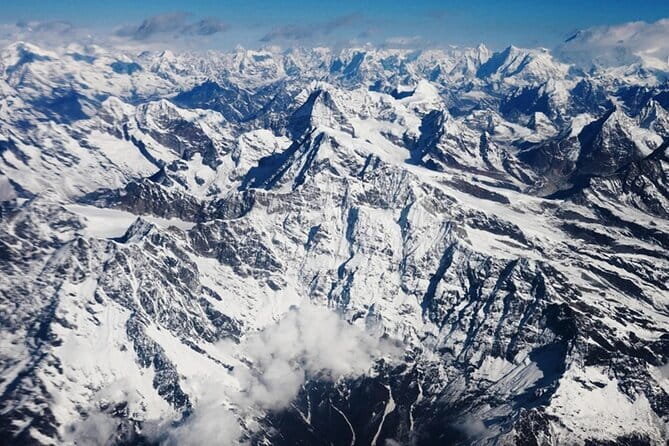
Your trek starts in Kathmandu, with the official meeting point at Tribhuvan International Airport and a 6:15am start time. On the first day, expect travel nerves to mix with excitement: the itinerary includes a flight into Kathmandu on a clear day, where you can catch panoramic mountain views right away. That matters because the trek is such a big change—once you’ve seen the peaks from above, the whole route feels real.
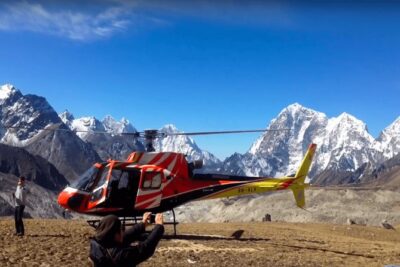
Then comes the steep reality check: you fly from Kathmandu to Lukla, landing on a famously challenging runway before you even start walking. That flight is included both ways, which is a major value point. For a trek like this, the flights aren’t just transportation—they’re one of the hardest parts of the trip to coordinate on your own, especially with weather.
What to watch for: Lukla flights can be weather-dependent in general, and this itinerary relies on those scheduled travel days. The good news is that the tour includes the flights and taxes, so you’re not trying to fix last-minute transport yourself.
You can also read our reviews of more hiking tours in Kathmandu
Lukla to Phakding: First Steps Up the Dudh Koshi Valley
On Day 2, you start at Lukla (2,850m) and trek into Phakding (2,656m) along the Dudh Koshi Valley. Even though you’re moving upward in the bigger picture, that first day is designed to get you into the rhythm without overcooking your body.
You’ll walk a well-marked trail and overnight in Phakding, which is exactly what you want at the beginning: time on your feet, but not yet the hardest climbing. The route also makes you practice the basics—steady pace, water breaks, and not rushing just because the views are tempting.
Why this day is valuable: early comfort matters. If you start too fast, altitude fatigue hits sooner later.
Phakding to Namche Bazar: Bridges, Checkpoints, and a Big Step Up
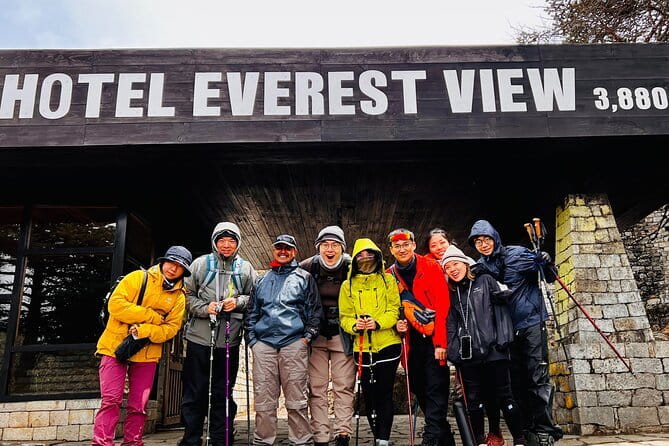
Day 3 pushes you toward Namche Bazar with a lot of river-crossing on high-suspension bridges. Those bridges are more than scenery—they’re a good warm-up for the trek’s walking conditions: uneven ground, gusty air, and the constant need to watch your footing.
After Monjo at 2,845m, the trek enters Sagarmatha National Park, which is included via permits. This matters for two reasons: it supports conservation efforts, and it keeps your route legitimate and properly managed. Namche is also a practical hub, with lodges, tea shops, and souvenir spots, which helps when you need a predictable place to rest, eat, and reset.
Possible drawback: suspension bridges can feel exposed if you’re uneasy at heights, even if the route is well-used.
Namche and Everest View Point: Acclimatize Like You Mean It
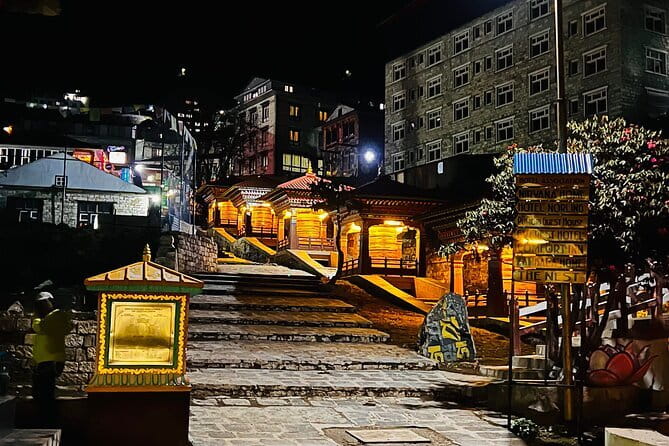
Day 4 is a rest and acclimatization day. You stay in Namche and include a visit to Everest View Point, so you’re not just sitting around—you’re using the day to “learn” altitude with less strain.
Namche sits between ridges with giant peaks around it, which means your reward is quick: big views without a huge physical push. This is exactly how a good acclimatization day should work. You get movement, but you keep it controlled.
Why I like this approach for most people: a rest day like this reduces the odds of feeling wrecked on the steep days to come. It’s also mentally helpful. After a long first climb and bridge crossings, it’s reassuring to have a calmer day scheduled.
Tengboche to Dingboche: Ama Dablam Shows Up and Changes Your Perspective
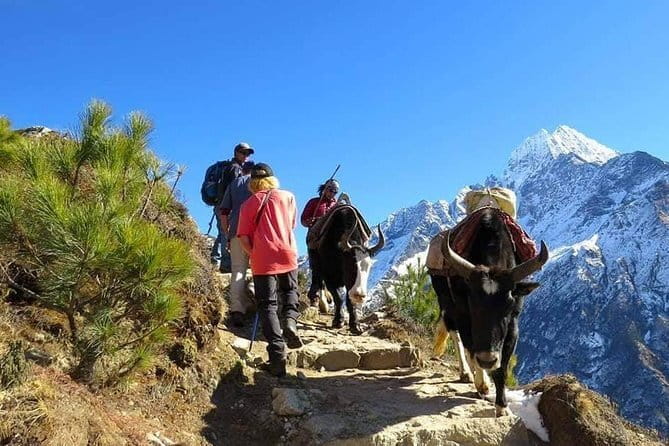
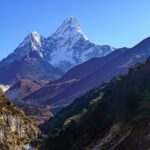
Day 5 takes you toward Tyangboche, where the trail contours above the Dudh Kosi. This is where you start getting the “real” Khumbu view set: Everest, Lhotse, Nuptse, and Ama Dablam show up clearly on the route.
Tyangboche’s bigger advantage is the combination of trekking and spiritual geography—villages, trail cues, and mountain presence all at once. Then Day 6 continues upward toward Pangboche (3,985m) and the Imja Khola crossing area, with exceptional views of Ama Dablam.
You’ll also pass key cultural landmarks: the gompa and mani walls, which give the trek a sense of place beyond altitude goals. In other words, you’re not only chasing numbers on a gauge—you’re walking through a living community.
What to consider: as you climb, walking gets slower. That’s normal. If you try to match your early-day pace, your energy can disappear fast.
Dingboche Rest Day: Tshola Tsho and Optional Altitude Work
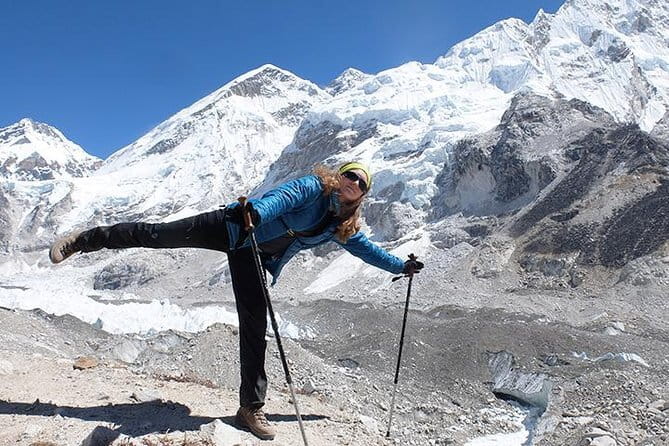
Day 7 is another acclimatization-focused day, anchored in Dingboche. You’ll have time to wander up the valley and visit Tshola Tsho (4,510m), plus you’ll see the towering walls of Cholatse and Taboche.
There’s also an option to climb higher toward Nagarjun (around 5,100m). This kind of optional push is useful because it lets you find your own comfort level while still following the basic acclimatization idea: go up a bit, then keep your recovery smart.
Why this works well: climbing higher with a plan improves your comfort on the next stage, especially before the glacier area.
Toward Lobuche, Gorakshep, and the Khumbu Glacier
Day 8 continues upward to Lobuche, with a steep climb toward the foot of the Khumbu Glacier. You’ll stop for lunch at Duglha (4,620m), which is a good reminder that even “hard terrain days” still build in breaks.
Day 9 is where things turn truly alpine. You reach Gorakshep (5,164m) and continue over terrain that’s tied closely to the glacier. The itinerary describes the path as forced to rise to cross a tributary glacier, and later it leads you onward toward Everest Base Camp.
Why this section feels different: it’s not just higher—it’s more exposed. The air is thinner, footing gets more careful, and the environment feels stark and glacier-driven.
Everest Base Camp Day: The 5,364m Goal and the Glacier Route
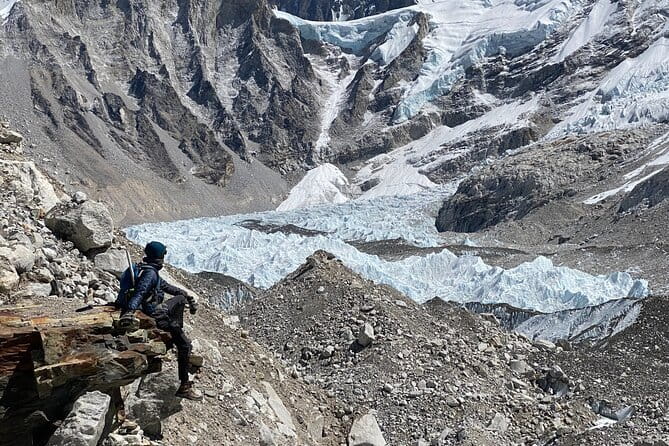
On Day 9, later in the afternoon, you go to Everest Base Camp (5,364m). The walking time listed is around 5 hours, and the route description includes ice pinnacles and passing by crevasses. That’s a key point: this isn’t a stroll to a viewpoint. You’re moving through real glacier-country terrain and it demands attention.
You’ll also return later, and there’s an option to take a higher route for a more spectacular view on the way back. That flexibility can matter if you’re feeling good and want extra scenery without rushing to beat a clock.
Possible drawback: glacier terrain can feel mentally intense. If you’re prone to anxiety on exposed paths, remind yourself that your guide is there for exactly this kind of decision-making.
Kala Pathar Early Morning: The Most Climactic View on the Route
Day 10 starts with an early hike to Kala Pathar (5,565m), described as one of the finest viewpoints of Mount Everest, with surrounding peaks like Nuptse, Amadamlam, Pumari, Lola, Lhumbute, and others. This is one of those days where timing matters. Going early usually means you can see more clearly and avoid the day-warmth that can blur visibility.
After Kala Pathar, you mostly trek downhill back toward Duglha and then continue to Pheriche. This is where the trek flips from “climb and test” to “lower the stress on your body.” Downhill can still be tough on knees, but it’s typically easier on altitude fatigue.
The Return: Pheriche Back Through Tengboche Toward Lukla
Day 11 continues the descent process and heads toward Tengboche (3,860m). The route follows the river and climbs through birch and rhododendron forest—a welcome change from the stark glacier scenery. The view list is still strong, with Kwangde, Tawache, Everest, Nuptse, Lhotse, Ama Dablam, Kantega, and Thamserku referenced along the way.
Day 12 is the final trekking day back to Lukla (around 2,800m), following the Dudh Kosi down. The itinerary also mentions a celebration with your Sherpa guide and team once you reach the end of the trekking portion. After days of careful pacing and constant altitude adjustment, that last night matters.
Flights Back to Kathmandu and Your Final Day at the Airport
Day 13 includes a flight from Lukla back to Kathmandu, and then you get a free rest of the day. That’s when you can reset—shopping, last packing, or just eating something that doesn’t come from a lodge menu.
Day 14 has the support team taking you to Tribhuvan International Airport for your flight home. The trip is built to close cleanly, so you’re not trying to solve transportation while your body is still tired.
Price and Value: What You’re Actually Paying For
The price listed is $1,420 for about 14 days. For an Everest Base Camp trek, that cost is mainly driven by the things that are hard to arrange independently:
- Round-trip Lukla flights (including departure taxes)
- Certified professional guide (English speaking)
- Porter support with the 2 trekkers to 1 porter ratio
- Permits and government office service charges
- Lodge-to-lodge accommodation during the trek
- A chunk of meals (included breakfasts and dinners plus the lunches)
That’s the big value story: you’re paying for time saved and friction removed, especially around flights, permits, guides, and day-to-day logistics.
What costs extra that you should budget for:
- Kathmandu food and accommodation: $45 per day
- Travel insurance (not included)
- Nepal entry visa: USD 40 for 30 days, available on arrival
- Drinks and snacks
- Hot shower during the trek: USD 5 per person
- Tips/gratuities for trekking staff and drivers
- International airfare to Nepal
- Personal trekking equipment
If you’re comparing tours, don’t just compare the headline number. Ask yourself whether the total budget includes Kathmandu nights, insurance, and a realistic amount for personal spending.
Guides, Food, and Real-World Trekking Pace
One of the most praised parts of this trekking experience is the human support. Names that show up in guide experiences include Hari, Kapil, and Namo, and multiple mentions point to calm professionalism and careful attention to both physical and mental well-being. There’s also mention of porters Ram and Mongol being excellent, which is a big deal for comfort on longer days.
Food and lodge comfort also come up positively. One highlight is that arrangements were described as good, with comfortable rooms and solid meals. That matters because on a trek like this, you don’t just need views—you need a place to recover.
Pacing is another key value. One of the notes from people who successfully finished the trek focused on pace that supported acclimatization, not just speed. That’s how you avoid the common trap: moving fast early, then suffering later.
Practical Planning: Make the Most of a High-Altitude, Lodging-Heavy Trek
This tour is for people with strong physical fitness. The trekking days listed include multiple days of about 10 hours on foot. That’s long enough that your stride and endurance matter more than anything fancy.
Also remember:
- You’ll be moving through multiple altitude bands, with the trek reaching up to Kala Pathar (5,565m) and Everest Base Camp (5,364m).
- You should expect big early mornings on key days, especially for Kala Pathar and for flight-related schedules.
- Lodging is twin sharing during the trek, in the “best available” category the operator provides.
On the comforts side, hot showers aren’t automatically free during the trek. The itinerary lists a $5 per person cost for a hot shower. Build that into your day-to-day expectations so you aren’t surprised later.
Who Should Book This Everest Base Camp Trek?
This is a strong fit if you want:
- A private trek where your group stays together
- An English-speaking guide and porter support built into the price
- A route with scheduled acclimatization (including a Dingboche rest day)
- A reliable logistics setup for Kathmandu–Lukla flights and permits
It’s also a good match if you’re traveling with family or mixed comfort levels on hikes, since guide support is mentioned in contexts that include children. Still, the trek requires fitness. If you’re uncertain, be honest with yourself about whether you can handle long trekking days and thin-air challenges.
Should You Book Hiking Himalayas for Your EBC Trek?
I’d book this trek if you want a well-supported Everest Base Camp route where the tough parts—flights, permits, guide logistics, and porter planning—are handled for you. The strongest reasons to say yes are the guide support names that show up repeatedly (Hari, Kapil, Namo), the emphasis on safe pace, and the fact that lodge-to-lodge trekking logistics are included.
I’d hesitate if you dislike early starts or you’re trying to keep the trip budget ultra-tight, because Kathmandu nights and personal spending add up fast. But if you’re budgeting realistically and you’re physically ready, this looks like a solid, value-minded way to reach Everest Base Camp and stand at Kala Pathar.
FAQ
Where is the meeting point and what time does the trek start?
You meet at Tribhuvan Airport in Kathmandu at 6:15am.
Are flights to Lukla included?
Yes. Round trip flights from Kathmandu to Lukla and Lukla to Kathmandu are included, including departure taxes.
What kind of accommodation do I get during the trek?
You get lodge-to-lodge accommodation in best available twin sharing lodges during the trekking days.
Is an English-speaking guide included?
Yes. The tour includes one professional English-speaking certified guide.
Do I need permits for the trek?
Yes, and the necessary permits are included.
How are porters handled on this trek?
An essential porter is included with a ratio of 2 trekkers to 1 porter. Porter services, including food, accommodation, and insurance, are described as included.
What meals are included?
The package includes 13 breakfasts, 11 lunches, and 11 dinners during the trek.
Is Kathmandu accommodation included?
No. Kathmandu food and accommodation are not included, at about $45 per day.
Do I need travel insurance?
Travel insurance is not included.
What’s included in the Nepal entry visa cost?
A Nepal entry visa can be obtained at the airport upon arrival for USD 40 for 30 days, but it’s not included in the tour price.
Is hot shower access included?
No. Hot shower access during the trek costs USD 5 per person.
What’s the cancellation refund rule?
There is free cancellation. You can cancel up to 24 hours in advance for a full refund. If you cancel less than 24 hours before the start time, the amount is not refunded.