REVIEW · EVEREST BASE CAMP TREKS
Everest Base Camp Helicopter Tour
Book on Viator →Operated by Himalayan Adventure Treks and Tours Pvt Ltd · Bookable on Viator
A morning flight to the roof of the world. This Everest Base Camp helicopter tour is built for people who want the big Everest sights without days of trekking, with tight planning and a smooth Kathmandu-to-mountain flow. I love the small-group cap of up to 10 travelers, and I also like that return helicopter transfers are included, so you’re not piecing the trip together yourself.
The main thing to think about first is the added cost and timing: breakfast at the Hotel Everest View and park-related fees cost extra, and the schedule depends on good weather.
In This Review
- Key points before you go
- Why this Everest Base Camp helicopter option works for time-crunched travelers
- Kathmandu at 5:30 am: the drive, the airport, and the boarding rush
- The Hotel Everest View breakfast stop: a high-altitude morale booster
- The helicopter flight to Everest Base Camp: what you’re really paying for
- Kalapatthar: a short photo window with big returns
- Price and value: why $3,000 can still make sense
- Small-group comfort: what up to 10 people changes
- Weather rules and how to plan your expectations
- Who should book this Everest Base Camp helicopter tour
- Should you book it?
- FAQ
- What time does the Everest Base Camp helicopter tour start?
- How long is the tour?
- What areas does the helicopter route cover?
- Is pickup from my Kathmandu hotel included?
- What’s included in the price?
- What is not included?
- Is breakfast included?
- What is the maximum group size and the weight limit per passenger?
Key points before you go
- Up to 10 people means a calmer, more personal feel than big group tours
- Return helicopter transfers help you maximize actual time in the Everest region
- Hotel Everest View breakfast is part of the experience, but it’s listed as an extra cost
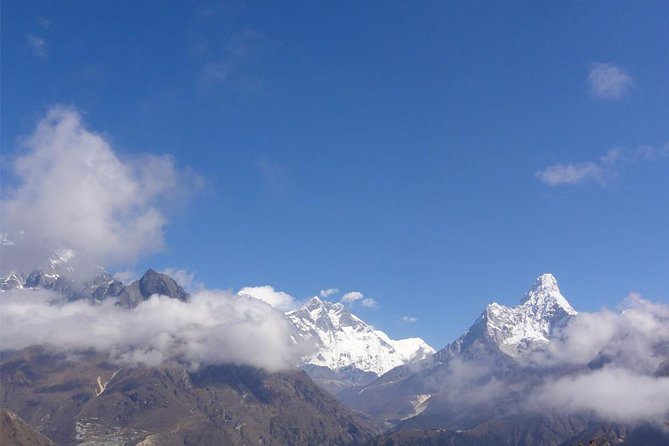
- Syangboche to Base Camp approach gives you classic Everest angles without trekking
- Kalapatthar photo window (5–10 minutes) is short, so your timing and camera settings matter
- 176 lbs per passenger weight limit is a key practical item to confirm early
Why this Everest Base Camp helicopter option works for time-crunched travelers
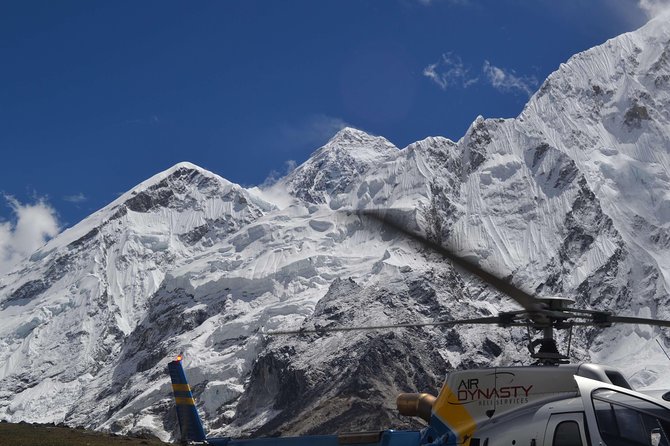
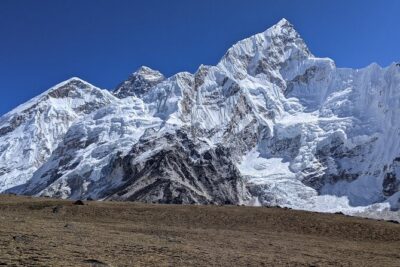
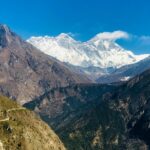
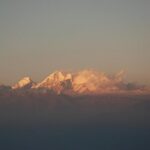
If Everest has been on your wish list, but trekking is not realistic, a helicopter day can feel like cheating in the best way. You still get the altitude drama, the jaw-drop scale, and the Everest skyline that keeps people coming back. You just trade multi-day hiking for a fast, high-impact route through Nepal’s Sagarmatha National Park area.
This kind of tour is especially good for first-time visitors to Nepal. You get a big hit of what makes the Himalaya special, with less time spent figuring out logistics than you would on a longer trek. It also makes sense if mobility is limited, since the core “work” here is done by the helicopter and ground transfers.
Now, let’s keep it real: this is not a deep-cultural, slow-travel day. It’s a sight-focused run. If you’re the type who likes long pauses, lots of walking, and lingering at viewpoints, you may find the pacing too quick. If you want maximum Everest return on a half-day schedule, the setup is very hard to beat.
You can also read our reviews of more tours and experiences in Kathmandu
Kathmandu at 5:30 am: the drive, the airport, and the boarding rush
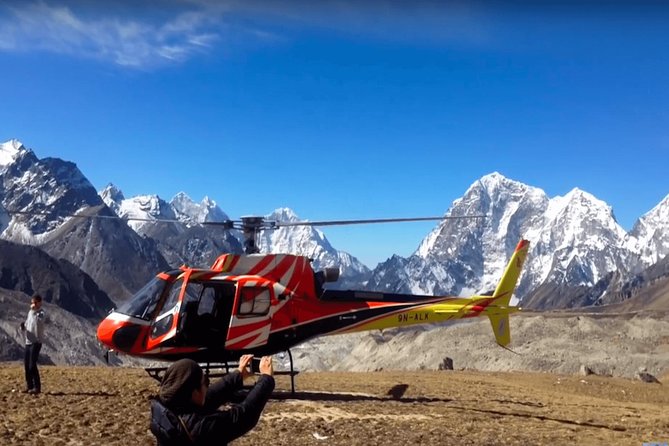
The day starts early, with the start time listed as 5:30 am. You’ll be picked up from your Kathmandu hotel and driven to the airport, a trip that takes about 20 to 30 minutes. That early timing matters because helicopter operations are weather-sensitive, and companies need a buffer to keep things on track.
Once you reach the airport, you’ll go through the boarding process before your flight. The “small group” size (max 10) is helpful here because you’re usually not herding dozens of people. Still, expect this to feel structured and quick, not relaxed.
A detail I think you’ll appreciate: this tour includes return transfers. That means once the day starts, you’re not scrambling for backup transport when you’re tired and it’s late morning. The whole experience is built around moving you efficiently between Kathmandu and the mountain air.
The Hotel Everest View breakfast stop: a high-altitude morale booster
One of the most memorable parts of this tour is the breakfast component at the mountain-side Hotel Everest View area. Your schedule has you flying up to the Everest region and then enjoying what’s described as an “organic breakfast.” Even if you’ve done other travel days that include breakfast, this is a different category.
Two things to know up front. First, the breakfast at Hotel Everest View is not listed as included, and it’s also flagged as a cost add-on in the tour info. Second, the very fact that breakfast happens at such a high altitude is exactly why it matters. It’s not just food. It’s the moment you go from watching Everest on postcards to feeling how close you are to the mountains’ scale.
If you’re considering this tour mainly for the views, breakfast is also a smart timing choice. You’re up high, you have clear sightlines, and the “Eureka” moment lands when you’re not yet rushing to the next flight segment.
The helicopter flight to Everest Base Camp: what you’re really paying for
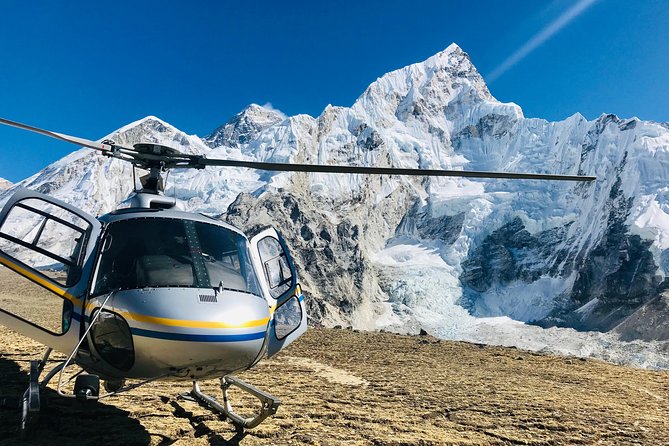
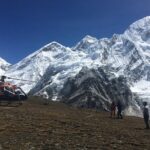
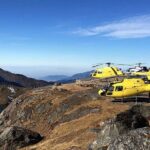
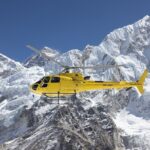
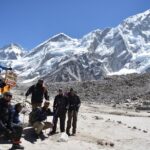
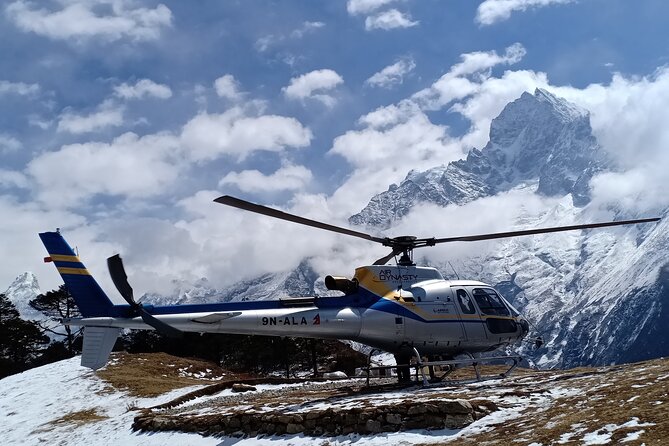
After breakfast, your route shifts toward Everest proper. The plan is to fly from Syangboche to Everest Base Camp, then do a helicopter round with the goal of showing you as much as possible.
This is the heart of the value proposition. In a trekking itinerary, reaching Base Camp takes days of climbing time, planning, and logistics. Here, you’re buying the shortcut: helicopter time that delivers Everest angles in a fraction of the effort and schedule.
The trade-off is time on the ground. You’re not spending hours walking the way hikers do. Instead, you’re getting brief but concentrated viewing opportunities. The upside: you still get the emotional payoff of Base Camp area access and the classic Everest silhouette that makes people stop mid-sentence.
Also, the tour includes landing and facility fees, which is one of those unglamorous details that keeps the day from turning into a surprise expense quiz.
Kalapatthar: a short photo window with big returns
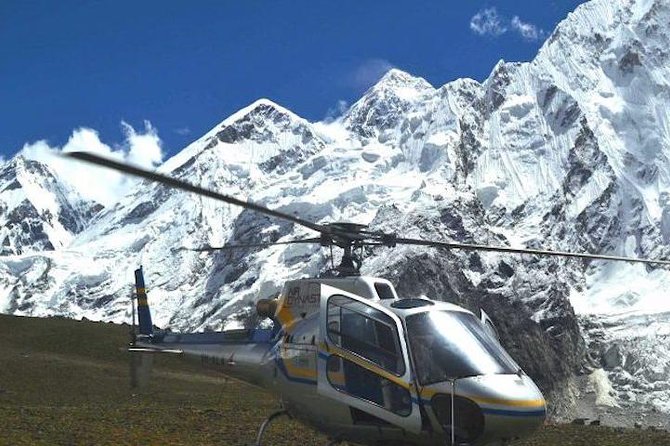
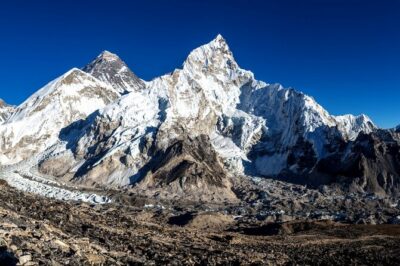
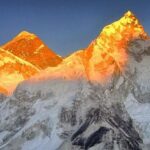
Kalapatthar is where a lot of Everest helicopter days go to finish strong. Your schedule gives 5 to 10 minutes there for pictures. That’s brief, but it can work if you plan like a photographer, not like a tourist with a slow phone camera.
Here’s my practical advice: before you ever leave Kathmandu, decide what you want your hero shot to be. Do you want a wide mountain frame, a person-in-front-of-Everest moment, or a shot that includes the Base Camp area? Once you’re at Kalapatthar, you’re dealing with altitude, cold air potential, and short time.
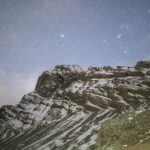
Why this matters: Kalapatthar’s payoff is visual. You’re there for the viewpoint geometry and the grand view, not for a long sit-down. A quick stop forces focus, and in a tour built around helicopters, that focus is part of the design.
This is also one place where the company’s organization can make or break the day. One theme from strong experiences with this operator is that the timing and landing experience is handled well, and that’s exactly what you’re hoping for when you only get minutes instead of hours.

Price and value: why $3,000 can still make sense
At $3,000 per person, this is not a “try it once” activity for most budgets. So the question is value, not sticker shock.
You’re paying for:
- helicopter airfare (and associated fees like landing/facility charges)
- hotel-to-airport pickup and return
- fuel surcharge
- a route that compresses a huge chunk of trekking effort into a single day
On the other hand, you should expect add-ons because the tour info is clear about what’s not included. National park permits cost extra, and Khumbu valley fees are not included. Also, breakfast at Hotel Everest View is listed as extra. Travel insurance is not included either.
So your real cost is: base price plus the on-the-day extras you choose or are required to purchase (permits, breakfast, and Khumbu valley fees). If you’re already paying for guides and permits for a longer trek, the math can shift. If you’re not planning any trek at all, the helicopter day becomes the main paid delivery method for Everest access.
The value equation gets even better if you’re traveling as a family or group who would otherwise spend significant money on alternative logistics (extra days in Kathmandu, expensive internal transport, and changing plans due to weather). The tour’s small-group structure can also be part of why it feels smoother than larger operations.
Small-group comfort: what up to 10 people changes
A max group size of 10 travelers sounds like a detail until you’re standing in the cold at dawn or moving through a tight airport process. Fewer people can mean less waiting, easier coordination, and less chaos when the helicopter is loading.
It also tends to make the day feel more personal. In experiences with this operator, the communication style is often highlighted, including constant contact with the representative and guide support. One guide name tied to this kind of coordination is Bhagwat Simkhada, who appears in messages and responses linked to the company’s service.
Does that guarantee a flawless day? No. Weather still rules. But good communication reduces the most painful part of early departures: not knowing what happens next.
Weather rules and how to plan your expectations
This tour requires good weather. That’s not a marketing line. It’s a reality of flying in the Everest region, where cloud cover and visibility can change quickly.
The tour info also notes that if the experience is canceled due to poor weather, you’ll be offered a different date or a full refund. In practice, that means your itinerary flexibility matters. If you’re in Kathmandu for only a day or two with no backup, build in breathing room if possible.
Also remember: the helicopter flight time is listed as about 4 hours, but the full experience is 4 to 6 hours total. Transfers, boarding, and any weather-related holds can shift the day. You’ll be happiest if you treat it like a half-day adventure with a fixed early start, not a tightly timed city sightseeing block.
Who should book this Everest Base Camp helicopter tour
This is a strong fit if:
- You want Everest views but don’t have days for trekking
- You’re a first-time visitor to Nepal and want one unforgettable Everest day
- You’re prioritizing efficiency and comfort over long walks
- You like organized plans with a small group structure
- You want a “wow” moment that doesn’t require weeks of preparation
It may not be the right fit if:
- You enjoy long, slow exploration at sites
- You’re on a strict budget that can’t handle helicopter pricing plus permits and breakfast add-ons
- You’re uncomfortable with short viewing windows like the 5–10 minutes at Kalapatthar
- You fall outside the stated practical limits, including the 176 lbs per passenger weight limit listed in the tour info
Should you book it?
I’d book this tour if you have Everest on your bucket list and your schedule, mobility, or energy says no to trekking. The helicopter route, the return transfers, and the small-group limit all support a smoother day than most people can manage independently. The breakfast stop at Hotel Everest View also gives you a morale boost and a classic “I made it” mountain moment.
Skip or pause if budget add-ons could surprise you. The tour price is only part of the final number once you account for permits, Khumbu valley fees, and breakfast. Also, be honest with yourself about time. This is a concentrated viewing day, not a long expedition.
If you do book, go in with a simple game plan: charge your camera, decide what photos you want before Kalapatthar, and treat the early start as part of the adventure, not an inconvenience.
FAQ
What time does the Everest Base Camp helicopter tour start?
The start time is listed as 5:30 am.
How long is the tour?
The total duration is listed as 4 to 6 hours (approx.).
What areas does the helicopter route cover?
The plan includes flying to the Everest region, then to Everest Base Camp, with a stop for Kalapatthar (about 5 to 10 minutes for photos).
Is pickup from my Kathmandu hotel included?
Yes. The tour includes airport pick/drop from the hotel.
What’s included in the price?
Included items are helicopter airfare, fuel surcharge, landing and facility fees, and airport pick/drop from your hotel.
What is not included?
Not included are Khumbu valley fees, breakfast in Hotel Everest View, travel insurance, airport tax, and any personal expenses not mentioned by the company.
Is breakfast included?
Breakfast at Hotel Everest View is not listed as included. The info notes that breakfast is an extra cost.
What is the maximum group size and the weight limit per passenger?
The tour has a maximum of 10 travelers, and the listed total weight per passenger is 176 lbs.