REVIEW · CHITWAN SAFARI TOURS
Wildlife Adventure in Chitwan Nepal
Book on Viator →Operated by Nepal Mountain Club Pvt Ltd · Bookable on Viator
Chitwan gets wild fast. This pre-planned package takes you from Kathmandu or Pokhara straight into Chitwan National Park with safaris, river time, and Tharu cultural stops. I like the way the itinerary mixes wildlife with real village and culture moments, instead of treating everything like a nonstop game drive.
Two things I especially like: the package includes licensed safari guiding plus park fees, so you are not hunting down details on the fly. I also like that it’s built around fixed options—1-night, 2-night, or 3-night—so you can match Chitwan to your schedule. One drawback to consider: if meeting and handoff details are mishandled, you can end up stuck after the bus ride, so confirm your pick-up plan clearly before you go.
In This Review
- Key things to know before you book
- Chitwan safari logistics: value for your time (and your feet)
- Getting there from Kathmandu or Pokhara: the shared bus ride
- What the 1-night / 2-day package actually feels like
- Day 1: village tour, sunset, and museum stop
- Day 2: jeep safari
- The 2-night / 3-day package: canoe + jungle walk + bigger wildlife chances
- Day 1: Tharu village, culture, and getting you set
- Day 2: canoe ride, jungle walk, and bird watching
- Jeep safari block: open grassland and forest
- The 3-night / 4-day package: Rapti River crocodiles and deeper Tharu culture
- Day 1: village tour + visitor center + Rapti River sunset
- Culture program: Tharu dance you can join
- Day 2: longer canoe time + rare crocodile chances
- Day 3: jeep safari with a wider species list
- Day 4: animal breeding centre + visitor center and then back
- Wildlife viewing reality check: how to maximize your odds
- Tharu culture: more than a performance
- Food, comfort, and what’s included (so you can plan ahead)
- Price and what you should compare before paying
- The one red flag to take seriously: pickup and communication
- Should you book this Chitwan safari package?
- FAQ
- What time does the tour meet in Kathmandu or Pokhara?
- How long is the bus transfer to Chitwan?
- Are transfers included from the hotel?
- What wildlife activities are included?
- Do you visit Tharu villages and get cultural programming?
- Is there time for bird watching?
- What is included in the price?
- What is not included?
- How does cancellation work?
Key things to know before you book
- Shared bus transfers, hotel handoffs: a 4–5 hour transfer from Kathmandu or Pokhara, then pickup and transfer to your hotel in Chitwan.
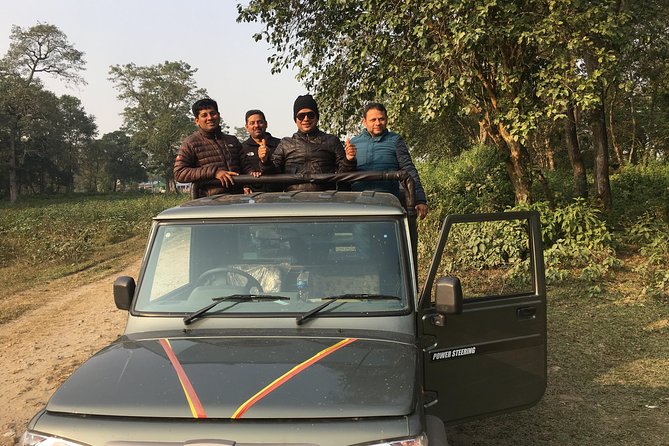
- Jeep safari focus: scheduled jeep time on open grassland and forest, with chances to spot rhino, deer, and other mammals.
- Canoe time on the Rapti River: great for birds and crocodiles, not just scenery.
- Tharu culture in multiple forms: village visits and cultural programs including Tharu stick dance.
- Visitor center and breeding center stops: helpful context for how the park protects wildlife.
- Private group for the activities: only your group participates, even though the bus transfer is shared.
Chitwan safari logistics: value for your time (and your feet)
Chitwan National Park is one of those places where timing matters. Wildlife often shows up early or late, and the best chance comes when you’re already positioned where the rangers and guides take the groups. This package is designed for that reality: you meet at 6:30am in the Thamel area of Kathmandu or the Lakeside area of Pokhara, then go by shared bus to Chitwan.
Here’s the value angle for you: you’re not wasting precious daylight figuring out transportation, park access, and the sequence of safari activities. The tour also includes hotel pickup/drop, accommodations, and park and conservation area fees. That means fewer surprise costs and fewer last-minute calls.
Now the practical part. In Chitwan, you’ll do some walking during jungle walks and village visits. The trip notes you should have moderate physical fitness, so if you hate uneven ground or long stretches, plan accordingly. You’ll be on your feet more than a pure urban sightseeing tour.
You can also read our reviews of more tours and experiences in Kathmandu.


Getting there from Kathmandu or Pokhara: the shared bus ride
The itinerary starts with a straightforward plan: meet at your hotel reception in Kathmandu (Thamel) or Pokhara (Lakeside), then transfer to the bus station. The bus ride is about 4–5 hours to Chitwan, described as scenic and shared, meaning you’ll share the ride with other guests.
When you arrive, the package says you’ll be picked up from the arrival point and transferred to your hotel. At the end of your safari, you’ll return to the bus station for a 5–6 hour shared ride back to Kathmandu or Pokhara.
One thing to watch for: the success of this kind of program depends on handoffs going smoothly. There has been at least one reported case where no one met a guest after the bus ride, leaving them stranded. You can reduce that risk fast by doing two simple things:
- Double-check your exact pickup point and the driver’s or representative’s contact number before you board.
- Keep your phone charged and ready when you land in Chitwan, since communication is what saves your schedule.
What the 1-night / 2-day package actually feels like
If you only have a short window, this version is built for momentum. It covers a village tour plus sunset and museum time, then ends with a jeep safari.
Day 1: village tour, sunset, and museum stop
You’ll start with a village tour, then enjoy sunset and a museum tour. The museum piece matters more than you might think. Chitwan is not just about seeing animals; it’s about understanding how people and habitat interact in the region. This helps your later sightings make sense.
Then you get cultural programming, including a Tharu stick dance. This is a great choice for first-timers because it gives you a quick cultural snapshot without requiring a full multi-day stay.
A note on pacing: this short package tries to fit a lot into the first day. If you’re sensitive to rushed schedules, go slow in the village segments—ask questions, watch quietly, and let the experience land.
Day 2: jeep safari
The second day is where your odds improve. You get a jeep safari, and the overall program is framed around spotting wildlife like rhino and deer, plus other animals you might encounter in the park.
With only two days, you’re basically buying time for one concentrated safari block. That’s not a bad trade. For many people, Chitwan’s value is that first real look at the park’s wildlife and tracks and behavior.
The 2-night / 3-day package: canoe + jungle walk + bigger wildlife chances
This is the most balanced option if you want both animal time and river time without feeling like you live in a vehicle.
Day 1: Tharu village, culture, and getting you set
You’ll visit a Tharu Village, with cultural moments built into the schedule. This part is more than a photo stop. You’re getting first contact with the people who historically share space with this landscape and its wildlife.
Day 2: canoe ride, jungle walk, and bird watching
The canoe ride is described as about 30 minutes and is followed by a jungle walk. This section is a big deal for you if you like birds. The itinerary explicitly calls out bird watching and mentions chances to see rhinoceros, deer, tiger, and many more.
River time tends to change your perspective. On a canoe, you’re quieter, slower, and lower. That helps for birds and for noticing the small signs—calls, movement in reeds, and patterns you don’t catch from a jeep.
There’s also a safety angle worth respecting: jungle walks are still part of an organized tour with guides and staff. Wear shoes you don’t mind getting muddy, and keep your expectations realistic. Chitwan wildlife is wild. Your job is to be attentive, not to force a sighting.
Jeep safari block: open grassland and forest
You’ll do a jeep safari through open grassland and forest, with a focus on looking for rhinos and other wild animals closely but safely. The wording matters: this is not reckless chasing. It’s managed viewing.
If you’re hoping for a tiger, be honest with yourself: you might see it—or you might not. The real win in this package is that you get multiple ways to observe wildlife across different settings: jeep routes plus river and walk time.
The 3-night / 4-day package: Rapti River crocodiles and deeper Tharu culture
If you want the most chances and the most variety, this is the full Chitwan sampler.
Day 1: village tour + visitor center + Rapti River sunset
You’ll do a village tour to a nearby ethnic Tharu village, with firsthand interaction that’s meant to show day-to-day life and lifestyle. Then you’ll visit the National Park Visitor’s Centre to learn about the park history and local wildlife.
The best-feeling moment here is the sunset from the bank of the Rapti River. Sunset over the river is also a natural time for wildlife and birds to become active. Even if you don’t spot a big animal at that exact minute, the calm makes everything feel more real.
Culture program: Tharu dance you can join
You get a Tharu Cultural Dance presentation, and you’ll also participate. If you’ve ever watched cultural dance from a distance, this is more fun because it’s built for audience involvement.
There’s also an option mentioned for a slideshow presentation that showcases Chitwan. That’s useful on evenings when weather or logistics make the dance format harder.
Day 2: longer canoe time + rare crocodile chances
This package keeps the focus on the Rapti River with a canoe ride, positioned as a strong bird-watching window. It also calls out two rare crocodile species you might spot: Marsh Mugger and the fish eating Gharial.
Then comes a little jungle walk, and on the way back you can enjoy the sight of animal bathing playfully (again, not guaranteed, but it’s part of the schedule’s wildlife-style pacing).
Day 3: jeep safari with a wider species list
Your jeep safari here is described as offering chances to see four kinds of deer, rhino, wild bores, monkeys, leopards, sloth bears, and the Royal Bengal Tiger if you are lucky. Even if the big cat doesn’t show, the diversity of potential sightings is what makes a longer safari feel worthwhile.
You also get bird watching for exotic birds and the opportunity to view courtship rituals. That’s a cool reminder: Chitwan is alive even when you’re not staring at a famous predator.
Day 4: animal breeding centre + visitor center and then back
You’ll visit an Animal Breeding Centre and the National Park Visitor’s Center again (the itinerary mentions them as learning stops). These are practical for you because they connect what you see with what conservation actually does.
Then you drive back to the bus station for the return ride.
Wildlife viewing reality check: how to maximize your odds
Chitwan is one of Nepal’s best-known wildlife areas. That said, your best tool is not wishful thinking—it’s good observation and a willingness to enjoy smaller moments.
Here’s how to think about your chances based on the way this itinerary is structured:
- Rhino and deer are the repeated themes, and they’re exactly the kind of animals you can sometimes spot from the jeep routes and open areas.
- Tiger sightings are framed as luck-based in the longer package. That doesn’t make it useless. The value is that you’re out during the best windows with trained guides.
- Birding gets serious time here, especially with canoe and jungle walk segments. You can have a great day even if the big mammals stay hidden.
Also, pay attention to what the itinerary does: it uses multiple environments—river, grassland, forest edges, and walkways. That increases your variety of chances compared to doing only one safari style.
Tharu culture: more than a performance
The Tharu cultural pieces are part of what makes Chitwan feel like a real place rather than a wildlife enclosure. In the shorter package, you get a Tharu stick dance and general cultural programs. In the longer packages, you get deeper village involvement plus a cultural dance that you participate in.
What you’ll likely enjoy most is the difference between a quick show and an actual village visit. A show teaches you how people express themselves. A village visit helps you understand everyday life and why cultural knowledge and wildlife conservation are linked for communities living nearby.
If you want to get more out of it, use a simple rule: ask one question, listen, and don’t turn it into an interview marathon. Let your guide translate and help manage the pace.
Food, comfort, and what’s included (so you can plan ahead)
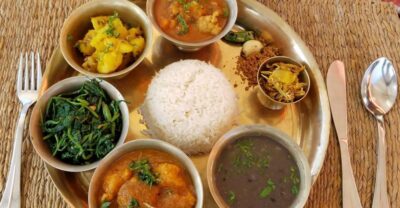
This package includes breakfast, lunch, and dinner during the safari in Chitwan as per itinerary, plus bottled water, and coffee and/or tea. That’s a big deal for budget predictability. You won’t have to think about meal logistics during the days when you’re on the move.
It does not include alcoholic drinks or other drinks beyond what’s listed. So if you rely on bottled drinks, plan to purchase extras as needed.
Comfort tip: safari days can mean early starts and long sitting times in jeeps or canoes. Pack basics you can handle without drama: light layers, sun protection, and water discipline.
Price and what you should compare before paying
The stated price is $139 per person for this Chitwan Wildlife Adventure experience. For a Nepal safari package that includes accommodations, meals, park fees, guides, and round-trip shared bus transfer from Kathmandu/Pokhara, that’s a reasonable starting point.
But your comparison checklist matters. Before you book, make sure you match the price to the night count you want:
- Shorter packages give you one main jeep safari block plus a taste of culture and learning.
- Longer packages add more river time, birding, learning stops, and more structured chances for multiple mammals.
Also, confirm what’s included in your room setup and whether “accommodations” means standard hotel lodging during the nights. The itinerary clearly expects you to have lodging, but it doesn’t specify the exact standard.
The one red flag to take seriously: pickup and communication
This is the part I take most seriously from the available feedback: there has been a reported case where someone wasn’t met upon arrival in Chitwan after the bus ride, causing frustration and a feeling of being left stranded.
That doesn’t mean every trip will go wrong. It does mean you should treat the pickup details like a real safety net. Do not assume a representative will automatically be there without confirmation.
If you want a simple plan:
- Confirm your pickup location at Chitwan before you leave Kathmandu/Pokhara.
- Ask for a contact number for the representative or driver on the day of arrival.
- Keep your booking confirmation ready on your phone (this uses a mobile ticket).
Should you book this Chitwan safari package?
Book it if you want a structured Chitwan experience with licensed guiding, included meals, park fees covered, and a mix of jeep safari + canoe + Tharu culture. The different night options make it easy to choose a pace that fits your trip.
Skip or pause if you hate transfer uncertainty or you need perfect handoffs to feel comfortable. In that case, book only after you’ve confirmed the exact meeting and pickup procedure for both arrival and return.
If you do book, go with the right mindset: you’re not guaranteed a tiger. You are guaranteed a real attempt—organized wildlife time, river birding, cultural contact, and enough variety that the trip stays interesting even on the days when animals are quiet.
FAQ
What time does the tour meet in Kathmandu or Pokhara?
The meeting time is 6:30am, at your hotel reception in the Thamel area of Kathmandu or the Lakeside area of Pokhara.
How long is the bus transfer to Chitwan?
The shared bus journey from Kathmandu or Pokhara to Chitwan is about 4–5 hours.
Are transfers included from the hotel?
Yes. The package includes hotel pickup/drop and shared bus transfers from Kathmandu/Chitwan/Pokhara.
What wildlife activities are included?
The tour includes jeep safari activities, and for the longer itineraries you also get canoe rides and jungle walks, along with bird watching opportunities.
Do you visit Tharu villages and get cultural programming?
Yes. Depending on the package length, you’ll visit Tharu villages and attend cultural programs, including Tharu stick dance and Tharu cultural dance presentations.
Is there time for bird watching?
Yes. Bird watching is included, and it’s especially tied to the canoe ride and other nature segments in the itineraries.
What is included in the price?
Included items list accommodations, breakfast/lunch/dinner, bottled water, coffee and/or tea, park/conservation fees, guides, safari activities, and sharing bus transfers.
What is not included?
The package does not include alcoholic drinks and drinks beyond what’s listed as included.
How does cancellation work?
You can cancel for free up to 24 hours in advance for a full refund. If you cancel within 24 hours of the start time, the amount paid is not refunded.