REVIEW · EVEREST BASE CAMP TREKS
Everest Base Camp Trek – 14 Days
Book on Viator →Operated by Ace the Himalaya · Bookable on Viator
A safe plan makes Everest feel reachable. This 14-day Everest Base Camp trek is built for real hiking, with a guide who’s trained for emergencies and an organized rhythm so you’re not wasting energy on logistics. I like that the trip keeps you focused on the trail and views while someone else handles the tough planning.
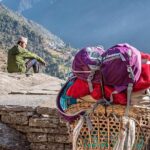
Two things I especially like: you get personalized attention in a group that stays small, and you’re not stuck hauling your own load—porter support for 11 days means your energy goes into climbing, not carrying. The guided pace also matters when air gets thinner.
One possible drawback: the trek is demanding by design. If you’re going solo and there isn’t another person to share your Kathmandu room, there’s a single surcharge of USD 250, and the altitude schedule doesn’t soften for anyone.
In This Review
- Key things to know before you go
- Kathmandu: where the trek starts to feel real
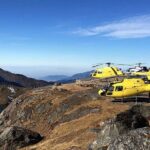
- The Lukla flight, and why Manthali can matter
- On the Dudh Koshi to Namche Bazaar: bridges, prayer flags, and first altitude work
- Tengboche monastery day: altitude gains plus big spiritual atmosphere
- Dingboche and an acclimatization day that actually helps
- Lobuche and the Khumbu Glacier edge: memorials change the mood
- Everest Base Camp: reaching the closest point without mountaineering gear
- Kala Patthar: the hardest reward on the whole trek
- Coming back down: Namche again, and why the descent still counts
- Return to Lukla and the flight back to Kathmandu
- What you actually get for $1,800—and what you still need to handle
- The people factor: guides and porters make this trip feel human
- Who should book this Everest Base Camp trek?
- Quick FAQ
- FAQ
- Do I get picked up in Kathmandu?
- Are meals included during the trek?
- How are flights handled from Kathmandu to start the trek?
- How much luggage can I bring on the domestic flights?
- Is a porter included?
- What if I need to cancel?
- Should you book this Everest Base Camp trek?
Key things to know before you go
Small group feel (max 14 travelers): you’ll get more direct guidance and less crowd energy on the trail.
Emergency-ready leadership: the trekking guide is first-aid trained and government licensed, with evacuation arrangements if things go badly.
Porters for 11 days: you won’t haul luggage up the mountain, which makes a huge difference on sore days.
Water safety on the trail: the package includes filtered water using a Katadyn Pocket Water Filter.
Acclimatization built in: you pause to adjust in Namche Bazaar and again at Dingboche instead of marching straight upward.
Lukla flight routing can shift: during peak times, flights may route via Manthali (Ramechhap) when Lukla flights from Kathmandu are disrupted.
Kathmandu: where the trek starts to feel real
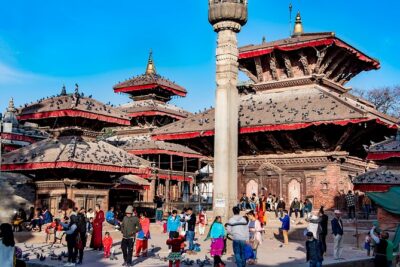
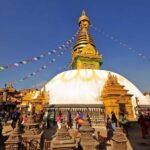
Your journey begins in Kathmandu with an airport representative waiting at Tribhuvan International Airport. Transfers are handled in a private tourist vehicle, and your Kathmandu stay includes two nights in 3-star twin-share accommodation with breakfast. It’s a practical buffer: jet lag and altitude anxiety have a place to land before you fly to the hills.
This is also when you’ll get your pre-trek structure. In places like this, the first briefing is what keeps later days from feeling chaotic. You’ll also get a few helpful items from Ace the Himalaya, including an Ace the Himalaya duffel and a trekking map, plus a sun hat and a completion certificate to take home.
If you’re thinking about comfort, you’ll like the fact that the trek portion includes guesthouse accommodation in key hubs with attached toilets at least in Lukla, Phakding, and Namche. That means you’re not rolling the dice on basic comfort during the busiest stretches.
You can also read our reviews of more hiking tours in Kathmandu
The Lukla flight, and why Manthali can matter
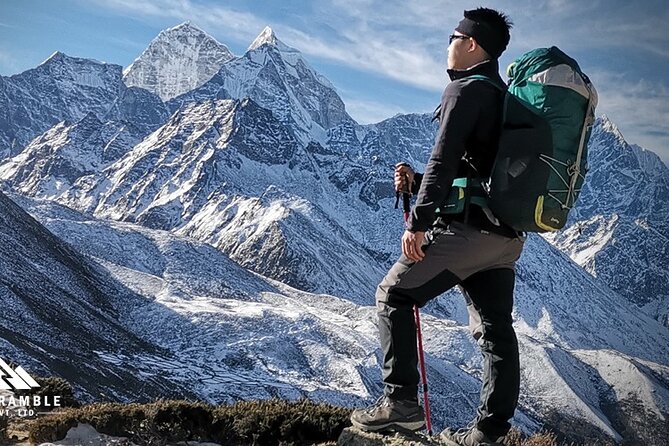
You’ll fly from Kathmandu to Lukla to start the trek, but there’s a real-world twist: flights to and from Lukla can be shifted to Manthali Airport (Ramechhap district) during peak congestion. The most important takeaway is simple: don’t assume you’ll always depart from Kathmandu with a direct Lukla connection.
This kind of routing is common in trekking season. It can add time and change your day, but the tour is already built around the possibility. If you’re the type who hates surprises, this is the one to plan for mentally.
Also note the domestic flight luggage allowance: 15 kg. Your porters carry your trekking load for many days, but the plane still has a weight ceiling, so pack with that number in mind.
On the Dudh Koshi to Namche Bazaar: bridges, prayer flags, and first altitude work
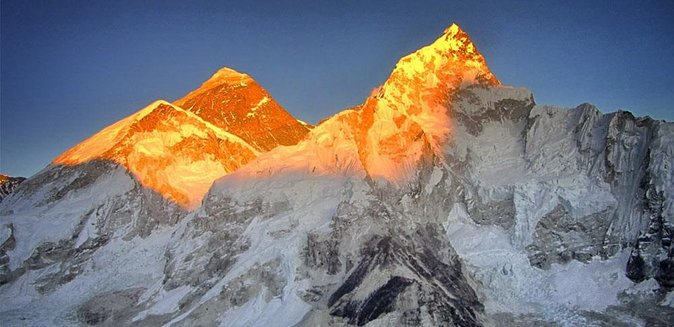
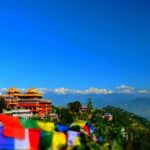
Day 3 moves you along the Dudh Koshi River with frequent suspension bridges draped in prayer flags. This is one of those stretches where your legs get warmed up while your eyes do the exploring. You’re not just walking; you’re getting your body used to the way trails behave in the Khumbu region—up, down, and sideways when the river forces it.
Then you reach Namche Bazaar and the air starts to matter. Instead of pushing high right away, the trip builds in an acclimatization day in Namche on Day 4. You’ll trek a short distance to a Sherpa Museum, a stop that’s easy to miss on faster trips. It’s valuable because it gives context for what you’ll keep seeing on the trail: Sherpa life, Buddhist culture, and the way faith and daily routines blend into the mountain world.
For me, Namche is where Everest stops being a distant headline and becomes a place you can feel. That Sherpa Museum stop helps you understand why the region feels so different from most trekking routes.
Tengboche monastery day: altitude gains plus big spiritual atmosphere
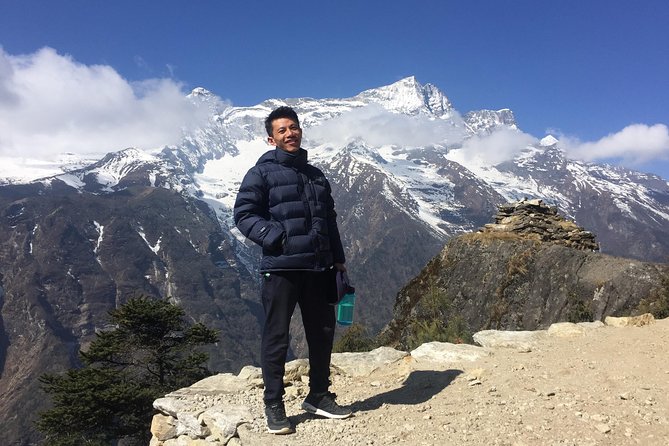
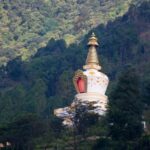
From Namche, the route continues toward Tengboche. You’ll climb to around 3,860m and spend time at Tengboche Gompa (the monastery area). The views here are often the reward everyone talks about, but what I like is that the monastery stop gives your brain a moment of pause in the middle of physical effort.
Inside the monastery are carvings and small details tied to the local faith. You don’t have to be religious to appreciate the focus and calm. It’s also a good reminder that this trek is not only about the summit goal—this region runs on community practices and mountain respect.
A practical note: these days can feel long even when you’re not walking at maximum steepness. Your guide’s job becomes important here, because steady pacing helps you arrive feeling human, not wrecked.
Dingboche and an acclimatization day that actually helps
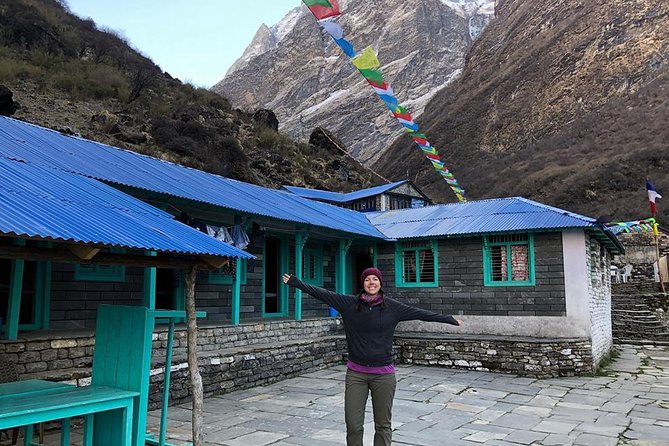
The trek continues through Debuche and climbs onward toward Dingboche, passing more suspension bridges over the Imja Khola and lots of mani stones along the way. You’re building altitude gradually, and the scenery keeps shifting from forested edges to the more exposed mountain terrain.
Then you hit another acclimatization day at Dingboche (Day 7). This is not a rest day in the lazy sense. You’ll take a hike up toward Nangkartshang peak for views, and your body learns how to handle altitude without the cost of pushing toward base camp that day.
That’s a smart design. If you ignore acclimatization, you pay later—maybe with headaches, maybe with poor sleep, maybe with slowed hiking or worse. Here, you’re taught to adjust instead of “toughing it out.”
Lobuche and the Khumbu Glacier edge: memorials change the mood
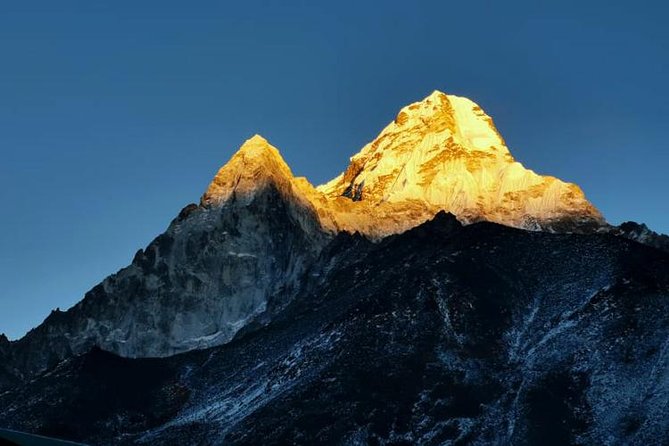
As you head toward Lobuche, the trail gets more serious. You travel along the lateral moraine of the Khumbu Glacier, with stone memorials for climbers who have perished nearby. Even if you’ve read about Everest tragedies before, seeing memorials on the route changes the tone.
You’re still trekking toward the awe-inspiring goal. But you’re also walking through the reality of what it costs to be near that height.
This part of the trek is where I’d expect most people to feel a mental shift: the route isn’t only scenic anymore. It feels purposeful, respectful, and a little sobering.
Everest Base Camp: reaching the closest point without mountaineering gear
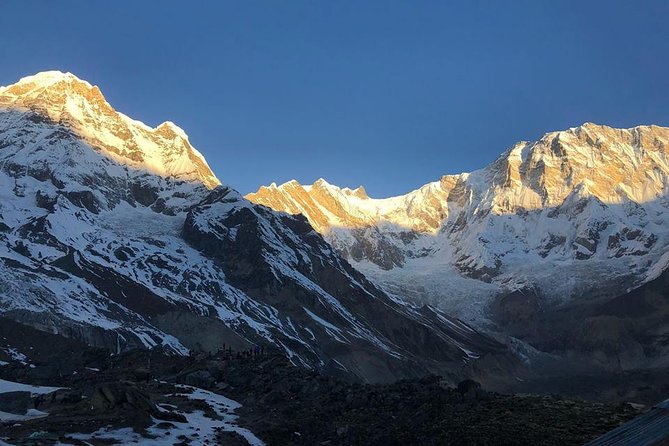
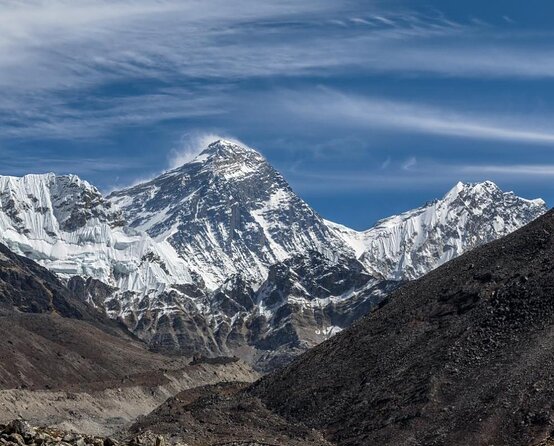
The big day is the walk up to Everest Base Camp at 5,365m. It’s described as a big and difficult day, and that matches how the trail feels in general on this route: you’re working on endurance and altitude at the same time.
You’ll travel along the Khumbu Glacier and climb to the base camp area—the closest you can get to Everest without mountaineering equipment. During spring, conditions can include lots of activity, but your main focus should be pacing and hydration rather than chasing every photo angle.
What makes this day worth it is not only the “I’m here” moment. It’s the sense that your trek is built around the world’s most famous mountain, done on foot, with a guide who manages the safety side while you do the hard work of walking.
If you’re prone to rushing, this is where your guide’s role matters. You’ll want the day to feel steady, not frantic.
Kala Patthar: the hardest reward on the whole trek
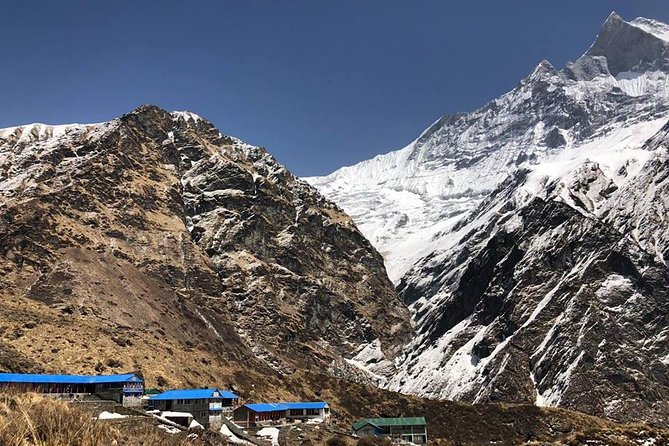
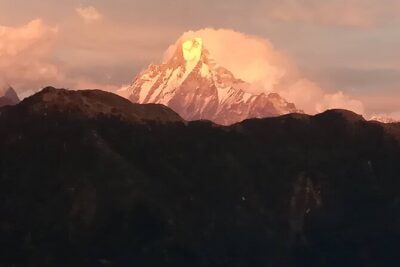
Kala Pattar is usually the day people remember most. You’ll climb to around 5,555m and it’s labeled as demanding. The ascent takes a lot of effort, but the payoff is the kind of mountain view that makes your brain stop negotiating with your legs.
This climb is often the turning point where you realize you’re not just trekking—you’re completing a journey.
You also get to treat the day like a peak-performance moment. Even if the top is physically tough, the structure of the trek helps: you’ve acclimatized already, and you’ve had rest days that weren’t wasted.
Coming back down: Namche again, and why the descent still counts
After base camp, the route turns into a descent phase back through Pangboche and Tengboche, continuing to Namche Bazaar, where you arrive in the afternoon. This isn’t a free ride. Legs can get tired on downhill walking, and altitude fatigue can linger.
The good news is that your guide is still there with you for safety and timing. The descent phase gives you a second chance to notice the region—this time with less adrenaline and more clarity. You’ll also get the chance to reflect as a group on what you accomplished.
Return to Lukla and the flight back to Kathmandu
Your final trekking day brings you back to Lukla, the place where everything started. It’s often emotional in a quiet way: less about celebration, more about relief and pride.
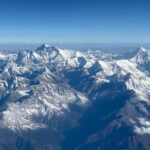
Then you fly back to Kathmandu. There’s a “last glimpse” feeling here, because the flight gives you perspective you don’t get while walking.
The tour includes airport transfers in Kathmandu at the start and end, and your guide team will see you through the end-to-end schedule back to Tribhuvan International Airport.
What you actually get for $1,800—and what you still need to handle
At USD 1,800 per person, this is not a cheap weekend. But it’s also not only you paying for the views. The package covers a lot of the real cost drivers for Everest Base Camp:
- Domestic flights Kathmandu–Lukla–Kathmandu including airport departure tax
- Permits for Everest/Sagarmatha National Park and the Pasang Lhamu Rural Municipality fee
- A government licensed English-speaking guide plus porter support for 11 days (1 porter for 2 clients)
- Accommodation: 2 nights in Kathmandu and guesthouse stays during the trek (with attached toilets in Lukla/Phakding/Namche)
- Most meals: breakfast, lunch, and dinner during the trek, plus seasonal fruits
- Water filtration using a Katadyn Pocket Water Filter
- A first-aid kit and arrangements for emergency medical evacuation in worst-case scenarios
What’s not included is equally important for planning:
- Travel insurance covering emergency high-altitude rescue and evacuation
- Alcoholic drinks and other personal expenses
- Personal trekking equipment (you need to bring what you need)
- Tips for guide and porter (tipping is expected)
My take on value: you’re paying for reduced stress. Having guide, permits, flights, meals, lodging, and porters handled is exactly what makes EBC doable for people who can hike but don’t want to become a logistics manager at 5,000m.
The people factor: guides and porters make this trip feel human
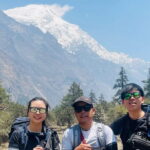
The tour is small-group by design (max 14), but the biggest difference is the team you hike with. In provided accounts, guides such as Kishor, Maddy, and Chris show up as standout leaders, with a strong emphasis on safety, calm pacing, and local knowledge.
Porters like Saman and Sher also get named for serious effort and good spirit—helpful when you’re tired and need your mood protected. One theme that comes through is that the staff doesn’t just walk behind you. They watch your pacing, manage logistics, and help keep the vibe steady even when the altitude is demanding.
If you care about how your day feels—not only what you see—this is a key selling point.
Who should book this Everest Base Camp trek?
This trek fits best if:
- You want structured safety with a guide who’s trained for emergencies
- You’re planning a first big trek and want acclimatization built into the schedule
- You’d rather hike than manage permits, cooking, and gear moving uphill
- You prefer an intimate group instead of a huge crowd
It may not be your best match if:
- You hate the idea of a physically tough climb day (Base Camp and Kala Pattar are both difficult)
- You’re counting on complete control of every plan detail (Lukla flight routing may shift via Manthali at peak times)
- You’re traveling solo and would rather avoid the USD 250 single surcharge if no same-room partner is available
Quick FAQ
FAQ
Do I get picked up in Kathmandu?
Yes. The tour includes airport/hotel transfers in a private tourist vehicle, and an airport representative meets you at Tribhuvan International Airport.
Are meals included during the trek?
Yes. The tour includes most meals on the trail: breakfast, lunch, and dinner, plus seasonal fruits.
How are flights handled from Kathmandu to start the trek?
You fly Kathmandu to Lukla and return by air as part of the package. During peak congestion, flights may be shifted to Manthali Airport in Ramechhap.
How much luggage can I bring on the domestic flights?
The domestic flight luggage allowance is 15 kg.
Is a porter included?
Yes. There’s porter service for 11 days, with 1 porter for 2 clients.
What if I need to cancel?
You can cancel up to 6 days in advance for a full refund, 2–6 days for a 50% refund, and less than 2 days before the start time means no refund.
Should you book this Everest Base Camp trek?
If you want Everest Base Camp with less chaos and more hiking focus, I’d say yes—especially if you value small-group attention, safety structure, and porters that lighten your load. The included permits, domestic flights, meals, and water filtration add up to real convenience, not just marketing.
Book with extra care if you’re going solo and hoping to avoid the single surcharge, or if you’re not comfortable with a tough altitude plan where you’ll work hard on both Base Camp and Kala Pattar days. If that part sounds right for you, this is a strong, practical way to get to the world’s most famous trekking destination.