REVIEW · 3-DAY EXPERIENCES
3-Day Guided Safari Tour in Chitwan National Park in Nepal
Book on Viator →Operated by The Great Adventure Treks & Expedition - Private Day Tours · Bookable on Viator
Chitwan surprises you with real wildlife. This 3-day guided safari blends park nature with Tharu community culture, with pickup and an efficient schedule from Kathmandu.
My favorite part is the mix: early bird-watching energy, then a Rapti River canoe ride where crocodiles can be seen close to the banks. The main drawback is that Day 3 is mostly the return drive, so there’s less time to linger if you want more slow, quiet hours in the park.
In This Review
- Key highlights you’ll feel fast
- From Kathmandu to Chitwan: the ride that actually matters
- A guided Chitwan safari that keeps the day moving
- Day 1: Tharu village culture, jeep safari thrills, and an evening show
- Day 2: birds in the morning, then crocodiles on the Rapti River
- Day 3: the return drive that closes the loop (and why that’s okay)
- Price and value: what you’re really getting for $199
- Hotel base in Chitwan: comfort that keeps you ready for early starts
- What you can realistically hope to see
- The human part: smooth organization and responsive help
- Who this tour fits best (and who should consider another option)
- Practical tips so you enjoy Chitwan more
- Should you book this Chitwan National Park 3-day guided safari?
- FAQ
- How long is the Chitwan National Park tour?
- What’s the price per person for this experience?
- Where does the tour start?
- Does the tour include pickup?
- Is a mobile ticket used?
- What meals are included?
- What activities do you do in Chitwan?
- How many travelers are in the group?
- Do I have to pay admission tickets during the trip?
- Are drinks included?
Key highlights you’ll feel fast
- Small group cap (max 10 travelers), so the guide can keep things moving without feeling like cattle herding
- Tharu village tour plus cultural show, so you’re not just chasing animals
- Jeep safari in Chitwan for “spot it now” wildlife viewing
- Rapti River canoe rides for near-river crocodile watching
- Two full park days (morning birds, then daytime + water wildlife time)
- Meals included: 2 breakfasts, 2 lunches, 2 dinners
From Kathmandu to Chitwan: the ride that actually matters
Most people think Chitwan starts when the jeep stops. In real life, it starts earlier. You’ll leave Kathmandu with about a five-hour drive toward Chitwan, then check in and settle before the first wildlife-and-culture day takes over.
That long transfer is a feature if you like building momentum. You’ll arrive feeling like you’ve escaped the city for good, not like you rushed into a “safari snack.” And because this tour is run by a local private-day operator (The Great Adventure Treks & Expedition), the handoff at Chitwan—hotel/resort staff greeting you and transferring you to where you’ll stay—helps your first day feel calm instead of chaotic.
One note for your planning: if you hate long rides, you’ll want to take the travel time seriously. Bring a light layer for the bus, plan your hydration, and keep your phone charged for photos the moment the scenery starts changing.
You can also read our reviews of more guided tours in Kathmandu
A guided Chitwan safari that keeps the day moving
This is a guided, small-group setup with up to 10 travelers, so you’re not waiting around for a huge crowd to shuffle forward. That matters in Chitwan because wildlife time is short and weather changes fast.
You get a steady flow of experiences across two big park-focused days. The emphasis isn’t only on one type of viewing. You’ll mix land and water: jeep safari time for searching and canoe time for riverbank moments. It’s a smart approach because animals don’t act on a schedule just because you paid to see them.
Also, park admission is listed as free for the relevant park segments in the tour details. That doesn’t remove all costs from your trip, but it does mean you’re not standing there wondering what you still need to pay at every stop.
Day 1: Tharu village culture, jeep safari thrills, and an evening show
Day 1 hits you with variety. After you settle at your accommodation in Chitwan, you head to Chitwan Tharu Village, where you’ll do a guided village visit and take part in a jeep safari. Then you wrap up with a Tharu cultural show in the evening.
Why I like this structure: culture isn’t a side quest. The Tharu community piece gives context to the region and breaks up the adrenaline of wildlife hunting. It also helps your brain relax between animal-search blocks.
The jeep safari portion is where you’ll likely feel the classic “hunt and spot” rhythm. Even when you don’t get a perfect sighting, the act of scanning for movement in the greenery is part of the experience. You’ll also notice how Chitwan’s habitat supports different kinds of wildlife behavior—some animals stay hidden, while others show up at predictable times near open areas.
The cultural show is a good way to close the day when you’re tired but still curious. It turns the evening into something more memorable than just dinner and scrolling photos.
Day 2: birds in the morning, then crocodiles on the Rapti River
Day 2 is built around two different moods: calm wildlife time and close-to-the-water wildlife time.
You start with an early morning tea and then go bird-watching. This is the quieter side of the safari. It’s also a smart choice for people who feel overwhelmed by too much “fast excitement.” Birds give you a way to spot life without needing a dramatic animal moment every hour.
Then you shift to the Rapti River canoe ride. This is the standout “how is this real?” segment for many people. The tour description specifically calls out crocodiles sunbathing on the river banks, plus other wildlife near the water.
If you’re the kind of traveler who loves photo moments: canoe time is where the camera often earns its keep. You’re closer to the edge where animals choose to rest. And even if you’re not obsessed with reptiles, watching crocodiles in their natural routine changes how you understand the river corridor.
Practical takeaway: keep your space on the canoe organized. You’ll likely want hands free for balancing and quick photo access. Also, expect the session to feel slower than the jeep safari, but with bigger “stillness payoffs.”
Day 3: the return drive that closes the loop (and why that’s okay)
On Day 3, the tour focuses on getting you back from Chitwan National Park toward Kathmandu, Pokhara, or Lumbini. That’s not a romantic ending. It’s a practical one.
The tradeoff is simple: you’re not squeezing in a full extra wildlife segment on the final day. But the benefit is you’re not stuck doing a chaotic last-minute scramble. A clear return plan reduces stress, especially if you have onward travel booked.
If you want a longer slow stay in Chitwan, you might choose a longer duration tour or add extra nights on your own. But for a 3-day experience, the return makes the trip easier to fit around other Nepal plans.
You can also read our reviews of more tours and experiences in Kathmandu
Price and value: what you’re really getting for $199
At $199 per person, this tour sits in the “good deal if it clicks with your travel style” category.
Here’s what makes the value feel stronger than the number:
- Meals included: 2 breakfasts, 2 lunches, 2 dinners. That’s real money you don’t have to manage day by day.
- Guided activities across both land and water: jeep safari + canoe ride + village culture + bird-watching.
- Pickup offered and a local operator coordinating your transfers.
- A small group size (max 10), which can improve how smooth and personal the day feels.
- Mobile ticket is listed as a feature, which usually means less paper hassle.
What’s not included is also clear: drinks (soft and hard) and personal expenses. If you plan on buying sodas, snacks, or alcohol during the ride times, budget for it. Drinks can add up faster than you expect in Nepal-style day schedules.
Booking timing: it’s typically booked about 5 days in advance on average. If you’re traveling during a busy season or around national holidays, you’ll want to lock it earlier just to avoid availability pressure.
Hotel base in Chitwan: comfort that keeps you ready for early starts
Your accommodation comes into play because Chitwan mornings can be early and active. The tour details say staff greet you and transfer you to your hotel/resort, and the overall tone from past experiences emphasizes that the stay can be comfortable and well-run.
A smart way to think about lodging on this kind of trip: you’re not choosing a five-star resort for luxury. You’re choosing a base that:
- lets you rest between sessions,
- makes check-in smooth after a long transfer,
- and keeps breakfast/lunch/dinner timing working with your safari schedule.
If you’re the sort of traveler who needs quiet to sleep, ask about room placement or noise levels when you book. The data here doesn’t guarantee room specifics, but it’s a reasonable question for any Chitwan stay.
What you can realistically hope to see
This is Nepal wildlife, not a zoo. That means your sightings depend on timing and animal behavior.
Still, the trip description and past experiences point to these strong possibilities:
- Crocodiles near the riverbanks on the Rapti canoe ride
- Bird species during the morning bird-watching session
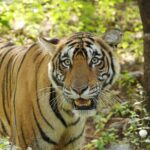
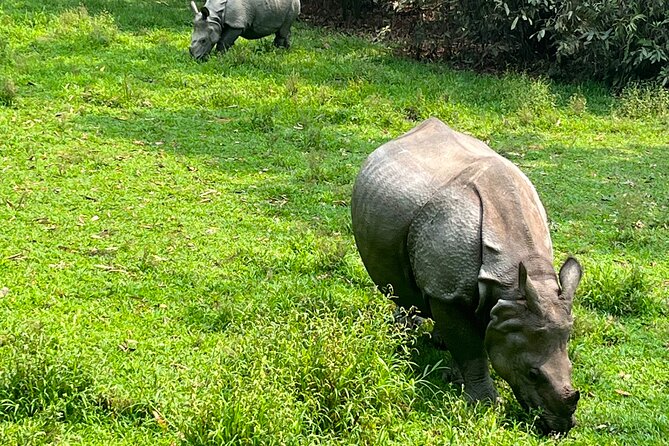
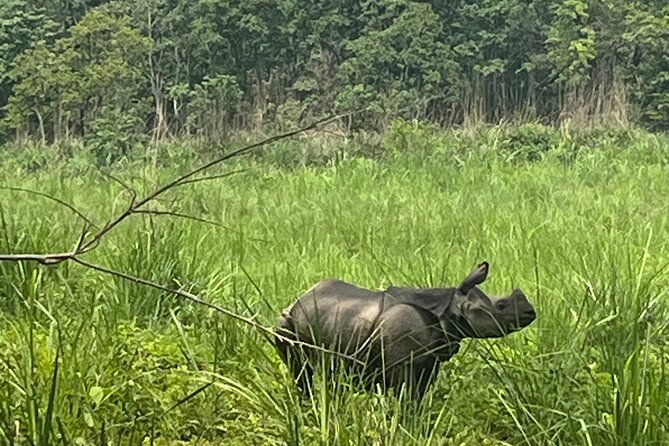
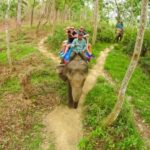
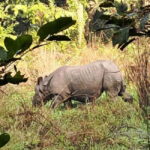
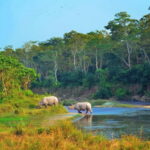
- Big mammals such as rhinos and elephants have shown up as memorable highlights in real experiences tied to this kind of Chitwan stay
One of the best things about this tour is that it’s not a one-trick pony. You’re not betting everything on only one ecosystem moment. You’re building a day around multiple chances—land, water, and culture—so you get value even when one sighting doesn’t pop off.
The human part: smooth organization and responsive help
Small-group safari is one thing. Good coordination is another.
In the experiences tied to this operator, people repeatedly highlight professionalism and smooth planning. A name you’ll see in the communication and responses is Mani, who comes up as a key contact that helped arrange things effectively and keep the journey organized.
That matters because the reality of a wildlife trip is that plans shift gently: timing, transport flow, and how quickly you move between sessions. A guide and organizer who keeps you informed reduces the stress that can ruin a wildlife day.
Who this tour fits best (and who should consider another option)
This tour is a strong match if you want:
- Guided structure in Chitwan without spending your own time arranging safaris
- A balance of wildlife + Tharu cultural experience
- A small group feel (max 10)
- Included meals so you can travel lighter
You might choose something else if:
- you hate early mornings (Day 2 starts with bird-watching timing),
- you want a full free day in the park (Day 3 is mostly return),
- or you prefer a slower travel pace with fewer planned blocks.
Practical tips so you enjoy Chitwan more
These are general safari-smart moves that help regardless of which day’s highlights you get:
- Bring neutral-colored clothing you don’t mind getting dusty.
- Pack a light rain layer. Even when rain isn’t forecast, river-adjacent areas can feel damp.
- Use a crossbody or secure camera strap so you can react quickly on jeep and canoe moments.
- If you’re prone to motion discomfort, plan ahead for vehicles and any water time.
Most of all, keep your mindset flexible. A great safari day is part seeing, part learning, and part enjoying how the landscape supports different animals’ routines.
Should you book this Chitwan National Park 3-day guided safari?
Book it if you want a tight, well-run introduction to Chitwan that covers more than one viewing style—jeep + canoe—while also adding Tharu village culture. At $199 with meals included and a small group cap, the value can be excellent, especially if you like having someone else manage the timing.
Skip it (or adjust your expectations) if you need lots of free time on Day 3 or you’re traveling with a strong preference for a single type of wildlife viewing. This one is about variety and efficient coordination, not a slow, open-ended wandering trip.
If you do book, ask the operator about what to expect for your specific return drop-off (Kathmandu, Pokhara, or Lumbini) and confirm any add-ons you care about. Then get ready for a Chitwan trip where culture and crocodiles share the spotlight.
FAQ
How long is the Chitwan National Park tour?
It’s about 3 days.
What’s the price per person for this experience?
The price is listed as $199.00 per person.
Where does the tour start?
The tour location is Kathmandu, Nepal.
Does the tour include pickup?
Pickup is offered.
Is a mobile ticket used?
Yes, mobile ticket is listed as a feature.
What meals are included?
Lunch (2), dinner (2), and breakfast (2) are included.
What activities do you do in Chitwan?
You can expect a Tharu village tour and Tharu cultural show, a jeep safari, bird-watching, and a canoe ride on the Rapti River.
How many travelers are in the group?
The maximum group size is 10 travelers.
Do I have to pay admission tickets during the trip?
Admission ticket is listed as free for the park segments and for the activity days shown.
Are drinks included?
No. All drinks (soft and hard) and personal expenses are not included.