REVIEW · ANNAPURNA CIRCUIT TREKS
15-Day Private Annapurna Circuit Trek from Kathmandu
Book on Viator →Operated by Himalaya Guide Nepal · Bookable on Viator
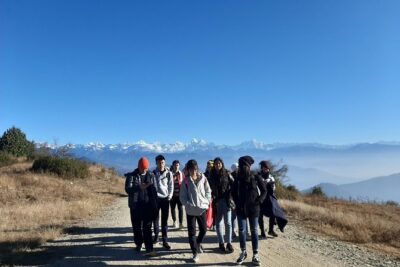
Few hikes feel this complete this fast. This 15-day private Annapurna Circuit trek pairs serious mountain days with a warm, family-run setup, including Nepali language teaching along the way. I love how much is handled for you—airport transfers, permits, and daily meals—so you can focus on the trail. I also like the built-in acclimatization time in Manang before the big Thorong La effort. One thing to consider: lodge comfort is described as normal, and the walking days can be long, so this isn’t a sit-easy vacation.
If you want a trek that mixes village life, suspension bridges, high passes, and a sunrise at Poon Hill, this route has the beats. You’ll start near Tribhuvan Airport around 10:15 am, then work your way from Kathmandu to the Annapurna region, down toward Pokhara, and finish with a farewell meal. Since it’s private, only your group participates—great for rhythm and comfort, but you still need moderate physical fitness to handle a 5416 m pass day.
In This Review
- Key Highlights You’ll Care About
- A Family-Run Trek That Feels Like a Nepal Introduction
- Price and Logistics: What $995 Actually Buys You
- Day 1–2: Getting Out of Kathmandu and Into Marshyangdi Country
- Day 3–6: Suspension Bridges, Forest Trails, and the Chame–Manang Shift
- Manang Acclimatization: Your Safety Buffer Before Thorong La
- Thorong La to Lower Valleys: From the Pass Day to Hot Springs Relief
- Ghorepani to Pokhara: Magar Villages, Poon Hill Sunrise, and the Peak View Payoff
- Guide Culture and Real Support: What the Best Reviews Signal
- Who Should Choose This Annapurna Circuit Private Trek (and Who Should Think Twice)
- Should You Book This 15-Day Private Annapurna Circuit Trek?
- FAQ
- Where is the meeting point and what time does the trek start?
- What’s included in the trek price?
- What is not included?
- Are airport transfers included?
- Is this tour private?
- Are permits included?
- Is there a porter option?
- Is there free cancellation?
Key Highlights You’ll Care About
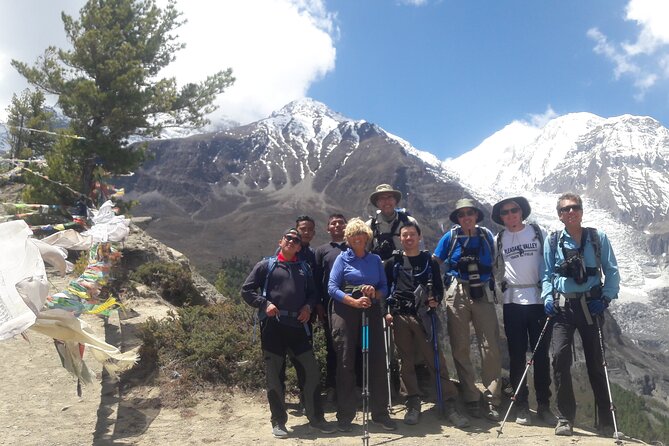
- Family-run team feel + Nepali lessons that make the journey feel more personal than purely logistical
- Permits and TIMS included (ACAP permit and TIMs card), so you don’t have to hunt paperwork
- Manang acclimatization day built in before Thorong La at 5416 m
- Meals included daily (breakfast, lunch, dinner for 15 days) while trekking in lodges
- Hot springs break in the Kaligandaki area after the high-altitude push
- Poon Hill sunrise hike at 3210 m with wide views of major peaks
A Family-Run Trek That Feels Like a Nepal Introduction
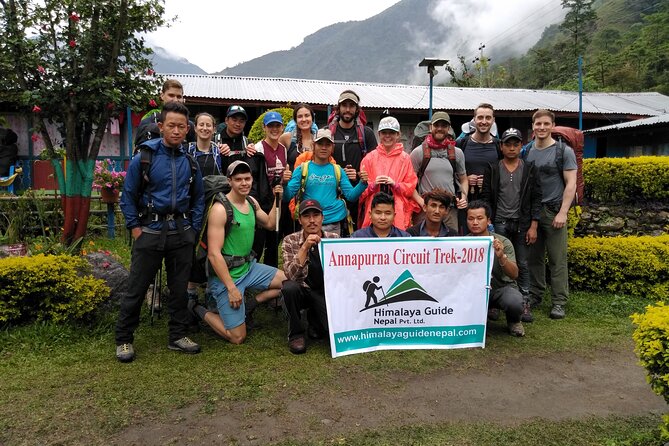
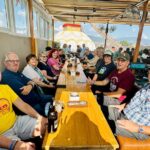
This isn’t just a checklist trek. The company is run by a family team, and that shows in the tone: “homely environment” is the idea here, with the guide role feeling more like hosting than escorting. A unique extra is that you’ll be taught some Nepali language during the trip. Even if you only catch a little, it changes how you move through villages and tea stops—you start recognizing basic words instead of only nodding and pointing.
You also get a lot of structure from the start. Pickup and drop service is included, moving you Airport to Hotel to Airport, plus you’ll travel by bus and car between key sections. Confirmation is received at booking, and they use a mobile ticket, which can help if you don’t want paper chaos.
The guide package matters too. The tour includes an experienced guide with coverage for salary, equipment, insurance, and transportation/lodging/food. From the trek perspective, that usually translates into fewer surprises: you can ask questions, keep pace, and handle the practical stuff without slowing the group down.
You can also read our reviews of more private tours in Kathmandu
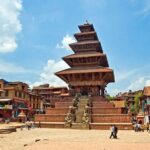
Price and Logistics: What $995 Actually Buys You
At $995 per person, the value depends on whether you’d otherwise pay for all the moving parts. Here, a big chunk is bundled:
Included transportation typically covers:
- Airport transfers (to/from your hotel)
- Bus to Bulbule (about 6–7 hours drive)
- Public transportation from Muktinath to Tatopani
- Car from Nayapul to Pokhara (ending point to Pokhara)
- Deluxe tourist bus from Pokhara to Kathmandu
On the trek side:
- Lodge accommodation on the trek (normal)
- Breakfast and dinner (15 each) plus lunch (15)
On the paperwork side:
- ACAP permit and TIMS card (legal documents included)
- All government taxes
There are smart reasons this package feels good. When you’re heading toward Thorong La, you don’t want to spend vacation time chasing permits, arguing over transport between villages, or scrambling for meal planning mid-trek.
Now the budget reality. Not included:
- Extra nights and food in Kathmandu and Pokhara
- Travel insurance (and since the pass is 5416 m, I’d treat that as a must-have)
- Porter (they can organize per request)
- Hot/cold drinks like Coke, mineral water, beer
- Personal expenses like laundry, bar bills, phone use, battery charging, shower services, and boiled water
If you’re the type who budgets for safety and comfort, the included package looks like a fair deal. If you already have your own insurance and you plan to self-arrange everything, it may feel less special. But for most people, the bundled permits + transport + full meals are where the value lives.
Day 1–2: Getting Out of Kathmandu and Into Marshyangdi Country
Your first day starts with the Kathmandu connection. You’re picked up near Tribhuvan Airport, with a stated start time of 10:15 am. The early push is then a long bus ride toward the trail region: you go from Kathmandu to Besisahar–Bulbule, with the route described as following the highway along the Trisuli area, crossing the Trisuli River near Muglin.
Stop 1 on day 1 is listed as Lamjung, which is more about landing in the region than hitting a major climb. The best mindset here is: use the day to reset. Long rides can beat your legs up in weird ways, so you’ll feel better if you keep the first walking gentle and focus on hydration.
Day 2 brings you into actual village trekking. Stop 1 is Ghermu, where you walk through villages and roads, then continue along the east bank of the Marshyangdi River. You gain some elevation to a Brahmin settlement at 1270 meters (Bahundanda) and reach a lunch point.
This is a useful start shape. You’re building rhythm without jumping straight into “leg-burner” altitude right away.
Day 3–6: Suspension Bridges, Forest Trails, and the Chame–Manang Shift
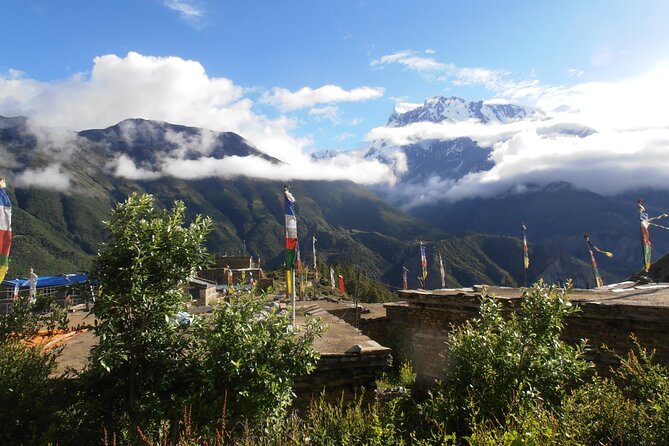
These days are where the Annapurna Circuit starts feeling like the real deal. Day 3 stops at Chamje. You’ll trek downhill to Syange, then cross to the west bank of the Marshyangdi River via a suspension bridge. After that, the description notes steep uphill climbing and a crossing near the cliff face—basically, don’t expect easy walking.
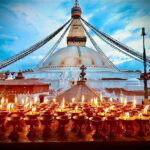
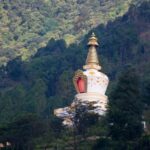
Day 4 goes to Chame, and the route continues to lean on dramatic river crossings. There’s another suspension bridge crossing, then the trail moves through areas like Dharapani, Bagarchhap (1960 m), and Danque (2300 m). A detail worth noticing is the stone entrance chorten you pass into, which signals you’re in the thick of local religious and community landmarks, not just a hiking corridor.
Day 5 is Manang. Here you get a denser forest feel and a narrower valley, then a cross to the south bank near 3038 m. The description mentions a dramatic curved rock face rising from the river by roughly 1500 meters. This is the kind of scenery that makes the route worth it even if you’ve already seen plenty of Nepal photos.
Day 6 stays in the Manang area, with options if you’re coming from lower Pisang: one trail follows the Marshyangdi Khola, and the other crosses the river. Either way, you meet back up around Mungji.
If you want a practical tip: when a day offers route choices, ask what it means for energy and footing. It’s often less about “which is prettier” and more about how you’ll feel when you wake up the next morning.
Manang Acclimatization: Your Safety Buffer Before Thorong La
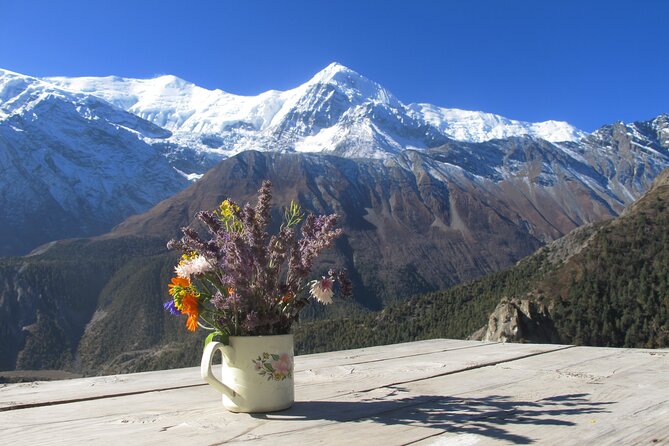
The itinerary makes something clear: you spend time in Manang to acclimatize before the main pass. Day 7 is explicitly described as an acclimatization day before pushing toward Thorong La (5416 m). That matters. High altitude punishes rushed schedules, and a dedicated buffer is a smart way to reduce the stress on your body.
Day 7 also includes an optional side visit to a Lama (Monk) site, with a noted donation of 100 rupees if you go. It’s a small detail, but it tells you the trek rhythm includes local culture moments, not only altitude milestones.
Day 8 continues uphill from Manang toward Tanki village and through Ghungsang, leaving the Marshyangdi valley and shifting along the Jar sang Khola valley. You pass pastures and smaller terrain features described as shrub or scru—translation: it turns into a more open, high-elevation feel.
Day 9 is the last camp before crossing Thorong La. The walking follows yak grazing areas, then you descend to Jarsang Khola and cross it. The description mentions a route up to Durali tea shop for a brief stop.
Then day 10 begins with the “start early” reality. Phedi is described as “Food of the Hill,” and the morning climb toward the pass is flagged as a long day. Expect an early departure mindset.
I like this pacing because it respects altitude physics. You’re not guessing your way into the pass—you’re planning around it.
You can also read our reviews of more hiking tours in Kathmandu
Thorong La to Lower Valleys: From the Pass Day to Hot Springs Relief
Crossing Thorong La is the centerpiece, and after that, the rest of the trek becomes about descent, recovery, and route choice.
Day 11 places you at Jomsom, but it’s described mainly as options from Muktinath to Tatopani or Pokhara. You’ll see choices built into the itinerary, including a shorter route using a flight from Jomsom to Pokhara and then walking through Tatopani. The description references a walking sequence that includes Marpha, Ghasa, and Tatopa.
I can’t promise which option you’ll take without talking to the operator, but I appreciate that the trek acknowledges reality: people have different time and fatigue tolerances after a high pass.
Day 12 is Shikha, and it includes a “wonderful day at a hot spring.” That’s the kind of recovery break that keeps the circuit from feeling like one long punishment. After the hot spring, you trek down, then cross a suspension bridge over the Kaligandaki River. The route continues along Burung Khola toward a junction point.
For many hikers, this is the emotional turning point: you’ve paid the altitude price, and now the trip shifts into comfort and scenery again.
Ghorepani to Pokhara: Magar Villages, Poon Hill Sunrise, and the Peak View Payoff
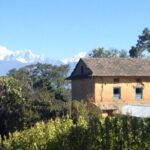
After the Kali Gandaki region, day 13 heads to Ghorepani. You pass through Magar villages like Phalate and Chitre, then move through terraced fields and forest areas with rhododendron and pine. The description calls this day quite hard, and that checks out in real trekking terms: after a big pass and long descents, you often still have a grind day left in the mountains.
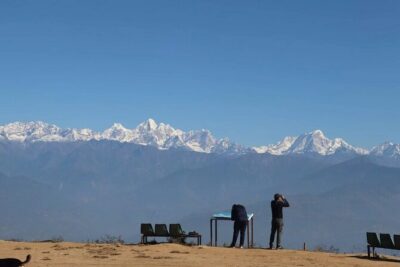
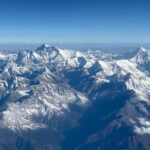
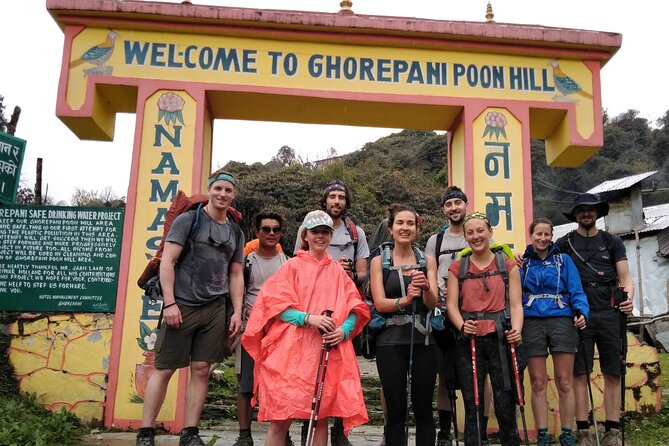
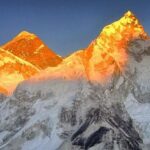
Day 14 is your sunrise moment at Poon Hill (3210 m). You hike early—about 40–50 minutes is stated for the uphill component—then you get sunrise views of Dhaulagiri, Tukuche Peak, Nilgiri, Annapurna South, Himchuli, and more in the same viewpoint frame. That list is exactly why people make the Poon Hill detour: you get a cluster of big-name peaks from one spot.
Once you finish that early walk, you’re in Pokhara Lakeside. It’s not the end of Nepal, but it is where you get your feet under you: warm meals, flatter routes, and a change of pace before the final transfer day.
Day 15 brings you back to Kathmandu. The route describes options from Pokhara to Kathmandu such as a tourist bus. It also includes a farewell dinner, which is a nice close to the family-guide style of the trip.
Guide Culture and Real Support: What the Best Reviews Signal
The reviews shared with names help paint a picture. People praise guides for being responsible, friendly, caring, and safety-first. Names mentioned include Pratap, Dinesh, Binoot/Binute, Salman, and Bashudev/Bashu. I wouldn’t assume you’ll get a specific person, but it does show the company has a consistent pattern of guides who manage both people and pace.
There’s also a note about making arrangements via WhatsApp with someone named Chandra. Again, not every group will use the same channel, but it suggests communication is not left until the last minute.
What matters for you: you’re buying an experience where the guide role isn’t only route-finding. Your guide is included with insurance and equipment support, and the company handles the legal documents. That lowers the number of stress points you have to manage while your body is doing hard work at altitude.
Optional porters can be arranged per request. Since porters aren’t included, if you want one, you should decide early so the trek stays comfortable without forcing last-minute changes.
Who Should Choose This Annapurna Circuit Private Trek (and Who Should Think Twice)
This trek suits you if:
- You want a private plan with only your group
- You like a mix of culture and big mountain goals
- You’re comfortable with moderate physical fitness and long trekking days
- You want permits and transport handled rather than self-managing everything
- You’d enjoy the extra touch of Nepali language learning
Consider thinking twice if:
- You want a purely luxury lodge experience. Lodges are described as normal.
- You prefer short days and low elevation stress. The route includes Thorong La at 5416 m and days that can run long.
- You’re planning to rely on drinks and snacks you buy along the way. Those are not included, including hot/cold drinks and items tied to comfort services like showers and boiled water.
Also, plan for the “finish” part. Extra nights and meals in Kathmandu and Pokhara are not included. You’ll want a buffer in your schedule and money for that last stretch.
Should You Book This 15-Day Private Annapurna Circuit Trek?
If you want a well-supported Annapurna Circuit that handles permits, key transport, and all trekking meals, this is a strong candidate. The Manang acclimatization day is a big plus, and the Poon Hill sunrise is a payoff many people remember for years. The family-run approach and Nepali language teaching add a human layer that you don’t get on every trek package.
My booking call comes down to three checks:
- Make sure you’re physically ready for the pass day around Thorong La (5416 m).
- Budget for items not included: travel insurance, drinks, porter if you want one, and extra Kathmandu/Pokhara nights.
- If you care about comfort, pack for lodge life since accommodation is listed as normal, not high-end.
If those points match your style, booking makes sense.
FAQ
Where is the meeting point and what time does the trek start?
The meeting point is Tribhuvan Airport in Kathmandu, Nepal, with a stated start time of 10:15 am.
What’s included in the trek price?
The price includes airport pickup and drop (Airport to Hotel to Airport), bus ticket to Bulbule, public transportation from Muktinath to Tatopani, car from Nayapul to Pokhara, deluxe tourist bus Pokhara to Kathmandu, lodge accommodation on the trek, guide services, legal documents (ACAP permit and TIMS), government taxes, and breakfast/lunch/dinner for 15 days.
What is not included?
Not included are extra nights and food in Kathmandu and Pokhara, travel insurance, porter (they can organize one per request), hot and cold drinks (like Coke, mineral water, beer), and personal expenses such as laundry, bar bills, telephone, battery charges, shower and boiled water.
Are airport transfers included?
Yes. International airport pick up and drop service is included, covering Airport to Hotel to Airport.
Is this tour private?
Yes. It’s a private tour/activity, and only your group will participate.
Are permits included?
Yes. The tour includes the ACAP permit and TIMS card.
Is there a porter option?
Porter is not included, but the company says they are happy to organize a porter per request.
Is there free cancellation?
Yes. You can cancel up to 24 hours in advance for a full refund. If you cancel less than 24 hours before the start time, the amount paid is not refunded.