REVIEW · ANNAPURNA BASE CAMP TREKS
Annapurna base camp -9 days
Book on Viator →Operated by NEPAL LION TOURS AND TREKS PVT LTD · Bookable on Viator
Nine days to Annapurna Base Camp hits sweet spot. I love the Poon Hill morning panorama, and I also like how this trek moves through Gurung and Magar villages before you step into the Annapurna Sanctuary. The mix of culture, altitude walking, and big-peak views makes it feel like more than just a checklist hike.
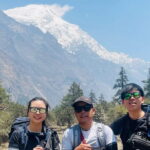
I also like the practical support built into the trip: a licensed English-speaking trekking guide, all permits and paperwork handled, plus a guide-first-aid kit and guide insurance. Names that often come up for this route include Sona, Binod, and porter teams like Rajendra and Bikash, and the common thread is calm help when the trail gets demanding.
One possible drawback: days are long on steep sections, and you’ll start early for sunrise views—so if you hate early mornings or you’re brand-new to altitude treks, this may feel like more effort than you planned. Still, the pace and rest stops are built into the route, which helps.
In This Review
- Key highlights
- Why this 9-day Annapurna Base Camp trek fits well
- Kathmandu to Pokhara and back: logistics that matter
- Included gear and meals: why the package feels easier
- Day-by-day: Poon Hill, Gurung villages, Machhapuchhare, and ABC
- Day 1: Poon Hill views as the warm-up
- Day 2: Phedi picnic spot to Dhampus (Himchuli and Fishtail on the horizon)
- Day 3: Oak forest and terraced fields to Landrung and Jhinudanda
- Day 4: Rhododendron forest to Khuldighar and seti river country
- Day 5: Machhapuchhare Base Camp via a sacred valley
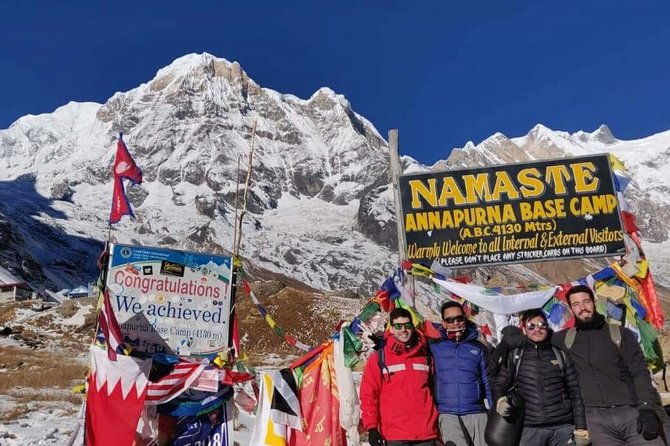
- Day 6: Annapurna Sanctuary and reaching ABC
- Day 7: Early wake-up sunrise, then descent toward Bamboo Hut
- Day 8: Up to Sinewa, to Chomrong Khola, and onward to Jhinu hot springs
- Day 9: Nayapul transfer and the finish
- Price and value: what $693.34 covers (and what it doesn’t)
- Guides and porters: why names like Sona and Binod matter
- What to watch for: pace, altitude, and extra spending
- Who should choose this trek
- Should you book this Annapurna Base Camp -9 days trek?
- FAQ
- How long is the Annapurna Base Camp trek?
- When and where does the experience start?
- Is airport pickup included?
- Do I have an English-speaking guide?
- How do you travel between Kathmandu and Pokhara?
- Are permits and paperwork included?
- Are meals included during the trek?
- Do I need to bring my own down jacket and sleeping bag?
- How much does a porter cost?
- Is there free cancellation?
Key highlights
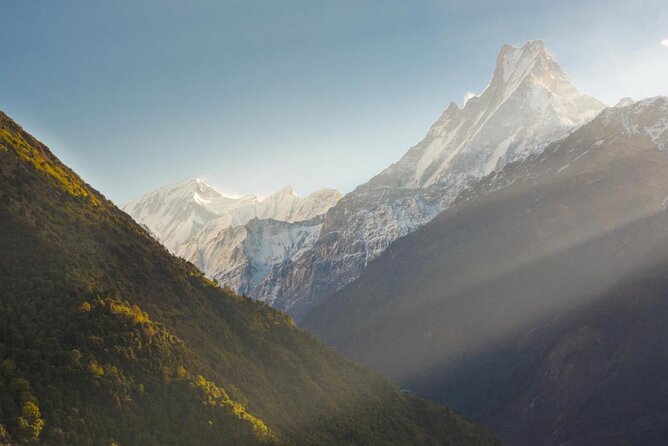
- Poon Hill sunrise views early in the program
- Annapurna Sanctuary day after leaving the tree line
- Gurung and Magar village trekking for cultural stops along the way
- Machhapuchhare Base Camp sacred-valley rules (no meat or fish)
- All meals included for 9 breakfasts, 9 lunches, and 9 dinners
- Down jacket + sleeping bag returnable after your trek
Why this 9-day Annapurna Base Camp trek fits well
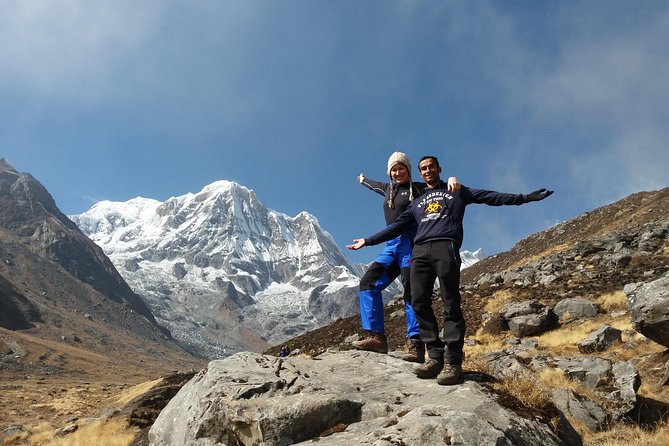
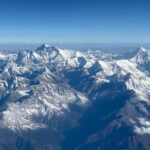
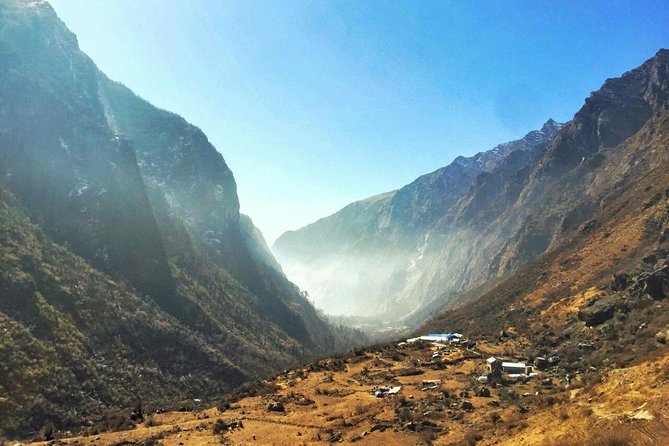
The Annapurna region is one of Nepal’s most popular trekking areas for a reason. On this route, you’re not stuck in one type of scenery. You’ll pass terraced fields and oak forest, then move into dense rhododendron, and eventually reach the more barren “desert wilderness” feeling of the Annapurna Sanctuary.
What I like about the timing is that you get multiple viewpoint moments without turning the trek into a sprint. You’ll build up from village trails toward bigger elevations, then spend time where the scenery changes—especially around Machhapuchhare and the sanctuary bowl.
This area also has wildlife and birdlife potential. The trek’s description points to rare high-altitude species like snow leopards and blue sheep, and bird names such as the Impeyan and blood pheasant. You should think of these as possibilities, not guarantees, but it helps you keep your eyes open when the air thins and the views widen.
You can also read our reviews of more tours and experiences in Kathmandu.
Kathmandu to Pokhara and back: logistics that matter
Your trip starts at Tribhuvan Airport (6:30 am) with airport pickup and drop in a private vehicle. You’ll be transferred to your Kathmandu hotel when you arrive, but the trekking program itself begins the next day. That “settle in first” piece matters because Kathmandu arrival days can be slow and a little chaotic.
Between Kathmandu and Pokhara, you’ll travel by tourist bus, with an optional flight for extra costs. This matters because Pokhara is the normal launch point for trekking routes in the Annapurna area, and the road time is part of your overall effort level.
Two small details also help: you get a mobile ticket, and the company includes a complimentary welcome or farewell dinner in Kathmandu at a cultural restaurant. You may not care about those on paper, but they reduce decision fatigue when you’re planning a trek with lots of moving parts.
Included gear and meals: why the package feels easier
For value, this trek does something important: it reduces what you have to carry. You’ll have a down jacket and sleeping bag provided and returnable after you finish. That can save money and hassle if you don’t want to buy or rent gear in Nepal.
Next comes food. Breakfast, lunch, and dinner are included for each of your 9 trekking days (the package lists 9 of each). On a trek, meals aren’t just “included.” They affect your energy, your appetite on altitude days, and whether you’re tempted to stop for snacks every hour.
One more practical point: there’s an accommodation plan for 9 nights and transportation for the full route. Even if you’re an experienced hiker, having guesthouses and overnight stops arranged helps you stay focused on walking instead of hunting for beds.
Day-by-day: Poon Hill, Gurung villages, Machhapuchhare, and ABC
Below is what your 9 days look like, plus what’s worth noticing and what to watch for.
Day 1: Poon Hill views as the warm-up
Day 1 includes a stop at Poon Hill and lists about 6 hours for the activity. This is a classic way to get your bearings. You’re building anticipation for the bigger Annapurna peaks, and the timing is often tied to sunrise, which sets the mood for the rest of the trek.
What to expect: cooler air, early starts, and lots of people pausing for photos.
Consideration: if you’re not used to early mornings, treat this like a warm-up day and don’t burn yourself out chasing speed.
Day 2: Phedi picnic spot to Dhampus (Himchuli and Fishtail on the horizon)
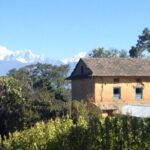
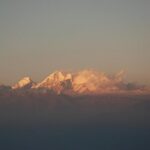
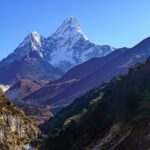
You drive to Phedi from Pokhara, then begin trekking to Dhampus (listed around 4 hours). Dhampus is described as a Gurung village with splendid views of Himchuli, Annapurna South, and Mt Fishtail (Machhapuchchre).
This is where the trek starts feeling more local and less scenic-only. You get a village rhythm: walk, stop, look, and take in how people live at mid-elevation in the Annapurna region.
What to expect: village paths, viewpoints, and a gradual shift toward more “trekking” terrain.
Consideration: warm up your legs on the first climb segments. This is where good footing habits start.
Day 3: Oak forest and terraced fields to Landrung and Jhinudanda
Today you head from the area around Chhomrong Cottage down toward Landrung, passing through oak forest and terraced fields. Landrung is described as a mix of Gurung, Magar, and Brahmins communities, so it’s a cultural stop as much as a hiking one. Then your route continues toward Jhinudanda (about 5 hours).
What to expect: forest shade at points, then open views as the trail alternates.
Consideration: downhill days can be tricky on knees. Focus on controlled steps and short strides.
Day 4: Rhododendron forest to Khuldighar and seti river country
From Chhomrong Cottage, you cross a bridge then climb toward Sinuwa Danda. The route transverses thick rhododendron forest up to Khuldighar, and later drops via lengthy and vertical stone steps (listed around 5 hours).
This is one of those days where the trail can feel physical even when the scenery is slow to change. Stone steps take attention. Rhododendron season can also bring a lot of color and thick greenery, and the air can feel different under forest cover.
What to expect: stairs and a mix of sun and shade.
Consideration: if you’re carrying a daypack (even light), keep your load low and use trekking poles if you like them.
Day 5: Machhapuchhare Base Camp via a sacred valley
You follow the banks of the river Madi into a sacred valley toward Machhapuchchhare Base Camp (about 6 hours). The rules here matter: the trek description notes no meat or fish is allowed in this area, tied to Buddhist and Hindu beliefs. You’ll also pass bamboo along the way.
This day is a bridge between “lush trekking” and the more open, stark feel near the sanctuary. It’s also where the sense of place gets stronger, because the rules remind you you’re in a lived-in religious landscape, not just a hiking corridor.
What to expect: gentle-to-steady climbing, river scenery, and a feeling of moving into a quieter zone.
Consideration: start steady. Machhapuchhare days can tempt you to power uphill because the views are so close.
Day 6: Annapurna Sanctuary and reaching ABC
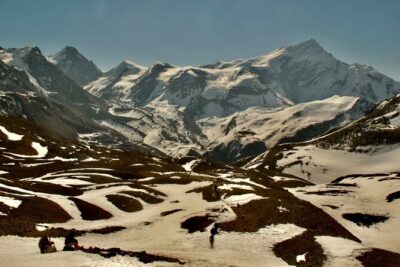
After Machhapuchhare Base Camp, the trail description says you leave vegetation and enter a “desert wilderness” called the Annapurna Sanctuary (about 5 hours to the ABC area).
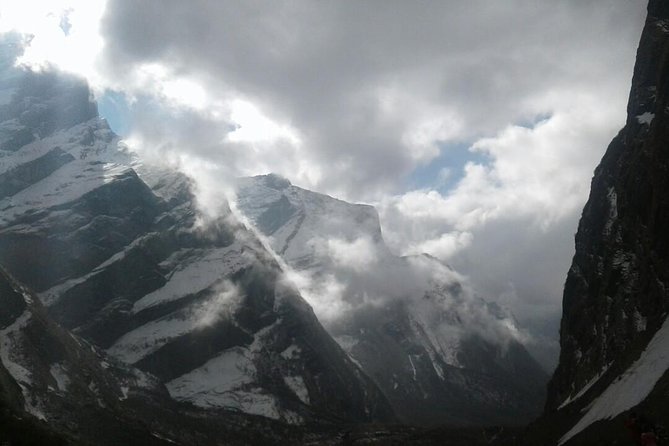
This is the day for the big payoff. The sanctuary is known for its bowl-like drama: surrounded feeling, fewer trees, and that sense that you’re walking into a natural arena. Your eyes will keep returning to the mountain walls around you.
What to expect: colder air, more exposed sections, and lots of “stop and stare” moments.
Consideration: if you’re prone to getting chilled, protect yourself early. Wind can change quickly here.
Day 7: Early wake-up sunrise, then descent toward Bamboo Hut
You get an early wake-up call for sunrise views of the Annapurna Sanctuary, then you descend following the Modi Khola River to Bamboo Hut (about 6 hours).
This day is key for acclimation and recovery. You’re not just moving; you’re resetting your body and practicing the kind of controlled downhill you’ll need for the later stages.
What to expect: sunrise, then a longer day of descending along a river corridor.
Consideration: sunrise is beautiful, but it also steals sleep. Pack smart and keep your morning routine simple.
Day 8: Up to Sinewa, to Chomrong Khola, and onward to Jhinu hot springs
You start with an uphill trek to Sinewa, then descend to meet the Chomrong Khola River. There’s another ascent to Chomrong, followed by a final descent to Jhinu, where you can visit the natural hot springs (about 6 hours).
This is a good day for celebrating progress without forcing it. The hot springs offer a physical payoff, especially if your legs are feeling it from two different descents: toward Bamboo Hut and toward Jhinu.
What to expect: mixed effort—some uphill, some downhill, then a satisfying arrival.
Consideration: don’t treat the hot springs as your recovery plan alone. Stretch lightly after, hydrate, and rest.
Day 9: Nayapul transfer and the finish
Your last day is an easy descent to the banks of the Modi Khola River and on to Nayapul (about 5 hours). Then you take a private car for about a 1.5-hour drive back to Pokhara, followed by your transfer onward (the package notes a transfer after the trek).
This is the “legs down, breath easy” day. If you’ve stayed steady, it feels like a calm finish after the steep moments earlier on.
What to expect: gentle walking, then vehicles and your post-trek downtime.
Consideration: bring a little patience for travel time at the end. Logistics have a way of taking longer than you think.
Price and value: what $693.34 covers (and what it doesn’t)
At $693.34 per person, this is not just a “guide and permission” package. It covers airport pickup/drop, transport Kathmandu–Pokhara–Kathmandu (bus-based), a licensed English-speaking trekking guide, guide food/accommodation and insurance, first aid support, and all required permits/paperwork.
Most importantly, it includes 9 nights accommodation plus all meals (9 breakfasts, 9 lunches, 9 dinners). It also includes returnable gear: the down jacket and sleeping bag.
So you’re paying for an organized trek with fewer on-the-ground decisions. That’s the value: you show up, you walk, you eat, and you don’t spend hours trying to line up guesthouses and paperwork yourself.
Two costs you should budget for: a porter is listed at $220.00 per person, and tips for guides and porters are not included. Also excluded are international airfare and visa charges, plus food and accommodation in Kathmandu, and personal expenses like shopping or laundry.
If you want a smoother experience with less carrying, consider that porter cost part of the plan, not an afterthought.
Guides and porters: why names like Sona and Binod matter
What shows up strongly in feedback is that the people make the trip easier to handle. Sona and Binod are both mentioned as guides, and Rajendra and Bikash appear as porters in different groups. The tone is consistent: helpful, flexible, and focused on keeping you comfortable enough to enjoy the walk.
Flexibility is a real value on treks. One note in the provided info is that the itinerary can be adjusted for flights to Pokhara and even shortened to fit travel plans. That kind of adaptability matters because flights and weather schedules don’t always line up perfectly.
In practical terms, it also helps with stress. When you know your guide will manage schedules and lodging, you can focus on pacing and acclimation.
What to watch for: pace, altitude, and extra spending
This route includes sunrise calls and trekking days around 5–6 hours, often with stairs and uneven trails. That’s normal for ABC trekking, but it’s still a consideration if you’re thinking of a casual walk.
Altitude isn’t spelled out in a medical way in the trip details, but you are going into high terrain toward Annapurna Base Camp. If you have any health concerns, you’ll want to plan for extra rest and follow your guide’s pacing.
Also: “included” doesn’t mean “everything is free.” Porter costs are separate, tips are expected but not included, and personal expenses (hot showers, phone use, laundry, snacks) are not covered.
Who should choose this trek
This trek fits best if you:
- want a guided Annapurna Base Camp experience with a licensed English-speaking guide
- like having meals and overnight stays handled
- prefer not to manage permits and paperwork yourself
- have moderate physical fitness and can handle early mornings and steep stone sections
It may not fit if you want a totally self-directed, no-structure experience. This is a private tour for your group, but it still runs on a planned route with planned days and support.
Should you book this Annapurna Base Camp -9 days trek?
I’d book if you want an organized route that manages the hard parts: permits, logistics, meals, lodging, and gear support. The included meals and returnable down jacket/sleeping bag are big value for most budgets, and the presence of guides like Sona and Binod in past groups suggests they focus on making the trek feel manageable.
I’d think twice if you’re on a tight budget once you add the porter cost and tips, or if you’re sensitive to early starts and steep descents. Also remember that Kathmandu lodging isn’t included, so you’ll still need your own plan there.
If your dates are firm, note that it’s often booked about 92 days in advance. Lock it in early and you’ll spend less time worrying about availability.
FAQ
How long is the Annapurna Base Camp trek?
It’s listed as 9 days (approx.).
When and where does the experience start?
It starts at Tribhuwan Airport in Kathmandu, Nepal, with a start time of 6:30 am.
Is airport pickup included?
Yes. Airport pickup and drop are included in a private vehicle.
Do I have an English-speaking guide?
Yes. A licensed English speaking trekking guide is included.
How do you travel between Kathmandu and Pokhara?
You travel by tourist bus included in the package, with an optional flight for extra costs.
Are permits and paperwork included?
Yes. All required permits and paperworks are included.
Are meals included during the trek?
Yes. The package includes breakfast (9), lunch (9), and dinner (9).
Do I need to bring my own down jacket and sleeping bag?
No. A down jacket and sleeping bag are provided and are returnable after trek completion.
How much does a porter cost?
The porter cost is listed as $220.00 per person.
Is there free cancellation?
Yes. You can cancel up to 24 hours in advance for a full refund.