REVIEW · COOKING CLASSES
Half day cooking class in Thamel kathmandu
Book on Viator →Operated by Nepal Cooking School · Bookable on Viator
If you like food with stories, this is it. In Thamel, a small group cooking class turns Nepali eating into hands-on practice, from ingredient picking to making momos—then you sit down and eat what you made.
I love the hands-on pace: you cook one course, then eat it hot and fresh. I also like that the class starts from scratch, so you can learn spice basics and dough skills even if you have zero cooking confidence.
One thing to consider: this experience can involve stairs up to the kitchen and there’s sometimes a shopping-style ingredient stop, which may feel like extra time if you just want to cook.
In This Review
- Key takeaways before you go
- Thamel, Kathmandu: the perfect launchpad for a 2.5-hour cooking plan
- Price and value: why $28 feels fair here
- How the class actually runs: cook, eat, adjust your spice
- Picking a menu in Thamel: your best strategy for variety
- Market-to-kitchen reality: what you’ll do before the stove
- The kitchen work: from dough basics to dumpling confidence
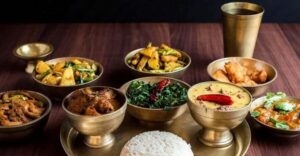
- What you eat: fresh, filling, and built for real hunger
- Instructors, language, and that friendly momentum
- Accessibility and physical comfort: stairs are the one big catch
- Who this cooking class is best for
- Should you book this Thamel cooking class?
- FAQ
- How long is the cooking class?
- What times are the available sessions?
- Where do I meet, and where does it end?
- Is pickup offered?
- What’s included in the price?
- How many people are in the group?
- Do I need cooking experience?
- Can I cancel for a full refund?
Key takeaways before you go
- Small group size (up to 8) means you get real attention, not just a demo.
- Three daily shifts let you fit it around sightseeing or dinner plans.
- You cook and eat immediately, so your food stays hot and you can control how spicy it gets.
- Menu variety (4 dishes each) means you’re not stuck making only one thing.
- Momos are built in on each menu, so that craving won’t go unmet.
- Ingredient market time may be part of the flow, especially for spices and produce.
Thamel, Kathmandu: the perfect launchpad for a 2.5-hour cooking plan
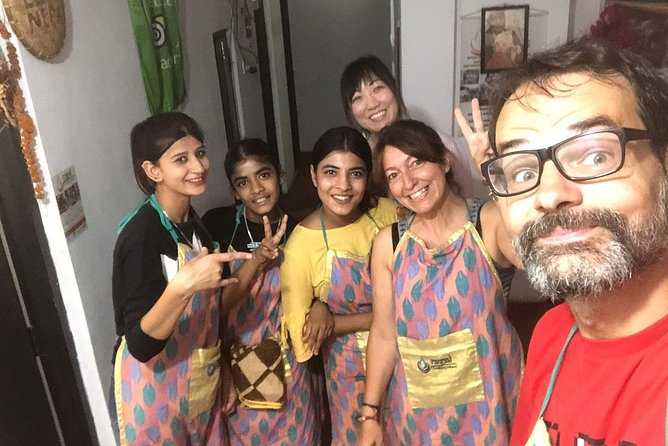
Thamel is where Kathmandu feels most tourist-friendly, and that matters for a cooking class. Your meeting point is at Divine Kathmandu Hotel in Thamel, and the experience ends back at the same spot. That simple loop helps when you’re juggling traffic, timing, and energy.
This class also works with real travel schedules. You get three options in the day:
- Morning: 9:00 am to 12:30 pm
- Afternoon: 1:30 pm to 4:00 pm
- Evening: 4:30 pm to 8:00 pm
Even though the overall duration is listed at about 2 hours 30 minutes, don’t stress if your session feels a touch longer or shorter based on the flow. With short lessons and frequent eating, it feels active rather than rushed.
If you’re staying in Thamel or nearby, you’ll likely find it easy to reach the start point on foot or with a quick ride. And because the class size tops out at 8, you’ll notice the group stays social and manageable.
You can also read our reviews of more cooking classes in Kathmandu
Price and value: why $28 feels fair here
At $28 per person, you’re not just paying for instruction. You’re also paying for food and drinks, plus the structured learning that makes it easier to repeat at home.
The included items are substantial for the price: breakfast, lunch cooking course, snacks, coffee and/or tea, and dinner, plus the dishes you make during the class. Alcoholic beverages are not included, so if you want a beer or wine, you’ll need to handle that separately.
What makes the value feel right is the way the class is designed: you learn the why behind flavors (especially spices) and you practice actual steps (like dough work and dumpling technique). In a restaurant, you eat a dish. Here, you learn how to recreate it.
How the class actually runs: cook, eat, adjust your spice
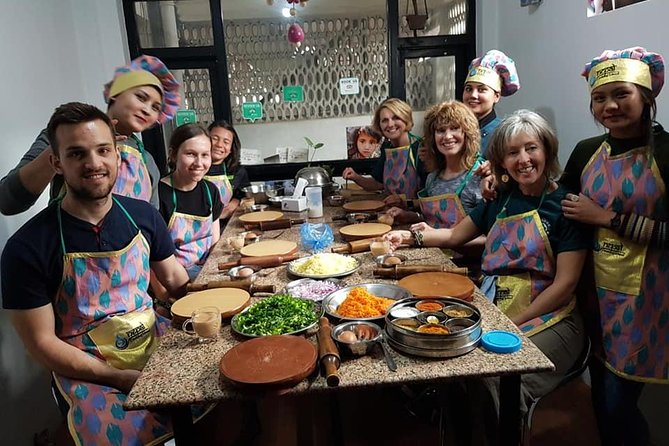
The teaching style is step-by-step, from scratch. The flow is very practical: you work through ingredients first, then move into techniques, including more involved tasks like making momos. The idea is simple—learn the process, then do it yourself.
A big plus for your comfort level is that you don’t have to tolerate heat you don’t want. Because you build flavor during cooking, you can control chili. If someone in your group goes easy on spice and another person wants it fiery, the class format supports both.
You’ll also likely appreciate how the class avoids the common “watch someone else cook” trap. You cook one course, then eat it. That means:
- your meal stays fresh and hot
- you can taste and understand what each step produced
- you don’t have to wait through the whole process hungry
This also helps if you’re traveling with a friend or family member who wants different things. One person can focus on technique, while the other watches spice levels and adjusts as they go.
Picking a menu in Thamel: your best strategy for variety
There are three different menus, and each menu includes four traditional Nepali dishes. That’s a lot of food for one class, and it matters because Nepalese cooking has a wide range of flavors and textures.
Here’s the key takeaway for your planning: choose the menu that matches what you actually want to learn. One menu might feel more dough-and-snack oriented (like chapata-style items made with dough from scratch). Another can lean more into dumplings and curry comfort.
Multiple reviews highlight that momo training is part of every menu. So you shouldn’t worry about arriving craving dumplings and leaving disappointed.
One practical tip: if you’re traveling with dietary needs, ask ahead. At least one class session was modified for gluten-free, which suggests the team can adapt when possible.
Market-to-kitchen reality: what you’ll do before the stove
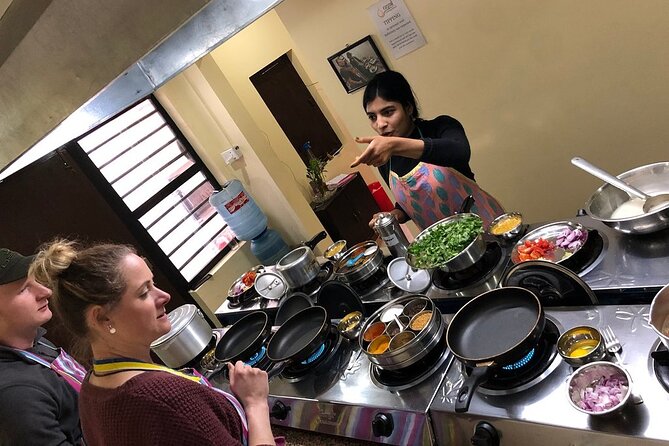
Your experience is based in Thamel, but cooking starts with ingredients. In practice, many sessions include time around vegetable and spice markets, including a focus on spices and produce you’ll use later.
Why that step is worth it: spices in Nepal aren’t just an ingredient. They’re a flavor system. Seeing and talking through the choices helps you cook with intent later at home, instead of copying a vague ingredient list.
You might also have the chance to visit a spice shop and buy spices to take home. If you’re the type who likes to recreate meals, this is where the learning becomes portable.
One note of balance: not everyone loves the shopping time. If you’re short on energy or you mainly want to get hands-on right away, plan for the market portion to take some attention and pacing. It can be informative, but it’s not the same as a strict “only cooking” schedule.
You can also read our reviews of more tours and experiences in Kathmandu
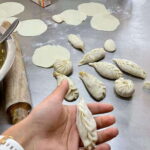
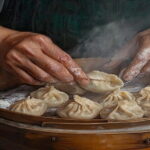
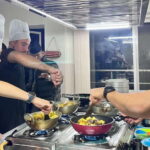
The kitchen work: from dough basics to dumpling confidence
This class is hands-on from the start. You’re not just chopping and stirring. You’re learning the mechanics that make Nepali food work.
A few skills that show up in the experience:
- Choosing ingredients (especially for spices and fresh items)
- Following dough steps for dishes where texture matters
- Making momos, which is one of the biggest take-home achievements for many people
Momos are popular for a reason. They’re fun, but they also test technique—portioning, wrapping, and getting the texture right. When the instructions are clear and you have time to practice, momos become less intimidating.
If you’re worried about skill level, relax. The class is designed for people who have never cooked Nepali food before. The pace is step-by-step, and with small groups, it’s easier for the instructor to correct things without making it awkward.
What you eat: fresh, filling, and built for real hunger
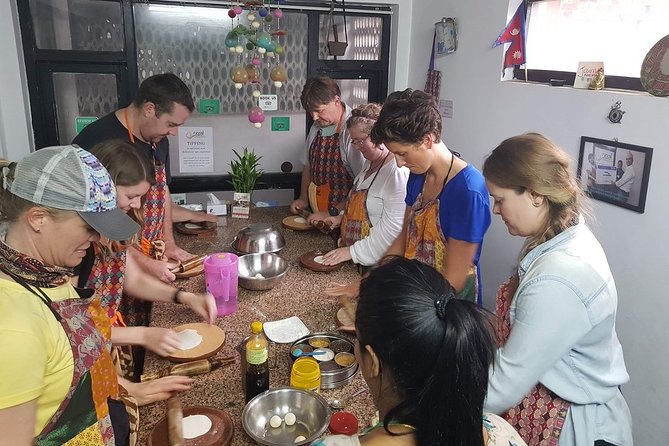
This isn’t a light snack class. The “come hungry” advice is spot-on.
You cook multiple dishes across your session, and each one you make is served to you right after cooking—so it lands while it’s still hot. You also get included meals and drinks that round out the day: breakfast, snacks, coffee or tea, and dinner.
Portion size and satisfaction are often what make cooking classes memorable, and here the structure supports it. You’re not waiting through a food show. You’re actively producing food and then eating it as you go.
Instructors, language, and that friendly momentum
The experience is led by the kitchen team and a chef who guides you through each step. Reviews commonly praise the team’s friendly energy and clear instruction. Names you may run into include Nilam and Anshu, who show up in past sessions as supportive teachers with good English and a fun teaching style.
What you should expect in practice:
- guidance that stays step-by-step
- chances to demonstrate and get corrections
- a relaxed vibe that doesn’t treat mistakes like failures
That tone matters. Cooking classes can feel stressful if you’re always “behind.” Here, the atmosphere is more like learning a family recipe than doing a timed exam.
Accessibility and physical comfort: stairs are the one big catch
One drawback that comes up in real terms: you may need to climb multiple flights of stairs to reach the kitchen area. So if stairs are a problem for you, factor that in before booking.
Also consider general physical comfort. This is hands-on cooking, so you’ll be standing and moving around for parts of the session. If you’d like a smoother experience, choose the shift that matches your energy levels—afternoon and evening sessions can sometimes feel more comfortable if you’re not starting the day already tired.
Who this cooking class is best for
This is a strong pick if you want more than a restaurant meal.
You’ll especially enjoy it if:
- you’re a food-first traveler who wants to bring skills home
- you want an active, family-friendly activity
- you like spice-driven cooking and want to understand how Nepali seasoning works
- you want a small-group class where questions actually get answered
It’s also a smart choice if you’re traveling with someone who isn’t a foodie but still wants a fun cultural activity. You’re doing something together, and the result is real food on your table.
If you’re only interested in watching and taking photos, this may feel like too much hands-on work. But if you’re willing to get a little messy and learn by doing, you’ll get a lot out of it.
Should you book this Thamel cooking class?
I’d book it if your goal is practical learning, not just eating. The format—cook one course, eat it right away, plus the included meals and drinks—makes it feel like good value for $28. And momos plus spice learning gives you two of the most popular take-home skills in Nepali cuisine.
Skip it (or ask extra questions) if:
- stairs are a dealbreaker for you
- you hate the idea of any market-style shopping time
- you only want a quick, sit-down cultural snack rather than cooking
If you can handle a bit of movement and you’re ready to taste as you go, this is the kind of experience that turns Kathmandu into something you can recreate at home.
FAQ
How long is the cooking class?
The class runs for about 2 hours 30 minutes (approx.), depending on the flow of your selected shift.
What times are the available sessions?
There are three shifts: 9:00 am–12:30 pm, 1:30 pm–4:00 pm, and 4:30 pm–8:00 pm.
Where do I meet, and where does it end?
You start at Divine Kathmandu Hotel in Thamel, and the experience ends back at the same meeting point.
Is pickup offered?
Pickup is offered (and you’ll receive the confirmation details after booking).
What’s included in the price?
You get the cooking course meal and additional included food and drinks: breakfast, snacks, coffee and/or tea, and dinner. Alcoholic beverages are not included.
How many people are in the group?
The class has a maximum of 8 travelers, so it stays small.
Do I need cooking experience?
No. The class is designed so you can learn from scratch, even if you have no cooking experience.
Can I cancel for a full refund?
Yes. You can cancel up to 24 hours in advance for a full refund, and cancellation cut-off is based on local time.