REVIEW · COOKING CLASSES
Kathmandu: Local Women-Led Nepali Cooking & Momo Class
Book on GetYourGuide →Operated by Relax Getaways Pvt. Ltd · Bookable on GetYourGuide
Momo dough turns cooking class into a real trip. This Kathmandu session blends a market walk with hands-on cooking, so you understand Nepali flavors from the first ingredient choice to the last bite. You’ll love the focus on skills you can repeat at home, not just a quick demo. You’ll also like how the class keeps things lively and small, with instructors such as Nish and Vikram guiding you step by step.
Two standouts for me are the hands-on momo and dal bhat process and the warm, patient teaching style credited to instructors like Nishma, Bikram, and Vicram (and support from team members such as Biccie and Jojo). The one real consideration: the venue has stairs, and it isn’t suitable for wheelchair users or visually impaired guests.
In This Review
- Key points to know before you go
- Why this Kathmandu momo class feels local, not performative
- Timing in Thamel: what 3 hours usually means for your day
- The market walk for spices and produce: the skill behind the flavor
- In the kitchen: making momo from scratch (and not panicking)
- Dal bhat and chicken curry: learning the everyday backbone
- The extra dishes you might make: chatamari, bara, thukpa, and sweets
- Masala tea and the meal tasting: eating is part of the lesson
- Value and price: how $4 makes sense here
- Who should book this class (and who should think twice)
- Should you book this Kathmandu cooking class?
- FAQ
- What dishes does the class focus on?
- How long is the cooking class in Kathmandu?
- Is there hotel pickup in Kathmandu?
- Is the class vegetarian-friendly?
- What language is the instruction?
- What should I bring?
Key points to know before you go
- Market shopping in Thamel: choose vegetables, spices, and (if you want) meat together before you cook
- Momo first, always: dough, filling, shaping, and dipping sauce are taught from scratch
- Dal bhat fundamentals: you’ll learn the rice-and-lentil rhythm that anchors everyday Nepali meals
- You can tailor the menu: pick options like veg or chicken momo, plus extra dishes when available
- You eat a full meal: masala tea plus the food you prepare, often in a satisfying lunch or dinner format
- Small group attention: lessons are paced for real questions and hands-on practice
Why this Kathmandu momo class feels local, not performative
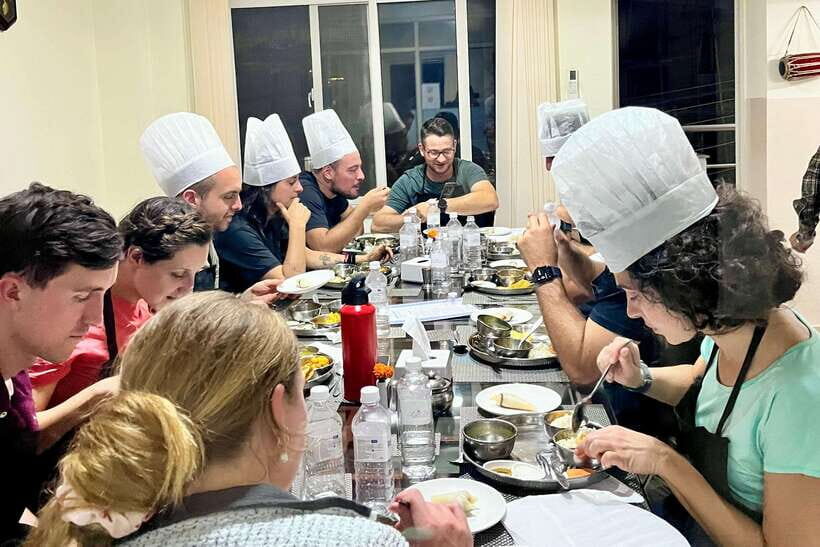
Kathmandu cooking classes can easily turn into a stage show: watch, smile, leave. This one works differently because you start with ingredients and you finish with a plate you made. The market visit matters because Nepali cooking is built on the feel of spice blends, the right vegetables, and the way proteins are handled. When you buy the components yourself, the recipes make more sense later.
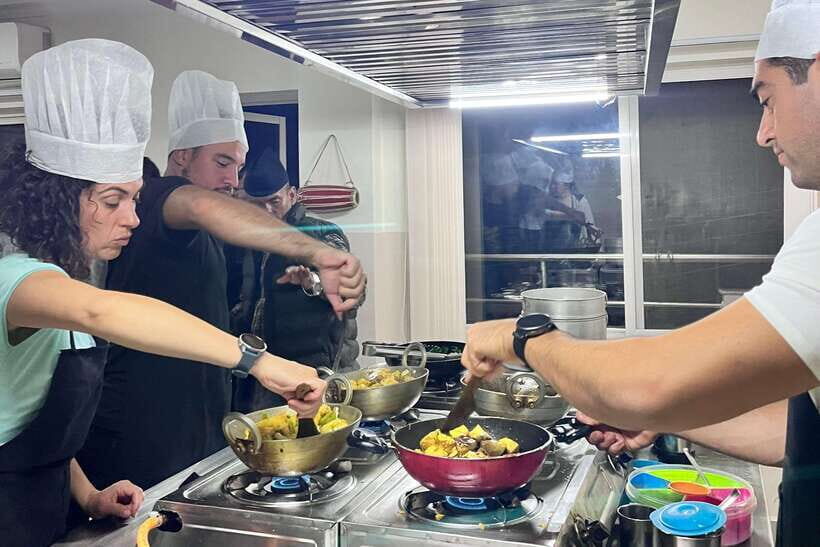
I also like that this experience is explicitly women-led, which shows up in the teaching energy and the relaxed hospitality. You’ll be working in a real kitchen setup, not a classroom. And while it’s casual, it isn’t sloppy: the class is designed to guide you through a complete cooking flow, from prep to cooking to tasting.
One more practical win: the group stays small, so you’re not shouting over a crowd. Instructors named Nish and Nishma, plus Vikram or Bikram, come up repeatedly in the provided info, and the lesson style is described as patient, clear, and unhurried.
You can also read our reviews of more cooking classes in Kathmandu
Timing in Thamel: what 3 hours usually means for your day
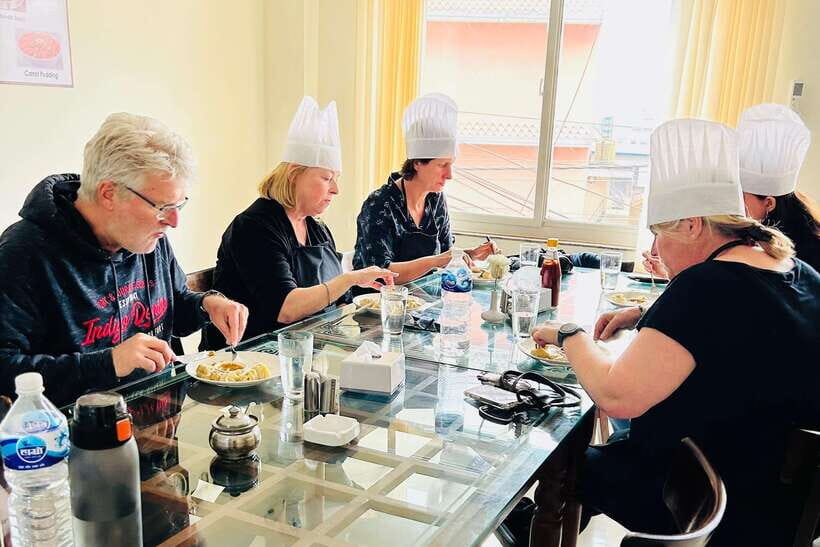
The class is listed at 2 to 4 hours, and the experience runs around 3 hours total, including the market visit, cooking, and eating. In real terms, that makes it a good slot when you want something more than a short snack stop but don’t want to lose a full evening.
If you’re staying in Thamel, you’ll probably find it easier than you expect to reach the meeting point and the kitchen. Many lessons also offer optional hotel pickup and drop-off within Kathmandu if you select that option and share your hotel details. If you’re not picking up, just plan extra time to get to the start point because the area can involve stairs and steep walking routes.
You’ll also want to show up early. The guidance is to arrive 15 minutes before the scheduled time. That’s not just bureaucracy; it gives you a buffer for finding the location and getting your apron and station set before cooking begins.
A small but important tip: wear comfortable clothes. You’ll be standing, mixing, and handling ingredients. Aprons and cooking equipment are provided, so you only need clothes you don’t mind getting a little flour or spice on.
The market walk for spices and produce: the skill behind the flavor
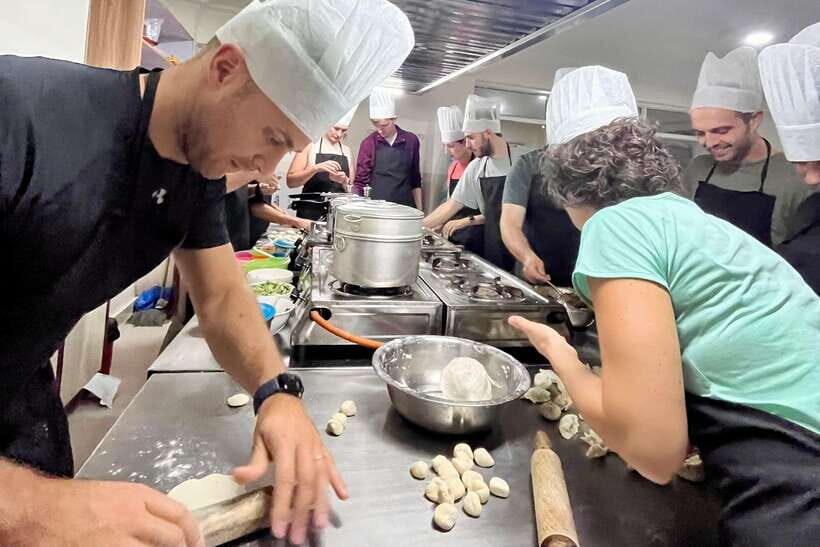
One of the most valuable parts is the market/shop tour to buy ingredients for the class. This is where the cooking lesson stops being abstract. You get to see what goes into the meal: vegetables for momo fillings, spices that shape the sauce, and if you choose it, meat.
You don’t need to become a spice expert. The class is set up to help you connect ingredients to outcomes. For example, you learn that Nepali flavor isn’t just heat. It’s a mix of aroma, toastiness, and the balance between a dipping sauce and dumpling richness. You also get practical practice making ingredient choices, since the class starts from scratch.
One caution from the practical side: some people wish they had more explanation during the shopping portion. If you’re the type who loves to understand what each item is and why it matters, lean into your questions while you’re there. Ask how particular spices behave in sauces, and what makes one vegetable better for filling versus another.
By the time you reach the kitchen, you’ll feel prepared. You’ll have your ingredients in mind, and that makes the cooking steps stick. It’s easier to remember a process when you’ve physically chosen the parts.
In the kitchen: making momo from scratch (and not panicking)
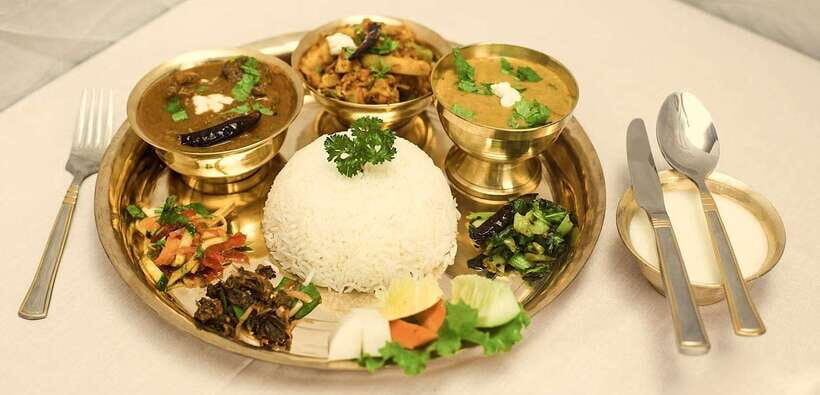
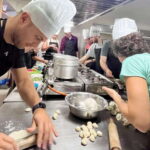
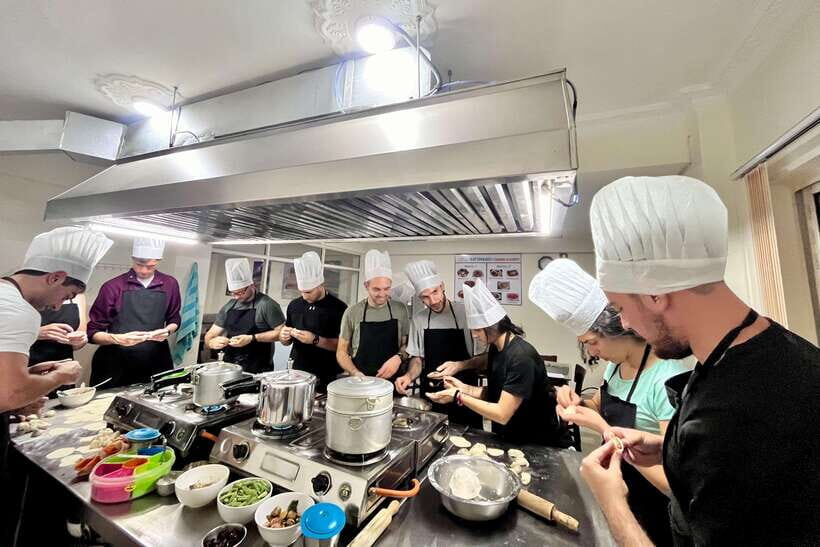
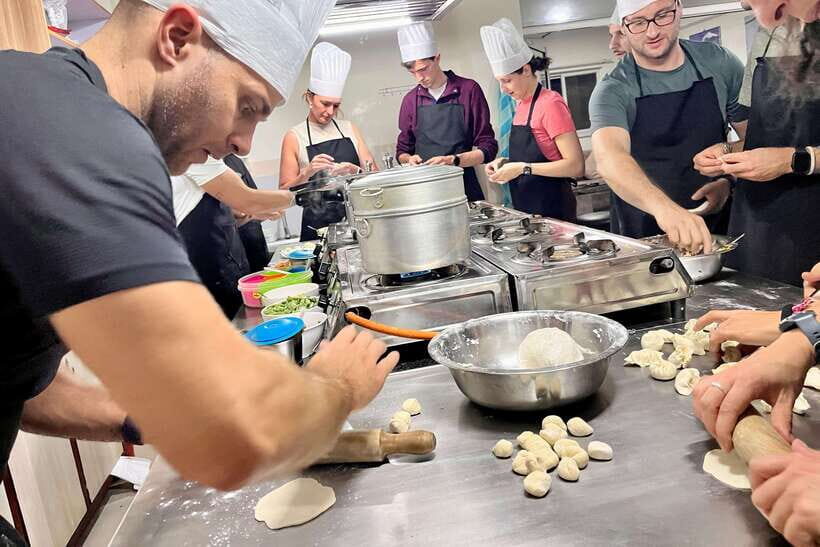
The class centers heavily on momo, usually paired with dal bhat as a core meal. You’ll work through the dumpling process from the beginning: dough prep, mixing the filling (veg or chicken options), shaping the momo, and making the dipping element that completes the plate.
This matters more than it sounds. Momo is deceptively simple on menus, but the technique is where the difference shows up at home. Learning from step-by-step instructions reduces guesswork, especially if you’ve never worked with dumpling dough before. The provided info repeatedly highlights instructors like Nish, Nishma, and Vikram for explaining each step clearly and keeping the pace comfortable.
You’ll also probably notice the class isn’t just about one dish. Even while momo is the headline, you’re learning a system: how to prep ingredients properly, how to keep flavors balanced, and how to handle timing so food lands on the table while everything is fresh.
A small detail that can change your comfort level: the experience is hands-on, and you’ll make multiple items. That’s great for learning, but it means you should arrive with an appetite and a relaxed attitude. You’re there to cook, not just to watch.
Dal bhat and chicken curry: learning the everyday backbone
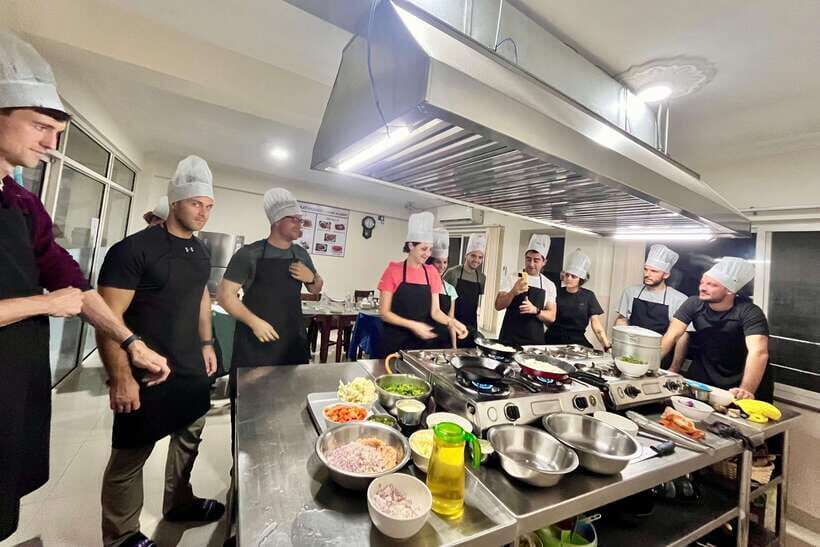
If momo is the fun part, dal bhat is the backbone. The class description lists dal bhat as a main focus, and you’ll learn how rice and lentils work together as a complete meal. This is useful even if you’re not a lentil person now, because the goal is to understand the structure of the meal: warm lentils for body and depth, rice to steady it, and sides and spices to finish it.
The menu options also include classic pairings like chicken curry with roti, so you can see how Nepali spice profiles shift between dumpling sauce and curry braise. Depending on what you select, you may also get additional curries alongside the staples.
In the provided info, participants mention leaving full and satisfied, not snack-fed. That’s a good sign for value. A $4 class sounds almost too good to be true, but the meal portion is clearly built into the experience. You aren’t paying just for a lesson; you’re paying for the whole arc: shopping, cooking, tasting, and eating.
You can also read our reviews of more tours and experiences in Kathmandu
The extra dishes you might make: chatamari, bara, thukpa, and sweets
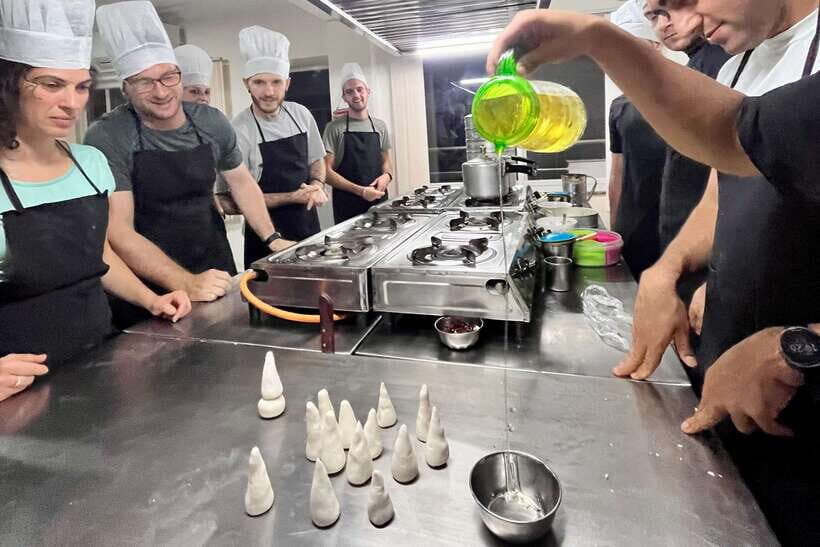
One reason this class stands out is the menu flexibility. The information says the main focus is momo and dal bhat, with options to choose additional Nepali dishes. People are shown making a mix that can include:
- Chatamari (Nepali pizza): a flatbread topped with ingredients, taught as a distinct technique rather than another dumpling
- Bara: deep-fried lentil patties, crisp outside and tender inside
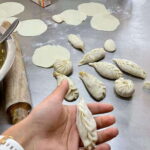
- Yomari: a sweet dumpling filled with jaggery and sesame seeds
- Thukpa: a hearty noodle soup linked to Tibetan cuisine but loved in Nepal
- Mushroom choila: spicy marinated mushrooms with bold Nepali spice character
- Carrot pudding: a sweet end to the meal
This variety helps if you’re a foodie and don’t want to spend all your time on one technique. You can walk away understanding how Nepali flavors travel across categories: fried snacks, soups, flatbreads, dumplings, and desserts.
One practical note: if you’re vegetarian, you’re not stuck. The class lists vegetarian and meat options for dishes like momo, and you can share dietary restrictions in advance. If you have allergies, the class asks you to inform them ahead of time so hygiene and ingredient choices are handled properly.
If you want one “just pick it” strategy: choose the dishes that teach you different cooking actions. For example, pair momo with something fried (bara) and something saucy (thukpa or curry). That combination makes it easier to recreate a menu at home later.
Masala tea and the meal tasting: eating is part of the lesson
You’ll get Nepali masala tea during the lesson, and then you eat what you prepared in a tasting session. In many cooking classes, tasting is a formality. Here, it’s a finishing act. If you’ve followed the steps, the meal tastes like a reward, not like a chore.
Masala tea also helps with pacing. It gives you a warm break while you transition from cooking steps to tasting. It’s listed as part of the included experience, so you don’t have to budget extra for it.
From the provided info, people repeatedly mention eating plenty of freshly made food and, in some cases, taking leftovers. That’s consistent with a class designed for a real lunch or dinner experience, not tiny portions designed to keep you hungry for later.
Bottom line: plan to be hungry. The class is built around cooking and eating in one block, and you’ll enjoy it more when you’re not trying to squeeze it between intense sightseeing and a late dinner.
Value and price: how $4 makes sense here
At $4.00 per person, the obvious question is whether it’s real value or a gimmick. Based on the provided details, it’s value because you’re getting multiple components that normally cost more elsewhere: market shopping, hands-on instruction, equipment, and a full tasting meal plus masala tea.
A typical expensive cooking class gives you two of those pieces. This one bundles them. The duration—around 3 hours—also matters. You’re not paying for 45 minutes of mixing. You get time for shopping, cooking, and actually eating what you make.
Hotel pickup is optional, and if you don’t add it, you can still reach the class from central Thamel on foot or by taxi. So the cost stays low without turning the experience into a complicated logistics puzzle.
One caution: the class isn’t ideal for everyone due to stairs, so factor that in if mobility or vision is a concern. If you can manage stairs and don’t mind a slightly physical setup, the price feels genuinely fair.
Who should book this class (and who should think twice)
This is a strong pick if you:
- Want a hands-on culinary experience in Kathmandu, not just a tasting
- Are curious about Nepali staples like momo and dal bhat
- Like learning recipes you can realistically cook again later
- Enjoy meeting other people in a relaxed, group kitchen environment
It’s also a good option if you’re traveling with friends or family who want to do something interactive and laugh-y without needing a strict food tour schedule.
Think twice if you:
- Need wheelchair access or have visual impairment needs (the class is not suitable for wheelchair users and visually impaired people)
- Want a long, narrated market lecture only (the market tour is part of the process, but some people wanted more explanation on specific foods)
If you’re a first-time visitor to Kathmandu, this also helps you understand everyday food culture quickly. If you’re already familiar with Nepal, it still adds value by teaching technique and giving you a broader menu mix beyond dumplings.
Should you book this Kathmandu cooking class?
Yes, if you want a compact, skill-building meal experience in Kathmandu that starts at the market and ends with you eating your own cooking. The repeated emphasis on step-by-step guidance, friendly instruction from people like Nish/Nishma and Vikram/Bikram, and the fact that you’re making more than one dish makes it a smart use of a few hours.
I’d pass only if stairs or vision access is an issue, or if you’re looking for a quiet, no-hands “watch and learn” class. Otherwise, this is the kind of activity that leaves you with more than photos. You leave with techniques, spice logic, and a menu you can recreate back home.
FAQ
What dishes does the class focus on?
The class focuses mainly on momo and dal bhat. You can also choose additional Nepali dishes depending on the menu options available.
How long is the cooking class in Kathmandu?
It runs about 3 hours, including the market visit, the cooking session, and the meal tasting. The listed duration is 2 to 4 hours depending on the schedule.
Is there hotel pickup in Kathmandu?
Pickup is optional. If you choose it, you’ll need to provide your hotel details for coordination.
Is the class vegetarian-friendly?
You can choose vegetarian options for dishes like momo, and you can let the team know about dietary restrictions or preferences in advance.
What language is the instruction?
The instructor provides the class in English.
What should I bring?
Bring a camera, and wear comfortable clothing since you’ll be doing hands-on cooking. Aprons and cooking equipment are provided.