REVIEW · COOKING CLASSES
Kathmandu: Local Lead Nepali Cooking & Momo Making Class
Book on GetYourGuide →Operated by Kathmandu Cooking Academy · Bookable on GetYourGuide
Dumpling lessons in Kathmandu, hands-on. In this class I love the momo folding practice and the dal bhat coaching, and you also shop for ingredients with the chef. The one thing to consider: you’re actively cooking for most of the 3–4 hour experience, so wear comfy clothes and be ready to stand.
What makes it feel genuinely local is the small-group setup and the way instruction stays practical. You’ll work with English guidance and use the academy’s kitchen equipment, with the pace kept slow enough for first-timers. I also like that you can often choose what else to make beyond the two main dishes.
With a price around $4 and a full meal included, this is one of the best bargain-style food experiences in Kathmandu. You’ll meet at Kathmandu Cooking Academy, which is an easy 10–15 minute walk from Thamel, though pickup is available if you want it.
In This Review
- Key highlights worth planning for
- Kathmandu Cooking Academy: where the class actually feels comfortable
- The market run: buying ingredients like a Nepali home cook
- Momo and dal bhat: the two dishes that teach the most
- Choosing more dishes: make it your meal, not a fixed script
- The chefs and teaching style: patient, English-speaking, and hands-on
- Tasting session and masala tea: the meal you earn
- Price and value: $4 for market shopping plus a full meal
- Practical tips so your hands and your schedule cooperate
- Who this momo and dal bhat class is best for
- Should you book this Kathmandu Nepali cooking and momo class?
- FAQ
- Where do I meet for the cooking class?
- How long is the class?
- Does the class include hotel pickup and drop-off?
- What dishes will I learn to make?
- Is the instruction available in English?
- How large is the group?
- What should I bring?
Key highlights worth planning for
- Market shopping with the chef: you pick ingredients in a local shop before you cook
- Momo practice you can repeat at home: real folding time, not a demo
- Dal bhat built step-by-step: clear guidance for the main plate staples
- Extra dishes are your choice: options can include items like bara and yomari
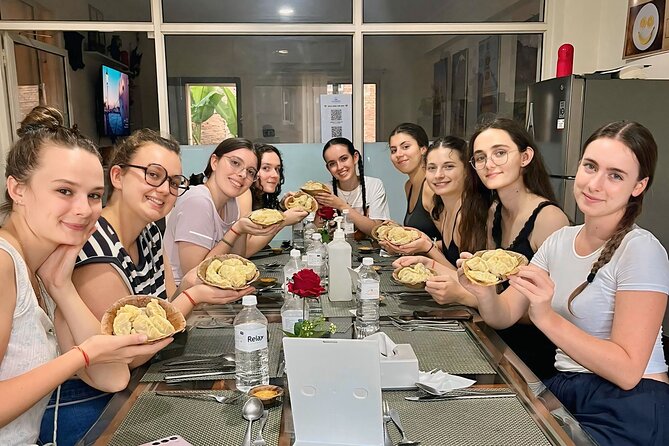
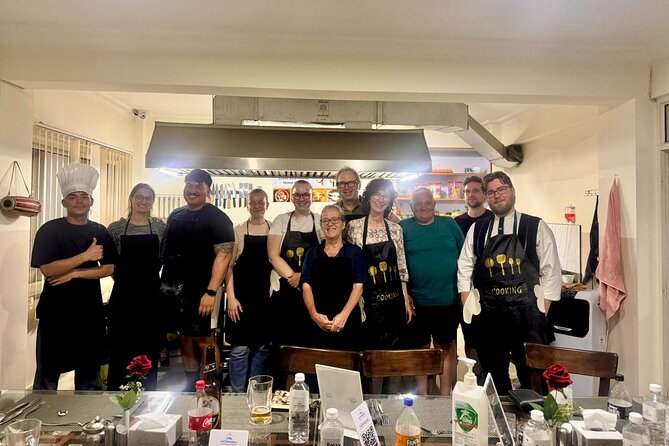
- Small group attention: limited to 10 participants so you’re not lost in a crowd
- Eat what you make, plus masala tea: tasting session with complimentary Nepali tea
Kathmandu Cooking Academy: where the class actually feels comfortable
This cooking class runs from Kathmandu Cooking Academy, right in the heart of Kathmandu’s day-to-day action. If you’re staying in Thamel, plan on a short walk—about 10 to 15 minutes—so you can arrive early and settle in without rushing. There’s also a hotel pickup option across Kathmandu Valley if you’d rather not navigate streets on a tight schedule.
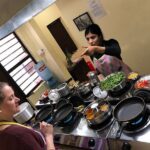
Inside, the setup matters. The kitchen and dining space are described as clean and well equipped, which you’ll appreciate once you start mixing fillings and rolling dough. And because it’s a small group (up to 10 people), the teaching style stays personal. You’re not watching someone else cook while your hands sit idle.
Timing is also pretty helpful for planning your day. The full experience is about 3 hours, though the overall duration is listed as 3 to 4 hours depending on the run. That means you can do it without sacrificing a major chunk of your Kathmandu sightseeing day.
You can also read our reviews of more cooking classes in Kathmandu
The market run: buying ingredients like a Nepali home cook
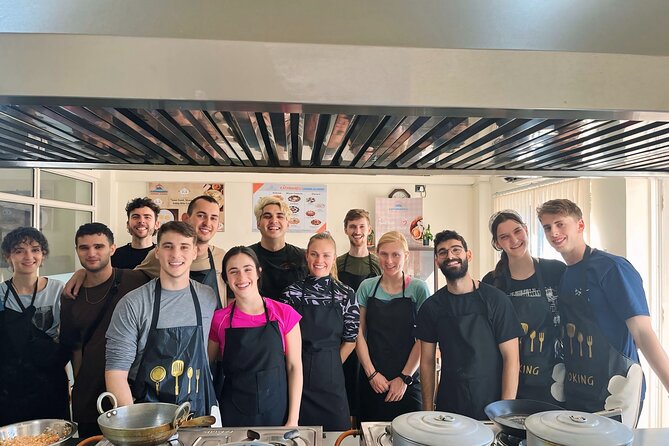
The class starts with a guided market or shop visit for fresh ingredients. This is one of the parts I think most people underestimate. Shopping locally isn’t just “nice flavor context”—it’s where you learn what matters for Nepali cooking, and it makes the rest of the class easier.
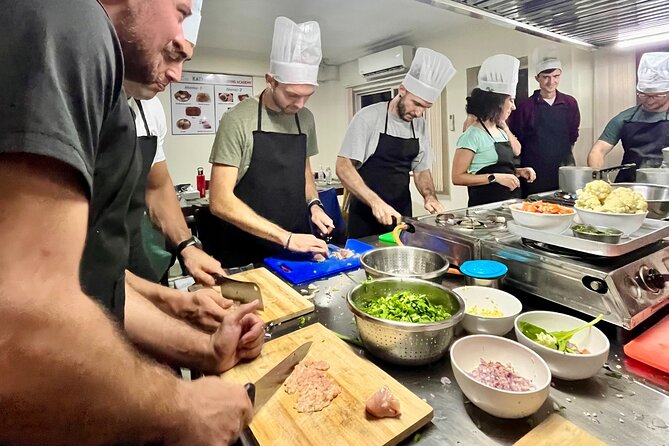
As you walk the market, your chef guide helps you select what you’ll need for your dumplings and your main plate. You’re getting the ingredients in the right forms, not generic pantry substitutes. Then, back at the kitchen, that ingredient logic comes back into the dishes: you understand why something is diced, why spices are added at a specific point, and how textures are supposed to look.
One practical tip: come hungry in a good way. The market, the chopping, the folding, and the cooking take up your hands and attention. When you finally sit down to eat, it hits better than a snack stop.
Momo and dal bhat: the two dishes that teach the most
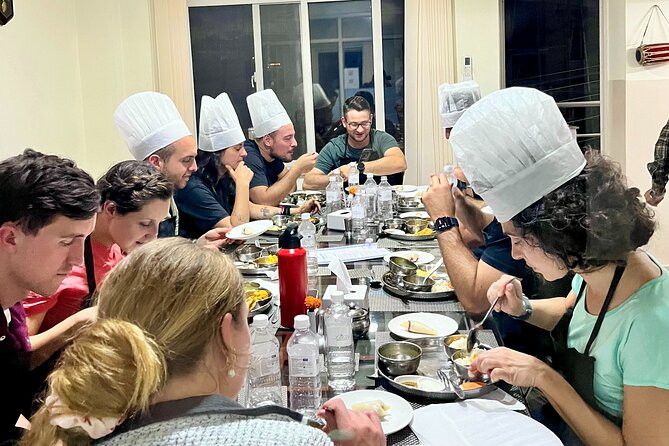
This class is built around two iconic Nepali favorites: momo and dal bhat. Even if you’ve never made dumplings before, you’ll get hands-on steps instead of vague instructions.
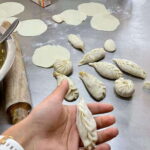
For momo, the teaching focus isn’t just the filling. It’s the dumpling-making process—rolling, filling, and especially the folding. In multiple accounts of the experience, people highlight the patient coaching during the folding stage, which is usually where dumpling beginners get stuck. If you’ve ever tried to fold something delicate and felt your hands freeze, you’ll be glad this class gives you time and correction.
For dal bhat, the emphasis is on getting the main components right so you can recreate the “works with everything” comfort plate later. You’ll learn the flow of how the dal is handled and how it fits with the rest of the meal. Since the class ties instruction to what you bought in the market, the cooking steps feel more logical and less like memorizing a recipe.
You also typically get more than just these two dishes. The structure is designed so you prepare and cook your chosen menu items, then sit down to eat them.
Choosing more dishes: make it your meal, not a fixed script
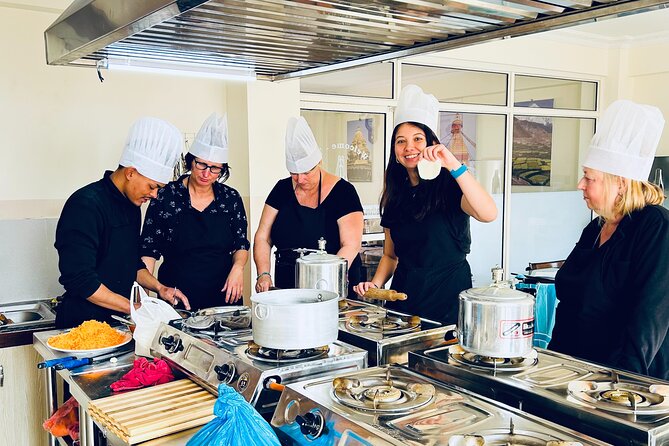
While momo and dal bhat are the anchors, you’ll also have options for additional dishes. The key detail here is choice. You can pick from a variety of traditional Nepali dishes, and many people end up making three dishes each depending on the menu.
Some dish names show up often in accounts of the class, including bara and yomari. If you’re trying to bring Nepal home through flavor variety, this is where you can customize. You’re not stuck making only dumplings for four hours.
This also matters for repeat value. If momo alone is your goal, you’ll leave with dumpling confidence. If you want a broader “Nepal night at home” lineup, the extra options help you build a menu that feels like a real Nepali meal rather than a single trick.
The chefs and teaching style: patient, English-speaking, and hands-on
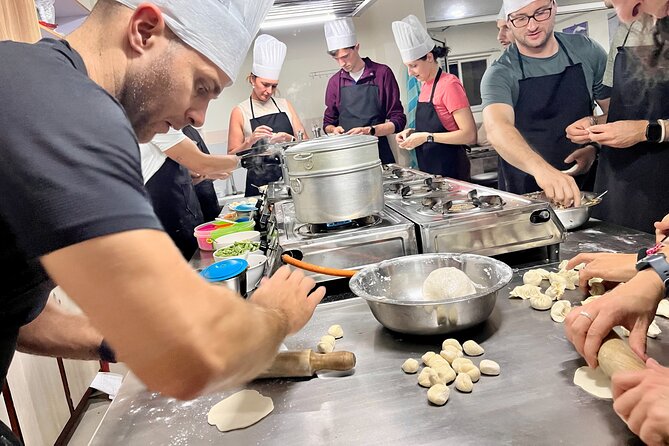
The class is taught in English, which makes a difference in a cooking setting. You don’t want instructions filtered through gestures when you’re trying to match dough texture or fix a filling that’s too wet.
People speak highly of instructors who explain clearly and stay patient during the practical parts—especially folding dumplings. Names like Vikram come up as an example of a guide who gives encouraging, understandable step-by-step direction. Another host name that’s mentioned is Niche, often connected with energetic teaching and cultural context alongside the cooking.
You’ll also have more than one staff member in the kitchen at times, with assistants helping during the busiest steps. That support is what keeps a class from turning into a scramble when someone is still figuring out how the wrapper should behave.
You can also read our reviews of more tours and experiences in Kathmandu
Tasting session and masala tea: the meal you earn
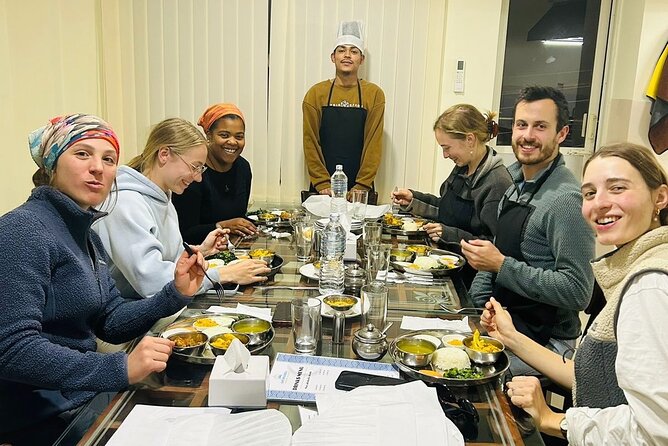
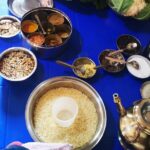
After the cooking, you sit down for the tasting session and eat what you prepared. This part is simple but important. When you’ve spent hours shaping dumplings and working through sauces, you learn faster because you can compare what you did to what the final dish should feel like.
The class includes complimentary Nepali masala tea, which is a nice touch after the spice and heat of cooking. It also gives you something warm to slow down with before you head back out into Kathmandu’s street life.
Some accounts mention that portions can feel plentiful. That’s exactly what you want from a cooking class: you shouldn’t leave still hungry or still thinking you need to find dinner elsewhere.
Price and value: $4 for market shopping plus a full meal
At about $4 per person, this is a rare kind of experience: a cooking class that doesn’t feel like a major “tourist add-on.” The reason it’s good value isn’t just the price. It’s what you get for it—hands-on cooking, market shopping for ingredients, use of professional kitchen equipment, a tasting session, and a complimentary drink.
It also helps that the group is small, so the cost isn’t spread across a huge crowd where you’d lose personal guidance. Even if pickup isn’t included in every option, hotel pickup is available as an add-on, which can be worth it if you’re short on time or you want the easiest start.
So the real question isn’t whether it’s cheap. It’s whether the class content fits what you want: dumpling skills, dal bhat basics, and a Nepal-inspired dinner you can understand and repeat later.
Practical tips so your hands and your schedule cooperate
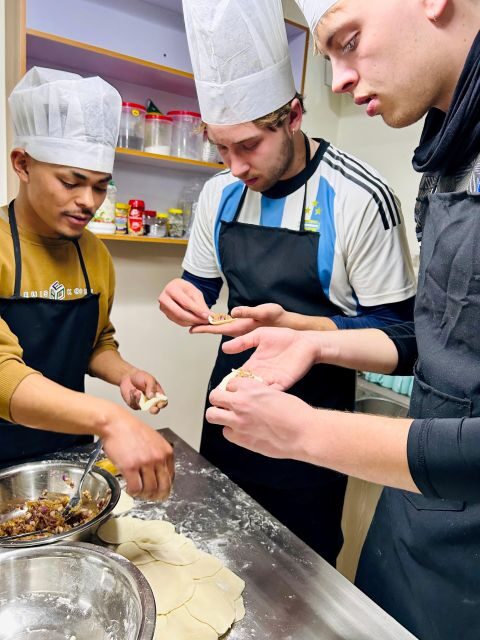
A few details make your day smoother:
- Arrive about 15 minutes early so check-in doesn’t eat your cooking time.
- Bring a camera if you like photos. There’s enough going on—from market ingredients to hands-on dumpling folding—that pictures are usually fun.
- Wear comfortable clothing. You’ll be actively participating, not just observing.
- If you have dietary restrictions, tell the organizers in advance so the menu can be adjusted.
If mobility matters, the class is listed as wheelchair accessible. If you’re traveling with young kids, note that the class isn’t suitable for children under 5, and there are age limits listed at the upper end as well.
Most importantly: treat this as a practical workshop. The best result comes when you show up ready to work with your hands.
Who this momo and dal bhat class is best for
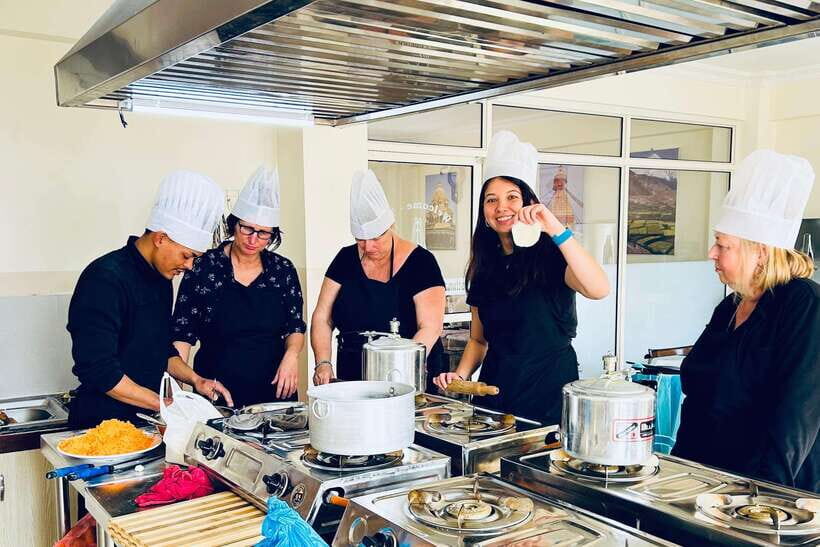
I think this class fits three main kinds of travelers:
First, food lovers who want skills, not just a meal. If you want to make dumplings and understand how Nepali staples come together, you’ll feel satisfied.
Second, people who enjoy small-group experiences. A group limited to 10 means you get correction and guidance rather than one-size-fits-all instructions.
Third, visitors staying near Thamel who want a half-day activity with a clear finish. You can come in, cook, eat, and head out without needing to plan a complicated route after.
If you dislike hands-on activities—if you’d rather watch than cook—this might feel like work. But if you want the satisfaction of making the dinner yourself, it’s a great fit.
Should you book this Kathmandu Nepali cooking and momo class?
Yes, if your goal is hands-on Nepali food skills at a smart price. You’ll get structured instruction in English, market shopping for ingredients, and real time working with momo and dal bhat—then you’ll eat what you made with masala tea.
I’d think twice only if you hate cooking activities or you’re trying to squeeze in a super packed schedule where every hour matters. Also, since the class needs a minimum of 2 participants to run, you’ll want to double-check your travel dates if you’re booking on very tight timing.
If you want a “I can cook this at home” souvenir instead of another photo stop, this is the kind of class that earns its place on your Kathmandu list.
FAQ
Where do I meet for the cooking class?
You’ll meet at Kathmandu Cooking Academy. It’s located in the heart of Kathmandu and is an easy 10–15 minute walk from Thamel. Look for the signboard outside the building.
How long is the class?
The experience is about 3 hours in typical runs, and the duration is listed as 3 to 4 hours total.
Does the class include hotel pickup and drop-off?
Hotel pickup and drop-off are optional. If you choose pickup, the driver can meet you within Kathmandu Valley and transfer you to the academy.
What dishes will I learn to make?
The class focuses on momo and dal bhat as the main courses, with options to choose additional traditional Nepali dishes.
Is the instruction available in English?
Yes, the instructor teaches in English.
How large is the group?
The class is a small group with a maximum of 10 participants.
What should I bring?
Bring a camera if you want photos. Wear comfortable clothing since you’ll be actively cooking.