REVIEW · HISTORICAL TOURS
Private Kathmandu Sightseeing Tour | UNESCO World Heritage sites
Book on Viator →Operated by Breakfree Adventures Pvt. Ltd. · Bookable on Viator
Kathmandu can feel like a puzzle. This private UNESCO loop turns it into a clear, guided day of Hindu and Buddhist landmarks.
I especially love the hotel pickup and drop-off. It spares you the usual start-of-day scramble, and it keeps the whole plan relaxed even when traffic gets spicy. And I really like the way you can choose 2, 4, or 7 UNESCO sites so you match the day to your energy and your schedule.
One thing to consider: monument entry fees are not included, and you’ll also want to know about temple-access rules inside Hindu sites. If you’re hoping to wander everywhere without restrictions, this might not be the right tour style for you.
In This Review
- Key highlights worth planning around
- How the 2, 4, or 7 UNESCO options fit your day
- The real win: hotel pickup plus private transport in chaotic traffic
- Stop 1: Swayambhunath Monkey Temple and the view-from-the-top feel
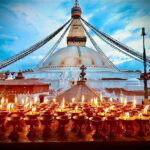
- Boudhanath Stupa: where devotion moves in circles
- Pashupatinath Temple: sacred Hindu space with real cultural rules
- Patan Durbar Square and Patan Museum: why the valley crafts matter
- Thamel and Kathmandu’s UNESCO core: breaks, bearings, and a city overview
- Bhaktapur Durbar Square: where you slow down on purpose
- Changu Narayan Temple: a shorter stop that can add meaning fast
- Guides make the difference: Dipesh, Deepak, Bidhya, Shankar, and Prasant
- Price and entry fees: what your $17 is really buying
- Should you book this private Kathmandu UNESCO tour?
- FAQ
- How long is the Kathmandu UNESCO sightseeing tour?
- What UNESCO sites are included?
- Is hotel pickup and drop-off included?
- Are monument entry fees included in the price?
- How much are the entry fees?
- Is lunch included?
- What’s included in the tour package?
- Is the tour private or shared?
- Are there restrictions on entering temple areas?
- Can I cancel for free?
Key highlights worth planning around
- Hotel pickup and private AC transport so you’re not bargaining with maps and minivans all day
- UNESCO options (2, 4, 7 sites) let you avoid the too-much-of-a-good-thing problem
- A real English-speaking guide who explains rituals and history as you go
- Major Kathmandu Valley contrasts from stupa devotion to royal-square courtyards
- Temple access limits for inner areas at Hindu temples, depending on your background
How the 2, 4, or 7 UNESCO options fit your day
This is built as a choose-your-adventure UNESCO tour. You pick the number of World Heritage sites, and the route adjusts around Kathmandu Valley’s top monuments and the drive between them. That matters, because Kathmandu days can balloon. A 4-site option tends to feel like a good first introduction; a 7-site day is doable, but it’s more intense and more about steady “see and learn” than slow wandering.
If you’re arriving with only a day or two in town, I’d lean toward the 4-site option. Many people come away feeling they got the big picture without spending every minute in transit. If you’re short on time and want the core highlights, the 2-site plan can work as a focused sampler. If you love structure and want the most “checklist achieved” day, the 7-site option gives you a fuller sweep across the valley’s UNESCO names.
Also, one reviewer said the 7-site plan would have been too much for them, and the 4-site pacing felt right. That’s a useful signal: your comfort level with long temple circuits matters as much as the number of stops.
You can also read our reviews of more private tours in Kathmandu
The real win: hotel pickup plus private transport in chaotic traffic
The biggest practical advantage is not the monuments. It’s the logistics. You get hotel pickup and drop-off by private vehicle, which means you start and end on your own schedule, not the group minibus schedule.
Kathmandu traffic is its own attraction, in the way a long queue is an attraction. A private driver helps because you can keep moving between scattered sites without the awkward “where do we meet” moments. Reviews also point to guides who were calm and patient with timing, including one shout-out to Dipesh and a driver who handled the flow through crowded streets.
There’s a strong value angle here: even if you could DIY some of these sites, DIY doesn’t come with an English guide interpreting what you’re seeing, plus a driver who knows how to sequence stops in a reasonable order. You’re buying time, clarity, and less stress.
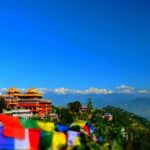
Stop 1: Swayambhunath Monkey Temple and the view-from-the-top feel
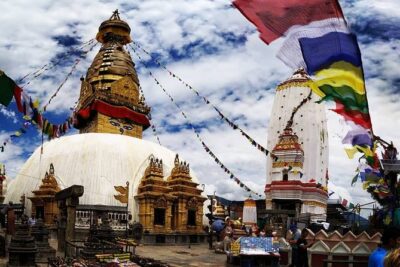
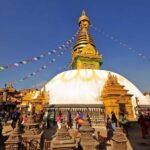
Swayambhunath, often called the Monkey Temple, is the kind of stop that makes Kathmandu feel like a single story. You’ll climb up to a Buddhist stupa complex with strong symbolism, and your guide’s job is to explain what you’re seeing beyond the postcard. The itinerary lists Swayambhunath / Swyambhu / Swyambhu as part of the UNESCO plan, with time allotted for a careful visit.
What I like about starting here is the way the place frames the city. On a good day, you get sweeping views, and the site’s layout helps you understand why this area became such a spiritual checkpoint. It also tends to be a mental reset: you go from car-and-streets into a temple zone with different rhythms.
Do remember the practical side. This is a temple stop with stairs and crowds, so you’ll want to pace yourself. One reviewer even mentioned a guide waiting patiently to make space for meaningful moments, which hints that your guide can help you adjust if your timing doesn’t match the flow.
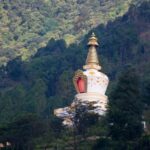
Boudhanath Stupa: where devotion moves in circles
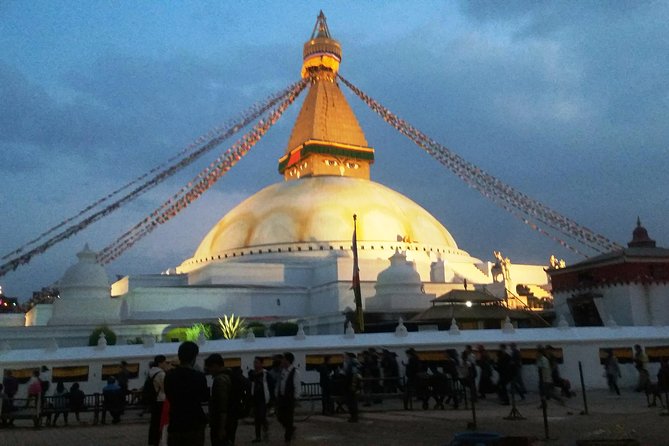
Next is Boudhanath Stupa, one of the most important Buddhist sites in Kathmandu. You get about an hour here, and that’s a sweet length: long enough to watch rituals and street-side life, but not so long that you burn out. Your guide’s commentary helps a lot at this stop, because the stupa isn’t just architecture. It’s a living center of practice.
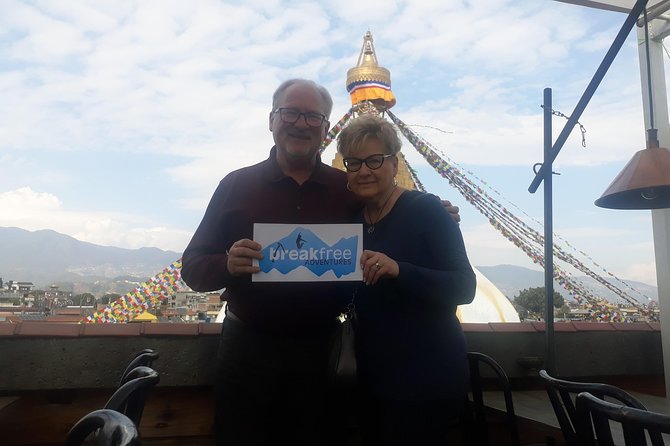
One review mentioned a rooftop lunch overlooking Boudhanath, which is exactly the kind of bonus this tour can offer when your guide knows good places nearby. If you want the day to feel balanced, this is a great moment to slow down slightly and absorb.
The one drawback? Boudhanath can be busy. That’s normal. Your best strategy is to let your guide point out what to look for, then step aside when you want quieter angles for photos or just to observe.
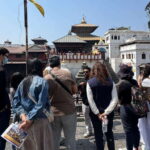
Pashupatinath Temple: sacred Hindu space with real cultural rules
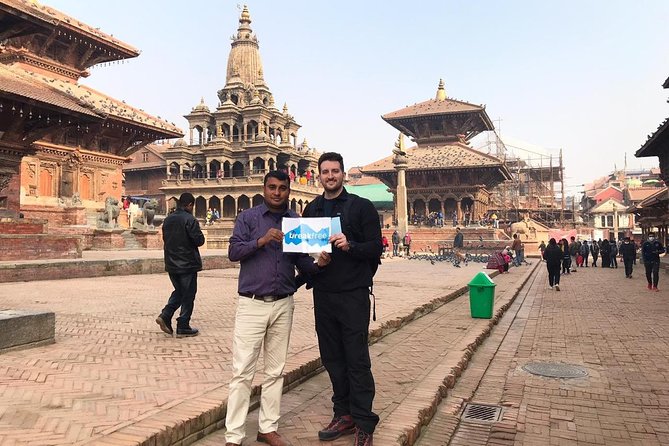
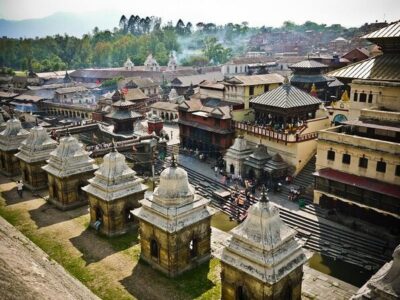
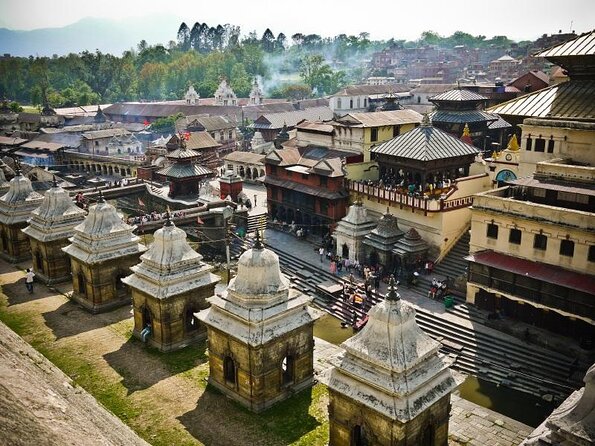
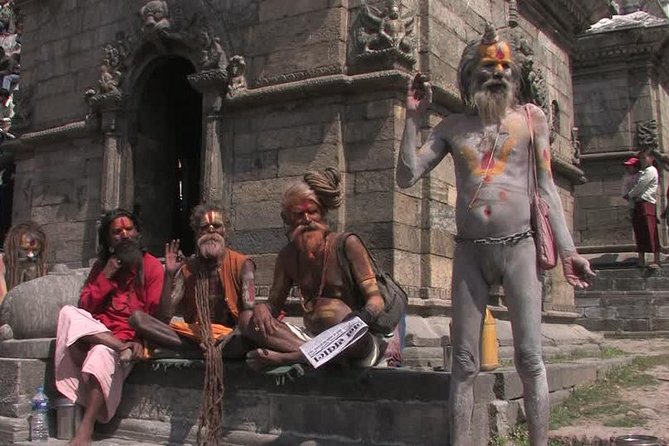
Pashupatinath Temple is the big Hindu centerpiece in the UNESCO set. It’s also the most serious in terms of spiritual context. Your guide will explain what you’re seeing and why it matters, and this is where the “private with an English guide” part really pays off. Without that, you’d miss a lot.
Plan for a visit that’s about meaning, not sightseeing speed. The itinerary lists Pashupatinath as a stop with about an hour allocated, and in a few tour experiences your guide may even coordinate timing around ceremonies. One reviewer described their guide, Dipesh, patiently waiting to witness an Hindu cremation ceremony when one was about to happen. That’s not something you should assume every day, but it shows how guides pay attention to respectful timing when it lines up.
Important consideration: the tour info states that only Nepali and Indian nationals of the Hindu faith are permitted to enter the inner premises of Hindu temples during the tour. So if you’re traveling from elsewhere, expect that you’ll be observing from accessible areas and following your guide’s instructions for where you can go.
You can also read our reviews of more historical tours in Kathmandu

Patan Durbar Square and Patan Museum: why the valley crafts matter
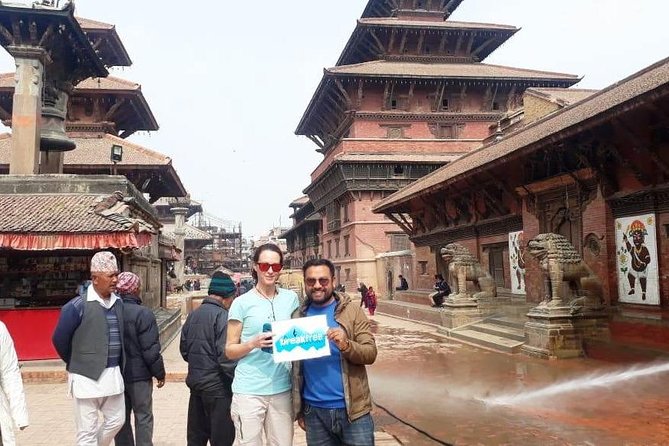
Patan is often where first-time visitors start to feel the “Kathmandu Valley is more than one city” idea. Your itinerary includes Patan Durbar Square, then Patan Museum, and it also references Patan Gate and extra time around the old-city feel.
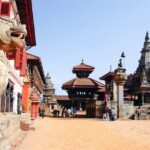
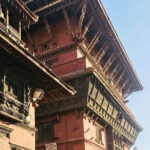
Patan Durbar Square gives you the royal-square atmosphere: carved stone, temple presence, and courtyard layouts that feel like a workshop for history. Then Patan Museum adds context by tying the site details to objects and stories. The schedule gives about 30 minutes at the museum, which is enough to get oriented, not enough to do it like a deep academic session.
A practical note: this pairing works well because it shifts you from “look at the monument” to “understand what the monument represents.” And because your guide is English-speaking and actively interpreting, you’re not stuck trying to read your way through everything.
Thamel and Kathmandu’s UNESCO core: breaks, bearings, and a city overview
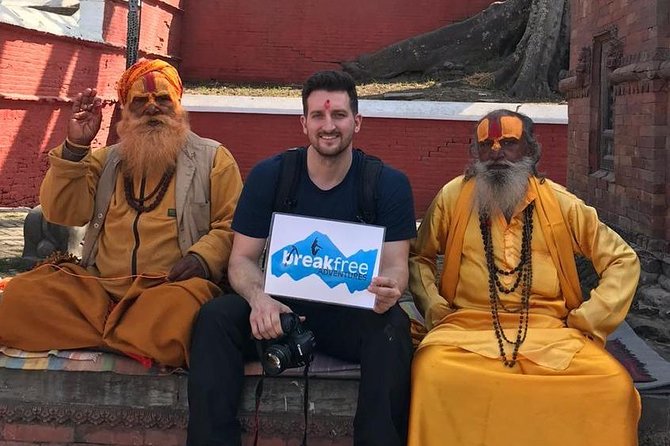
The itinerary includes time in and around Thamel, which is Kathmandu’s central tourist area with shops, hotels, and places to eat. Your guide can use this area as a break zone, and the tour info explicitly says you can take a lunch break during the tour, asking your guide for restaurant recommendations.
You’ll also visit key landmarks tied to the UNESCO designation around Kathmandu Durbar Square. The schedule gives about 30 minutes there. This stop helps you see how the capital city’s historic core fits into the larger valley story. Even if you’re tired by this point, a short guided loop is useful because your guide can point out what to notice and how the pieces relate.
One more context detail from the tour description: Kathmandu is the capital of Nepal and has four UNESCO World Heritage sites inside the city. That’s why a “capital-core” stop can feel like more than a single square. It’s part of an interconnected heritage map.
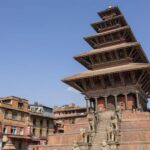
Bhaktapur Durbar Square: where you slow down on purpose
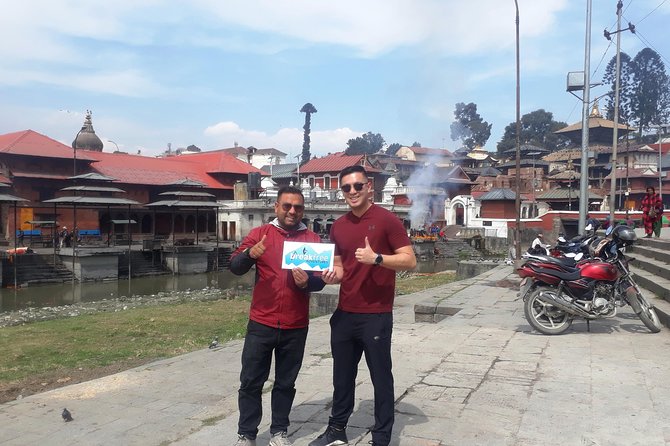
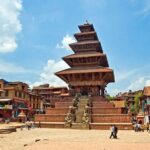
Bhaktapur Durbar Square is another major royal-square stop, with about two hours in the plan. That longer time is a clue. Bhaktapur is less “quick photo stop” and more “let your eyes adjust and notice details.”
If you chose a 4-site or 7-site itinerary, this is often the stop where your pacing matters most. Two hours gives you room for both guided interpretation and some personal wandering. One review specifically praised the balance of guided explanation and time alone to wander, saying it was worth the time and money. Bhaktapur is exactly the kind of place where that balance feels natural.
The drawback is time in transit. One reviewer flagged that on the 4-site version they spent a lot of time driving. That’s real, especially if your route includes Bhaktapur and Kathmandu core in the same day. Still, in my view, this is the cost of doing Kathmandu Valley right in one pass.
Changu Narayan Temple: a shorter stop that can add meaning fast
The tour includes Changu Narayan Temple with about 30 minutes allocated and UNESCO designation. This stop is shorter, but it’s useful as a “meaning anchor.” When you’re doing multiple UNESCO sites in a day, shorter stops can work if your guide provides the why behind the what.
I like short temple stops because they help you avoid the fatigue loop. You get a focused visit, then you’re back on the road with clearer priorities. And if your day includes Bhaktapur and Kathmandu Durbar Square, Changu Narayan helps you feel like you’ve seen more than just one style of monument.
Guides make the difference: Dipesh, Deepak, Bidhya, Shankar, and Prasant
This tour stands or falls on the guide. The strongest praise in the reviews is about guides who give clear explanations and adapt to the day.
Examples that show up again and again:
- Dipesh: praised for energetic explanations of Hinduism and Buddhism, plus attention to respectful timing at ceremonies.
- Deepak: praised for full knowledge of the sites and rituals people witness, and for bringing the day together for a “magic” 7-site experience.
- Bidhya: praised for pacing that feels right, especially for people who didn’t want the heavier 7-site plan.
- Shankar: praised for strong historical and cultural context and for not rushing.
- Prasant: praised for detailed background explanations, plus helping one group find a rooftop lunch with a view over Boudhanath.
Here’s how you can get the most out of your guide, even if your interests vary. Start each stop by asking one simple question, like what’s the key belief connection here, or what should I notice first. Then let the guide take you through the site order. That turns “I walked around” into “I understand what I’m seeing.”
Price and entry fees: what your $17 is really buying
The listed price is $17 per person, which is mainly covering the guide and private vehicle with taxes included. The big missing piece is monument entry fees. The tour info gives fee tiers in NPR:
- NPR 1400 for 2 UNESCO sites
- NPR 2600 for 4 UNESCO sites
- About NPR 5800–6000 for 7 UNESCO sites (the materials list both 5800 and 6000 for the 7-site option)
So the real cost picture is: the tour price buys the structure and expertise; entry fees are a separate layer paid at each entrance (with lower fees for SAARC nationalities).
I think this is still good value if you hate logistics and you want someone to connect the dots between religion, architecture, and Kathmandu Valley history. If you’re a strong DIY traveler who already knows what to look for, you may not need the guide for every stop. But if you want your day to feel coherent, especially in places like Pashupatinath and Boudhanath, the guide is doing the heavy lifting.
Should you book this private Kathmandu UNESCO tour?
Book it if you want a guided UNESCO orientation day without wrangling tickets, routing, or meeting points. It’s especially smart for first-timers who want to see the core monuments and also learn what they mean. The private pickup, English guide, and pacing control are the standout value points.
Skip it or choose fewer sites if:
- you’re sensitive to long driving days (some routes can involve a lot of transit in one day),
- you’re hoping to enter every Hindu temple area without restrictions (inner-premises access is limited by the tour rules), or
- you want a fully independent pace without guided interpretation.
If you match it to your energy level and go in knowing entry fees are separate, this tour is a solid way to get your bearings fast and leave Kathmandu with more than just photos.
FAQ
How long is the Kathmandu UNESCO sightseeing tour?
The duration is listed as approximately 4 to 10 hours, depending on which UNESCO site option you choose.
What UNESCO sites are included?
The tour includes stops such as Swayambhunath (Monkey Temple), Boudhanath Stupa, Pashupatinath Temple, Patan Durbar Square, Patan Museum, Changu Narayan Temple, Bhaktapur Durbar Square, and Kathmandu Durbar Square. The exact combination depends on the 2, 4, or 7 UNESCO sites option.
Is hotel pickup and drop-off included?
Yes. You get hotel pickup and drop-off by a private vehicle. Pickup is complimentary from hotels in Kathmandu city centers; extra charges may apply outside that area.
Are monument entry fees included in the price?
No. Monument entry fees are not included and are paid in Nepali rupees at the site.
How much are the entry fees?
The materials list NPR 1400 for 2 UNESCO sites, NPR 2600 for 4 UNESCO sites, and NPR 5800 (and also NPR 6000 in another part of the info) for 7 UNESCO sites. SAARC nationalities may have lower fees.
Is lunch included?
Lunch is not included, but you can take a lunch break during the tour and ask your guide for restaurant recommendations.
What’s included in the tour package?
Included items are hotel pickup and drop-off, a professional English-speaking tour guide, private transportation with air conditioning, and all taxes.
Is the tour private or shared?
It’s private. Only your group will participate.
Are there restrictions on entering temple areas?
Yes. Only Nepali and Indian nationals of the Hindu faith are permitted to enter the inner premises of Hindu temples during the tour.
Can I cancel for free?
Free cancellation is offered. You can cancel up to 24 hours in advance for a full refund.