REVIEW · HISTORICAL TOURS
Kathmandu World Heritage Tour
Book on Viator →Operated by The Great Adventure Treks & Expedition - Private Day Tours · Bookable on Viator
Five UNESCO stops in one long day. Kathmandu Valley is packed with sacred sites, and this tour strings together temple squares and stupas efficiently, so you can see a lot without the hassle of planning between neighborhoods. I especially like starting at Swayambhunath for the hilltop viewpoint over the valley, and I also like the private AC pickup that keeps the day comfortable.
The best part is the guided flow through major landmarks, with a government-licensed guide and hotel-to-hotel convenience. The main drawback to plan for is cost creep: monument fees are not included (NRP 3600, about $28 per person), and you’ll also need to budget for lunch and gratuities.
In This Review
- Key highlights worth your attention
- One day across Kathmandu Valley’s UNESCO highlights
- Price and logistics: what $50 actually means
- Hotel pickup and AC transport: why it improves the whole day
- Stop 1: Swayambhunath for the valley viewpoint
- Stop 2: Pashupatinath Temple on the Bagmati River
- Stop 3: Boudhanath Stupa, a major Buddhist landmark
- Stop 4: Patan Durbar Square for artisan-city architecture
- Stop 5: Kathmandu Durbar Square back in the city center
- Why the guide makes a real difference here
- Bottled water, private transport, and small included comforts
- Timing: plan for a long day without pretending it’s short
- Who this tour suits best
- Should you book the Kathmandu World Heritage Tour?
- FAQ
- Which UNESCO sites are included in the Kathmandu World Heritage Tour?
- How long does the tour last?
- Is hotel pickup and drop-off included?
- Are admission/monument fees included in the price?
- What meals and drinks are included?
- Is this tour private or group-based?
- Do you get a mobile ticket?
- Where does the tour start and end?
- What happens if weather is poor?
Key highlights worth your attention
- Five UNESCO World Heritage sites in one day, spanning both Kathmandu and Patan
- AC private vehicle with hotel pickup and drop-off, which matters on a 10–15 hour itinerary
- Swayambhunath hilltop views over Kathmandu Valley, plus a famous Monkey Temple setting
- A government-licensed tour guide, with clear communication and professional service (per client notes)
- Bottled water included, so you’re not scrambling for basics between stops
- Private group setup, so your experience stays focused on your party
One day across Kathmandu Valley’s UNESCO highlights
If you want the “greatest hits” version of Kathmandu Valley, this is built for you. You’ll move through five UNESCO-recognized sites in a single stretch of sightseeing, covering Buddhist and Hindu sacred places plus two major Durbar Squares. The result feels like a guided circuit of the city’s most important historic-religious centers.
This is also a good format if you’re short on time or you hate the idea of hopping between different tour companies. A day like this gives you a clean arc: hilltop views, riverbank spirituality, a monumental stupa, then royal squares and courtyards.
You can also read our reviews of more historical tours in Kathmandu

Price and logistics: what $50 actually means
The headline price is $50 per person, and that’s a decent entry point for a private, guided day. What you’re paying for is the guided sightseeing component plus private AC transportation and hotel pickup/drop-off.
Now the math you should do before you book:
- Monuments fees are not included: NRP 3600 (approx. $28) per person
- Lunch and dinner are not included
- Gratuities for guide and driver are not included
- Soft and hard drinks are also not included
So your real budget is closer to the $50 base plus the monument fee, then add meals and tips. If you’re the kind of person who prefers knowing totals up front, that’s the one part of this tour to plan carefully.
Hotel pickup and AC transport: why it improves the whole day
A day like this adds up in hours fast—about 10 to 15 hours. The inclusion of pickup and drop from your hotel by private vehicle makes a noticeable difference, because you don’t lose time coordinating rides or waiting around.
Even better, the transport is listed as air-conditioned. Kathmandu weather can be warm, and you’ll appreciate having a cooled break between stops, especially when your itinerary is built around multiple sites across town.
Stop 1: Swayambhunath for the valley viewpoint
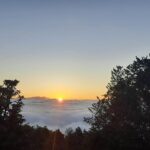
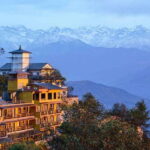
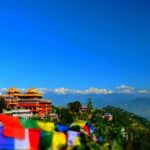
You begin at Swayambhunath, also known as the Monkey Temple. It’s an ancient Buddhist shrine located on a hilltop that overlooks Kathmandu, and this is one of those places where your first sight is part of the experience. The big payoff here is the view of the Kathmandu Valley from the top of the hill.
You get about 3 hours at this stop, which gives you room to look around at a relaxed pace instead of just rushing in and out. Admission is not included, so expect an extra fee on-site.
A practical consideration: because this is a hilltop site, you’ll want shoes that handle uneven ground. I’d also plan a little patience with crowds if you visit during busy hours, since it’s one of the most recognizable viewpoints in the valley.
Stop 2: Pashupatinath Temple on the Bagmati River
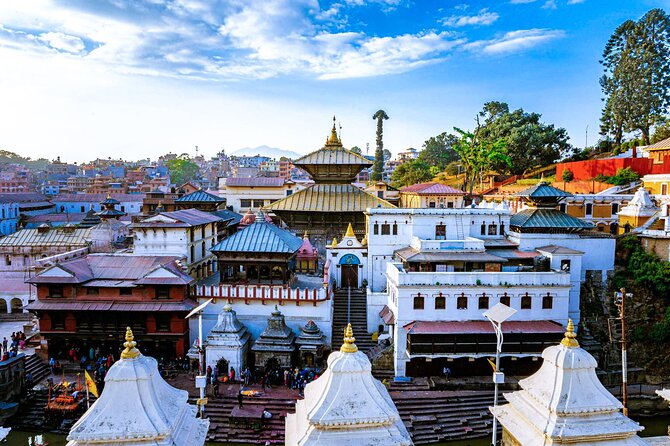
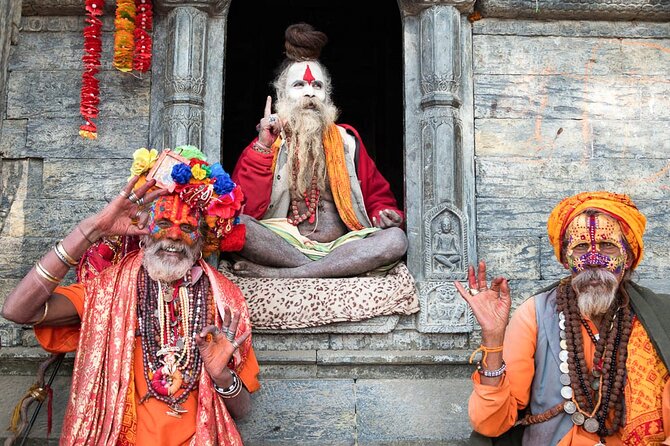
Next comes Pashupatinath Temple, one of the most sacred Hindu temples in the world. It’s dedicated to Lord Shiva and located on the banks of the Bagmati River in Kathmandu. This stop is about devotion and place—an active sacred setting where the setting itself matters as much as the buildings.
You’ll have about 2 hours here. As with other locations on this tour, admission is not included, so you’ll want to keep some extra cash or payment method ready for monument fees.
The practical takeaway: plan to go with the right mindset. This isn’t just a photo stop. You’ll get more out of your visit if you take cues from your guide on what to notice and how to move respectfully.
Stop 3: Boudhanath Stupa, a major Buddhist landmark
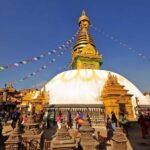
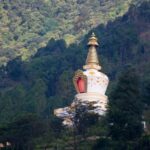
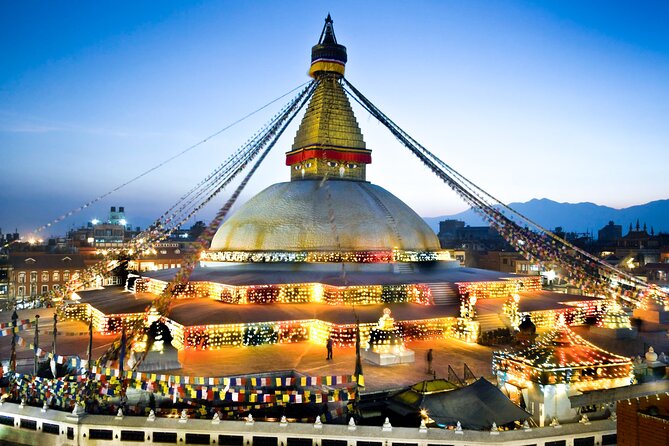
After the Hindu shrine, you shift into Buddhist territory with Boudhanath Stupa. It’s described as one of the largest and most sacred Buddhist stupas in the world, located in the heart of Kathmandu. The stupa is believed to date back to the 14th century, and it’s also part of the UNESCO World Heritage designation.
You get about 2 hours at Boudhanath. Admission is not included, so again, this is another spot where the on-the-ground fees matter.
Why this stop works well inside the same day: it gives you contrast. You’ll see the massive scale of the stupa, and it helps you understand Kathmandu Valley as more than one tradition. In a single itinerary, you see how Buddhist and Hindu sites sit side by side in daily life.
Stop 4: Patan Durbar Square for artisan-city architecture
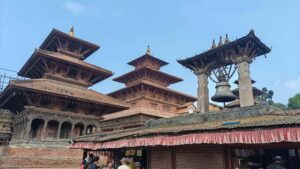
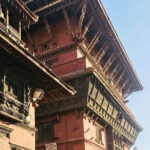
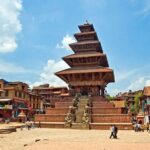
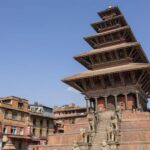
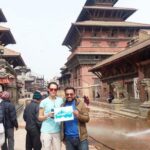
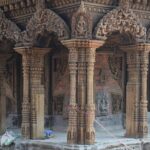
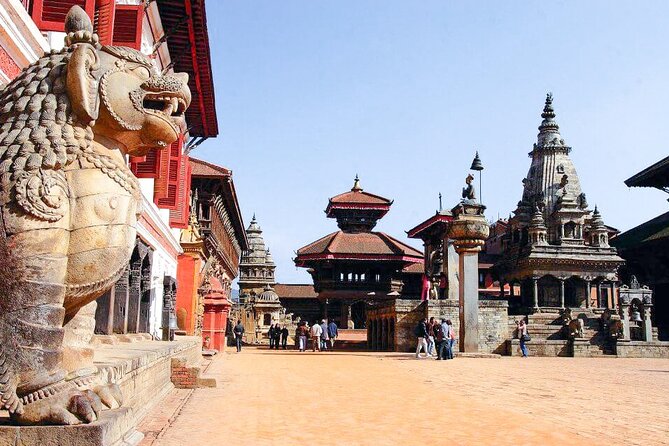
Then you travel to Patan Durbar Square, a UNESCO World Heritage site in the city of Patan, known as the city of artisans near Kathmandu. This is a longer stop on the route—about 3 hours—and it focuses on old temples, palaces, and shrines grouped around the square.
Admission is not included here either, so budgeting for monument fees matters again. If you like architecture and the feel of historic courtyards, this is the stop where you can slow down and really look.
The downside to keep in mind: Durbar Square visits can be physically demanding depending on how you navigate the area. You don’t need to sprint between features. Use the guide’s pacing to choose what you truly want to see.
Stop 5: Kathmandu Durbar Square back in the city center
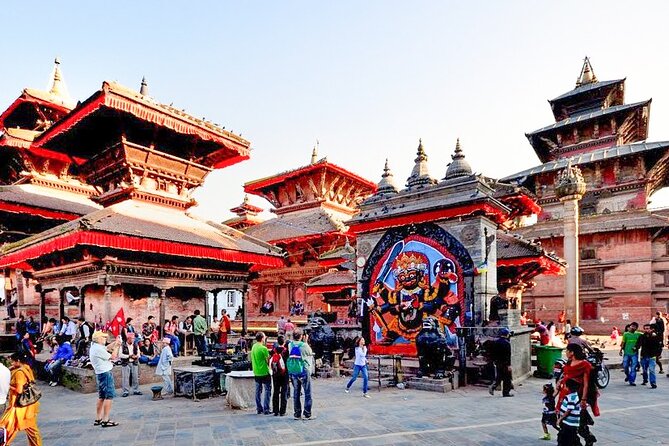
You finish at Kathmandu Durbar Square, also a UNESCO site in the heart of Kathmandu. This area is described as being full of historic temples, palaces, and courtyards, with stunning architecture that shows off the style of the valley’s historic core.
Your time here is about 2 hours, and admission is again not included. In a day like this, the finish matters: you’ll likely feel the hours by now, so it helps that this stop is shorter than the Patan segment. You can focus on the most meaningful structures without feeling like you missed everything else.
Why the guide makes a real difference here
A tour can list five UNESCO sites, but the experience often lives or dies by the guide. In client notes tied to this operator, service quality shows up again and again: clear communication, punctual help, and professional behavior.
You’ll also see real-name references that suggest a team built around day-to-day reliability—people cited guides such as Mani, Charn, Kapil, and Lil, and drivers such as Ramesh. Multiple comments highlight that a private car and driver were waiting as planned, and that questions were handled smoothly.
One note also stands out for anyone thinking about mobility needs: the provider is described as taking good care of a passenger using crutches. That doesn’t mean every need is guaranteed, but it does suggest the team will think about practical constraints, not just a fixed route.
My advice: when you book, share any walking limits or must-see priorities. With a schedule packed into one day, small adjustments can make the difference between a stressful day and a satisfying one.
Bottled water, private transport, and small included comforts
This tour includes bottled water, which sounds minor until you’re on the move for most of the day. Between temple stops and time outdoors, having that basic hydration helps.
You also get all taxes listed as included, plus sightseeing around the World Heritage sites. And since the tour is private, only your group participates. That can help if you prefer a calmer pace or you want a guide’s attention tailored to your questions.
Timing: plan for a long day without pretending it’s short
The itinerary hours add up. Even though each site has its own time window, you’re also absorbing transit time and the reality of changing locations. That’s why this works best if you treat it as your main activity for the day, not a “quick add-on.”
If you’re sensitive to long days, consider how you’ll handle:
- early starts (when your first hilltop site begins)
- multiple fee stops (since admission isn’t included)
- meal gaps (lunch and dinner aren’t included)
Bring a mindset that this is a full-day sight-seeing circuit, not a short walk-through.
Who this tour suits best
This tour fits best if you want:
- a one-day overview of Kathmandu Valley’s major UNESCO World Heritage stops
- a private setup with pickup/drop and AC transport
- a licensed guide to help you understand what you’re seeing (not just where to stand)
It may be less ideal if you:
- hate paying separate monument or admission fees at each site
- want lots of free time for wandering without a tight schedule
- are looking for a food-heavy day, since meals aren’t included
Should you book the Kathmandu World Heritage Tour?
Book it if you want an efficient, guide-led UNESCO day with hotel pickup, AC transport, and bottled water, and you’re okay doing the practical budget math for monument fees plus meals. The structure is built for people who want to see the valley’s key sites in one go, without getting stuck coordinating transport between distant points.
I’d skip it (or pair it with extra downtime) if you’re on a strict schedule for fatigue, or if you strongly prefer tours where most major costs are already rolled into one price. For the right person, though, this is a solid way to experience Kathmandu Valley’s biggest landmarks in a single day.
FAQ
Which UNESCO sites are included in the Kathmandu World Heritage Tour?
The tour includes Swayambhunath, Pashupatinath Temple, Boudhanath Stupa, Patan Durbar Square, and Kathmandu Durbar Square.
How long does the tour last?
It runs about 10 to 15 hours.
Is hotel pickup and drop-off included?
Yes. Pickup and drop from your hotel are included by private vehicle, and the transportation is listed as air-conditioned.
Are admission/monument fees included in the price?
No. Monument fees are not included. The listed monument fee is NRP 3600 (approx. $28) per person, and admission fees for the sites are also not included.
What meals and drinks are included?
Bottled water is included. Lunch and dinner are not included, and soft and hard drinks are not included.
Is this tour private or group-based?
This is a private tour/activity. Only your group will participate.
Do you get a mobile ticket?
Yes. A mobile ticket is listed as a feature.
Where does the tour start and end?
The activity starts at The Great Adventure Treks & Expedition Pvt. Ltd, Chhusya Galli, Kathmandu 44600, Nepal, and it ends back at the meeting point.
What happens if weather is poor?
The experience requires good weather. If it’s canceled due to poor weather, you’ll be offered a different date or a full refund.