REVIEW · 7-DAY EXPERIENCES
Kathmandu to Langtang Valley 7-Day Trek
Book on Viator →Operated by Cordial Trek Pvt. Ltd. · Bookable on Viator
Langtang Valley delivers big mountain days fast. This 7-day Kathmandu trek leads you into Langtang National Park, where you’ll hike through rhododendron forests and small villages, then chase panoramic views from Kyanjin Ri. I love that the trek takes care of your TIMS card and national park permits, and I love the way the route builds toward the monastery-and-mountain payoff without feeling like a random walk. One thing to watch: meals are not included, so you’ll need to budget for food and snacks along the trail.
I also like that the experience is geared for real humans, including people with no prior trekking experience, while still requiring moderate physical fitness. In the reviews tied to this trek, guides such as Raj Tamang and Pratip get praised for being attentive, friendly, and clear about what’s going on—plus porters like Dup and Hem show up as part of the support team, not just extra luggage.
The trek runs all year except monsoon season, which matters because the same trail can feel very different depending on rain and visibility. If weather turns ugly (or you get stuck with cloudy skies), the higher viewpoints can be less dramatic than you hoped, so I suggest planning your expectations with the mountains in mind.
In This Review
- Key things to know before you lace up
- Why Langtang Valley hits differently inside Langtang National Park
- Price and logistics: what your $300 per person really buys
- Kathmandu to Syabrubesi: the long first push that sets your rhythm
- Syabrubesi to Lama Hotel: waterfalls, forests, and the first taste of Langtang weather
- Lama Hotel to Langtang Village: rhododendron and pine, with a real village center
- Langtang Village to Kyanjin Gompa: a monastery walk with panoramic payoff
- Kyanjin Ri (4773 m): the big day where the views matter most
- The return: Lama Hotel back to Syabrubesi, then home to Kathmandu
- Guides, porters, and guesthouses: where the trek stays human
- Best seasons and who this trek fits best
- Should you book this Kathmandu to Langtang Valley 7-day trek?
- FAQ
- What’s the meeting time for the Kathmandu start?
- Is hotel pickup and drop included?
- What transportation is included between Kathmandu and Syabrubesi?
- Are permits included for Langtang National Park?
- Are meals included during the trek?
- Can I cancel for free?
Key things to know before you lace up
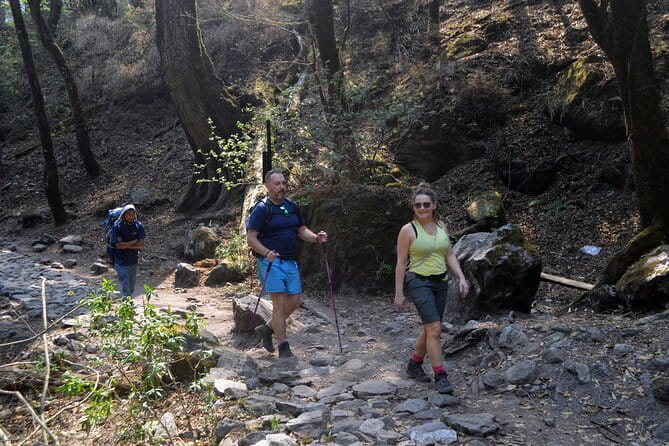
- Kyanjin Ri is the main viewpoint goal at 4773 m, with broad views back over the Langtang range.
- Permits are included: national park permit plus TIMS card, so you’re not scrambling paperwork in Nepal.
- You sleep in mountain guesthouses on the trek, which keeps the pace realistic for a 7-day schedule.
- You start early (6:45 am) and expect a long first travel day from Kathmandu to Syabrubesi.
- Expect forest hiking and village days, not just a ridge-walk with constant peaks.
- Meals are not included, so plan daily food budget and snack strategy.
Why Langtang Valley hits differently inside Langtang National Park
Langtang Valley sits about 80 km north of Kathmandu, inside Langtang National Park, with the park bordering China’s Tibet Autonomous Region. That location shows up in the vibe. You’re close enough to the main Nepal story to feel connected to culture and language, but far enough that the mountains start acting like the main character.
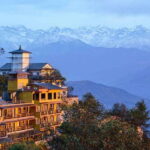
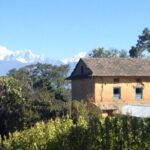
The route’s seasonal highlights are tied to the park itself. You can expect forest walking through areas with deciduous trees like oak and maple, evergreen pines, and rhododendrons. In the right months, wildflowers and rhododendrons pop in the foreground while Langtang peaks and glaciers sit in the background. It’s a trek where the scenery changes at eye level, not just at the summit.
Nature is a big reason people choose Langtang. The park is home to species like Himalayan black bear, Himalayan tahr, snow leopard, yak, red panda, and over 250 bird species. You can’t plan on seeing wildlife on a schedule, but knowing the park is that biologically active makes every quiet stretch feel like more than scenery.
What I like about this trek’s design is that it doesn’t treat the valley like one long straight line. You move through forest, villages, and viewpoints in a sequence that makes sense for a 7-day adventure.
You can also read our reviews of more hiking tours in Kathmandu
Price and logistics: what your $300 per person really buys
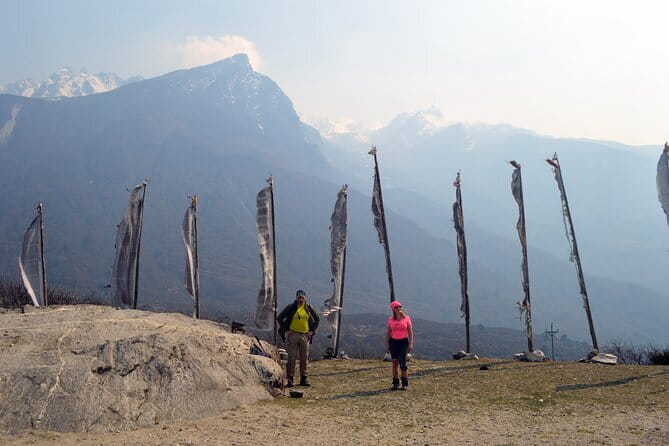
At $300 per person for about 7 days, you’re paying for far more than a “hike.” The included items are the real value pieces:
- Hotel pickup and drop in Kathmandu
- Sharing jeep/bus between Kathmandu and Syabrubesi (and back)
- Mountain guesthouse accommodations during the trek
- National park permit and TIMS card
Those are the costly and annoying parts most independent hikers end up handling themselves. Permits and transport eat time and attention, especially if you’re not already comfortable with Nepal logistics.
What’s not included is also clear: meals and optional gratuity for your guide. If you’re comparing prices, don’t just look at the $300 tag. Budget for breakfasts, lunches, dinners, and drinks along the way. Guesthouses often have limited menus, so you’ll want simple, high-energy choices and some snacks you can eat quickly while hiking.
Also note the group style: you’ll travel as a private tour/activity, meaning your group stays together. At the same time, the offer mentions group discounts, so pricing may vary depending on group size and how the operator bundles departures.
Bottom line: for a first trek in Nepal, this price feels fair because it bundles transportation, lodging, and the permit paperwork that can otherwise turn into a time sink.
Kathmandu to Syabrubesi: the long first push that sets your rhythm
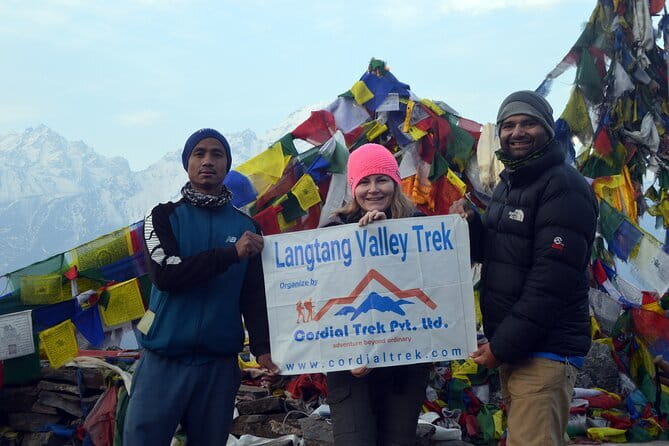
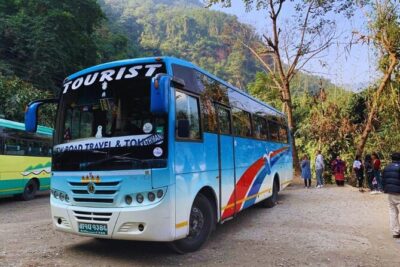
Most trekking mistakes start here: going too slow on Day 1 or arriving too tired on the trail. This trip starts with pickup from your hotel or residence in Kathmandu, then drives you to the bus station in Balaju. From there, you take a 6–7 hour bus ride toward Syabrubesi (the route is listed as Syapru Besi).
This isn’t just a transfer. It’s your warm-up, mentally. You learn what your body will tolerate, you settle into the shared pace, and you get a first look at the valley life before you start climbing on foot.
Expect a travel day that takes time. The good news is that you’re not negotiating seats, schedules, or directions. When the plan includes sharing jeep/bus back to Kathmandu on the last day (about 7–8 hours), you also get an end date that holds steady, rather than “maybe we’ll find transport” energy.
If you hate long rides, bring a book, download podcasts, and accept that this is part of the trek. Nepali mountain roads rarely feel like an airport shuttle.
Syabrubesi to Lama Hotel: waterfalls, forests, and the first taste of Langtang weather
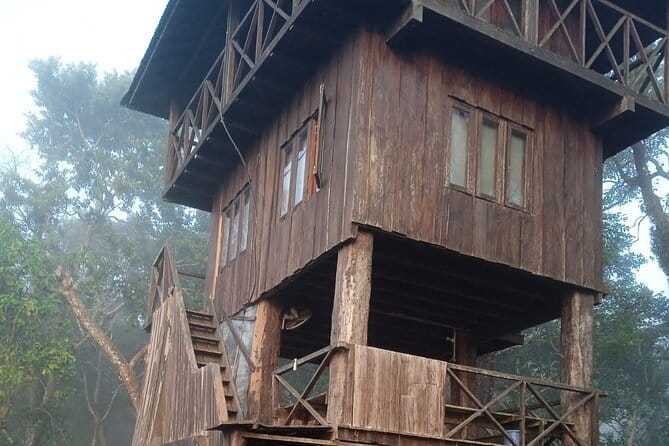
Once you begin hiking, the route goes from Syabrubesi toward Lama Hotel inside Langtang National Park. The walk is described as about 5–6 hours. This is your intro day to the park’s feel.
The trail passes through scenic stretches with waterfalls and traditional village areas along the way. The big thing here is not speed. It’s getting comfortable with a steady uphill rhythm while your lungs adjust.
If you’re new to trekking, the forest sections are your friend. They break up the effort. You’re not staring at the same peak for hours. You’ll see greens, tree line changes, and glimpses of mountains in the background as you crest and descend.
The “Lama Hotel” area also matters because it’s a realistic place to spend a night before the trek rises again. Guesthouse nights in this region help you keep the schedule workable for a 7-day plan.
Lama Hotel to Langtang Village: rhododendron and pine, with a real village center
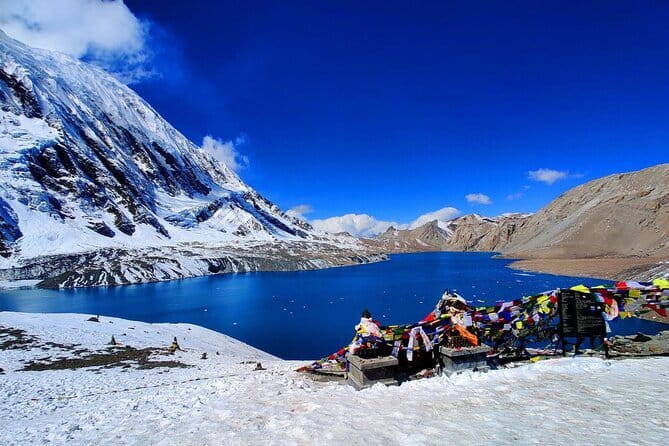
Day two’s upgrade is the move from Lama Hotel to Langtang Village, taking about 6–7 hours. This is where you start to feel like the trek is inside the community, not just in the wilderness.
The route description highlights dense rhododendron and pine forests. That combination is a visual treat and a pacing tool. You walk through spaces that feel cool and shaded, then you break into clearer air when the terrain opens.
Langtang Village is also where the trek becomes more human. Even if your focus is scenery, village days bring smells, sounds, and small moments that make your photos less like stock images. You’ll have a night in the mountain guesthouse setting, so plan for basic but functional comfort.
One practical consideration: village guesthouses tend to be lively, but not fancy. If you need luxury-level quiet, you should know what you’re signing up for. Still, this is the kind of trekking that rewards you for paying attention to how life works at altitude.
You can also read our reviews of more tours and experiences in Kathmandu
Langtang Village to Kyanjin Gompa: a monastery walk with panoramic payoff
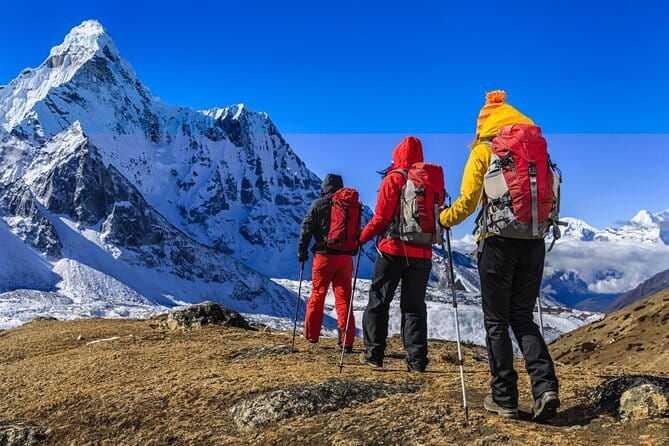
Next comes the hike from Langtang Village to Kyanjin Gompa, about 3–4 hours. This is a shorter walking day, which is often welcome when you’re balancing altitude and energy.
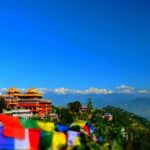
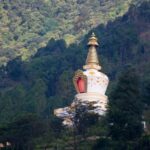
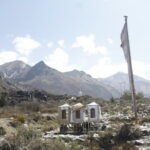
Kyanjin Gompa is described as one of the oldest monasteries in the region. More importantly for your trip experience, it delivers a shift from “valley hiking” into “viewpoint moment.” The gompa area gives you panoramic mountain scenery around you, so it’s not just a cultural stop—it’s a visual reward.
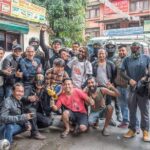
This is also the day where having a good guide matters. In the reviews tied to this trek, guides like Raj Tamang and Pratip get praised for being caring and clear, and for helping people feel confident on route. Even when the trail is straightforward, your mind relaxes when someone explains what you’re seeing and why it matters.
Night two near the gompa region sets you up for the big view day that follows.
Kyanjin Ri (4773 m): the big day where the views matter most
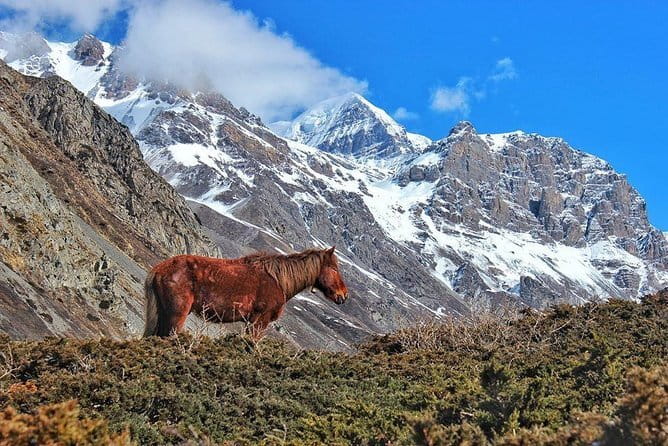
If you came for one peak moment, this is it. The trek includes a round trip from Kyanjin Gompa to Kyanjin Ri (4773 m), taking about 3–4 hours.
This isn’t about speed. It’s about timing and breath. The higher you go, the more you notice the body’s rhythm: steady effort, small rests, and staying warm.
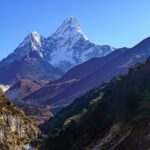
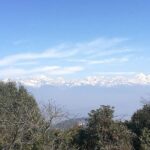
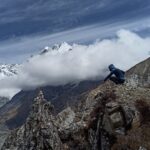
From the viewpoint, you’re looking at surrounding mountains described in the route details, including Mt. Langtang Ri, Mt. Dorje Lakpa, and Mt. Langtang Lirung. Even if cloud cover softens the contrast, you’ll still feel the scale.
After the viewpoint time, you hike back down to Lama Hotel for your night halt. That descent is part of the experience, even if you’d rather freeze and stare at the horizon for hours.
A practical tip: pack layers you can manage quickly. At higher elevation, temperature changes can be dramatic, and you’ll want to adjust without turning the trek into a gear puzzle.
The return: Lama Hotel back to Syabrubesi, then home to Kathmandu
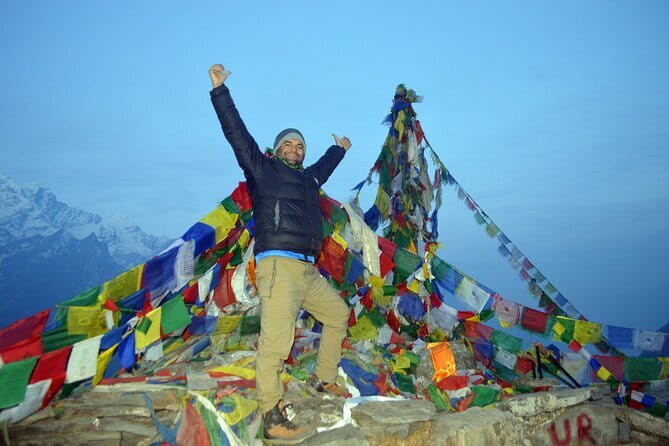
On the penultimate hiking day, you go from Lama Hotel back to Syabrubesi in about 5–6 hours. This is your “wrap-up” walk. The scenery won’t feel brand-new, but you’ll appreciate how the trail looks once you know it already.
On the final day, you take a 7–8 hour bus/sharing jeep drive from Syabrubesi back to Kathmandu, and the operator escorts you back to your hotel.
This matters because it keeps the trek from dragging into randomness. When transport is included, you’re less likely to waste your last hours negotiating time. Your legs will be tired, sure, but your schedule stays intact.
Guides, porters, and guesthouses: where the trek stays human
The trekking route is in the mountains, but the lived experience depends on people. The reviews tied to Langtang Valley Trek highlight a recurring theme: guides who are attentive and enthusiastic, and porter teams that take care of logistics so you can focus on walking and enjoying the views.
Names that show up in those Langtang-related comments include Raj Tamang, Pratip, and Raju, with porter support credited to people like Dup, Maila, and Hem. The common thread is not just friendliness. It’s organization: knowing what comes next, adjusting when conditions change, and helping the group stay comfortable.
That support is especially valuable in a trek like this because the days mix travel, forest hiking, village stops, and a higher-altitude viewpoint climb. If you’re new to trekking, that combination can feel like a lot. A steady guide helps you keep your pace and your mind calm.
Guesthouses are included as your mountain accommodation. Expect a simple setup. You’ll have a bed for the night, and you’ll recharge for the next walking day. Think practical comfort, not spa mode.
Best seasons and who this trek fits best
This trek is available all year long except monsoon seasons. That’s a big clue about what kind of weather you should expect. Outside monsoon months, the trail is more likely to be walkable without constant mud and slippery steps.
The route description also points to wildflowers and rhododendrons in the foreground. That suggests the trail can be visually rewarding when rhododendrons are blooming and the forest feels fresh.
Who it suits best: the trek is planned to fit all kinds of travelers, including people without prior trekking experience. Still, you should have moderate physical fitness, and you should be comfortable with long hiking days and altitude up to 4773 m.
If you’re the kind of traveler who wants authentic Nepal views—forest trails, village life, and one serious viewpoint day—this matches your style. If you want a trek that stays close to comfort all day with no physical effort, you’ll likely find the hiking days too demanding.
Should you book this Kathmandu to Langtang Valley 7-day trek?
I’d book it if you want a guided Langtang Valley experience that handles the hard parts—permits, transportation, and guesthouse logistics—while still giving you the classic Langtang rhythm: forest hiking, a monastery viewpoint, and a summit-style panorama day.
You might skip it if:
- you don’t want to budget for meals on top of the $300 rate
- you’re sensitive to long travel days from Kathmandu
- you want guaranteed clear skies at altitude (because weather is never fully controllable)
If you’re ready to hike steadily and you like the idea of trekking inside a national park with serious mountain scenery, this is a strong choice.
FAQ
What’s the meeting time for the Kathmandu start?
The start time listed is 6:45 am.
Is hotel pickup and drop included?
Yes. Hotel pickup & drop in Kathmandu is included.
What transportation is included between Kathmandu and Syabrubesi?
The tour includes a sharing jeep/bus transfer between Kathmandu and Syabrubesi (Syapru Besi), and also the return trip to Kathmandu.
Are permits included for Langtang National Park?
Yes. The price includes the national park permit and TIMS card.
Are meals included during the trek?
No. Meals are not included. Meals and drinks are something you’ll need to arrange and pay for during the trek.
Can I cancel for free?
Yes. Free cancellation is offered, with a full refund if you cancel at least 24 hours in advance of the experience start time.