REVIEW · CHITWAN SAFARI TOURS
Best Nepal Tour: Kathmandu Pokhara Chitwan Tour
Book on Viator →Operated by Shepherd Holidays · Bookable on Viator
Three worlds in six days: temples, lakes, wildlife. What makes the Kathmandu → Pokhara → Chitwan combo so interesting is the fast switch from sacred city crowds to Himalayan viewpoints, then into a real wildlife park.
I love how the plan packs major UNESCO World Heritage sights on Day 1, without dragging you through tiny detours. I also like the way Chitwan builds in both a jeep safari and slower water-time for wildlife-spotting.
One thing to consider: heritage-site entrance fees (and some Pokhara cave/waterfall stops) are listed as not included, and Kathmandu hotel/food aren’t included either—so you’ll want to budget a bit beyond the $600.
In This Review
- Key highlights to pay attention to
- Kathmandu, Pokhara, and Chitwan in six days
- Day 1 in Kathmandu: Pashupatinath, Swayambhunath, Boudhha, and Patan Durbar Square
- Practical tip for this day
- Days 2 and 3 in Chitwan: jeep safari, canoeing, and jungle walks
- What’s valuable about doing Chitwan this way
- Day 4 drive to Pokhara: a long ride with big-window scenery
- Day 5 Pokhara highlights: Phewa Tal, Gupteswar Gupha, Devi’s Fall, Bindhya Basini, and Seti River Gorge
- The one drawback of Day 5
- Day 6 Sarangkot sunrise, breakfast, and a Thamel-style finish
- Weather note you should take seriously
- Price and logistics: what the $600 covers (and what you’ll pay extra)
- The smart way to budget
- Guides, communication, and the feeling of being looked after
- Who this tour suits best (and who should reconsider)
- Final call: should you book this Kathmandu Pokhara Chitwan tour?
- FAQ
- How long is the Kathmandu Pokhara Chitwan tour?
- What is included in the price?
- Is Kathmandu accommodation included?
- Do I need to pay entrance fees for the heritage sites?
- Do I need a Nepal visa in advance?
- What should I do about weather?
- What is the cancellation policy for a full refund?
Key highlights to pay attention to
- Day 1 UNESCO sweep: Pashupatinath, Swayambhunath, Boudhha, and Patan Durbar Square in one tight circuit
- Chitwan on different gears: Jeep safari plus canoeing and jungle walk time
- Pokhara’s mix of water + caves: Phewa Tal, Devi’s Fall, and Gupteswar Gupha all fit in one day
- Sarangkot sunrise focus: Early morning mountain views, then a relaxed finish back toward Thamel
- Simple support: Airport pickup/drop and a team you can contact during the trip
Kathmandu, Pokhara, and Chitwan in six days
This isn’t the kind of trip where you spend every day “getting there.” It’s more like a guided reset: first you soak up Kathmandu’s sacred art and UNESCO-listed sites, then you slide to Pokhara’s lakes and viewpoints, then you shift into Chitwan’s wildlife rhythm.
Because the plan spans hot, lowland wildlife country and cooler, higher-view regions, it helps to pack with that temperature swing in mind. Nepal can change your day fast.
You’ll also feel the overall pacing: it’s busy, yes, but it’s structured. Instead of random wandering, you get an order that makes sense—culture first, then nature, then wildlife.
You can also read our reviews of more tours and experiences in Kathmandu.
Day 1 in Kathmandu: Pashupatinath, Swayambhunath, Boudhha, and Patan Durbar Square
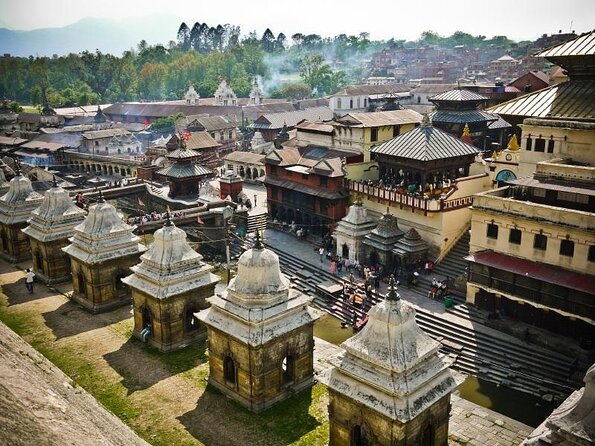
Kathmandu Day 1 is built like a greatest-hits tour of spiritual landmarks. If you like seeing how Nepal’s religions overlap in art, architecture, and daily life, this day does the job.
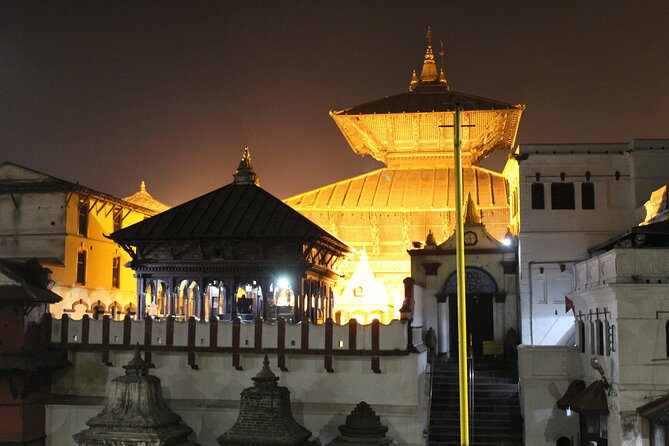
Pashupatinath Temple (2 hours) is your opening stop. It sits about 5 km east of the city center on the Bagmati River bank and is dedicated to Lord Shiva. The listing notes it’s highly ornamented—and the big practical detail for you is that the admission ticket isn’t included.
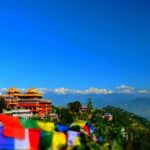
Next is Swayambhunath (1 hour), often called the monkey temple because monkeys live around the site. What you really get here is not just temples, but a strong Kathmandu Valley viewpoint, with that classic hilltop feel.
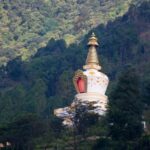
Then you move to Boudhha (2 hours), described as the oldest and largest stupa in the valley, built in the 5th century. One of the more memorable specifics is the eye print design. This stop is listed as free, so it’s a low-cost way to get a high-impact cultural moment.
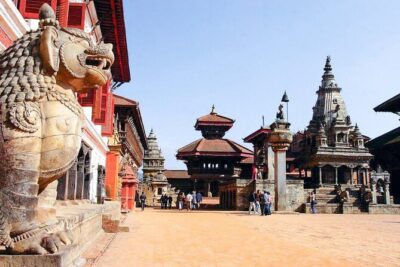
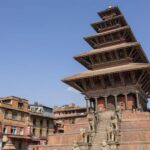
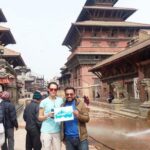
Finally, Patan Durbar Square (2 hours) in Lalitpur (UNESCO World Heritage) brings in the Malla kings era. The centerpiece is the ancient royal palace complex. Like Pashupatinath, the admission ticket isn’t included, so keep some cash or a plan for entrances.
Practical tip for this day
Bring a small amount of local currency for the stops marked as not included. With four major sites in one day, it’s better to not scramble at the gates.
Days 2 and 3 in Chitwan: jeep safari, canoeing, and jungle walks
Chitwan is the wildlife chapter of this trip, and it’s the reason the route works so well. Nepal has a lot of impressive sights, but seeing animals in the wild is a different category of experience.
The plan gives you two days in Chitwan National Park, which matters. One short safari can feel like luck. Two days gives you more chances, more timing options, and a better feel for the park’s rhythm.
The wildlife list is clear: you’re set up to look for elephants, one-horned rhinos, Bengal tigers, and crocodiles, plus plenty of birds. That doesn’t mean you’ll see all of them (wildlife doesn’t run on a schedule), but the park is rich enough that the odds are good.
On Day 2, you drive to Chitwan after breakfast, check into your hotel, and then receive your full schedule for the Chitwan portion. Day 3 shifts deeper into the park with a mix of jeep safari and activities like canoeing and jungle walk time.
What’s valuable about doing Chitwan this way
You get contrast. Jeeps are for covering ground and searching. Canoeing and walks are slower and often better for noticing smaller movement and birdlife. If you only had one day, you’d miss that balance.
Also, the overview frames the trip as moving from cool to hot in a single day difference. Chitwan’s heat can be real—so plan for hydration and take breaks when your guide offers them.
Day 4 drive to Pokhara: a long ride with big-window scenery
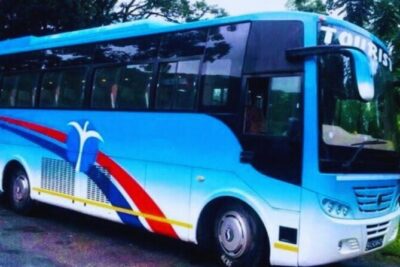
Day 4 is the transfer day that turns the trip from wildlife back to views. After breakfast, you head to Pokhara by tourist bus or private car, with the drive described as about 12 hours.
The selling point here is what you’re passing: hilly roads with views of jungles and rivers. It’s not just travel; it’s your in-between chapter, when the trip shifts from animal searching to lake-and-mountain sightseeing.
You’ll arrive and then get set with your Pokhara sightseeing rhythm from there. This is also where your hotel life becomes a bit more comfortable and “vacation-y,” since Pokhara is known for relaxing after active days.
Day 5 Pokhara highlights: Phewa Tal, Gupteswar Gupha, Devi’s Fall, Bindhya Basini, and Seti River Gorge
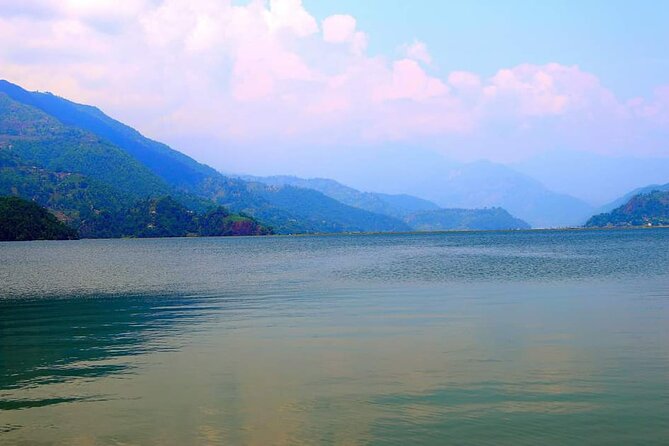
Pokhara Day 5 is packed, but it’s packed with variety. You’re not repeating the same kind of stop over and over—you’re moving through lakes, caves, and waterfalls/gorges that each show a different side of the region.
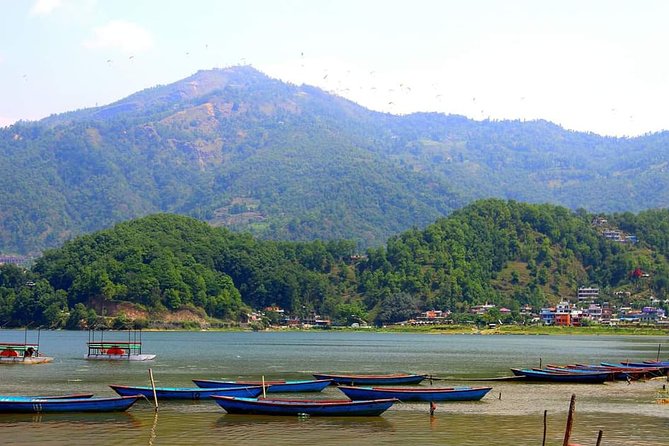
Start with Phewa Tal (1 hour), the second-largest lake in Nepal. The listing calls out the way the lake reflects Fishtail Mountain, plus the fact that Barahi Temple sits on the water in the middle of the lake. If you want the classic Pokhara look—soft reflections, mountains, and religious landmarks—this is your moment.
Next is Gupteswar Gupha (1 hour), a cave with about a 3 km length. The practical detail is right there in the description: it’s known as Gupteshwor Cave, with Hindu worship connected to Lord Shiva.
Then comes Devi’s Fall (30 minutes), also known by locals as PATALE CHHANGO. This is one of those stops where you mainly want time to see the structure and flow, rather than overthinking it.
After that, Bindhya Basini Temple (30 minutes) adds a shorter cultural stop focused on Goddess Bhagabati. It’s quick, but it balances the more physical nature sights with a religious viewpoint.
Your last listed stop is Seti River Gorge (30 minutes). The listing explains it’s formed by the Seti River, and notes you can see white water in the river plus a deep gorge view.
The one drawback of Day 5
You’ll spend a lot of time moving between sites in one day. That’s fine if you like action, but it can feel rushed if you’re the type who prefers long stretches of unplanned hanging out by water.
If you want to slow it down, I’d suggest planning one extra hour on your own later in the trip around Phewa Tal, assuming your schedule allows.
Day 6 Sarangkot sunrise, breakfast, and a Thamel-style finish
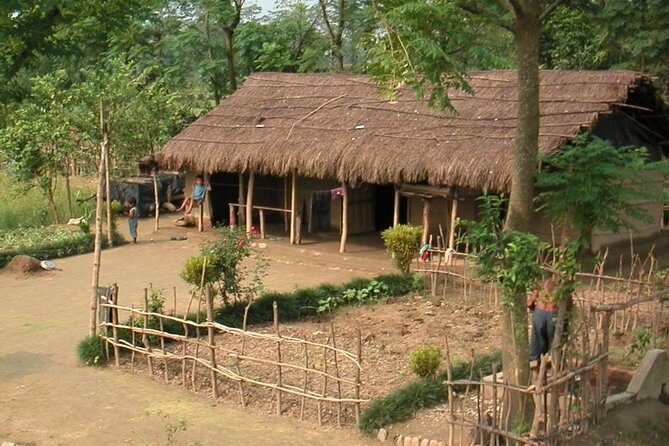
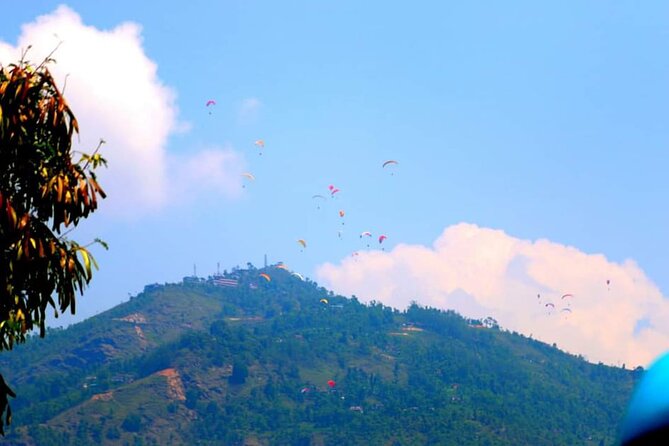
Day 6 is designed around early morning mountain views, and the key stop is Sarangkot Hill, which the plan says is popular for sunrise. You’ll go out early for the view, then return for breakfast.
That timing is the point. Sunrise from Sarangkot is the kind of moment that makes the whole Pokhara portion feel worth it.
After breakfast, you drive back toward Thamel, or you can fly back to Kathmandu for an extra cost. Thamel is a helpful final zone because it’s where many people base themselves, with easy access to food and onward plans.
Weather note you should take seriously
The experience requires good weather. If conditions are poor, it may be canceled and you’ll be offered a different date or a full refund—so don’t lock your tightest flight changes right away if you can avoid it.
Price and logistics: what the $600 covers (and what you’ll pay extra)
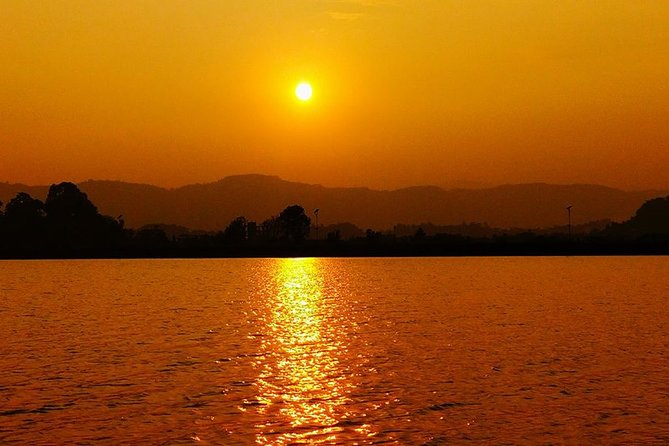
At $600 per person, this package is positioned as a mid-budget way to hit three big Nepal highlights without piecing everything together.
Here’s what’s clearly included:
- Pickup & drop-off to and from the airport
- Lunch
- Twin-sharing hotel with breakfast in Chitwan and Pokhara
- 3 breakfasts and 2 dinners (so meals are largely handled once you’re on the ground)
- Salary and insurance of ground staff
- All government taxes and official expenses
Here’s what’s explicitly not included:
- International airfare
- Nepal entry visa (listed as available on arrival)
- Accommodation and food in Kathmandu
- Entrance fees at heritage sites in Kathmandu & Pokhara
- Some Pokhara attractions are listed as not included for admission tickets (like Gupteswar Gupha and Devi’s Fall)
So the value math is simple: you’re buying transportation between regions, guided sightseeing time, and most meals during the main route—while Kathmandu lodging and heritage entrance fees are your add-ons.
The smart way to budget
Before you pay, I’d line up two separate totals:
1) the package cost
2) a second pot for Kathmandu lodging/food plus heritage-site entrances
That avoids the common surprise where everything looks “cheap” until the gates and nights in Kathmandu show up.
Guides, communication, and the feeling of being looked after
One of the most praised parts of this trip is how smooth it feels once you’re traveling. The tour notes a team of ground staff and includes insurance, which is a good sign for operational seriousness.
You’ll also benefit if your group gets guides Bhim and Ankita, who are named specifically in feedback. Beyond names, the overall message is that the team is responsive and keeps things easy to follow, with easy contact during the trip.
For you, that matters most on transfer days—when you don’t want to wonder where to go next, or who’s holding tickets, or whether the schedule changed.
Who this tour suits best (and who should reconsider)
This is a strong match for you if:
- you want big highlights in a short time
- you like a mix of culture + nature + wildlife
- you prefer structure over self-planning
- you don’t mind a fairly full schedule (temples one day, safari the next, then lake and cave stops)
You might reconsider if:
- you hate early starts (Sarangkot sunrise requires you to move fast)
- you’re trying to keep the budget ultra-tight once entrance fees and Kathmandu lodging are added
- you want lots of free time to linger in one place (this route keeps the momentum)
Final call: should you book this Kathmandu Pokhara Chitwan tour?
I’d recommend it if your dream Nepal trip includes three clear hits: UNESCO temples and squares in Kathmandu, lakes and viewpoints in Pokhara, and a wildlife park day (or two) in Chitwan.
The value is strongest when you’re fine with the “package style” approach—meals and hotels in the main legs are handled, and the route keeps moving. Just make sure you budget for Kathmandu stay/food and the heritage/cave/waterfall entrance fees that aren’t included, so nothing feels like an unexpected bill.
If you want a Nepal sampler that doesn’t waste time and still gives real variety, this is a solid way to do it.
FAQ
How long is the Kathmandu Pokhara Chitwan tour?
It’s listed as about 6 days.
What is included in the price?
The package includes lunch, airport pickup and drop-off, hotels in Chitwan and Pokhara (twin sharing with breakfast), 3 breakfasts and 2 dinners, staff salary/insurance, and government taxes and official expenses.
Is Kathmandu accommodation included?
No. Accommodation and food in Kathmandu are listed as not included.
Do I need to pay entrance fees for the heritage sites?
Entrance fees at heritage sites in Kathmandu & Pokhara are listed as not included, and some individual stops are also marked as not included for tickets.
Do I need a Nepal visa in advance?
The info says you can get a Nepal entry visa on arrival at the airport.
What should I do about weather?
The experience requires good weather. If it’s canceled due to poor weather, you’ll be offered a different date or a full refund.
What is the cancellation policy for a full refund?
You can cancel up to 24 hours in advance for a full refund.