REVIEW · FOOD
Kathmandu: Local Food Tour | Authentic Street Food & Culture
Book on GetYourGuide →Operated by Epic Adventures Private Limited (EAPL) · Bookable on GetYourGuide
Street food tours can be a shortcut to culture.
In Kathmandu, this one gives you a tight, on-foot loop through local markets and alleyways where you actually eat. I liked the street food stops (think momos, chatamari, and more) and I also liked how the route includes a proper break for masala chai and lassi, not just random bites. One caution: guide quality matters. One review flagged a guide who was often on the phone and not fully focused on the group.
You’ll start at a very specific meeting place, then spend about two hours sampling a lineup of Nepali and Newari favorites while your English-speaking guide explains what you’re eating and how street vendors fit into daily life. If you want a slow, highly scripted tour with zero surprises, this is more of a real street circuit than a classroom—and you’ll want comfortable shoes and some cash.
In This Review
- Key highlights to look for
- Starting at The Delicious Pizza House Nepal (and why it matters)
- Asan Bazar: market energy plus photo-and-shop time
- Tip Top Samosa: a classic snack stop on the street level
- Indrachok: walking, guided tasting, and food-market time
- Indrachowk Lassi Bhandar: cool down with lassi
- What you’ll actually eat: the Nepali and Newari lineup
- Included vs extra: value check on $32
- The guide factor: friendliness is great, focus is critical
- How the timing works in a real city
- Who this tour is best for
- Should you book? My take
- FAQ
- FAQ
- How long is the Kathmandu local food tour?
- Where is the meeting point?
- What time should I arrive?
- Is the tour guided in English?
- What foods are included?
- Are drinks included?
- Does the tour include water?
- What should I bring?
- Is the tour suitable for older travelers?
- Can I cancel for a refund?
Key highlights to look for
- Newari classics like chatamari and yomari, plus other Nepali street snacks on the same loop
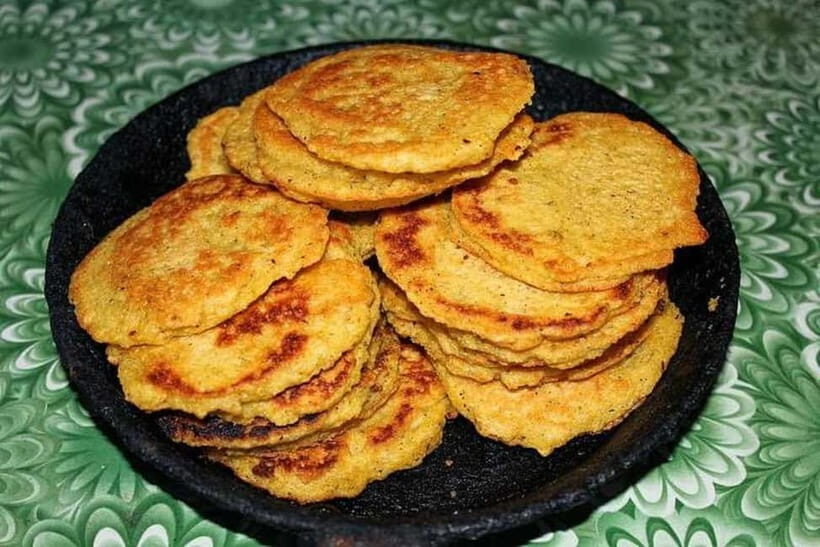
- Momos and chatamari focus, with stop-by-stop explanations so the food makes sense
- Tea shop time for fresh masala chai as a reset, not just another item to gulp
- Asan Bazar market visit for photos, browsing, and a feel for everyday shopping
- Indrachok and Indrachowk lassi stop to balance hot snacks with a cooling drink
- A short 2-hour walking window that works well if you’re short on time in Kathmandu
Starting at The Delicious Pizza House Nepal (and why it matters)
The tour kicks off at The Delicious Pizza House Nepal. That sounds almost too ordinary, but it’s useful. You’re meeting at a clear, identifiable spot in a busy city, so you can regroup quickly if you arrive a little late or need to grab water before you start walking.
From there, the tour transitions into the real Kathmandu part: on foot. The route is designed for people who don’t want long commutes or multiple transit legs. In plain terms, you’re trading convenience for access. You’ll get closer to where the food actually happens—around local markets and street vendor corners—rather than only stopping where tourist traffic is thick.
The standard tour length is 2 hours, so pacing is important. You’re not getting an all-day “eat everything” experience. You’re getting a curated circuit where each stop is meant to deliver a clear flavor and a bit of context.
You can also read our reviews of more food & drink experiences in Kathmandu
Asan Bazar: market energy plus photo-and-shop time
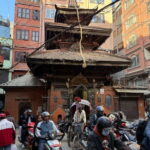
One of the main stops is Asan Bazar, where you get a photo stop, a guided market visit, and some time that can include shopping. This is exactly the kind of place where Kathmandu feels like Kathmandu. You’re not just looking at food—you’re watching how people move through daily life: vendors working, customers browsing, and craft stalls existing alongside snacks.
For you, this matters because markets set the stage for street food. If you only taste the food without seeing the surrounding routine, you miss a big part of what makes it feel local. Asan Bazar gives you that context quickly.
Practical tip: if you want photos, bring your camera and be ready to pause and look. The tour includes guided time here (45 minutes), so you’re not just sprinting through for a quick shot. Also, this is one of those stops where spending small amounts of cash on snacks or simple items can be part of the fun.
Tip Top Samosa: a classic snack stop on the street level
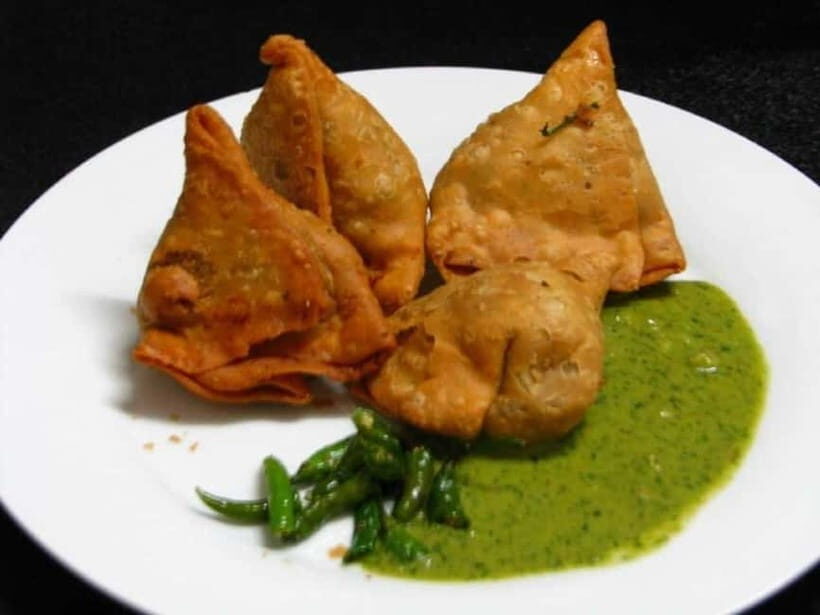
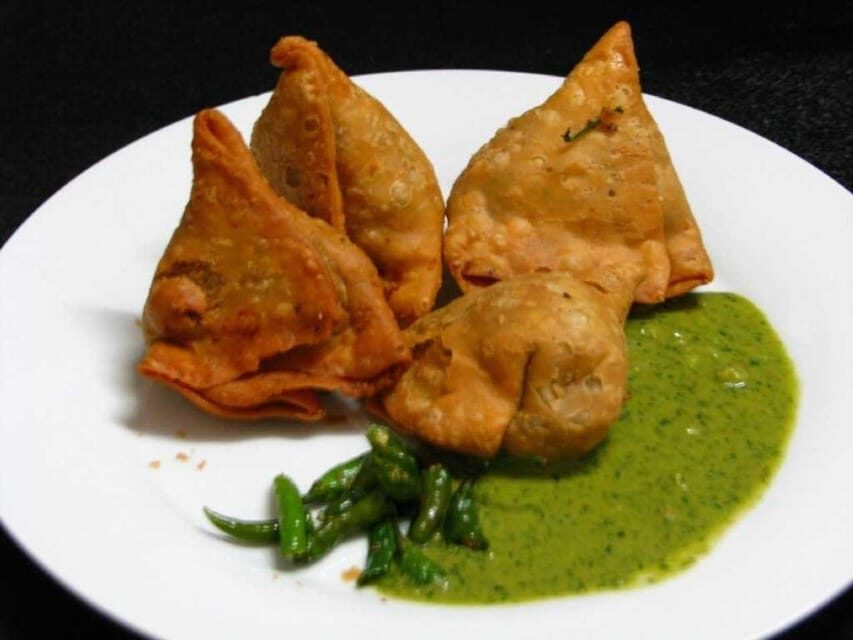
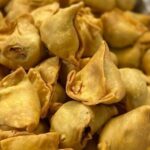
After the initial market segment, the tour includes a street food stop at Tip Top Samosa. This is one of those straightforward choices that works well in a food tour: samosa is common, but the best ones are all about texture and filling—crisp exterior, hot spiced interior, and a balance that doesn’t feel heavy after a few bites.
Why include something like this? Because it’s a bridge. If you’re new to Nepali street food, you get a familiar format that still tastes distinctly local. And if you’re not new, you still get to compare how Kathmandu makes a classic differently.
You won’t be here long (about 15 minutes), so think of this as a “taste, understand, move on” stop. It’s ideal for keeping momentum in a 2-hour schedule.
Indrachok: walking, guided tasting, and food-market time
Next comes Indrachok, Kathmandu, with another guided segment that includes walking, sightseeing, food tasting, and a food market visit. This stop runs about 45 minutes, so it’s one of the tour anchors.
Indrachok is the kind of location where the street scene is the main feature. You’re not just eating a single item—you’re experiencing how street vendors operate in the flow of normal life. Your guide’s job here is key: it’s where the explanations can turn snacks into stories. For example, you’re learning how specific dishes relate to local tastes and how street food fits into everyday schedules.
If you’re the type who likes to know what’s in the dish and why locals order it, this is where you’ll get value. If you prefer silent munching, just know that the stop is built for interaction: guided tour plus tasting plus walking. You’ll likely stand, watch, and answer some quick questions.
Indrachowk Lassi Bhandar: cool down with lassi
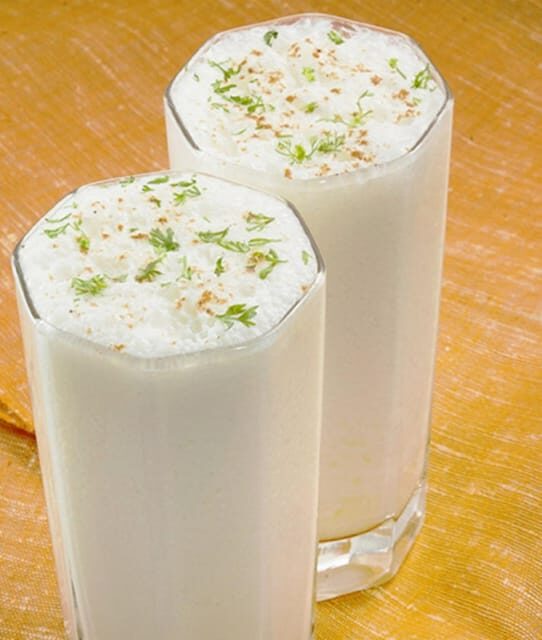
After all the walking and hot-snack momentum, the tour heads to Indrachowk Lassi Bhandar for street food and a tasting time of around 20 minutes. This is a smart balance point. Lassi is a cooling counterweight to spicy bites, and it also helps your palate reset.
This matters because a food tour is only fun if you can keep tasting. If you load up on hot, spicy snacks back-to-back, you end up chasing flavor rather than enjoying it. The chai + lassi combination (chai earlier and lassi here) makes the route feel more like a planned meal rhythm than a random snack crawl.
If you’re sensitive to very spicy food, this is also where you may find relief. The tour doesn’t state spice levels, but lassi is often the “slow down” drink on a street-food route.
You can also read our reviews of more tours and experiences in Kathmandu
What you’ll actually eat: the Nepali and Newari lineup
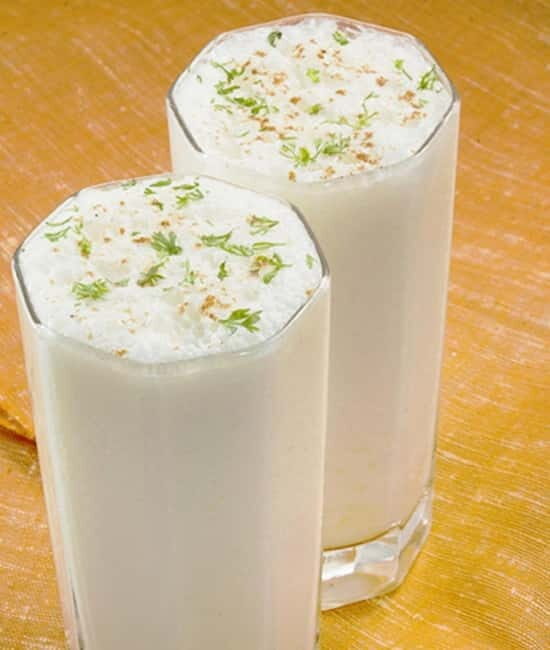
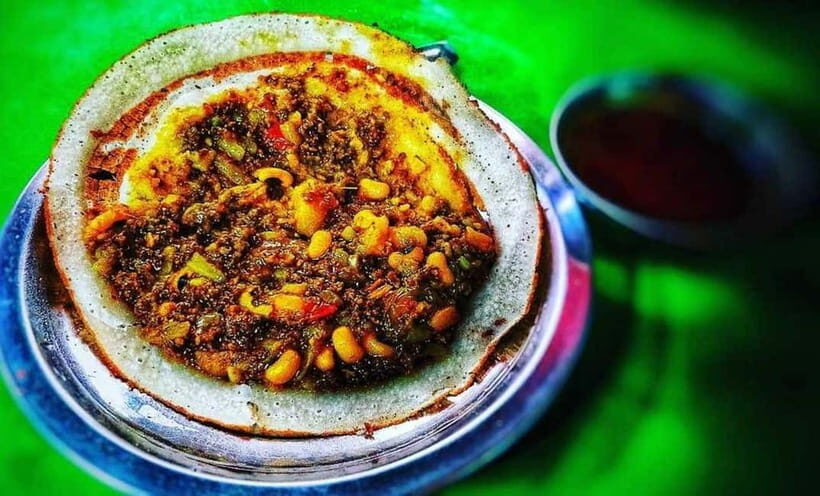
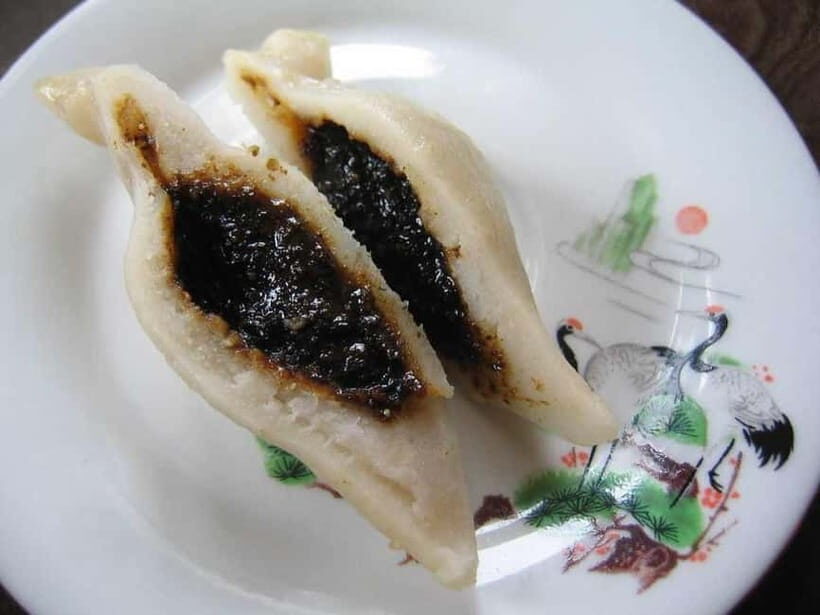
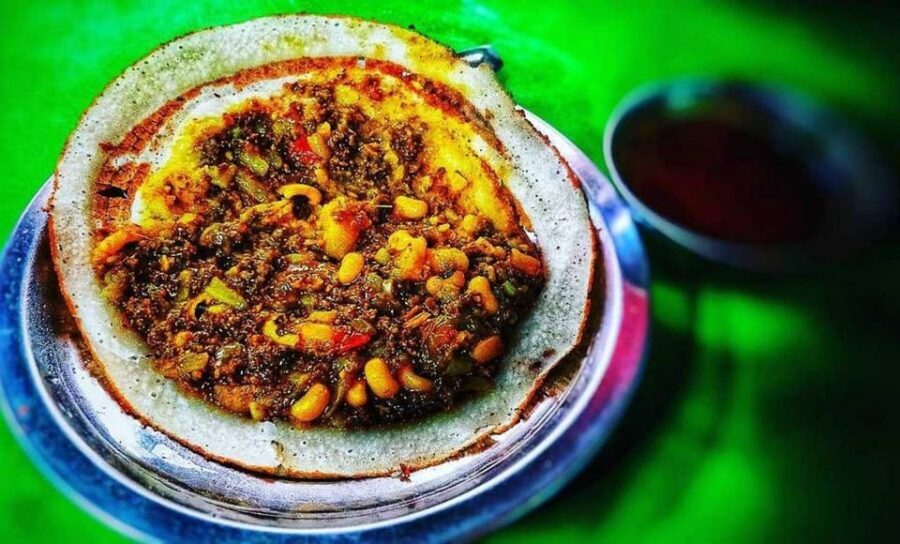
The tour promises Nepali local foods and Newari specialties, and the included food list names five items. From the provided details, you can expect a lineup that includes bara, chatamari, yomari, samosa, and lassi. The tour descriptions also highlight other common street options like momos and pani puri, and you’ll also have masala chai at a traditional tea shop.
Here’s how to think about that mix:
- Bara: a hearty, savory street-style dish that gives you a filling start.
- Chatamari: a Newari specialty that often feels like a cultural signature of the Kathmandu valley.
- Yomari: another Newari classic, typically known for its sweet side of street tradition.
- Samosa: the reliable crispy snack that keeps the route moving.
- Lassi: your palate reset drink.
And don’t ignore the drink parts. The tour includes light refreshments at the start—tea/coffee/soft drinks—and it also includes masala chai during the circuit. That’s not filler. It’s how you stay comfortable during active walking.
The tour also includes one bottle of mineral water, which is helpful in Kathmandu’s warm conditions (especially if you’re arriving from a cooler climate).
Included vs extra: value check on $32
At $32 per person for a 2-hour guided walking tour, the value mainly comes from three things: an English-speaking guide, multiple food tastings, and drinks/water support.
Included:
- Light refreshment at the start (tea/coffee/soft drinks)
- Professional English-speaking guide
- Food tastings with Newari focus (5 items named: bara, chatamari, yomari, samosa, lassi)
- 1 bottle of mineral water
Not included:
- Personal expenses and other drinks and beverages
What I like about this pricing structure for you: you’re not paying only for “access.” You’re paying for guided navigation and a set of specific tastes. Street food tours can get pricey when they only deliver a couple bites. Here, the named food list and the tea/refreshment structure suggest you’ll actually sample enough to feel the value quickly.
A practical money move: bring cash for snacks or small purchases that may pop up during market stops. The tour asks you to bring cash, and market areas like Asan Bazar often make it easy to grab something small on impulse.
The guide factor: friendliness is great, focus is critical
This is the part you should pay attention to before you commit, because the difference between an average and an excellent food tour is often the guide’s attention.
One review praised a guide named Shreeram and specifically mentioned how he brought the group to typical Nepali street food and that everything tried was delicious. That’s the ideal scenario: a guide who knows the area, knows the stalls, and keeps the group moving with clear explanations.
Another review criticized a guide for being frequently on the phone and walking 20–40 meters ahead, with limited explanation unless asked. That tells you what to do if you book: set expectations early. If your guide is distracted, you can ask a direct question and ask the guide to regroup the group rather than drifting ahead.
Tip for you: on tours like this, don’t be shy about speaking up. Ask what each dish is, ask how locals eat it, and ask what to watch for with flavor or texture. You’ll get more from the tour even if the guide style is less structured.
How the timing works in a real city
The schedule is tight but not frantic. You start with about 20 minutes of welcome refreshment, then move into short walking stretches, market and tasting blocks, and a couple longer segments where the guide explains and you taste.
The tour also notes that you should arrive before 10 minutes from activity time. In Kathmandu, that margin matters because meeting points can be crowded and streets are full of little distractions. Give yourself that small buffer so you start calm, not stressed.
You’ll want comfortable shoes and comfortable clothes. That’s not just generic advice; it’s because you’re mixing markets with walking, plus standing for tastings. A camera is also a good idea because the tour includes photo stops (notably Asan Bazar).
Who this tour is best for
This is a good fit if:
- You want a quick, organized way to try Kathmandu street food without planning each stop yourself
- You like Newari food and want a mix of savory and sweet flavors (chatamari and yomari are a strong clue)
- You like learning through food culture, not just eating randomly
It may be less ideal if:
- You strongly dislike guided interaction and prefer quiet sightseeing
- You’re very sensitive to spice and want full control over what you eat (the tour doesn’t promise spice customization)
- You have mobility limits, since it’s an on-foot route (and it’s not suitable for people over 95 years)
Should you book? My take
If you’re in Kathmandu for a short time and you want the street-food side of the city, I’d say this is worth considering. The combination of Newari dishes (bara, chatamari, yomari), street standards (samosa and likely more), plus drinks like chai and lassi gives you variety within a tight 2-hour window.
I’d only hesitate if you know you’ll need very high guide attention the whole time. Since one guide experience was reported as unfocused and the guide walked ahead, it’s worth booking with the mindset that you should ask questions and keep close to the group.
For most food-minded travelers, this is a practical way to taste Kathmandu like a local: not by researching for hours, but by following a route that already makes sense.
FAQ
FAQ
How long is the Kathmandu local food tour?
The tour duration is 2 hours.
Where is the meeting point?
The meeting point is The Delicious Pizza House Nepal.
What time should I arrive?
You need to come before 10 minutes from activity time.
Is the tour guided in English?
Yes. The tour includes a live guide who speaks English.
What foods are included?
The included food list names bara, chatamari, yomari, samosa, and lassi (5 items). The tour highlights also mention tasting momos and chatamari, and the overview mentions pani puri.
Are drinks included?
Light refreshment is included at the start (tea/coffee/soft drinks). The tour also includes a traditional masala chai stop and includes 1 bottle of mineral water. Other personal drinks are not included.
Does the tour include water?
Yes. It includes 1 bottle of mineral water.
What should I bring?
Bring comfortable shoes, sunglasses, a camera, comfortable clothes, and cash.
Is the tour suitable for older travelers?
The tour is not suitable for people over 95 years.
Can I cancel for a refund?
Yes. Free cancellation is available up to 24 hours in advance for a full refund.
If you want, tell me your travel dates and whether you like spicy food. I can suggest what to emphasize (chai-first vs snack-first) so you get the most out of the 2 hours.