REVIEW · KATHMANDU CITY & WALKING TOURS
Walking tour of real Kathmandu through back streets.
Book on Viator →Operated by Anil Manandhar · Bookable on Viator
Kathmandu feels like a living street film. This walking tour focuses on day-to-day life, weaving Hindu and Buddhist sights through real neighborhoods and markets, with Ason bazar and Kathmandu Durbar Square as the anchor stops. I like that it’s not just photo stops—it’s a guided stroll that helps you read what you’re seeing. I also like the mix of temples, courtyards, and daily commerce. One thing to think about: entrance fees aren’t included, so you may pay separately at some sights.
It’s also a good reminder that this isn’t a long bus day. You’re walking for about 3 to 4 hours, starting and ending at the Garden of Dreams, so you’ll want comfy shoes and a weather-friendly mindset. The big payoff is getting a handle on Kathmandu’s culture through the places locals actually use, not a purely staged route.
In This Review
- Key Highlights You’ll Actually Care About
- Why This Kathmandu Walk Feels More Real Than Sightseeing
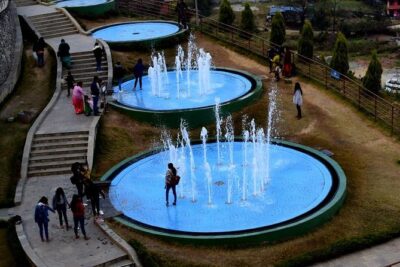
- Meeting at Garden of Dreams: A Calm Starting Point Before the City Speeds Up
- Kathmandu Durbar Square: Temples, Courtyards, and the City’s Spiritual Core
- Ason Bazar: The Ancient Open-Air Supermarket You Walk Through
- Kumari Temple and Hanuman Dhoka Palace: Where Faith Meets Public Space
- Indra Chowk and Freak Street: The City’s Contrast in One Walk
- Price and Group Size: Is $68 Worth It?
- What You’ll Notice Most With a Guide Like Anil Manandhar
- How to Prepare: Shoes, Timing, and Entrance Fees
- Who This Walking Tour Is Best For
- Should You Book This Kathmandu Back-Street Walking Tour?
- FAQ
- What’s the meeting point for the tour?
- Where does the tour end?
- How long does the walking tour last?
- How much does the tour cost?
- Is this tour private?
- What’s included in the price?
- Are entrance fees included?
- What places will the walk cover?
- What are the tour’s operating hours?
- What if the weather is bad?
- What’s the cancellation policy?
Key Highlights You’ll Actually Care About
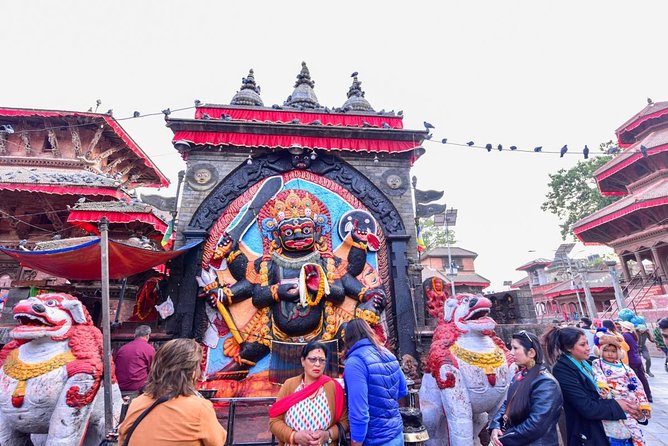
- Ason bazar, Kathmandu’s old open-air super market: vegetables, groceries, and everyday rhythms in one walk-through.
- Kathmandu Durbar Square’s mix of Buddhist and Hindu landmarks: stupas, temples, courtyards, and palace-adjacent energy.
- Kumari temple and Hanuman Dhoka Palace area: royal and religious landmarks placed where city life flows around them.
- Indra Chowk stop: a central crossroads feel that helps connect the dots across neighborhoods.
- Freak Street: a famous Kathmandu street name that adds an unexpected, modern travel-history flavor to the day.
- Anil Manandhar’s long experience: a licensed, expert guide service that turns sights into stories.
Why This Kathmandu Walk Feels More Real Than Sightseeing
Kathmandu can feel big and confusing fast. This tour helps you get your bearings by moving on foot through back streets and real stops that locals use, not just postcard monuments. The idea is simple: instead of treating temples and squares like museum exhibits, you learn to watch how religion, daily shopping, and neighborhood life overlap.
Two things make this approach especially practical. First, you get context early: you start near the Garden of Dreams and then work toward Kathmandu Durbar Square and the surrounding areas, so the city makes sense as a connected web. Second, Ason bazar isn’t presented as a quick photo-op. It’s treated like what it is—an open super market where the sights, smells, and motion explain the culture better than a lecture could.
The main consideration is that this tour is time-efficient but not slow. You’ll cover several major landmarks in about 3 to 4 hours, so if you’re easily tired by walking or you’re expecting lots of long sitting-down breaks, you might want to pace yourself.
You can also read our reviews of more walking tours in Kathmandu


Meeting at Garden of Dreams: A Calm Starting Point Before the City Speeds Up
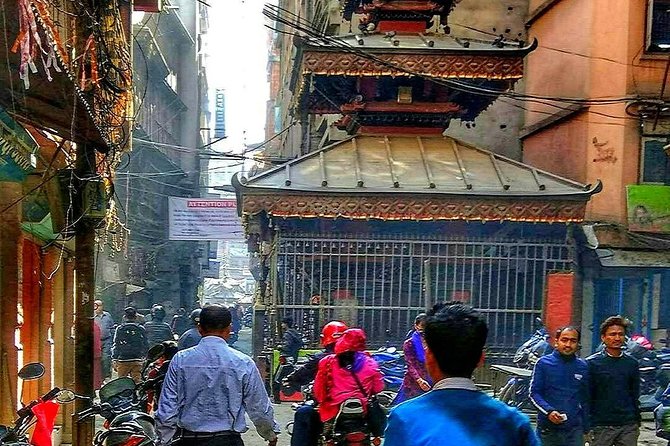
You meet at the Garden of Dreams on Tridevi Sadak, Kathmandu 44600, and the tour ends back at the same meeting point. I like this setup because it gives you a stable place to return to—useful if you’re hungry, need a bathroom break, or just want to regroup.
The timing window is also a helpful clue for planning. The tour operates between 9:15 AM and 2:15 PM, which usually means you’ll be walking in daylight and before the day gets too unpredictable. Garden of Dreams feels like a softer landing area compared with the surrounding streets, so it’s a good place to start without feeling instantly thrown into traffic and crowd noise.
If you’re thinking about what to wear, treat this like a neighborhood walk, not a formal museum visit. Comfortable shoes matter. Bring sun protection. If weather looks unstable, consider that the experience requires good weather—so you’ll either go on a different date or get a refund if conditions are poor.
Kathmandu Durbar Square: Temples, Courtyards, and the City’s Spiritual Core
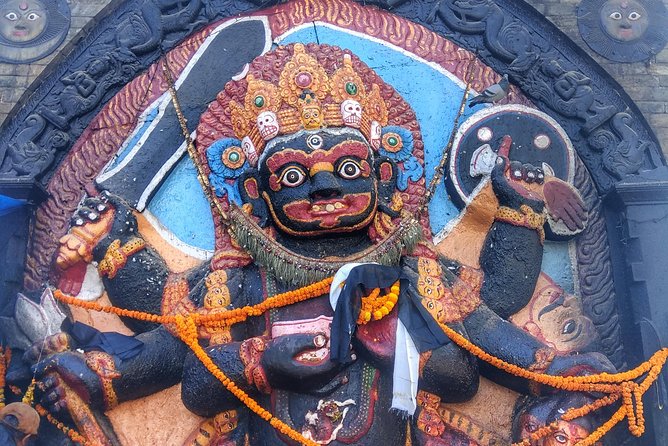
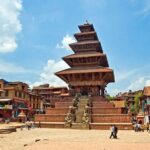
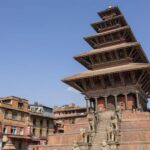
The tour’s first big stop is Kathmandu Durbar Square, and the focus is on how the area works as a living civic-religious space. You’re not just circling monuments. You’ll see a mix of Hindu temple areas, Buddhist stupas, public courtyards, and palace-adjacent landmarks that sit right in the flow of Kathmandu.
This is one of the strongest reasons to take a guided walk instead of trying to DIY with a map. Durbar Square isn’t one single attraction—it’s a cluster. A good guide helps you understand the logic of where places sit relative to each other, and what to pay attention to as you move from one courtyard to the next.
What I find valuable here is the cross-religion layout. When you see Hindu and Buddhist elements in the same walking loop, Kathmandu starts to read differently. You begin to notice how daily life and spiritual life share the same public space. That’s not just interesting—it’s the whole point of the tour.
One possible downside: you’ll likely run into entry requirements at temple or heritage areas. The tour doesn’t include admission tickets, so budget for entrance fees on top of the tour price.
Ason Bazar: The Ancient Open-Air Supermarket You Walk Through
Ason bazar is the star for many people, and it’s easy to see why. You’ll spend time in Ason, described as the traditional and most ancient market place in Kathmandu—an open super market with vegetable and grocery trading that feels real, current, and fully local.
The best part is that it’s not framed as shopping tourism. It’s framed as daily life. That changes what you notice: you stop thinking about souvenirs and start noticing patterns—how people move, how stalls are organized, and how the market’s energy signals what the city values day to day.
If you’ve visited other markets in Asia, you may still find Ason different because it sits right next to major heritage zones. That proximity means your walk transitions smoothly from spiritual sites to everyday food supply culture. You get the full picture of Kathmandu’s rhythm: prayer and provisioning in the same city block world.
Practical tip: Markets can be busy and visually intense. Keep your eyes on your guide’s cues about where to walk and what to look at next. It’s also a good place to take a moment, slow down, and absorb. You’ll learn more by watching for two extra minutes than by trying to photograph everything.
Kumari Temple and Hanuman Dhoka Palace: Where Faith Meets Public Space
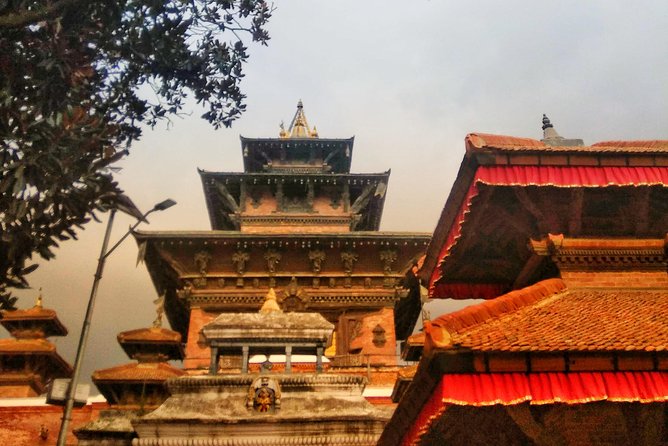
After Ason, the tour connects back to heritage landmarks, including the Kumari temple and the Hanuman Dhoka Palace area. This part matters because it shows Kathmandu’s mix of religion, tradition, and public life all in the same compass point.
Kumari’s inclusion is a signal that the tour isn’t only about architecture. It’s about understanding a belief tradition that’s embedded in how people view identity, devotion, and ceremony. Even if you don’t know the background before you arrive, a good guide can make the place legible as you stand in front of it.
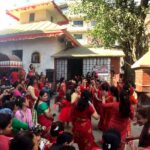
Hanuman Dhoka Palace adds a different texture. One highlight from the guide’s supporters is that the palace area can bring dramatic moments like the Pachali Bhairav dance when it occurs. That kind of performance doesn’t just entertain. It turns a “see the palace” stop into a “watch living tradition” moment, which is exactly the kind of travel memory that lasts.
As with other heritage spots, plan for separate entrance fees if required. Also, keep your expectations flexible—palace and temple areas can feel different depending on the day’s schedule and activity.

Indra Chowk and Freak Street: The City’s Contrast in One Walk
Not all Kathmandu magic lives in temples. The tour also includes Indra Chowk and the famous Freak Street area. Together, these stops add contrast so your day doesn’t become only religious architecture and old courtyards.
Indra Chowk helps you feel Kathmandu as a network of junctions—places where foot traffic and street life converge. You’ll likely notice how quickly a landmark area becomes part of the surrounding city pattern. That’s useful because it reinforces something you’ll keep seeing throughout the walk: Kathmandu isn’t separated into tourist zones. Heritage and daily life overlap.
Then comes Freak Street, which carries an unmistakable travel-story reputation. Even without getting lost in lore, you’ll appreciate the shift in vibe from formal sacred spaces to a street known for attracting travelers and alternative culture. It’s a reminder that Kathmandu has always been both local and connected.
This contrast is exactly what makes the walking format worthwhile. A bus route can’t deliver that feeling of moving from one atmosphere to another in ten minutes.
Price and Group Size: Is $68 Worth It?
The tour costs $68 per group, for up to 10 people, and it runs about 3 to 4 hours. That pricing structure matters because it’s group-based, not per-person individual ticketing. For many people, that makes it an easier value math—especially if you’re traveling with others or want a guide without paying for a private car.
The included piece is a licensed guide service. That’s the core of the value here. You’re paying for interpretation and navigation—help getting from A to B inside major heritage and market areas, plus guidance on what you’re looking at so the sights turn into understanding.
Entrance fees aren’t included, and that’s the main cost you might add. Still, even with a small extra spend at entry points, the overall value stays solid because you’re covering multiple anchor locations in one guided loop.
If you hate spending money on “just a walk,” this one might still win you over because the guide’s job is to keep the route meaningful. If you enjoy markets, heritage squares, and street culture, you’ll likely feel like the time and price match.
What You’ll Notice Most With a Guide Like Anil Manandhar
The experience is provided by Anil Manandhar, and the reviews you have for him point to real expertise and a teaching mindset. One common theme is how much people appreciated his guidance, his experience, and his ability to bring places to life with practical explanations.
What I like about this kind of guide is that you’re not left guessing. You’re walking through Kathmandu’s big named areas—Kathmandu Durbar Square, Ason bazar, Kumari, Hanuman Dhoka, Indra Chowk, Freak Street—and a guide helps you avoid the two common DIY mistakes: missing what matters and getting stuck where you don’t need to be.
Anil’s experience level is also repeatedly emphasized, including a note of 32 years guiding. That kind of long practice usually shows up in small ways: knowing how to pace you through a crowded market, steering you toward the key landmarks in Durbar Square, and explaining what you’re seeing in a way that clicks fast.
It’s also clear the guide aims to give more than facts. People highlighted specific memorable moments, like the palace-area dance highlight, which suggests he’s paying attention to what’s happening on the ground and how to connect it to the places you’re standing in.
How to Prepare: Shoes, Timing, and Entrance Fees
This is a walking tour of back streets, so your main preparation is practical. Wear shoes you don’t mind getting a workout. You’ll be spending time moving through market areas and heritage zones, where the ground can change quickly from street to courtyard to crowded lanes.
Bring a light layer if you’re sensitive to changing temperatures. Kathmandu mornings and early afternoons can shift, and your comfort affects how much you enjoy the day.
Plan for entrance fees. The tour doesn’t include admission tickets, and that matters most for heritage sites and temple-related areas. If you don’t know the exact amount in advance, don’t stress—just keep the idea in your budget.
Also keep your weather plan flexible. The experience requires good weather, and if it’s canceled for weather reasons you’ll be offered another date or a full refund.
Who This Walking Tour Is Best For
This is a great match if you want Kathmandu as a city, not just a collection of famous stops. You’ll enjoy it most if you like:
- Market energy and street-level culture, especially Ason bazar
- Learning how Hindu and Buddhist landmarks share the same public space
- A guided route through major heritage areas where a self-guided walk might feel confusing
It’s also a good option if you’re short on time. In about 3 to 4 hours, you hit major named locations that would take much longer to connect on your own.
If you’re traveling with limited patience for crowds or you want slow, sit-down museum pacing, you may find parts of the market and square areas intense. In that case, go in with realistic expectations: this is a walking-and-seeing day.
Should You Book This Kathmandu Back-Street Walking Tour?
I’d book it if your priority is understanding Kathmandu through real neighborhoods and markets, with a licensed guide who knows how to connect the dots. The biggest strengths are the pairing of Ason bazar with Kathmandu Durbar Square, plus the way the route moves you through both heritage and street culture like Indra Chowk and Freak Street.
I’d think twice only if you strongly dislike walking, hate paying extra at entry points, or need a very relaxed pace. Otherwise, this tour is a strong value for a guided, high-reward loop that shows you Kathmandu as a working city.
If you want Kathmandu to feel like a story you can follow—temples in one direction, market life in the other—this is a smart way to do it.
FAQ
What’s the meeting point for the tour?
The tour starts at the Garden of Dreams, Tridevi Sadak, Kathmandu 44600, Nepal.
Where does the tour end?
It ends back at the same meeting point.
How long does the walking tour last?
It runs for about 3 to 4 hours.
How much does the tour cost?
The price is $68.00 per group (up to 10 people).
Is this tour private?
Yes. It’s a private tour/activity, and only your group participates.
What’s included in the price?
The tour includes a licensed guide service.
Are entrance fees included?
No. Entrance fees are not included.
What places will the walk cover?
You’ll visit Kathmandu Durbar Square, including areas like the Kumari temple and Hanuman Dhoka Palace, plus Indra Chowk, Ason bazar, and the famous Freak street.
What are the tour’s operating hours?
It runs Monday through Sunday from 9:15 AM to 2:15 PM.
What if the weather is bad?
The experience requires good weather. If it’s canceled due to poor weather, you’ll be offered a different date or a full refund.
What’s the cancellation policy?
You can cancel for a full refund up to 24 hours in advance of the experience’s start time.