REVIEW · EVENING EXPERIENCES
Pashupatinath: Evening tour of temple and Aarati ceremony
Book on GetYourGuide →Operated by Peak to Peak Treks · Bookable on GetYourGuide
Candlelit rituals on a sacred river. I like the way this evening tour connects Pashupatinath Temple with the Bagmati riverside so you see Nepal’s faith in motion, not just in photos. You also get to witness the Aarati ceremony as the day turns quiet.
What I love most is the close look at the daily rhythm of worship, from the temple shrines to the prayer sounds—incense, bells, chants, and drums. My only real consideration: the cremation ghats part can be emotionally heavy, and the tour is not wheelchair-friendly.
In This Review
- Key things that make this evening Pashupatinath visit special
- Pashupatinath at sunset: why the timing matters
- First stop: entering the Pashupatinath Temple complex
- Temple worship in real time: incense, bells, and devotions
- Bagmati River ghats: what you’ll see and how to prepare
- The Aarati ceremony near the river: oil lamps, mantras, and drums
- What’s included for $57: value beyond the headline price
- The private group advantage: better pacing for intense rituals
- Cultural etiquette tips that keep the experience respectful
- Who should book this tour, and who should think twice
- Should you book this evening Pashupatinath Temple and Aarati tour?
- FAQ
- How long is the Pashupatinath evening tour?
- What does the tour cost?
- Is the tour private?
- Is there an English-speaking guide?
- Are entry fees included?
- Is there skip-the-ticket-line access?
- Does the tour include transportation?
- Will I see cremation rituals at the river ghats?
- Is the tour suitable for wheelchair users?
- Is free cancellation available?
- Can I reserve and pay later?
Key things that make this evening Pashupatinath visit special
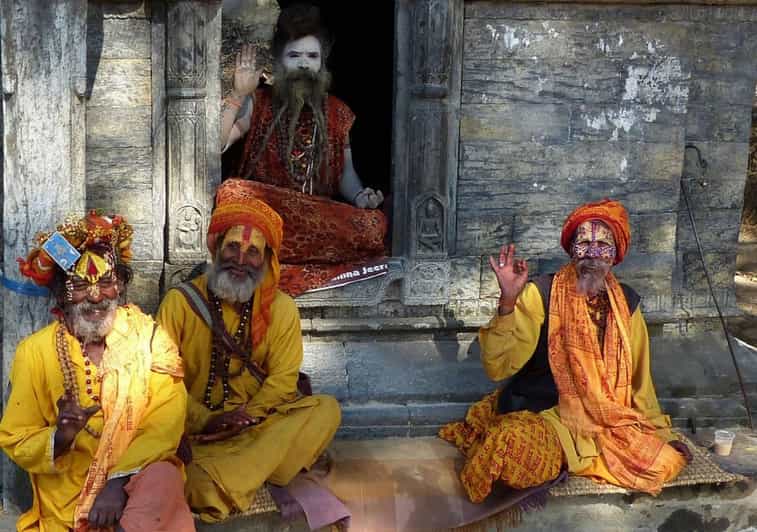
- UNESCO World Heritage temple grounds: centuries-old architecture and sacred space in one compact circuit.
- Temple details you can actually understand: shrines and statues (murtis) explained in plain English.
- Bagmati River ghats with real rituals: respectful, ceremonial views of life, death, and belief.
- Sunset Pashupati Aarati: oil-lamp (diyas) ritual with mantras and drumming that changes the mood.
- Private, English-speaking guide: you move with confidence and skip the worst waiting.
Pashupatinath at sunset: why the timing matters
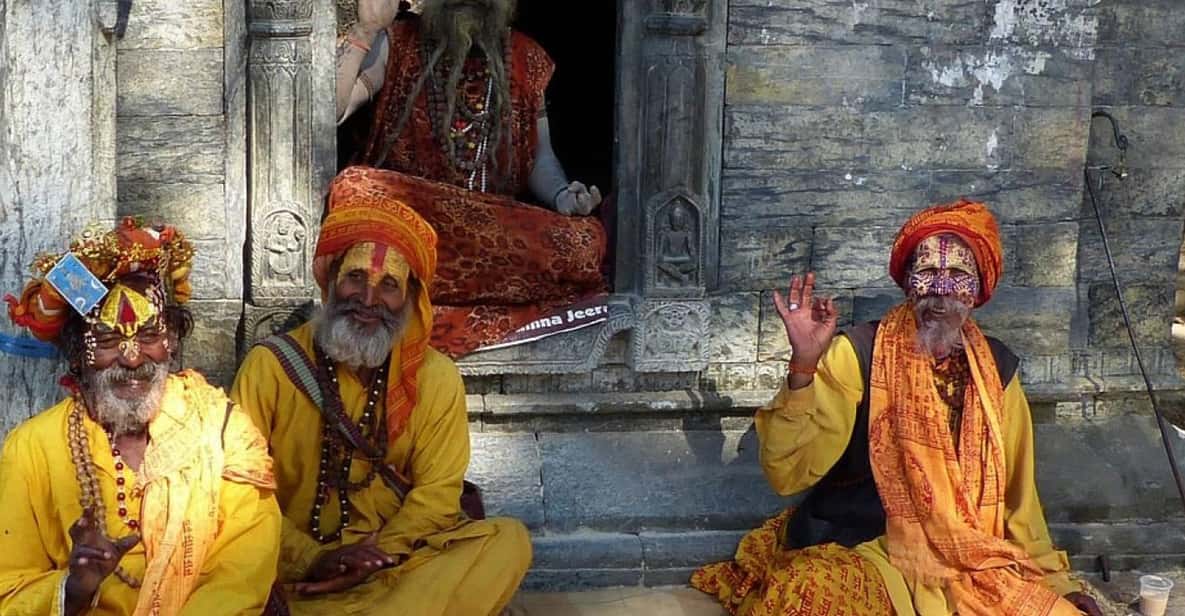
An evening tour changes the whole feel of Pashupatinath. During the day, the temple complex can feel like a place you’re touring. At night, it feels more like a living schedule of prayers, with ceremonies unfolding as the light shifts.
This is also the right time to see the Bagmati River ghats. The ceremonies are already solemn in daylight, but at dusk you get a mix of ritual focus and soft evening atmosphere—exactly what you want if you’re coming for spiritual meaning, not just sightseeing.
I appreciate that the tour is only 3 hours. You get a full arc—temple to river to ceremony—without turning the evening into an all-nighter. That’s especially useful in Kathmandu, where you want to conserve energy for the rest of your trip.
You can also read our reviews of more evening experiences in Kathmandu



First stop: entering the Pashupatinath Temple complex
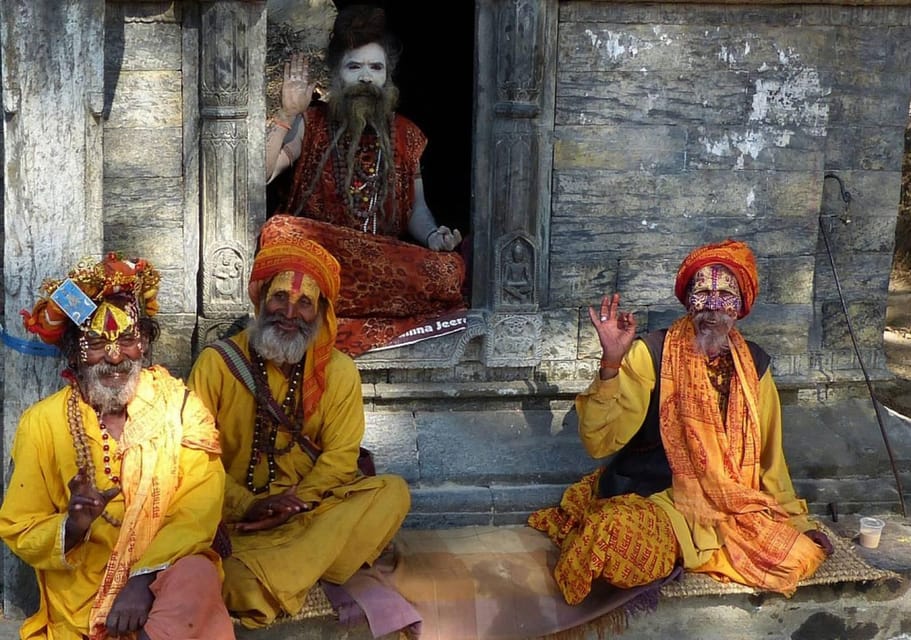
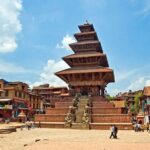
Your evening starts with approaching the temple grounds, where the architecture makes an immediate impression. You’ll see pagoda-style forms and the main temple rising with a striking golden spire. Even if you’re not a “temple person,” you’ll likely feel that this is a place built to point your eyes upward.
Inside the grounds, the tour focuses on the sacred meaning behind what you see. The main Pashupatinath temple houses the lingam connected with Lord Pashupatinath, a Shiva form revered by Hindus. The point isn’t to memorize names. It’s to understand why people travel here and why rituals happen daily.
As you walk through the complex, you’ll notice how layered it is: shrines and murtis (statues) scattered across the space. A good guide matters here because these details can look similar at first glance. With an English-speaking guide, you’ll be able to follow what each area represents and how worship is structured.
Temple worship in real time: incense, bells, and devotions
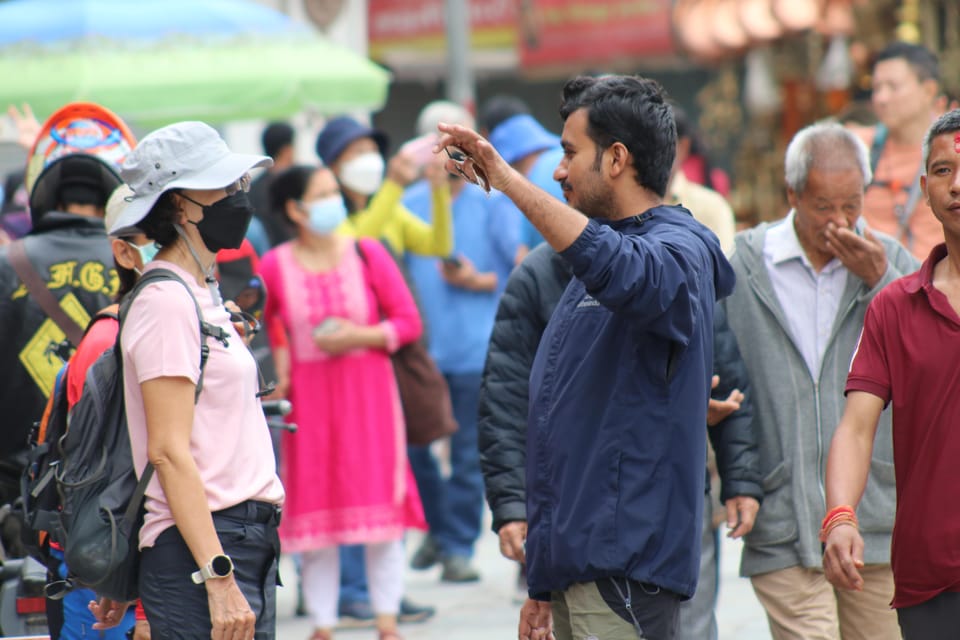
One of the best parts of this tour is the fact that it’s not staged for you. You’re walking through an active religious setting, so the sounds and smells are part of the experience: incense in the air, bells chiming, devotees moving with purpose.
This is where the “culture” piece becomes more than a label. You’re not just looking at architecture; you’re seeing how architecture supports daily practice. In that sense, the temple complex is like a physical guide to belief—space designed for attention.
I also like the pace here. A private group keeps things smoother than a big crowd shuffle. You can slow down when something catches your attention and speed up when you’re ready to move on.
Bagmati River ghats: what you’ll see and how to prepare
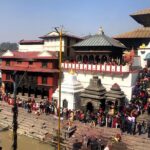
Then you shift from temple walls to the river edge. The Bagmati River ghats are where the tour turns powerful, because it’s about ceremonies around life and death. From the platforms you’ll witness ritual chanting and the solemn flow of the cremation process.
A big part of the value is context. The tour frames the ghats as a place where Nepalese spiritual beliefs meet real human moments. So even if cremation rituals are unfamiliar, you’ll understand what you’re looking at and why families and priests treat it with such seriousness.
Here’s the practical consideration: this section can be emotionally intense. Even when the atmosphere is dignified, seeing cremation-related rites isn’t light entertainment. If you’re sensitive about death, plan your headspace before you arrive. Bring a steady attitude and expect it to affect you more than temple sightseeing usually does.
Also, the riverfront can mean changing ground surfaces and watching where you step. Wear comfortable shoes and keep your eyes on your guide’s cues as you move through the area.
The Aarati ceremony near the river: oil lamps, mantras, and drums
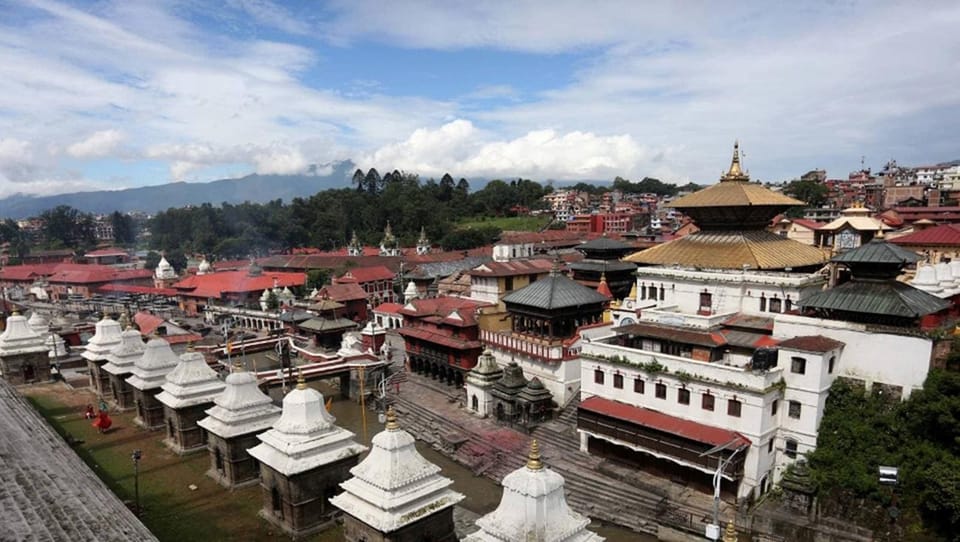
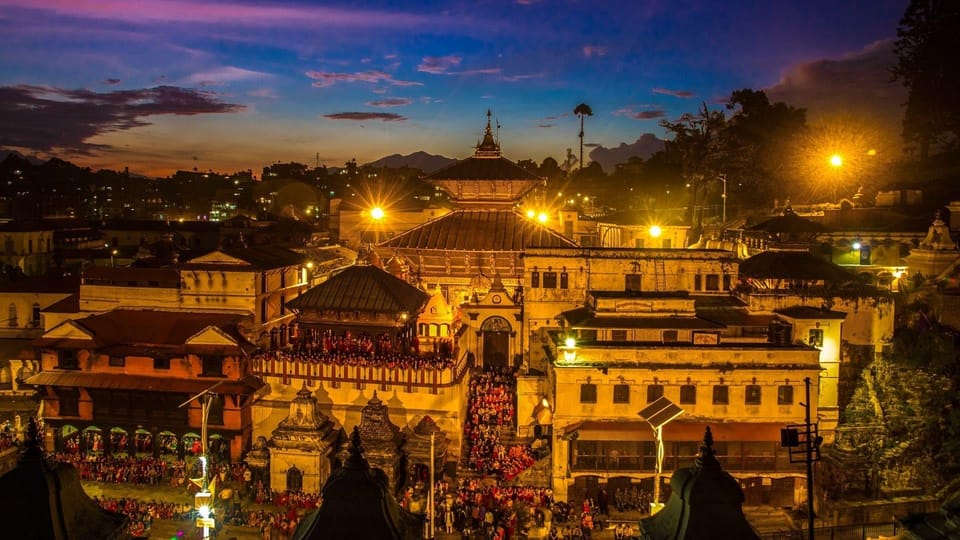
As the sun drops, the mood shifts in a way that’s hard to reproduce anywhere else. The Pashupati Aarati ceremony brings a different energy from daytime temple prayers.
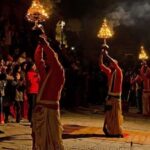
You’ll gather near the riverbank and watch priests perform ritual movements with oil lamps, known as diyas. The visual is striking, but the rhythm is what makes it unforgettable: mantras in the air and drums keeping time as the ceremony builds.
This is the moment where the tour earns its “evening” label. The Aarati is designed for a time of day when light matters—lamps against darkening sky, chants carrying across open space. It’s also easier to feel the communal focus when everyone is quiet enough to listen.
And yes, the ceremony culminates in collective prayers and reverence toward Lord Pashupatinath. The point isn’t to understand every phrase perfectly. The point is to recognize what the ritual is doing: transforming the riverbank into a shared moment of devotion.






What’s included for $57: value beyond the headline price
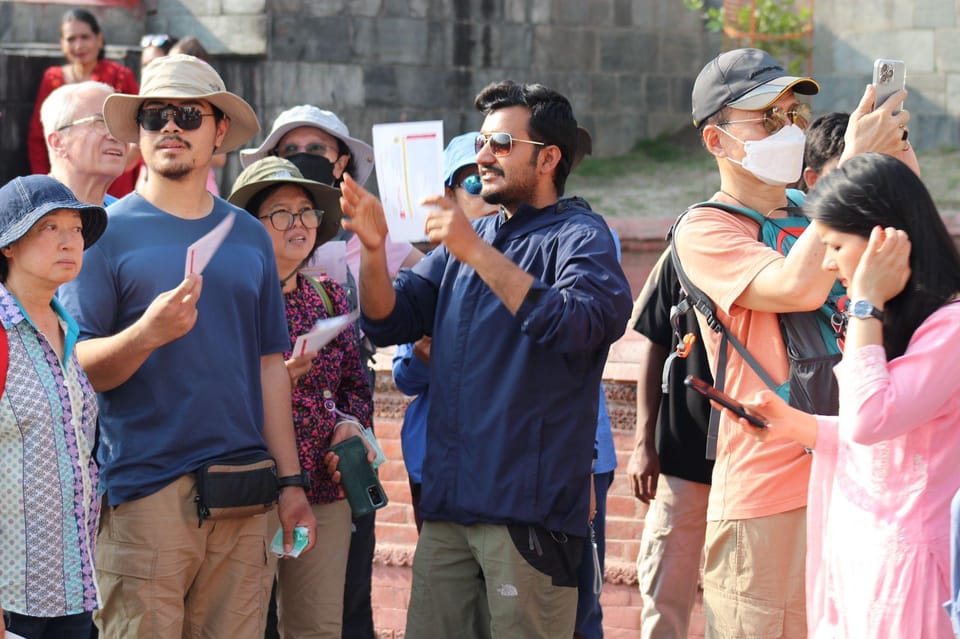
At $57 per person for 3 hours, the best value is what’s bundled. You’re not juggling tickets, entry lines, and transport at the end of your day.
This tour includes:
- All transportation
- Entry fees
- An English-speaking guide
- Skip the ticket line
- Private group format
If you try to piece together temple timing on your own, you’ll quickly learn how much effort can go into matching ceremony hours with getting there, finding the right entrance points, and understanding what you’re seeing once you arrive. Paying for a guide is about reducing that uncertainty.
The “skip the ticket line” piece is also meaningful in practice. It saves time when you most want to be present—right before the ceremony starts. That alone can make the difference between seeing the full Aarati arc or arriving just as it begins.
The private group advantage: better pacing for intense rituals
This is a private group, which matters more than it sounds. Pashupatinath can be busy, and the ghats are the kind of place where you don’t want to be shoved along with a crowd.
With a private setup, your guide can help you:
- find a sensible viewing position for the river section
- keep you moving at a pace you can handle
- ask questions without feeling rushed
In at least one account, the guide came across as caring and helped the experience feel human rather than mechanical. Even if you don’t need reassurance, it’s a nice reminder that a good guide isn’t just translating words; they’re managing comfort and expectations.
There’s also a small comfort factor: someone noted the cha (tea) as tasty. You might find that this tour includes a warm-up like that along the way, which is a smart add-on in Kathmandu evenings.
Cultural etiquette tips that keep the experience respectful
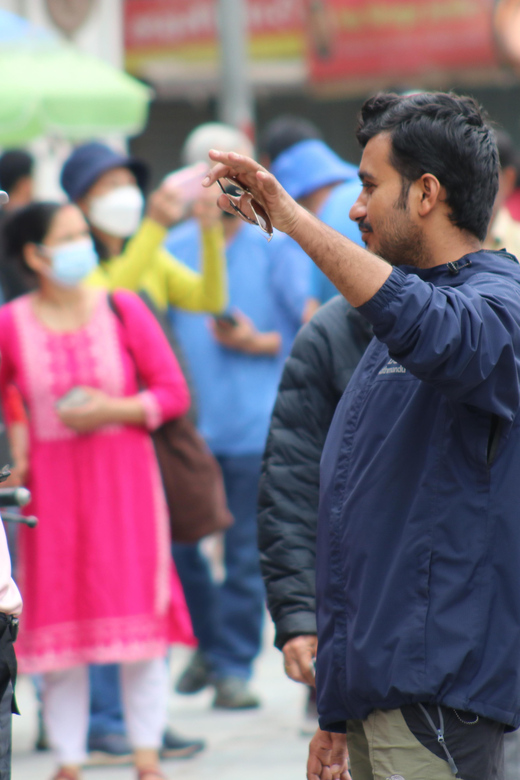
Because this is a working religious site—and because part of the evening involves sensitive rites—you’ll want to act like a guest, not a spectator.
Here are practical moves that fit the tone of the place:
- Keep your voice low during the ritual portions
- Follow your guide on where to stand and when to move
- Dress modestly and plan for incense and cool evening air
Even if you’re not sure about the rules, your guide’s instructions will keep you on the safe side. When ceremonies are happening, the best souvenir is not your photo—it’s your respect.
Who should book this tour, and who should think twice
This tour is a strong fit if you want more than architecture. If you’re curious about how Nepalese spirituality works in daily life—temple worship and riverside rites in the same evening—this is a great match.
It’s also a good pick if you like guided context. The experience contains lots of meaningful details: shrines, murtis, mantras, and the Aarati sequence. With an English-speaking guide, you’ll actually connect the dots instead of guessing.
Think twice if you know you’re uncomfortable with death-related rituals. The cremation ghats section is part of the tour for a reason, and it can feel heavy. Also, it’s not suitable for wheelchair users.
Should you book this evening Pashupatinath Temple and Aarati tour?
If your goal is to understand Nepal’s faith through the real settings where it happens, I’d book it. The combination is efficient and powerful: temple architecture, riverside cremation rites, and then the Aarati at sunset, all guided in English with transportation and skip-the-line entry.
The price feels fair because it covers the main friction points—getting you there, handling entry, and keeping the meaning clear during ceremonies that don’t translate well without context.
If you’re emotionally sensitive or you want only light sightseeing, pick a different kind of tour. But if you can handle solemn ritual and you’re open to profound cultural experiences, this one is worth your evening.
FAQ
How long is the Pashupatinath evening tour?
It lasts 3 hours.
What does the tour cost?
The price is $57 per person.
Is the tour private?
Yes, it’s a private group.
Is there an English-speaking guide?
Yes, the guide speaks English.
Are entry fees included?
Yes, entry fees are included.
Is there skip-the-ticket-line access?
Yes, the tour includes skipping the ticket line.
Does the tour include transportation?
Yes, all transportation is included.
Will I see cremation rituals at the river ghats?
Yes, the experience includes the cremation rituals at the river ghats.
Is the tour suitable for wheelchair users?
No, it is not suitable for wheelchair users.
Is free cancellation available?
Yes, you can cancel up to 24 hours in advance for a full refund.
Can I reserve and pay later?
Yes, you can reserve and pay later.