REVIEW · KATHMANDU
12 Days Overland Tour to Upper Mustang
Book on Viator →Operated by Adventure Glacier Treks & Expedition · Bookable on Viator
Upper Mustang feels like another world. If you want a road-trip style Himalayan journey with time for monasteries and caves, this private overland jeep itinerary is built for exactly that. I especially like the private jeep flexibility and the chance to visit Lo Manthang’s key religious sites at a steady pace.
The one thing to consider is that this is a long, overland route with off-road driving days, so comfort expectations should be realistic when you pick this tour.
In This Review
- Key things I’d plan around before you go
- Upper Mustang by private jeep: what makes this route feel different
- Price and what you actually get for $2,600
- Kathmandu days 1–2: getting oriented, then gearing up for the road
- Day 3 Pokhara: the countryside shift you feel the moment you leave town
- Day 4 Tatopani to Mustang approach: following the Kali Gandaki corridor
- Day 5 Muktinath and Jomsom-area stops: market life plus sacred sites
- Day 6 Ghami and Kagbeni Monastery: the Pitri-Puja cultural detail
- Day 7 Lo Manthang circuit: monasteries, the old city feel, and multiple named stops
- Day 8 caves day: Namgyal Gompa, Chhoser Sky Caves, and Shija Jhong
- Day 9 Jomsom return drive: markets again, plus time to look slowly
- Days 10–11 Pokhara: rest, a city tour, and the chance to catch your breath
- Day 12 Kathmandu wrap-up: the road back and a final Nepal feel
- The best moments to look for (and how to make them land)
- Comfort and fitness: who will love this and who should think twice
- Should you book this Upper Mustang private jeep tour?
- FAQ
- How long is the Upper Mustang overland tour?
- Where does the tour start?
- Is this tour private?
- What is the total price per person?
- What permits are included?
- Is an English-speaking guide included?
- How many breakfasts are included?
- Does the tour include accommodation?
- Do I get a mobile ticket?
- What is the cancellation policy?
Key things I’d plan around before you go
- ACAP and Lo Manthang special permits included in the package price
- Private vehicle logistics mean fewer transfers and a more tailored feel
- Lo Manthang temple circuit includes multiple named monasteries and an old, cave-linked sacred area
- Chhoser Sky Caves and Shija Jhong cave are on the schedule for a more unusual Mustang highlight
- Slow-down days in Pokhara so you do not end the trip exhausted
Upper Mustang by private jeep: what makes this route feel different
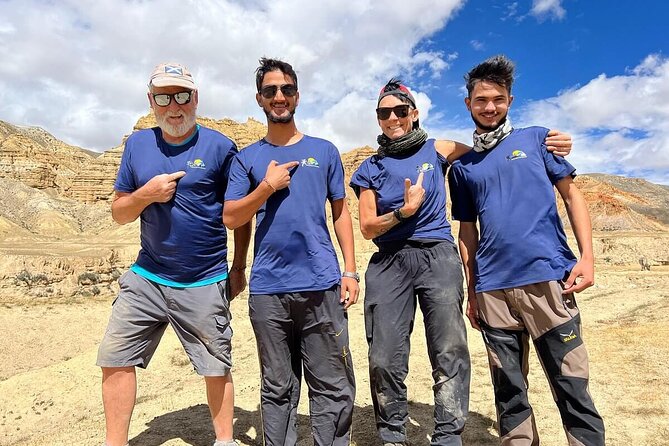
Upper Mustang is often talked about like a forbidden, faraway kingdom. In practice, what makes it feel special is how methodically you move through the region—day after day—while still getting moments that feel personal: small markets, monastery stops, and those tight turns where the road drops toward the Kali Gandaki area.
This tour is overland by private jeep, with a guide who can pace your day. That matters because Upper Mustang is not just a checklist. You’ll want time to look closely at carved architecture, to step into religious spaces when allowed, and to ask questions without feeling rushed.
I also like the way the schedule stacks the most meaningful cultural stops. You’re not only riding through big scenery (that word is overused, but you get the idea); you’re walking through working religious sites, visiting caves linked with spiritual tradition, and seeing the town life around places like Jomsom and Kagbeni.
You can also read our reviews of more tours and experiences in Kathmandu.
Price and what you actually get for $2,600
At $2,600 per person for about 12 days, this is not a budget hop. But the value is clearer when you look at what the package covers.
First, the price includes private ground transport plus an English-speaking guide. That means you’re not solving logistics on the fly in a region that runs on permits and local access rules.
Second, this package includes ACAP and Lo Manthang Special Permits, listed as USD 534. Permits are usually the part that shocks people after booking. Having them included helps you budget with less stress, and it also suggests your operator is handling the paperwork side, not just the driving side.
Finally, accommodations and breakfast are included (there are 11 breakfasts in the itinerary). For an overland tour where travel days can feel long, included lodging and meals reduce decision fatigue. You spend your mental energy on the visits, not on where to eat after hours on the road.
A practical takeaway: if your priority is cultural time in Upper Mustang rather than a fast, high-cost internal flight plan, this kind of all-in driving package can be a good fit—especially when permits are part of the bundle.
Kathmandu days 1–2: getting oriented, then gearing up for the road
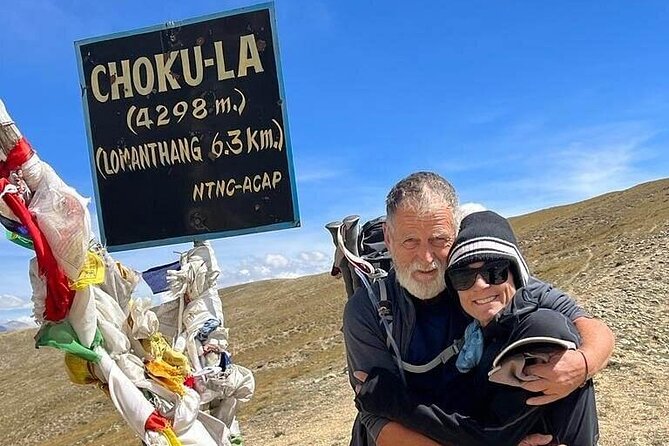
Day 1 is Kathmandu arrival day: meet your representative at Tribhuvan International Airport (TIA), then transfer to your hotel and get a briefing. That briefing step matters more than it sounds. A good guide helps you understand the rhythm of the trip—how early driving might be, how to think about permits, and what to expect as you leave the Kathmandu Valley behind.
On Day 2, you go sightseeing around the Kathmandu Valley with your guide, for about six hours. This is a useful buffer day. It lets you get your bearings before the long vehicle days start. If you land tired, this schedule gives you structure without forcing a sprint across the city.
I like that the tour starts with in-person support right away, because Kathmandu can be both exciting and overwhelming.
Day 3 Pokhara: the countryside shift you feel the moment you leave town
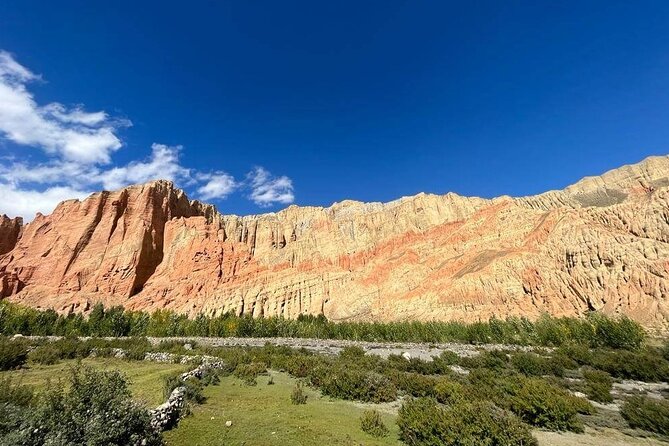
From Kathmandu, Day 3 brings a private jeep trip to Pokhara. The itinerary frames this as a chance to see more Nepal countryside along the way: greenery, rivers, villages, and farms.
Even if you’ve been to Pokhara before, I think it’s worth arriving by road because it changes the mood. You’re still in the Nepal rhythm, not jumping immediately into the more remote-feeling Upper Mustang region. This day also sets you up mentally for a vehicle-based journey: you start learning how the day unfolds.
For many people, Pokhara is also where you can reset—sleep earlier, eat a simpler meal, and get ready for the Mustang segment.
Day 4 Tatopani to Mustang approach: following the Kali Gandaki corridor
Day 4 is where the trip begins to feel more like an expedition. You drive from Pokhara toward Mustang after breakfast, following the Kali Gandaki River. The itinerary notes a sequence: blacktop road first to Beni, then off-road from there.
That off-road note is the main practical consideration for comfort. This tour is private, so you’re not stuck waiting on a group rhythm, but off-road conditions can still mean bumpy hours. Pack accordingly in your mindset: this is part of the overland deal.
If you like motion and watching how river valleys shape settlements, this is a satisfying day. You’re not just transferring; you’re traveling through a corridor that connects villages, markets, and religious symbols along the way.
Day 5 Muktinath and Jomsom-area stops: market life plus sacred sites
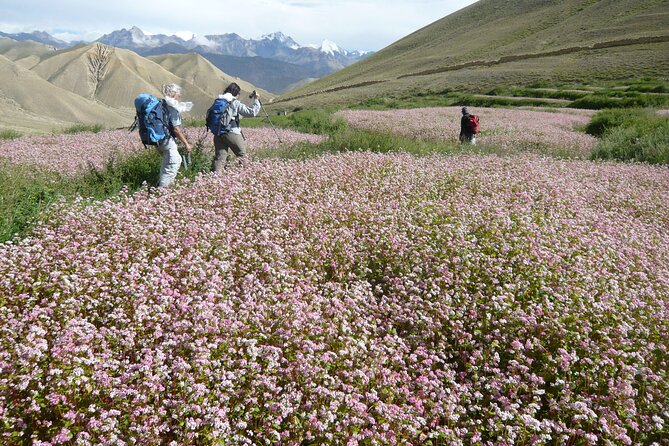
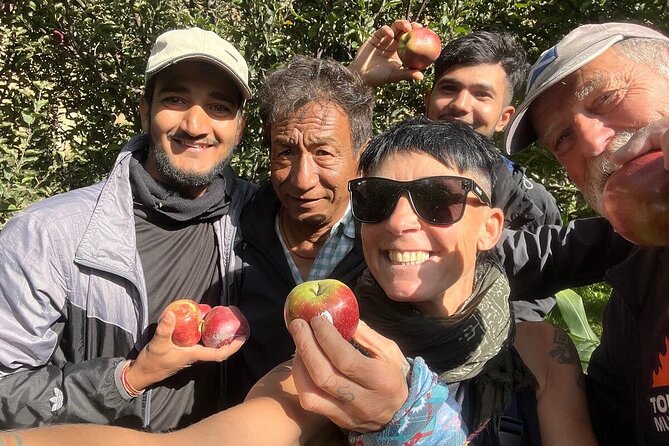
On Day 5, after breakfast you pass through nearby villages such as Kalopani and Ghasa. The itinerary also includes a stop to see how apples are grown and to visit the local market in Jomsom.
This mix is a big reason the tour feels balanced. Muktinath is one of the sacred anchors on the route, but you also get everyday Mustang-adjacent life—farms, produce, and market energy.
The schedule also references passing via Kagbeni and moving onward toward the Lo Manthang region. Even if you do not spend long in each stop, the repetition of small settlements builds a sense of travel continuity. You begin noticing how towns align with the route and how monasteries and religious structures show up as consistent markers.
Day 6 Ghami and Kagbeni Monastery: the Pitri-Puja cultural detail
Day 6 centers on Ghami and includes a Kagbeni Monastery visit after breakfast. The itinerary calls out something specific: Kagbeni is famous for Pitri-Puja, also known as Pitri-Moksastala—carried out to save lost souls of ancestors from hell and help them reach their destination.
That is the kind of detail that can make a cultural trip feel real. It tells you this is not a sightseeing route where religion is only background décor. There are living traditions with meaning. Even if you’re not there during a festival moment, learning what a site represents gives you better context while you walk around.
From a practical standpoint, this day is also a reminder that religious sites may have rules about where you can stand, how you move, and what areas are sacred. Your guide’s explanations help you behave appropriately and get more from each stop.
Day 7 Lo Manthang circuit: monasteries, the old city feel, and multiple named stops
Day 7 is one of the core cultural days. You’ll visit several important sites, including Lo Gager Ghar Gompa, Charang Monastery, and Lo-mang Thang City. You’ll also visit Jampa Gompa, described as the oldest monastery called God House, plus a mas… (the itinerary text cuts off, but the intent is clear: a packed monastery circuit).
A tour like this works best when you accept that it is not about rushing from one label to another. It’s about letting the visual details sink in. In places like Lo Manthang, architecture and religious spaces reflect the long continuity of Mustangi life. You’re likely to notice painted details, stone textures, and the way each monastery sits in relation to the settlement.
Also, this day is built for patience. Having a private jeep means your time is controlled. You’re not searching for your place in a bus line, and you’re less likely to lose time to group re-staging.
If you like structured days with enough stops to feel substantial, this is a strong match.
Day 8 caves day: Namgyal Gompa, Chhoser Sky Caves, and Shija Jhong
Day 8 shifts to more cave-linked and sacred exploration. The itinerary lists Namgyal Gompa, the Chhoser sky caves, and the Shija Jhong cave, described as almost 3,000 years old and explored by archaeologists from around the world.
Caves can go two ways on tours: they’re either a quick walk-through or a meaningful stop with explanation. Since the itinerary explicitly frames Shija Jhong in terms of age and study, you should expect your guide to provide context about why the cave matters—spiritually and historically.
This is also a day that can be very photo-friendly if you like contrast shots: cave interiors versus bright outside light, architectural edges against rocky terrain, and the small human scale of monastery buildings in a wide setting.
Practical tip: caves can feel cooler and darker than outside. Even without getting specific about temperatures, plan to move carefully and give yourself time to see. Lighting and foot placement matter.
Day 9 Jomsom return drive: markets again, plus time to look slowly
After Lo Manthang, Day 9 drives back toward Jomsom. Along the route, the itinerary mentions passing villages, the Kaligandaki River, Buddhist stupas, and monasteries. The local market in Jomsom is time you can explore in the evening.
This return day is useful because it changes the emotional feel of the trip. When you go deeper into Mustang, everything can feel like one long forward push. Coming back lets you notice the details you might have missed—stupas beside roads, small settlement patterns, and how religious symbols punctuate travel routes.
If you enjoy browsing local items or simply watching market life, evening time in Jomsom can be one of your favorite low-pressure moments.
Days 10–11 Pokhara: rest, a city tour, and the chance to catch your breath
Day 10 drives from Jomsom back to Pokhara. Then Day 11 includes a Pokhara lakeside city tour, with flexibility to rest if you want.
I like this design. After multiple long overland days and dense monastery/cave touring, you need downtime that feels like a reward, not like another transfer day. Pokhara is where you can decompress, do laundry if you need it, and just reset your body clock.
Also, a city tour is a helpful way to end the trip because it gives your brain a familiar anchor—less permit-driven, more relaxed. You leave Upper Mustang not only with photos, but with a softer landing.
Day 12 Kathmandu wrap-up: the road back and a final Nepal feel
Day 12 is the return drive to Kathmandu, about seven hours depending on road conditions. The itinerary notes that you’ll see more Nepal countryside—greenery, rivers, villages, farms, and mountain scenery.
This final day is practical closure. It’s not a frantic sprint through another capital stop; it’s a return journey that lets you reflect. If you’re the type who likes to organize photos while moving through the last views, this day gives you that quiet space.
When you get back, you’re also ready for a normal post-travel routine: dinner in the city, uploading photos, and sharing the highlights.
The best moments to look for (and how to make them land)
Here are the parts I’d actively watch for, so you get more than a drive-and-drop experience.
Lo Manthang monasteries feel like a real circuit
With multiple named stops, the tour gives you repeated exposure to the region’s religious architecture. That repetition helps you understand what you’re seeing.
Caves are the practical wildcard of the trip
Chhoser sky caves and Shija Jhong cave are different from monastery courtyards. If you like variety, this is a win. Just plan to move slowly in and out of darker spaces.
Markets are your culture gauge
Stops tied to local markets in Jomsom make the route feel grounded. Even a short market walk can tell you what everyday Mustang-adjacent life looks like.
The Kali Gandaki corridor ties the whole drive together
The schedule keeps returning to the Kali Gandaki route concept. It gives your journey a sense of direction and continuity, not random driving.
And one more thing: the operator is described in reviews as a family-run agency based in Thamel in Kathmandu, with first-hand information and competitive pricing. That kind of local knowledge often shows up as smoother coordination—especially when a trip includes permits and multiple changing stops.
Comfort and fitness: who will love this and who should think twice
This is for you if:
- You want a private overland route where your day is organized around religious/cave sites, markets, and towns.
- You like meaningful cultural stops more than a fast moving, photo-only schedule.
- You value having permits handled for you (especially because USD 534 worth of permits are included).
It might be less ideal if:
- You’re sensitive to long hours in a jeep and the rougher edge of off-road driving days.
- You expect a luxury, city-comfort feel for the entire 12 days.
One of the reviews uses an Uncomfortable trip title, which is a reminder to calibrate expectations. Private does not automatically mean smooth—Upper Mustang’s roads can be challenging.
Should you book this Upper Mustang private jeep tour?
I’d book this if your goal is a well-organized, culture-forward Upper Mustang journey with the key permit logistics handled and enough time to actually see monasteries and caves without racing. The included permits and the structured mix of sacred sites plus markets plus Pokhara recovery days make it feel like a complete package, not a bare-bones transfer plan.
I’d think twice if you want an easy, low-motion holiday. This tour is about getting out there by road, and some days will feel long.
If you do book, I’d go in with one attitude: patience. The best experiences here are the ones where you slow down—inside a monastery, at a cave entrance, or in a Jomsom market moment—then let the rest of the trip carry you.
FAQ
How long is the Upper Mustang overland tour?
The duration is listed as about 12 days.
Where does the tour start?
It starts at Best Tour & Travel agency in Nepal – Adventure Glacier Treks in Kathmandu (Chaksibari Marg, Kathmandu 44600, Nepal), and you’re also met at Tribhuvan International Airport on arrival.
Is this tour private?
Yes. It’s a private tour/activity, and only your group participates.
What is the total price per person?
The price is listed as $2,600.00 per person.
What permits are included?
The package includes ACAP and Lo Manthang Special Permits totaling USD 534.00.
Is an English-speaking guide included?
Yes, an English-speaking guide is included.
How many breakfasts are included?
Breakfast is included for 11 days.
Does the tour include accommodation?
Yes, accommodation is included as mentioned in the program.
Do I get a mobile ticket?
The tour features a mobile ticket.
What is the cancellation policy?
You can cancel up to 3 days in advance for a full refund. If you cancel less than 3 days before the start time, the amount paid is not refunded.