REVIEW · SPIRITUAL & SHAMANISM TOURS
Spiritual Journey to Kailash Manasarovar 16 Days Overland Trip
Book on Viator →Operated by Kaleidoscopic Nepal · Bookable on Viator
Mt. Kailash starts long before Tibet. This 16-day overland trip strings together Kathmandu’s big Hindu landmarks, the Tibet border crossing, Lake Manasarovar puja, and the sacred Kailash Kora with an expert team. The style here is practical and spiritual at the same time, with fixed departure dates and a small group (up to 10).
I really like two things about how this journey is set up: daily health checkups (blood pressure and blood-oxygen monitoring) and the way the team takes care of individuals. In the feedback, the guide Kashyap (with the chef and porter team) is repeatedly described as thoughtful and supportive, which matters a lot on a physically demanding route.
One key consideration: the altitudes and the trek days ask for real stamina and a steady pace. You’ll have an oxygen cylinder if needed, but this still isn’t a sit-back-and-enjoy tour, and the route includes a high pass area on the Kora.
In This Review
- Key things I’d pin to the top
- Kathmandu first: where faith and daily life meet
- Day 1: Pashupatinath Temple and the Bagmati aarti
- Day 3: UNESCO sites that actually connect to the story
- Shivapuri National Park hiking: the break from temples
- Bhaktapur and Shiva statues: the Kathmandu valley prelude (Days 4)
- Visa and first altitude steps: from Kathmandu to the border (Days 2, 5)
- Day 2: Chandragiri Hills and Tibet visa application
- Day 5: Syabrubesi, the gateway village
- Crossing into Tibet: Kyirong to Saga (Days 6–7)
- Day 6: Kyirong and acclimatizing
- Day 7: Saga County and plateau scale
- Lake Mansarovar: the puja moment at the edge of the sacred (Day 8)
- Darchen and the Kailash Kora: trekking days that define the trip (Days 9–12)
- Day 9: Arrive at Darchen (Kora starting point)
- Day 10: Darchen to Diraphuk
- Day 11: Diraphuk to Zuthulphuk, crossing Dolma La Pass
- Day 12: Zuthulphuk back to Darchen
- Returning across Tibet: Saga to Kyirong (Days 13–14)
- Day 13: Saga County
- Day 14: Gyirong Town and an overnight
- Back to Nepal: immigration and the long drive to Kathmandu (Day 15–16)
- Day 15: Rasuwa Gadhi border to Kathmandu
- Day 16: Tribhuvan airport
- Price and value: what $3,999 really covers
- Team care on the ground: why Kashyap matters
- Comfort vs reality: what to expect each step of the way
- Who this Kailash Manasarovar overland trip fits best
- Should you book this tour?
- FAQ
- Where does the tour start and what time?
- How long is the overland trip?
- What group size should I expect?
- Is hotel lodging included?
- Are meals included?
- Do I need a Tibet visa and permit?
- What health support is included for altitude?
- Are entrance fees for Kathmandu monuments included?
- Are Chandragiri Hills tickets included?
- What is the cancellation policy?
Key things I’d pin to the top
- Evening Pashupatinath aarti on the Bagmati River, a standout way to begin with real ceremony energy.
- Tibet visa handling built into the schedule, with you applying via the Chinese Visa Centre on Day 2 and collecting it on Day 5.
- Lake Mansarovar puja included, plus the long day-to-day rhythm that keeps you focused on the sacred purpose.
- Kailash Kora structure across three days, including the hardest stage with Dolma La Pass.
- Daily monitoring and an oxygen cylinder, which makes altitude risk feel more managed.
- Max 10 people, so you’re not stuck in a giant crowd during logistics or trek moments.
Kathmandu first: where faith and daily life meet
Your trip begins in Kathmandu, with the meeting point at Tribhuvan International Airport around 10:15 am. The first days are your cultural runway. You get oriented, you settle into the local rhythm, and you start absorbing the spiritual geography you’ll later “walk” more literally.
You can also read our reviews of more tours and experiences in Kathmandu.
Day 1: Pashupatinath Temple and the Bagmati aarti
On Day 1, you head to Pashupatinath Temple for the evening aarti by the Bagmati River. This is one of those scenes that stays in your head because it’s both structured and human: lamps, prayers, chants, and the river setting the pace. It’s also a strong first step for Kailash travelers, because this temple is tied to Lord Shiva worship.
A practical plus: the aarti experience here is listed as admission-free, and you’re spending two hours in the heart of ceremony rather than rushing between sights.
Day 3: UNESCO sites that actually connect to the story
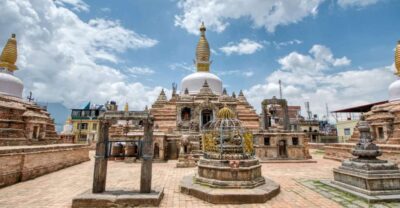
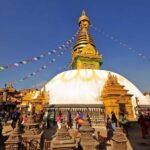
Day 3 mixes classic Kathmandu icons: Swayambhunath (Monkey Temple), Boudhanath Stupa, Pashupatinath, and Patan Durbar Square. This is more than checklist tourism. You’re seeing how Hindu and Buddhist devotion coexist in Kathmandu’s daily landscape—different symbols, similar devotion.
One small caution: some monument areas can have entry fees depending on what’s included that day. Your tour data notes many Kathmandu admissions are free, but entry fees are also estimated separately, so it’s smart to budget a little.
Shivapuri National Park hiking: the break from temples
Your package also includes Kathmandu sightseeing and hiking at Shivapuri National Park. This is a good pacing move. After days of stone steps and incense-heavy air, a hike gives you room to breathe, plus it helps you build the legs you’ll need later. If you’re trying to decide whether you’re fit for the Kora, this kind of hiking support is a helpful clue.
Bhaktapur and Shiva statues: the Kathmandu valley prelude (Days 4)
Day 4 gives you a change of pace with Bhaktapur Durbar Square and nearby sacred stops.
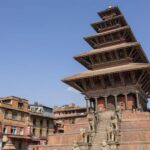
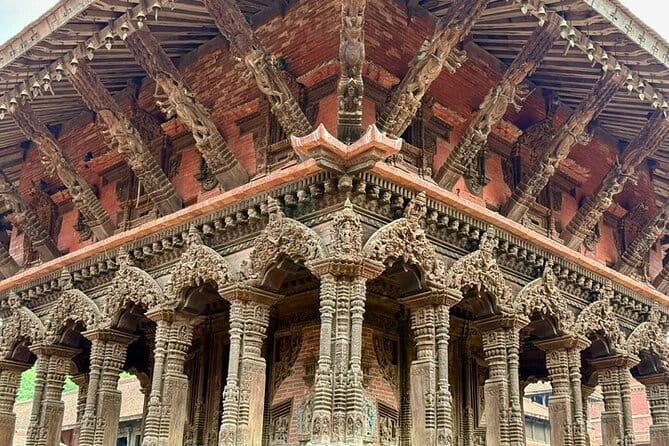
- Bhaktapur Durbar Square (UNESCO): Expect medieval architecture, classic wooden temples, and major artistic landmarks like the 55-Window Palace and Nyatapola Temple. Even if you care more about the pilgrimage than the museums, the craftsmanship here helps you understand why Nepal’s sacred spaces are built to last.
- Doleshwor Mahadev: This is a pilgrimage site near Bhaktapur, associated with Shiva worship and a lingam where devotees seek blessings.
- Kailashnath Mahadev Statue (Standing Mahadev): The tour description calls it a 143-foot (43.5-meter) Shiva statue in Sanga. It’s also placed for views over the Kathmandu Valley, so you get a visual sense of scale and devotion.
The drawback for some people is simple: it’s still Kathmandu. Heat, stairs, and crowds can add up before your long altitude phase. The good news is you’re still within your control, and you can take your time.
Visa and first altitude steps: from Kathmandu to the border (Days 2, 5)
This part is where many Kailash trips either feel smooth or turn into stress. Here, the schedule makes the process explicit.
Day 2: Chandragiri Hills and Tibet visa application
After breakfast, you drive to the Chinese Visa Centre to apply for your Tibet visa, then you head to Chandragiri Hills. This is a smart pairing: you handle the paperwork early, then you reward yourself with the foothills view.
Chandragiri is listed as ticket not included. Budget for it if you want the ride and views rather than walking up.
Day 5: Syabrubesi, the gateway village
On Day 5, you collect your Tibet visa and drive from Kathmandu to Syabrubesi (altitude listed around 1,550 meters). This town acts as the gateway toward the Tibetan border. You’re starting to feel the thinner air, but not yet at full Kora altitude pressure.
This day also signals that your journey will be road-and-rest based rather than constant marching. Overland trips can sound glamorous on paper, but what you’re actually buying is a managed rhythm.
Crossing into Tibet: Kyirong to Saga (Days 6–7)
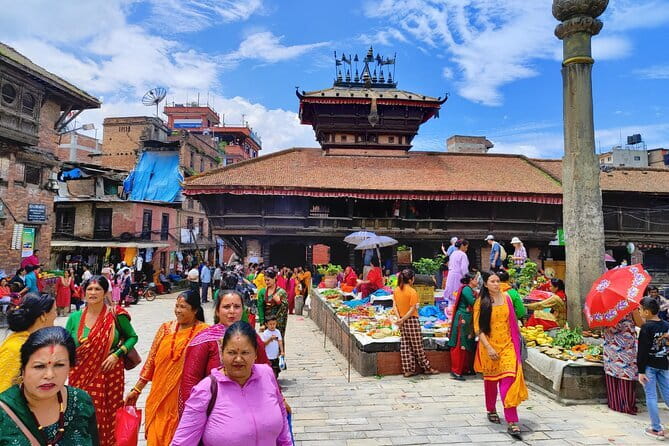
Once you enter Tibet, you start seeing how the plateau changes everything: the light, the distances, and the way silence can feel like part of the scenery.
Day 6: Kyirong and acclimatizing
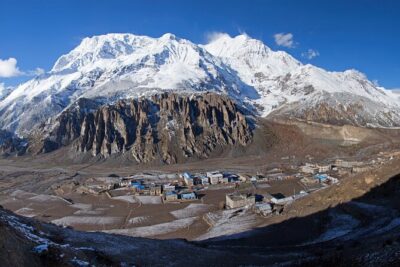
You cross the Nepal–Tibet border and drive to Kyirong. The tour notes it as a charming town surrounded by snow-capped peaks and valleys. More importantly, this is where you acclimatize before pushing farther.
Day 7: Saga County and plateau scale
Then you head to Saga. The description highlights rugged Tibetan terrain and the vast plateau feel, with chances to see nomadic herders and traditional villages. Even if you’re a “temple person,” the plateau itself becomes part of the pilgrimage mood.
One consideration: the days are long drives. If you’re the type who gets stiff easily, plan to use those vehicle hours to stretch when stops allow. The trip includes private transportation, which usually means fewer forced crowd delays.
Lake Mansarovar: the puja moment at the edge of the sacred (Day 8)
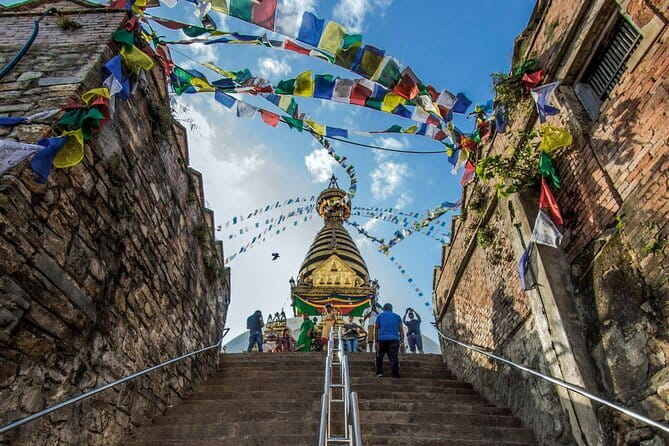
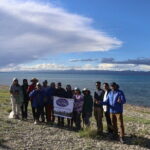
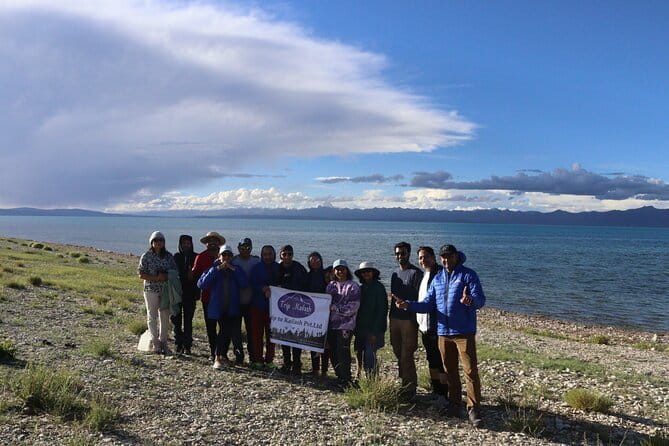
Day 8 is built around Lake Manasarovar, described as one of the highest freshwater lakes in the world and sacred to Hindus and Buddhists.
You drive to the lake and you participate in a spiritual puja on the shores. This is the emotional hinge of the whole itinerary. The Kora is physical, but the puja is where the journey becomes symbolic. The tour data lists the Mansarovar puja as admission included.
Practical note: being at high altitude around water can still hit you with chill and fatigue. Even if you feel fine, keep hydrating and take slow breaths. Your team includes medical monitoring later in the trip, but good habits start here.
Darchen and the Kailash Kora: trekking days that define the trip (Days 9–12)
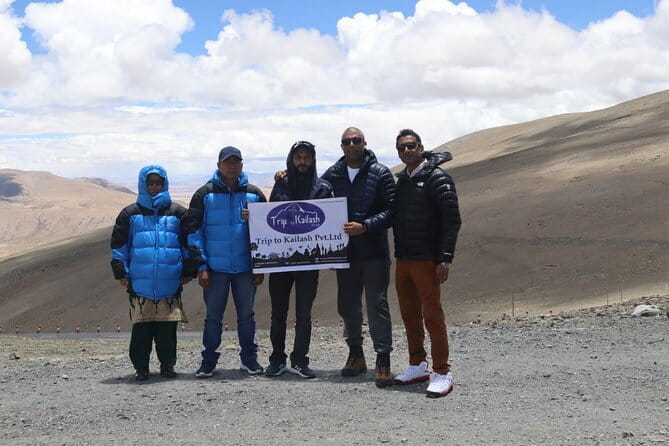
This is the core. The itinerary uses Darchen as the trek base and moves through three main Kora legs.
Day 9: Arrive at Darchen (Kora starting point)
Day 9 moves to Darchen, listed at altitude around 4,575 meters. Darchen can feel like a small organized world for pilgrims: people preparing, loading prayer energy into the day, and sorting out practical things before the trek.
Day 10: Darchen to Diraphuk
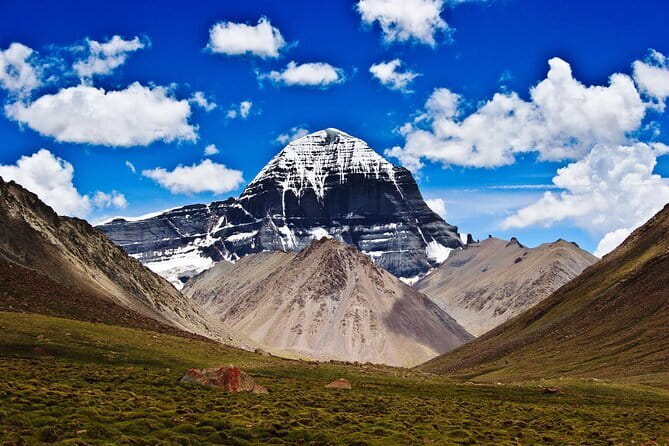
You begin your Kora with the first leg, Darchen to Diraphuk. This section is described as challenging with rugged terrain, plus big views of Mount Kailash and surrounding peaks.
What I like about the way this is framed: it doesn’t promise an easy walk. It prepares you for effort while keeping your focus on the views that make the effort worthwhile.
Day 11: Diraphuk to Zuthulphuk, crossing Dolma La Pass
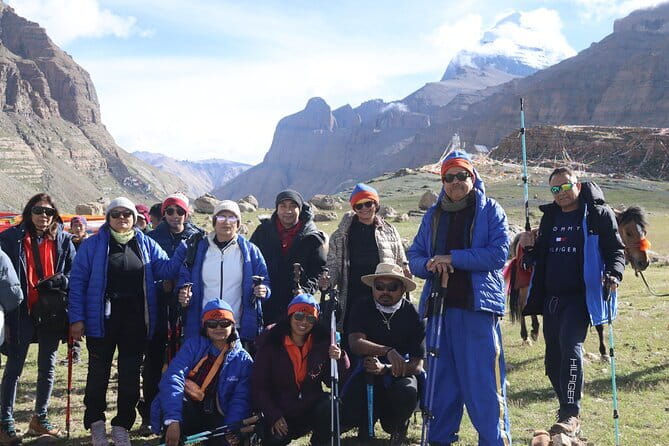
Day 11 includes the second day of circumambulation and highlights crossing Dolma La Pass, called the highest point of the trek. Expect that this is your toughest mental and physical moment. The tour description explicitly labels it as challenging, which is the right warning.
This is exactly where the trip’s medical support is valuable. The included oxygen cylinder and daily blood-oxygen and blood pressure monitoring are there for a reason. You’re not just relying on luck or willpower.
Day 12: Zuthulphuk back to Darchen
The final leg returns to Darchen. The tour notes reflection time and the meaning of circumambulating the sacred mountain. This day often feels like a reset: you’re still trekking, but the psychological weight can lift as you near the end.
A small caution: after a big altitude day, legs can feel slow. Take breaks early rather than waiting until you’re forced to stop. That keeps your energy steady for the next travel step.
Returning across Tibet: Saga to Kyirong (Days 13–14)
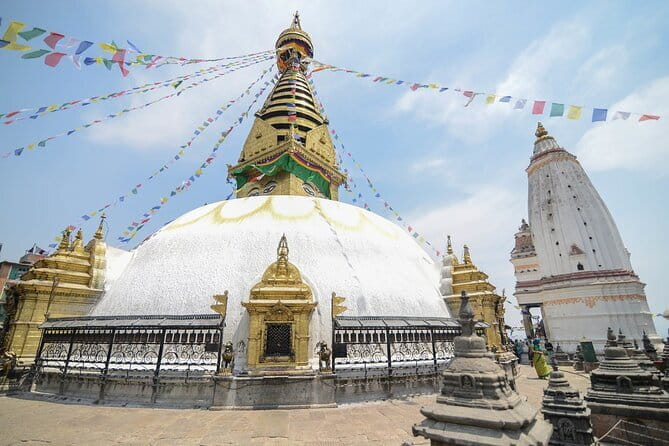
After the Kora, Days 13 and 14 shift from sacred walking to road recovery.
Day 13: Saga County
You depart from Darchen and drive to Saga (listed around a 6-hour drive). This is a let-your-body-sink-in day. You reflect, you rest, and you keep moving without the daily trek stress.
Day 14: Gyirong Town and an overnight
Then you reach Gyirong Town and stay overnight. The tour description is straightforward: return to Kyirong country, get relaxed, and let your team handle the needed support.
This rest matters. People often treat the Kora as the whole journey and then underestimate the toll of the return drives.
Back to Nepal: immigration and the long drive to Kathmandu (Day 15–16)
Day 15: Rasuwa Gadhi border to Kathmandu
Day 15 is a practical logistics day: you complete immigration at Rasuwa Gadhi border and drive back to Kathmandu, around 9–11 hours and 265 km (as listed). This is also when you’ll want to keep your hydration steady and your head clear for paperwork.
Day 16: Tribhuvan airport
On Day 16 you depart for Tribhuvan International Airport after breakfast.
If you’re flying soon after arrival, give yourself a buffer in real life. Long overland days tend to make you tired in ways your body doesn’t announce until later.
Price and value: what $3,999 really covers
At $3,999 per person, this isn’t cheap, but you’re not just paying for a van and a view. You’re paying for a trip where the hard parts are managed: borders, permits, altitude monitoring, and a team that supports the trek reality.
Here’s what’s included in your costs:
- Private transportation throughout
- All fees and taxes
- Tibet visa fees and permit fees
- Accommodation in 3-star hotels in Kathmandu and the best possible during Parikrama (as described)
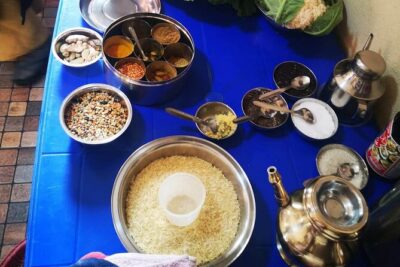
- Full board pure veg meals
- Kathmandu sightseeing and hiking at Shivapuri National Park
- Oxygen cylinder in case of altitude sickness
- Daily health checkups: blood pressure and blood-oxygen monitoring
- Dinner (15), Lunch (11), Breakfast (15) as listed
What’s not included:
- Horse and pony fees during Kora
- Personal expenses and tips
- Entry fees to various monuments during Kathmandu sightseeing, estimated around $30 USD
For value, the big items are the permit/visa handling and the health monitoring. Those aren’t glamorous line items, but they reduce risk and stress. Also, private transport plus a small group (max 10) usually means less waiting around than mass tours.
Team care on the ground: why Kashyap matters
One of the most praised parts of this trip is the human support. The feedback highlights Kashyap as a pillar of strength, plus a team that includes a chef and porter. The tone is consistent: thoughtful, polite, and focused on comfort, not just moving people from place to place.
That support matters most during the days when your body is reacting to altitude and effort. Even with oxygen available, you still need good guidance, calm logistics, and people who notice when you’re not feeling right.
It also shows up in the way meals are described as caring to individual needs. With pure veg full board food, you’re likely to have a more predictable diet—helpful when your focus should be trekking and rest.
Comfort vs reality: what to expect each step of the way
This is a “comfortable adventure” itinerary, but you should treat it like a serious physical trip with comfort built around it.
- Hotels: 3-star in Kathmandu; “best possible” during Parikrama days. That signals you won’t get fancy suites at the highest altitude, but you should get a place to recover.
- Food: pure veg full board reduces stomach surprises and makes daily routines easier.
- Oxygen and monitoring: you don’t have to handle altitude anxiety alone. Daily measurements (blood pressure and blood oxygen) give you real data rather than guesswork.
- Trek structure: three distinct Kora legs, with Dolma La Pass flagged as the hardest point.
The main drawback is time and effort. If you’re hoping for a mostly sightseeing trip, the Kora days will feel like the whole show.
Who this Kailash Manasarovar overland trip fits best
This trip is a strong match if you want:
- A spirit-first route, not just photos
- Expert guidance through culturally meaningful stops in Kathmandu and Tibet
- A managed, organized overland experience with small group size
- The built-in support of oxygen and daily health monitoring
- Fixed departure dates, so planning is less guesswork
It’s not ideal if you’re:
- Looking for a low-effort vacation
- Sensitive to altitude and unable to handle a moderate fitness level requirement
- Trying to keep costs ultra-low (because permits, monitoring, and private transport are priced in)
Should you book this tour?
I think this is worth considering if your goal is the real Kailash Manasarovar experience, with logistics handled and safety taken seriously. The combination of visa/permit management, daily monitoring, and the reported care from Kashyap and the team is a big deal when the route gets demanding.
If you’re on the fence, my advice is simple: be honest about your fitness for the Kora legs and your comfort with long driving days. If you can handle that, this itinerary gives you both the sacred moments (like the Mansarovar puja and Pashupatinath aarti) and the practical structure that keeps you moving with confidence.
FAQ
Where does the tour start and what time?
The tour starts at Tribhuvan International Airport in Kathmandu, Nepal, at 10:15 am.
How long is the overland trip?
The duration is approximately 16 days.
What group size should I expect?
The tour has a maximum of 10 travelers.
Is hotel lodging included?
Yes. It includes accommodation in 3-star hotels in Kathmandu and the best possible options during the Parikrama period.
Are meals included?
Yes. The tour includes full board pure veg meals, including Breakfast (15), Lunch (11), and Dinner (15).
Do I need a Tibet visa and permit?
Yes. Tibet visa fees and permit fees are included, and the schedule involves applying at the Chinese Visa Centre and collecting the visa later in the trip.
What health support is included for altitude?
An oxygen cylinder is included in case of altitude sickness, and there are daily health checkups with blood pressure and blood oxygen monitoring.
Are entrance fees for Kathmandu monuments included?
Many Kathmandu admissions are listed as free, but entry fees to various monuments during Kathmandu sightseeing are estimated at about $30 USD and are not included.
Are Chandragiri Hills tickets included?
No. Admission tickets for Chandragiri Hills are listed as not included.
What is the cancellation policy?
You can cancel up to 6 days in advance for a full refund. For a 50% refund, cancel 2–6 full days in advance. If you cancel less than 2 full days before the experience start time, the amount paid is not refundable.