REVIEW · COOKING CLASSES
The best Private Nepali Cooking Class in Kathmandu
Book on Viator →Operated by Kalpana's Cooking Course Training · Bookable on Viator
Forget temples for a day: cook in a home. This private Kathmandu class takes you into Kalpana Thapa’s family kitchen, where you choose ingredients and learn for real, not just sample. I love the local-home setup and the chance to handle ingredients yourself, from spice grinding to chopping vegetables. One possible drawback: this is hands-on and labor-intensive, so wear comfy clothes and expect some real work, not a gentle tasting.
Hotel convenience is built in, with pickup and drop-off, and you’ll start with homemade masala tea or coffee at the house. The session runs about 4.5 hours, and you leave with PDF recipes to repeat the dishes later. If you’re picky about food, that’s a plus too, since the menu can be adjusted for dietary needs when you tell them in advance.
If you’re planning ahead, book sooner rather than later since it’s commonly reserved well before arrival. It’s also private, so your group cooks together instead of sharing the kitchen with strangers. Now let’s break down what you’ll actually do and how to get the best value for your $24.
In This Review
- Key things to know before you cook in Kathmandu
- A Kathmandu cooking day in Kalpana’s family home
- Price and what you really get for $24
- Hotel pickup, masala tea, and settling into the kitchen rhythm
- From ingredients to flavor: market, organic farm, and garden vegetables
- Hands-on Nepali cooking: spices, ginger-garlic, and real technique
- The set meal you’ll cook (and how big it really is)
- Food allergies and dietary needs: how to make this work for you
- What you take home: PDF recipes and confidence in the kitchen
- Weather and comfort: small considerations that matter
- Who should book this class in Kathmandu, and who should skip it
- Should you book Kalpana’s private Nepali cooking class?
- FAQ
- What’s included in the cooking class price?
- Is there a vegetarian option?
- Can the class accommodate dietary requirements?
- Do I get picked up from my hotel in Kathmandu?
- How long is the private cooking class?
- What happens if the weather is bad or I need to cancel?
Key things to know before you cook in Kathmandu
- Kalpana Thapa and family host the day, turning it into a real household experience rather than a staged performance
- Hotel pickup and drop-off make the trip feel effortless, especially if you’re not ready to figure out transport yet
- You pick ingredients up close, including garden vegetables and whole-spice flavor building
- You get hands-on practice, from chopping to grinding whole spices and pounding ginger and garlic
- A full meal is included, so plan your day around eating what you cook
- Dietary needs can be accommodated, including a vegetarian option if you request it upfront
A Kathmandu cooking day in Kalpana’s family home
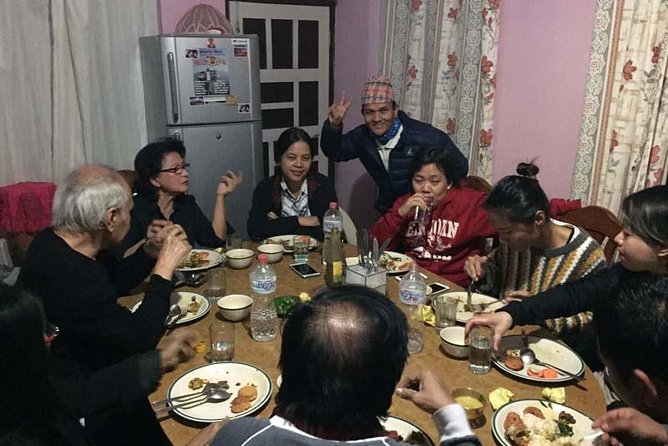
This class works because it’s not trying to impress you with set pieces. You’re welcomed into a home, and the day flows like a family meal that happens to teach visitors how it’s made.
Kalpana Thapa (with her family right there in the mix) keeps it friendly and practical. You’re not just watching someone cook while you hold a camera. You’re doing the work: chopping, mixing, seasoning, and learning what matters and why.
The vibe is calm and domestic, even though Kathmandu is intense. One of the best parts for me is the moment you leave the city rush behind and you’re suddenly focused on smaller things: the smell of spices, the rhythm of chopping, and the simple satisfaction of turning basic ingredients into a full Nepali meal.
You can also read our reviews of more private tours in Kathmandu
Price and what you really get for $24
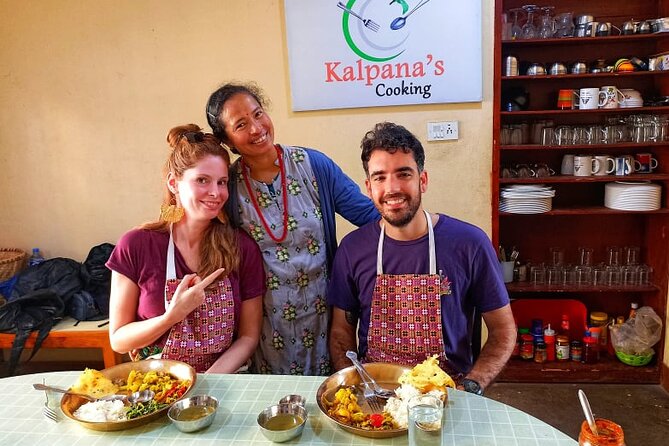
At $24 per person for about 4 hours 30 minutes, you’re buying more than a class. You’re getting a package: hotel pickup and drop-off, private vehicle transport, morning tea or coffee, and lunch where all the food is included.
Value jumps when you compare the time and logistics. If you try to DIY this on your own, you’d likely spend time and money just getting to an authentic cooking setting, and you still wouldn’t have someone guiding you through dal, sides, and spice technique.
Also, the price point makes it realistic to schedule early in your trip. You’ll learn methods and flavor patterns you can reuse, instead of spending your first day in Nepal only collecting photos.
Hotel pickup, masala tea, and settling into the kitchen rhythm
Your day starts with pickup from your hotel or homestay. That matters in Kathmandu. Roads, traffic, and finding the right meeting point can eat up energy fast, and you don’t want your cooking day to start with stress.
Once you arrive, you’ll settle in with homemade masala tea or coffee. It’s a small thing, but it sets the tone: warm, familiar, and centered on food.
Then comes the pacing. You’re guided step-by-step, and it’s interactive from the start. You can take photos and videos as you cook, but the main goal is doing the work and understanding how the flavors come together.
From ingredients to flavor: market, organic farm, and garden vegetables
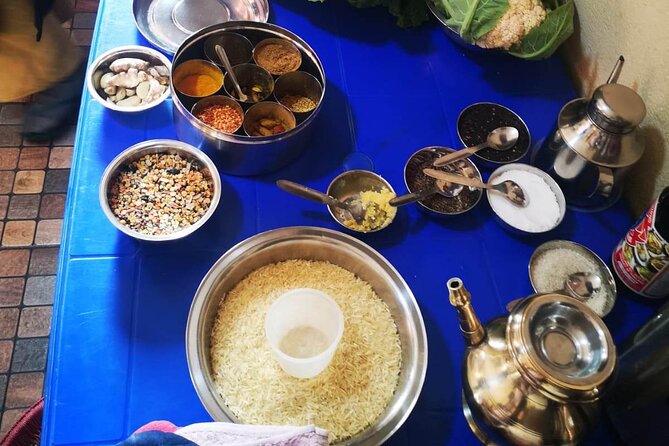
The day includes ingredient picking. You’ll visit a local market and also a private organic farm to choose what goes into your meal. That’s a big deal for authenticity, because Nepali cooking depends heavily on fresh ingredients and the right type of spice.
Then, you’ll also get the garden moment. You’ll pick crisp, seasonal vegetables straight from the garden where possible. This is the part I’d call memorable even if you’re not normally into cooking classes. Fresh produce changes everything: texture, aroma, and even how much you need to cook.
If you’re a detail person, pay attention during this part. Whole spices and fresh aromatics aren’t just for show. Learning to treat ingredients with respect is what turns your cooking from okay to genuinely Nepali.
Hands-on Nepali cooking: spices, ginger-garlic, and real technique
This class is built around technique, not just recipes. You’ll work on transforming ingredients into flavor, and you’ll do the part many home cooks skip: spice prep.
A standout element is the spice process:
- Grinding whole spices
- Pounding fresh ginger and garlic
These steps are time-honored, and they’re worth the effort. Ground spices perfume the kitchen quickly, and the ginger-garlic paste adds depth you can’t get from jarred shortcuts.
You’ll do plenty of chopping and prep too. The pace encourages questions, so if you want to understand how salt timing works, or why certain spices go in at specific moments, you can ask. It’s not just learning what to do, but learning how to think about cooking.
And yes, it’s labor-intensive. Traditional Nepali cooking takes effort, and grinding and pounding are work. Wear clothes you can move in, and don’t plan to be perfectly fresh afterward.
You can also read our reviews of more cooking classes in Kathmandu
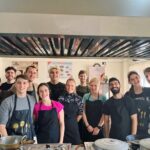
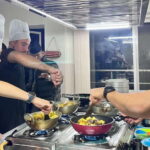
The set meal you’ll cook (and how big it really is)
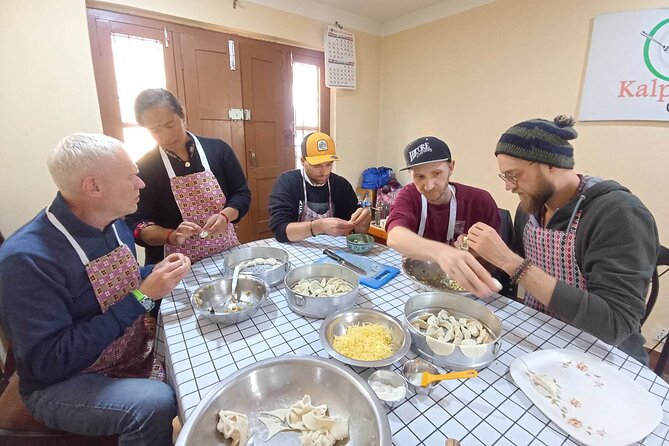
Your class meal centers on a set of dishes, and the menu can adapt to dietary needs. Based on the format of the meal, you can expect cooking items like:
- Plain rice
- Dal soup
- Seasonal vegetable dishes
- Spinach
- Chicken
- Pickle papad fry
On top of that, the broader focus is classic Nepali favorites such as dal bhat and momo. Even if your exact dishes vary, the core skill-building is consistent: build flavor with spices and aromatics, then balance lentils, rice, and vegetable sides.
The best practical advice is this: plan to eat. This isn’t a light snack class where you taste one bite and move on. Lunch is included, but the overall experience is food-focused, and you’ll be well fed during the day.
So if you’re the type who likes to eat early, you’ll still be fine. If you’re trying to skip meals, you might end up uncomfortable once the work starts and the food lands.
Food allergies and dietary needs: how to make this work for you
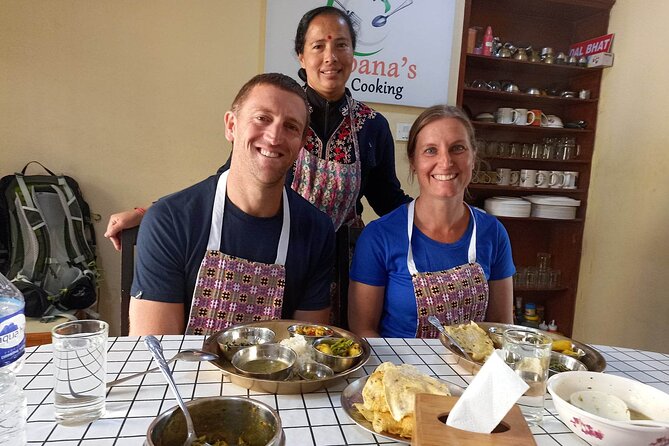
The class can cater to travelers with special dietary requirements. Vegetarian option is available, and you should advise dietary requirements at booking so the menu can be adjusted before you arrive.
This matters because Nepali meals often rely on spice blends, sides, and how dishes are assembled. When hosts can plan ahead, you’re more likely to get a plate that fits your needs without awkward substitutions mid-class.
If you have any restrictions, send them clearly:
- Vegetarian vs. non-vegetarian preferences
- Any allergies or foods to avoid
- Any religious dietary needs you follow
Also, go in with one attitude: treat the class like a cooking conversation. The better your details, the smoother the meal plan will be.
What you take home: PDF recipes and confidence in the kitchen
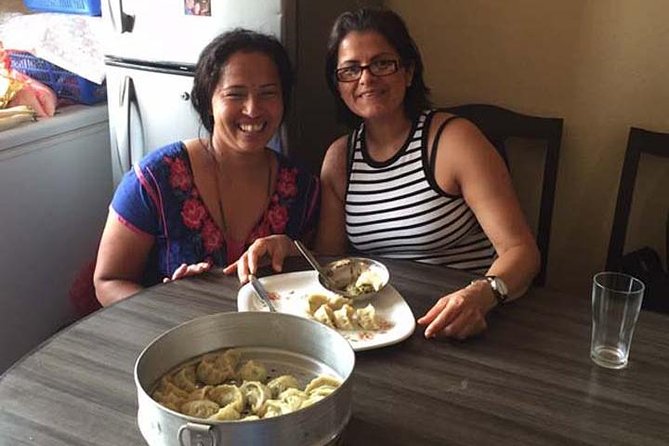
You don’t just leave with a full stomach. At the end, you’ll depart with PDF recipes so you can recreate the dishes at home.
That’s the real long-term value. A cooking class that only gives you flavor memories is forgettable. A class that gives you a workable recipe format helps you turn the day into a repeatable skill.
And because you do the technique parts yourself, you’re not copying a list blindly. You know what grinding spices changes, how ginger-garlic paste affects aroma, and how the meal components fit together.
Weather and comfort: small considerations that matter
This experience requires good weather. If conditions aren’t right, you’ll be offered a different date or a full refund.
Beyond weather, consider comfort. You’ll be doing prep work, so:
- Wear comfortable clothing
- Expect some kitchen smells and spice aromas on your hands
- Bring an open mind if you’re used to cooking with shortcuts
If you’re on a tight schedule, build in breathing room afterward. You’ll be full and a little tired in a good way.
Who should book this class in Kathmandu, and who should skip it
Book it if you want Kathmandu beyond temples. This is a practical way to experience everyday Nepali life through cooking, and you’ll get a real meal out of it.
It’s also ideal if you like hands-on activities. If your idea of a perfect tour is learning methods you can repeat, you’ll enjoy this.
Skip it if you’re looking only for quick sightseeing or a passive, sit-and-watch experience. This is interactive, and traditional cooking takes effort.
And if you want a first cultural activity in Nepal, it’s a strong choice. You’ll leave with food knowledge and some helpful cultural context simply by being in the home and asking questions.
Should you book Kalpana’s private Nepali cooking class?
Yes, if you want a real Kathmandu cooking experience with hotel pickup, all food included, and a menu you can adapt to your dietary needs. The price is low for what you get, especially given the private setup and the recipe handoff.
I’d book it early in your trip if you can, so you can think like a cook for the rest of your stay. And if you’re anxious about cooking skills, don’t be. You’ll be guided step-by-step, and the whole point is for you to do the work alongside Kalpana and her family.
FAQ
What’s included in the cooking class price?
Hotel pickup and drop-off, transportation by a private vehicle, morning tea or coffee, and lunch are included. All food is part of the experience.
Is there a vegetarian option?
Yes. A vegetarian option is available. Let them know when you book so the menu can be adjusted.
Can the class accommodate dietary requirements?
Yes. The class can cater to travelers with special dietary requirements, as long as you advise them at booking.
Do I get picked up from my hotel in Kathmandu?
Yes. Hotel transfers are included, with pickup from your hotel or homestay and drop-off after the class.
How long is the private cooking class?
The duration is about 4 hours 30 minutes (approximately).
What happens if the weather is bad or I need to cancel?
The experience requires good weather. If it’s canceled due to poor weather, you’ll be offered a different date or a full refund. For cancellations, you can cancel up to 24 hours in advance for a full refund.