REVIEW · LUNCH EXPERIENCES
Kathmandu: Private/Group Tour to 7 UNESCO Sites with Lunch
Book on Viator →Operated by Himalayan Social Journey · Bookable on Viator
Seven UNESCO stops sounds like a lot, but it works well. This Kathmandu Valley route links the Durbar Squares and the big spiritual landmarks—Swayambhunath, Pashupatinath, and Boudhanath—into one guided day so you don’t burn time figuring out logistics. I like that the plan is built around major heritage clusters, which makes each drive feel like progress, not detours.
I also like the practical flow: hotel pickup and drop-off plus an English-speaking guide means you can focus on the sights instead of the schedule. One catch to think about up front is cost beyond the base price: entrance fees are not included and you’ll pay them on-site for multiple stops, so your final total depends on which ticket category applies at each site.
In This Review
- Key things to know before you go
- Seven UNESCO sites in one Kathmandu day: a route that makes sense
- Price and value: what you’re really paying for
- Logistics that matter in Kathmandu: pickup, timing, and group size
- Stop-by-stop: what each UNESCO site gives you (and what to watch for)
- Swayambhunath (Swayambhu Mahachaitya): the hilltop start
- Kathmandu Durbar Square: palaces, courtyards, temples in the old city core
- Patan Durbar Square: art and the Buddhism-Hindu blend
- Changu Narayan Temple: a hilltop throwback near Bhaktapur
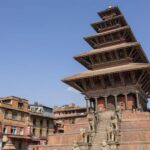
- Bhaktapur Durbar Square: medieval architecture you can almost feel
- Pashupatinath Temple: Hindu pilgrimage by the Bagmati River
- Boudhanath Stupa: Buddhist centerpiece and Tibetan monastery atmosphere
- How the guide pacing improves the day (and why it matters)
- Lunch, water, and energy management during a long heritage day
- Who this tour fits best (and who should think twice)
- Should you book this Kathmandu UNESCO sites tour?
- FAQ
- How long is the Kathmandu UNESCO tour?
- Is hotel pickup and drop-off included?
- What’s included for lunch?
- Are entrance fees included?
- Which UNESCO sites are covered?
- How big is the group?
- Do I get an English-speaking guide?
- Is there a mobile ticket?
- What happens if the tour can’t run as planned?
Key things to know before you go
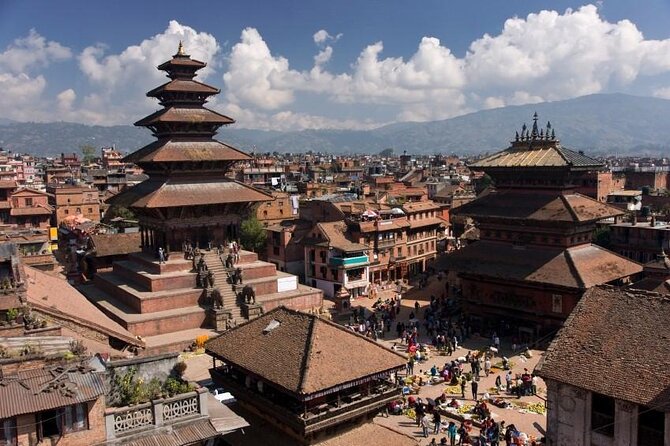
- Seven UNESCO sites in one day across Kathmandu Valley’s power spots—Buddhist stupas and Hindu temples plus the three Durbar Squares
- Pickup and drop-off with shared transport, which helps you avoid Kathmandu traffic stress
- English-speaking guide and tight timing that keeps the day moving without feeling rushed at every stop
- Lunch is provided as pastries plus juice and water, so you’re not hunting for food between sites
- Entrance fees are extra at most stops, so budget for ticket costs before you arrive
Seven UNESCO sites in one Kathmandu day: a route that makes sense
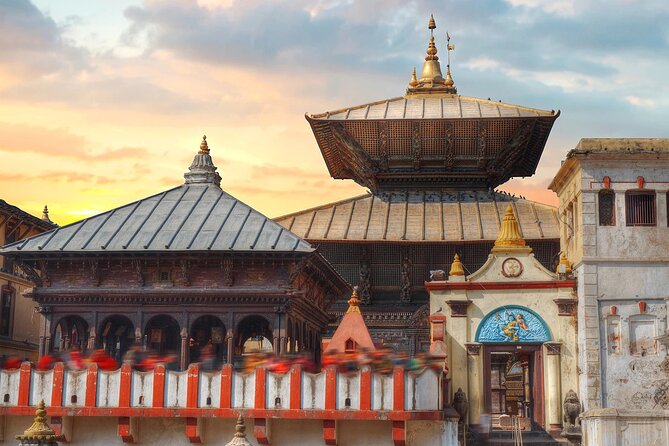
Kathmandu Valley can feel like a lot at first—temples, squares, hills, and busy streets all in one compact area. What makes this tour useful is the way it strings the UNESCO sites into a logical loop: you start high at Swayambhunath, move through the Durbar Squares, head toward hilltop Changu Narayan, then return with the big temple and stupa anchors at Pashupatinath and Boudhanath.
The result is a day that gives you broad coverage without asking you to make seven separate decisions. If you like seeing the “big names” of a place in a single outing—especially when you have limited time—this is built for you. You get guided context at each stop, which matters because these sites reward attention. They’re not just pretty buildings; they’re layered with centuries of cultural meaning.
You can also read our reviews of more private tours in Kathmandu
Price and value: what you’re really paying for
The tour price is $50 per person, and it includes a lot of the “day-trip friction” that usually costs time (and sometimes money). You get hotel pickup and drop-off, shared transportation, an English-speaking guide, and government tax/service charge baked in. You also get bottled water and a provided lunch of pastries and fruit (croissant, muffin, danish, cookies, banana, and juice).
Here’s the real value math: the tour includes the hard part—getting you from site to site reliably and on time with a guide. What’s not included are entrance fees for all seven stops. The tour lists two fee groupings:
- $20 per person entrance fees for Patan Durbar Square, Boudhanath, Swayambhunath, and Pashupatinath
- $24 per person entrance fees for Kathmandu Durbar Square, Changu Narayan, and Bhaktapur Durbar Square
So your final out-of-pocket can rise quickly depending on how you plan. If you’re budgeting tightly, treat this as a guided “heritage day” plus entrance tickets, not as an all-in ticket. Still, for many visitors, it’s a smart trade: paying extra at UNESCO entrances is normal, and the tour structure helps you hit all seven without losing half your day to navigation and standalone entry planning.
Logistics that matter in Kathmandu: pickup, timing, and group size
This is a 7 to 8 hour experience with the remaining time accounted for travel between heritage sites. That timing is important. Kathmandu Valley roads can move slowly, and site spacing means you need a plan that anticipates drives as part of the experience, not an afterthought.
You’ll ride in sharing transportation with a maximum group size of 25 travelers. That size is large enough to be lively, but small enough that a guide can still keep an eye on timing. You also get a mobile ticket, which usually makes check-in smoother once you reach the first stop.
Another practical note: this tour has a “good weather required” condition. If fog, rain, or heavy conditions hit, you may be offered a different date or a refund. That’s not a minor detail—some stops are on hills and viewpoints, so weather affects what you’ll see.
Stop-by-stop: what each UNESCO site gives you (and what to watch for)
This route hits seven UNESCO heritage locations across Kathmandu Valley. Each stop has its own vibe and pacing, and the best strategy is to expect a mix: views, architecture, and sacred spaces that can feel busy and emotional.
Swayambhunath (Swayambhu Mahachaitya): the hilltop start
You kick off at Swayambhunath, about 2,600 years old, with a lookout over the Kathmandu Valley. This is the place most people picture when they hear about the Monkey Temple—there are hundreds of monkeys in and around the area.
Why this works first: you start high, so the day’s energy is focused and you’re not fighting late-day light later. What to consider: hilltop areas can be tiring, and the monkeys are part of the environment. Keep your phone and bags secured and be ready for close-up monkey activity as part of the scene.
You can also read our reviews of more tours and experiences in Kathmandu


Kathmandu Durbar Square: palaces, courtyards, temples in the old city core
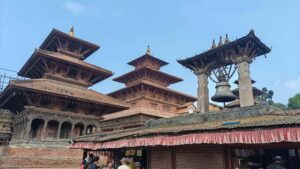
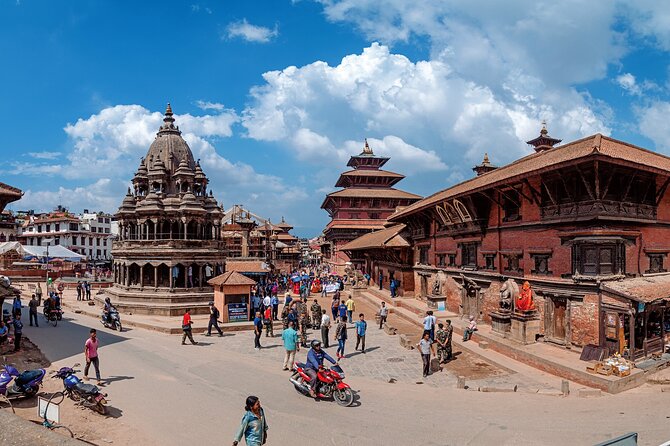
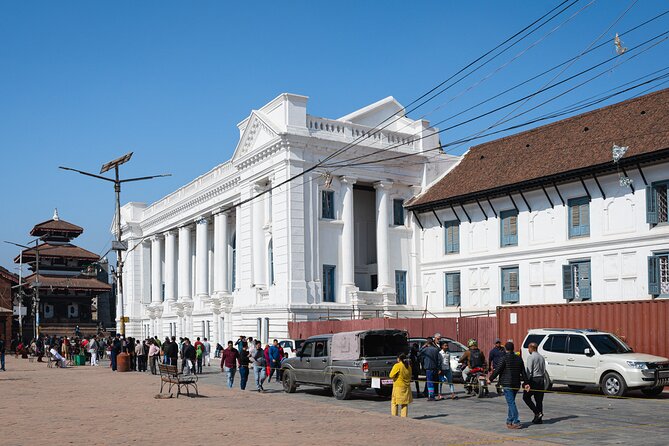
Next is Kathmandu Durbar Square, right in the heart of old Kathmandu. It’s surrounded by palaces, courtyards, and temples, so it feels like a living museum rather than a single monument. This stop gives you a sense of how royal and religious space overlapped.
What to watch for: the square setting means you’ll see a lot of movement—visitors, local life, and ongoing cultural activity. Give yourself time to look for the details in the temple forms and courtyards rather than trying to “scan and leave” quickly.
Patan Durbar Square: art and the Buddhism-Hindu blend
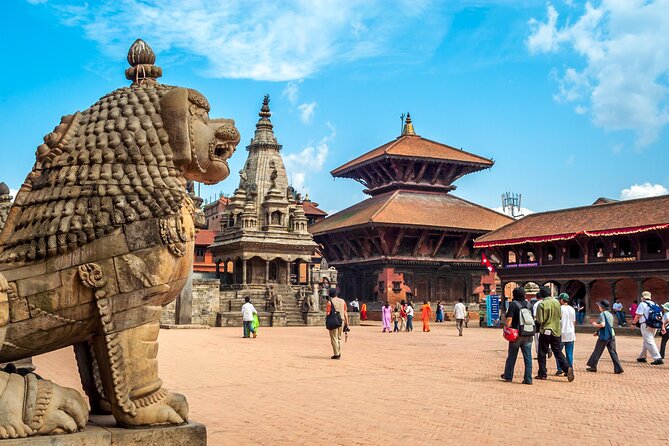
Then you head to Patan Durbar Square in Lalitpur (about 5 km from Kathmandu). This stop stands out for its fusion of Buddhism and Hinduism, and it’s known for strong art and architecture.
Why it’s worth the effort: Patan’s design language tends to feel different from Kathmandu’s, so you’re not repeating the same look. You get variety in the way the religious and civic sides of city life are expressed.
Changu Narayan Temple: a hilltop throwback near Bhaktapur
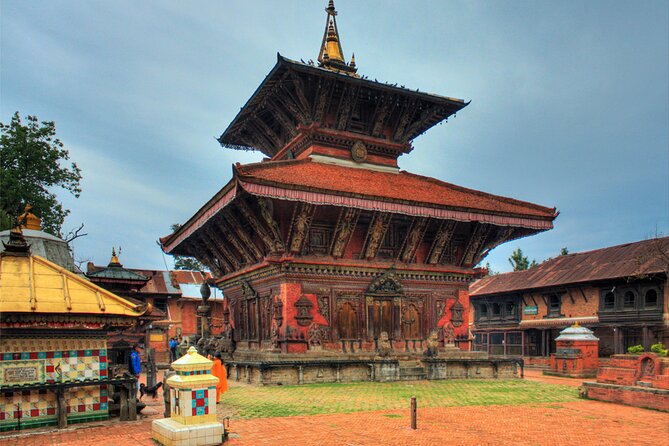
Changu Narayan Temple is one of Nepal’s oldest temples, believed to date back to the 4th century in the Lichhavi dynasty era, and it sits on a hilltop in the village of Changu Narayan near Bhaktapur.
This is your shorter stop, which is actually a benefit if you want a breather between longer squares. The hilltop location makes it feel removed from the busiest parts of the valley. What to keep in mind: because it’s on a hill, it adds some walking. If you’re sensitive to steps or steep paths, plan to take it slow.
Bhaktapur Durbar Square: medieval architecture you can almost feel
Next is Bhaktapur Durbar Square, in Bhaktapur city. It’s known for well-preserved medieval architecture—temples and palaces—and it carries a “stay a little longer” energy.
Compared to the Kathmandu square, Bhaktapur often feels more intact in terms of how the buildings relate to the space. This is where you can relax and do real looking—lines, carvings, courtyards, and the way the square works as a cultural stage.
Pashupatinath Temple: Hindu pilgrimage by the Bagmati River
Then you arrive at Pashupatinath Temple, a must-visit Hindu temple on the bank of the sacred Bagmati River. The river runs down toward the Ganges, and that connection is part of why this place has such spiritual pull.
What to expect here: it’s a major religious site that draws immense attention. It can also be emotionally intense, since sacred rituals are part of the real landscape. Dress respectfully, keep a steady pace, and don’t treat it like a quick photo stop.
Boudhanath Stupa: Buddhist centerpiece and Tibetan monastery atmosphere
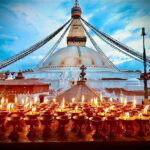
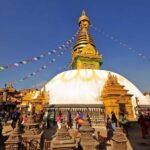
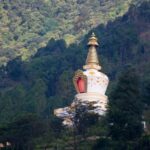
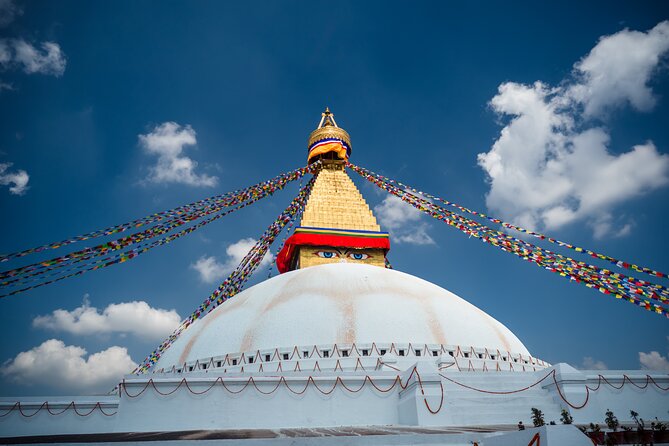
Finally, Boudhanath Stupa rounds out the tour. It’s considered one of the largest stupas in the world, constructed back to the 4th century. The setting resembles a Tibetan village because the area has Tibetan monasteries nearby.
This is a satisfying last stop because it feels slower and more “centered” after squares and temples. You’re closing the day with a monument that acts like a focal point for prayer and community life.
How the guide pacing improves the day (and why it matters)
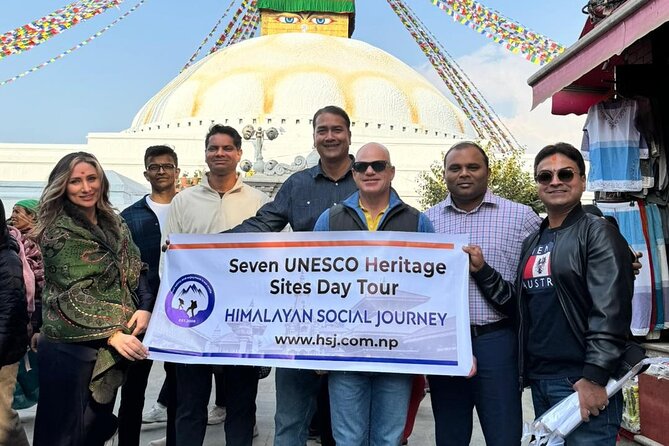
The guide is a huge part of the value here. The tour’s top feedback focuses on how knowledgeable and organized the guide is, plus strong communication that keeps the day easy to follow.
In practical terms, that means you’re not just seeing sites—you’re getting the why behind what you see. And in Kathmandu, that matters because UNESCO sites have meaning in layers: dynasty timelines, religious symbolism, and civic architecture that shows how communities used to function. A good guide helps you avoid the “I saw it, but I didn’t get it” feeling.
Timing is also handled well. The itinerary is designed so you’re at each location long enough to understand it and move on. When a day is tightly packed, good organization reduces stress—especially when you’re traveling across multiple neighborhoods.
Lunch, water, and energy management during a long heritage day
This tour includes a provided lunch made up of a croissant, muffin, danish, cookies, banana, and juice, plus bottled water. That’s a thoughtful touch because it removes uncertainty: you don’t have to keep checking where the nearest café is while the schedule is rolling.
For you, the best strategy is simple: treat lunch as fuel, not a full meal replacement. During heritage walking and hilltop sections, you’ll feel it if you skip real energy or hydration.
Also, because entrance fees aren’t included, you’ll want to keep some cash or payment access ready for on-site tickets. Plan so that money and time don’t collide at the busiest points of the day.
Who this tour fits best (and who should think twice)
This is a strong fit if:
- you want all seven UNESCO sites in one outing
- you have limited days in Kathmandu Valley
- you prefer a structured plan with pickup and an English-speaking guide
- you’d rather pay for organization than spend your time piecing together routes
You might want to think twice if:
- you’re on a tight budget and don’t want entrance fees added on top
- you’re very sensitive to walking and hilltop terrain (Swayambhunath and Changu Narayan add vertical movement)
- you’re traveling with timing flexibility concerns, since the tour depends on good weather
It also helps if you like cultural interpretation. This tour works best when you’re ready to slow down for meaning, not just photos.
Should you book this Kathmandu UNESCO sites tour?
I’d book it if your goal is straightforward: see the UNESCO highlights of Kathmandu Valley without guessing routes or wasting time. The mix of Durbar Squares plus the major spiritual landmarks makes it a high-output day, and the guide focus on organization and clear communication helps the day feel manageable.
I would hesitate only if you hate paying separate entrance fees or you’re uncomfortable with a long, structured day in traffic and on walking paths. If that’s you, you might prefer a smaller subset of sites so the pacing feels more relaxed.
For most visitors with a short trip and a wish-list of the big names—this one earns its place.
FAQ
How long is the Kathmandu UNESCO tour?
The duration is about 7 to 8 hours, with additional time included for travel between the seven heritage sites.
Is hotel pickup and drop-off included?
Yes. The tour includes hotel pickup and drop-off.
What’s included for lunch?
Lunch includes croissant, muffin, danish, cookies, banana, and juice, plus bottled water.
Are entrance fees included?
No. Entrance fees are not included. Four sites have an entrance fee of $20 per person (Patan, Boudhanath, Swayambhu, Pashupati) and three sites have an entrance fee of $24 per person (Kathmandu, Changu Narayan, Bhaktapur).
Which UNESCO sites are covered?
The tour covers Swayambhunath, Kathmandu Durbar Square, Patan Durbar Square, Changu Narayan Temple, Bhaktapur Durbar Square, Pashupatinath Temple, and Boudhanath Stupa.
How big is the group?
The tour has a maximum of 25 travelers.
Do I get an English-speaking guide?
Yes. The tour includes an English-speaking guide.
Is there a mobile ticket?
Yes. A mobile ticket is included.
What happens if the tour can’t run as planned?
The tour requires good weather. If it’s canceled due to poor weather, you’ll be offered a different date or a full refund. It also requires a minimum number of travelers, and if that isn’t met, you’ll be offered a different experience/date or a full refund.