REVIEW · HISTORICAL TOURS
Old Kathmandu Walking Tour, Historic World Heritage Durbar Square
Book on Viator →Operated by Three Jewels Adventures · Bookable on Viator
Durbar Square feels different after this walk. I love starting with Bikramshila Mahavihar (Thambahil), which explains why Thamel exists at all, and I also love the built-in highlight of Kumari Chowk inside Kathmandu Durbar Square. One thing to plan for: you’ll have extra costs for Kathmandu Durbar Square and the Swayambhu Stupa area since entry fees aren’t included.
This tour is designed for an easy morning. You’ll either meet at your hotel lobby in Thamel or get picked up and driven about 20 minutes to the start, then ride in a private vehicle before you begin walking. It runs about 4 to 5 hours and starts at 9:00 am.
You finish with a calm tea or coffee moment in Thamel, led by your guide. That last stop matters because you get to connect the dots between Hindu temples, Buddhist shrines, and the daily market life you just walked through.
In This Review
- Key things that make this walk worth your time
- Old Kathmandu by foot: why this route feels more real
- Pickup in Thamel and a start that doesn’t waste your energy
- Bikramshila Mahavihar (Thambahil): the opening stop with Thamel roots
- Asan market: where daily shopping meets old Kathmandu rhythms
- Janabaha Dyo (Seto MachhindraNath Temple): devotion, icons, and compassion
- Itum Bahal: monastic courtyards and what’s left of the 11th century
- Kathmandu Durbar Square and Kumari Chowk: UNESCO plus the living goddess
- Kathesimbu or Dharmakirti Vihara: the Swayambhu replica stop
- Tea or coffee in Thamel: the part people forget to value
- Price and value: what $28 really buys you
- Who should book this tour (and who might want a different plan)
- Quick decision: should you book Old Kathmandu walking tour?
- FAQ
- How long is the Old Kathmandu Walking Tour?
- What time does the tour start?
- How much does the tour cost?
- Where do we meet and where does the tour end?
- Is pickup included?
- Is transportation included?
- Is coffee or tea included?
- Are entry fees included for Durbar Square and Swayambhu Stupa?
- Is this a private tour?
- When will I receive confirmation?
Key things that make this walk worth your time
Thamel’s origin story: The tour begins at Bikramshila Mahavihar (Thambahil), tied to the name Thamel.
Real Kathmandu markets: You stop at Asan, Kathmandu’s oldest living market for daily goods and spiritual items.
Icon-filled Buddhist devotion: Janabaha Dyo connects Kathmandu and Tibetan Buddhist traditions through Avalokitesvara.
Courtyards and monastery remnants: Itum Bahal offers a glimpse of an 11th-century monastic complex.
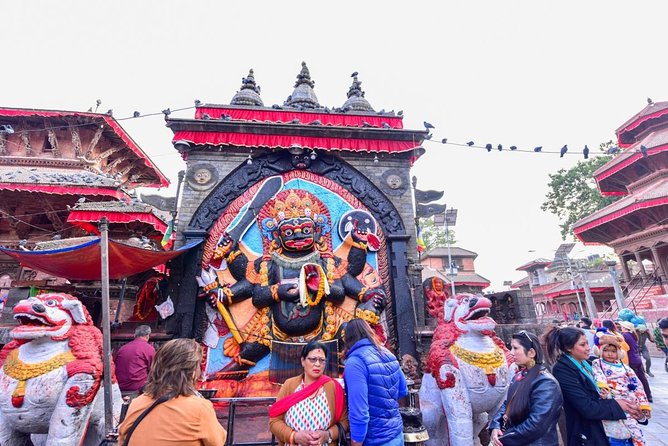
Durbar Square + Kumari in the same flow: You see UNESCO Kathmandu Durbar Square plus Kumari Chowk without rushing alone.
Old Kathmandu by foot: why this route feels more real
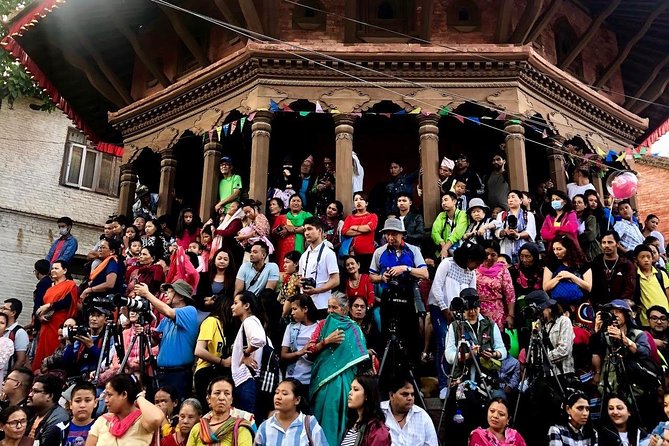
Kathmandu’s top sights can be crowded. What I like about this walk is that it’s built like a story with stops that keep you moving between everyday life and sacred space.
You spend the morning threading together Hindu temples and Buddhist shrines that often share the same street geography. That matters because it’s how Kathmandu actually works: devotion isn’t fenced off in one “tourist area.” It’s on the way to groceries, it’s beside workshops, and it’s part of how neighbors talk to each other.
And instead of spending all your time on the biggest postcard sites, you also get time at lesser-visited corners. That’s where a good guide earns their pay—by pointing out what you’d likely miss when you’re staring at stonework and thinking you already know the place.
You can also read our reviews of more walking tours in Kathmandu


Pickup in Thamel and a start that doesn’t waste your energy
The logistics here are practical. If you’re staying in tourist Thamel, the tour starts right at your hotel lobby. If you’re not, they’ll pick you up and take you to the starting point in about a 20-minute drive.
You also get a private transport arrangement included, so you’re not trying to stitch together buses or taxis mid-morning. This is especially helpful in Kathmandu, where traffic and lane chaos can steal your focus and slow down your sightseeing plan.
Timing is another advantage. The 9:00 am start means you’re getting to key sites while the day is still fresh. You’ll still hit peak moments at Durbar Square, but you’re not starting from the middle of the crowd.
Bikramshila Mahavihar (Thambahil): the opening stop with Thamel roots
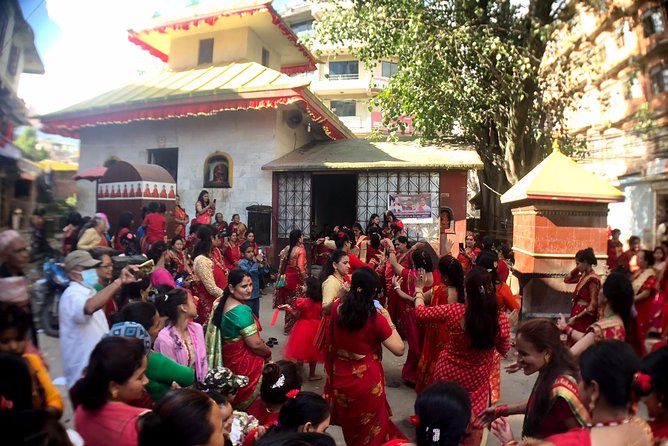
The tour kicks off at Bikramshila Mahavihar, also known as Thambahil. This is a Buddhist monument connected to the native Newar community, and it’s unusually rare for a standard visitor route.
Here’s why it’s a smart first stop: it frames Kathmandu’s identity before you reach the famous squares. You’re not just ticking off temples—you’re learning how the city’s neighborhoods formed, and why Thamel is named as it is.
Since the admission ticket for this stop is free, it’s also an easy win. A guide can spend time on details without you feeling like every minute is paid entry time.
If you like to understand a place’s logic, this opening stop pays off later when you’re standing in Kathmandu Durbar Square and realizing the city isn’t arranged randomly.
Asan market: where daily shopping meets old Kathmandu rhythms
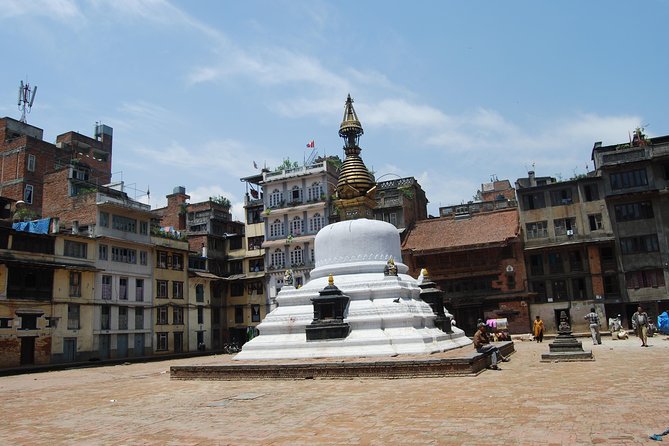
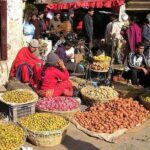
From there you head to Asan, described as Kathmandu’s oldest living market. This isn’t a craft bazaar built for tourists. It’s for daily life—people buy and sell vegetables, clothing, metal items, and even spiritual goods.
If you want to understand Kathmandu beyond monuments, this stop does the job. Markets teach you a lot quickly: what people carry, how they negotiate, and what kinds of goods matter on ordinary days. Even if you don’t plan to buy anything, just watching and listening with a guide next to you gives you context you’d never get from photos alone.
The best part is the short, focused timing. You’re given time to walk the edges and see what’s happening, then you move on. That keeps the pace from turning into a long, tiring shopping detour.
Janabaha Dyo (Seto MachhindraNath Temple): devotion, icons, and compassion
Next comes Janabaha Dyo, also connected with the Seto MachhindraNath Temple. This shrine is described as a native deity of Kathmandu and as a site meaningful to Tibetan Buddhists too.
The guide angle here is strong. You’ll hear the connection to Avalokitesvara, often described as the god of compassion. What makes this stop concrete is the detail that there are 108 engraved icons of Avalokitesvara, representing major forms.
Even if you’re not a religious art specialist, that kind of specific feature is exactly what makes a stop memorable. It’s not abstract. You can look for it, ask questions, and get a better sense of what devotees see when they come here.
Admission for this stop is free, so it’s another low-cost, high-meaning moment in the walk.
You can also read our reviews of more historical tours in Kathmandu


Itum Bahal: monastic courtyards and what’s left of the 11th century
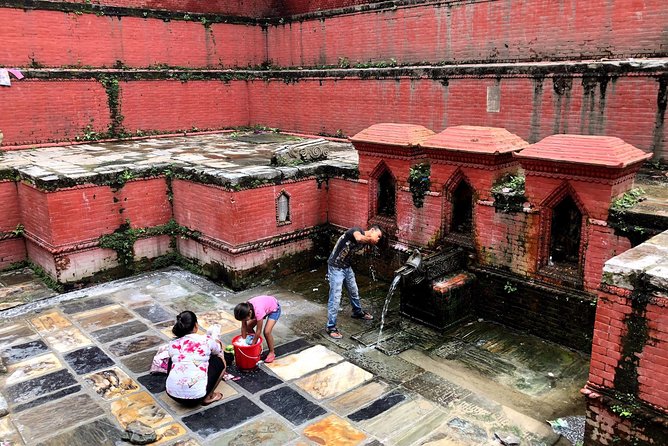
Itum Bahal used to be one of the larger Buddhist monasteries in ancient Kathmandu. This is an 11th-century monastic complex, and the tour focuses on what remains—parts of the original monastic building and courtyards connected with the goddess Tara.
This is the kind of stop that rewards patience. You’re moving through stone and space that doesn’t scream modern tourism. Without a guide, it’s easy to wander past the clues and just see walls and doors. With a guide, you start to notice layout and purpose.
The time here is longer than some other stops, which is right. Monastery remnants aren’t “look once and move on” sights. Courtyards and layout tell you how people lived and prayed, and you need those extra minutes to clock the difference.
Admission is listed as free for this stop too, which keeps costs under control until you reach the major paid areas later.
Kathmandu Durbar Square and Kumari Chowk: UNESCO plus the living goddess
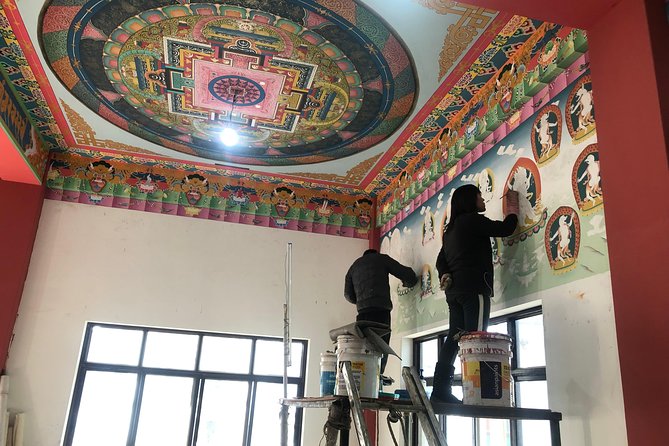
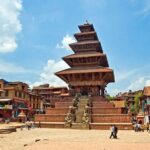
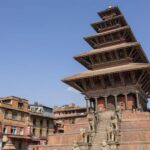
Then you reach Kathmandu Durbar Square, a UNESCO World Heritage Site. It’s the 17th-century palace area of Nepal’s kings, and it’s surrounded by temples.
This is where you’ll likely feel the crowd energy—but the tour is still worthwhile because it blends explanation with walking, rather than letting you get lost in the square. A guide can point out what matters in the architecture and why the square’s arrangement is important.
One key note: the entry fee for Kathmandu Durbar Square premises is not included. So while the tour price is $28 per person, your total day cost will rise once you pay for admission here.
Inside Durbar Square, you also visit Kumari Chowk. This is the home of the Kumari, described as a living goddess shrine. The building is said to be about three hundred years old, and the structure is highlighted as an example of traditional Nepali art and architecture.
This is often the emotional high point of a Kathmandu day. Even if you’re not deeply focused on religious practice, the idea of a living goddess shrine gives the square a human beat. You’re not just looking at old stone—you’re learning how belief continues in a highly visible way.
Kathesimbu or Dharmakirti Vihara: the Swayambhu replica stop
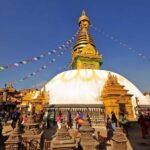
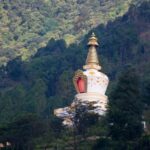
After Durbar Square, the route continues through the old town toward a Buddhist stupa complex of Kathesimbu or Dharmakirti Vihara. This complex includes a replica of the Swayambhu Stupa, which is described as a major pilgrim site.
This stop is clever for travelers who want the “Swayambhu idea” without forcing the day into another big standalone sight. You get the symbolism and the spiritual connection, and it helps you connect dots between different holy places around the city.
Also keep in mind: entry fees for Swayambhu Stupa are listed as not included. Even if you’re seeing a replica, budget for the possibility that any Swayambhu-area admission may add to your final bill.
Time here feels like part of the transition from grand royal space to quieter sacred space. It also gives your feet a chance to slow slightly after the intensity of Durbar Square.
Tea or coffee in Thamel: the part people forget to value
The tour ends back in tourist Thamel at Cafe Mitra. You get time for a drink of your choice and a casual conversation with your guide.
This isn’t just a nice extra. It’s the moment you turn random temple facts into something you can remember and use later. When you can ask follow-up questions—about what you saw, what you might want to see next, or why certain places matter—you travel smarter.
You’re also told that coffee and/or tea is included, so you’re not paying for a last-minute refill at an unknown cafe after a long morning.
Price and value: what $28 really buys you
At $28 per person, this is not just “someone walks beside you.” You’re getting a structured guided morning with multiple stops, plus private transportation and a included coffee or tea.
Where value can change is in the extra entry fees. The big paid elements listed are Kathmandu Durbar Square and the Swayambhu Stupa area. So treat the tour price as the base cost of the guide + route, and treat entry fees as the add-on for the two major sacred sites.
Still, compared to paying for separate taxis and trying to piece together temple locations on your own, the package style here saves stress. It’s also private, meaning it’s not a long line of strangers blocking your guide’s ability to answer your questions or adjust the pace for your group.
Also worth noting: it’s a private tour/activity with only your group participating. If you’re traveling as a couple or a small group, this setup can be especially good value because you’re not competing with other languages and attention spans.
Who should book this tour (and who might want a different plan)
This fits best if you want to understand Kathmandu as a living city. If you like markets, religious symbolism, and short stops that add up into a coherent morning, you’ll likely feel satisfied by the end.
It’s also a strong option if you want Durbar Square plus Kumari without trying to plan a complicated route alone. The walking format keeps it from feeling like you’re stuck in a vehicle all day.
If you hate walking, this might not be your favorite choice. The tour runs about 4 to 5 hours, and it’s a true walking experience through crowded streets and sacred areas.
If you need a fully wheelchair-style accessible day, the data only says most travelers can participate, which isn’t enough to promise anything specific about mobility limits. In that case, ask the provider directly how much walking is involved and how the route is managed.
Quick decision: should you book Old Kathmandu walking tour?
Yes, I’d book it if your goal is to get oriented fast and see the “Kathmandu vibe” beyond the obvious photo spots. The mix of Asan’s daily market feel, the rare opening at Bikramshila Mahavihar, and the emotional centerpiece of Kumari Chowk makes for a morning that clicks.
Skip it only if your focus is strictly on one or two major monuments and you don’t want to pay separate entry fees once you reach Durbar Square and the Swayambhu area. In that case, you might prefer a more focused sightseeing plan.
FAQ
How long is the Old Kathmandu Walking Tour?
The tour lasts about 4 to 5 hours.
What time does the tour start?
It starts at 9:00 am.
How much does the tour cost?
The price is $28.00 per person.
Where do we meet and where does the tour end?
The meeting point is Amrit Marg, Kathmandu 44600, Nepal, and the tour ends at Cafe Mitra, Thamel Marg, Kathmandu 44600, Nepal.
Is pickup included?
Yes. If you’re in Thamel, you can start from your hotel lobby, or they pick you up and drive you about 20 minutes to the start.
Is transportation included?
Yes. Private transportation is included.
Is coffee or tea included?
Yes. Coffee and/or tea are included, and you’ll also have time to drink and chat with your guide near the end.
Are entry fees included for Durbar Square and Swayambhu Stupa?
No. Entry fees for Kathmandu Durbar Square premises and Swayambhu Stupa are not included.
Is this a private tour?
Yes. It’s private, and only your group will participate.
When will I receive confirmation?
Confirmation is received at the time of booking.