REVIEW · WALKING TOURS
Smells of Kathmandu Walking Day Tour
Book on Viator →Operated by Classic Escapades · Bookable on Viator
Follow the spice trails of Kathmandu. This 2.5-hour walking tour threads the gap between Durbar Square and Thamel, with a guide leading you through the markets and lanes locals use every day. I like that it’s built for orientation, not sightseeing checklists. You’ll get a focused look at the food and supply shops that keep the city fed.
In This Review
- Two things I really like about this walk
- One possible drawback to weigh
- Key highlights to look for
- Walking “Smells of Kathmandu”: what you’re really buying with $28
- Meeting point near Tridevi Sadak: start where locals actually move
- The heart of the tour: Asan market and ingredient shopping
- A note on the sensory side
- Indrachowk: the crossroads that makes the whole city feel connected
- What you’ll get here
- The bead bazaar: craft commerce you can actually see up close
- Practical tip
- Bangemudha and Nardevi: adding texture to the Old Kathmandu loop
- What to expect
- Group size and pace: why “small” is the point
- Guides that turn a market into a story: Sunil and Rajendra as examples
- Is this tour worth $28? A value check that makes sense
- When this tour fits best (and when it doesn’t)
- Tips to get the most from your walk
- Should you book this Smells of Kathmandu walking day tour?
Two things I really like about this walk
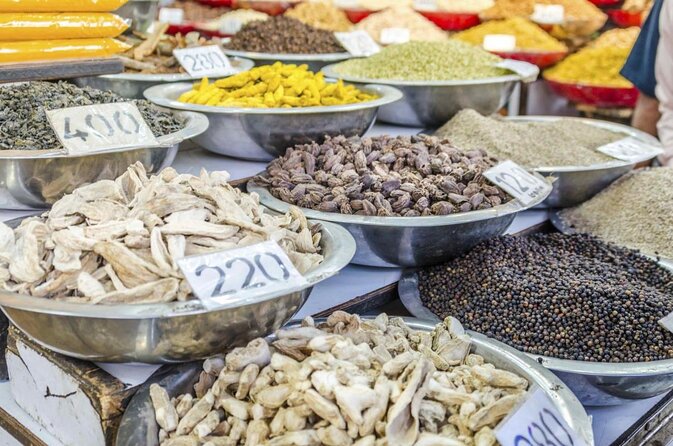
First, you spend most of your time in Asan, a crowded ingredient market where you can see spices, fruit and vegetables, fish, meat, grains, and pulses all in one place. Second, the guide story-telling makes the scene easier to read. Names like Sunil and Rajendra show up in the guide mix, and both are described as explaining details clearly as you move street to street.
One possible drawback to weigh
The trade-off is that this is a busy, close-up market walk. If you’re sensitive to crowds or strong food and spice smells, you’ll want to come ready with patience and a comfortable walking pace.
You can also read our reviews of more walking tours in Kathmandu


Key highlights to look for
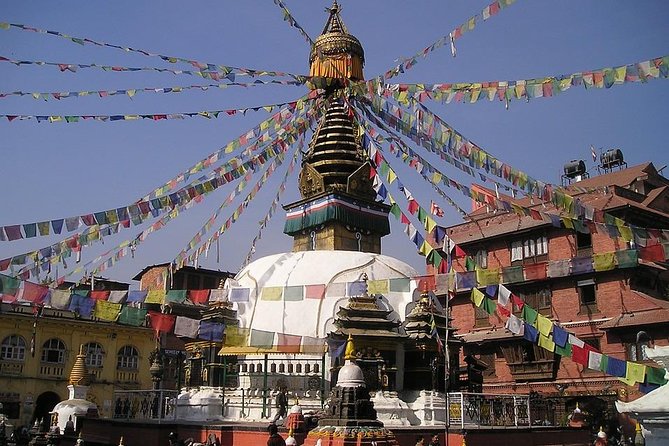
- Asan market focus: Most of the time is spent where locals shop for ingredients, not just photo spots.
- Old Kathmandu lanes: You’ll get routed through smaller streets and alleyways that many visitors skip.
- Bead bazaar + Indrachowk: Craft and crossroads energy show how commerce flows in daily life.
- Other local areas nearby: Stops include Bangemudha and Nardevi along the Old Kathmandu loop.
- Small group size: Maximum of 10 travelers keeps it personal and easier to ask questions.
Walking “Smells of Kathmandu”: what you’re really buying with $28
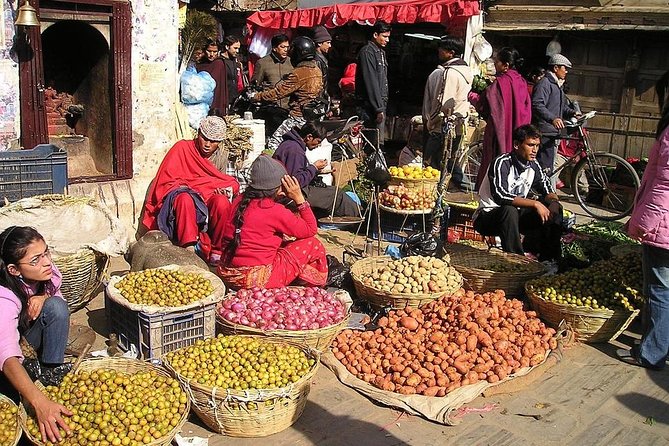
At $28 per person for about 2.5 hours, this tour is priced for a practical goal: getting your bearings in Kathmandu’s old-market area. You’re not paying for a long day or a bus ride. You’re paying for a local guide who helps you see what you’d miss if you wandered alone.
That matters here because Asan and the surrounding streets are dense. Without guidance, it’s easy to end up stuck at the closest-looking stalls or to miss why a place has the feel it does. With a guide, you learn what the shops sell, what to notice as you pass, and how the different market zones connect.
You also get small-group attention—up to 10 people. That tends to make a difference in markets, where questions come fast: What are these ingredients for? Why is this sold here? How does trade move through the area?
Meeting point near Tridevi Sadak: start where locals actually move
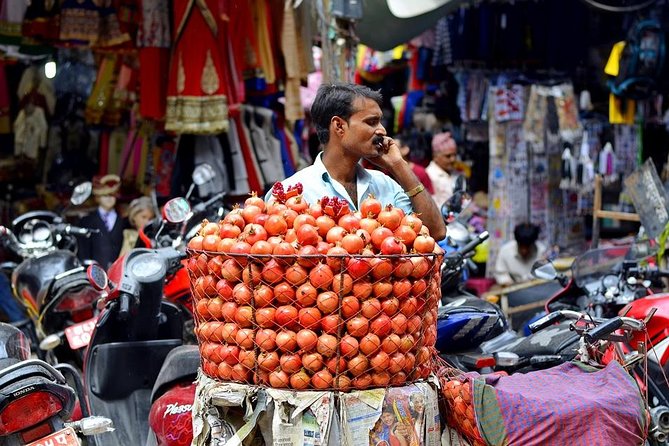
The tour starts at Karmachari Sanchaya Kosh Building, Tridevi Sadak, Kathmandu 44600, and you return to the same spot afterward. If you’re using maps, that exact address helps a lot. The meeting point is in an area that fits the tour’s theme: it’s on the edge of major old-city routes, so you can walk into the market flow quickly.
Start time is 2:45 pm. That afternoon timing is useful. Markets are still active, but you’re less likely to be dealing with the harshest midday hours. Still, you should plan for walking in busy streets. Wear shoes you can trust.
There’s hotel pickup available if you arrange it. If your hotel is reachable, pickup can be a small convenience that makes the meeting smoother. If not, the fixed meeting point keeps things straightforward.
And yes, you’ll get a mobile ticket, so you should have your phone charged. Kathmandu walking tours often rely on quick check-ins, and a simple digital ticket saves hassle.
The heart of the tour: Asan market and ingredient shopping
Your main stop is Asan, described as part of the old Kathmandu surroundings between Durbar Square and Thamel. This is the core of the experience and where most of the time goes.
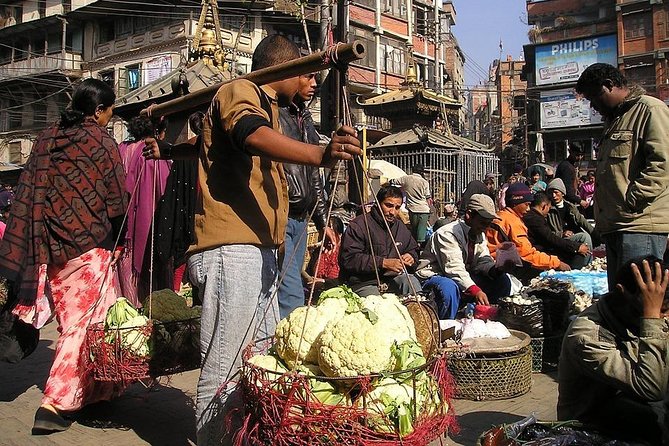
Think of Asan as Kathmandu’s ingredient hub. You’ll see shelves and stalls focused on daily food needs: spices, fruit and vegetables, fish, meat, grains, and pulses. The useful part isn’t just the variety—it’s how the market layout helps you understand what locals do for everyday meals.
What I like about this kind of market stop is that it teaches you a way to look. Instead of asking What’s famous here?, you start noticing practical patterns:
- Which foods are grouped together
- How ingredients shift from raw to ready-to-use forms
- How buyers move through the lanes depending on what they need
The tour also includes an admission ticket for the main market stop. That’s a small detail, but it signals you’ll be doing an organized market visit rather than a casual stroll. For you, that usually means less time figuring out where to go and more time asking questions of your guide.




A note on the sensory side
As the title suggests, this is a smells-and-stores experience. Spices and food stalls create a strong atmosphere. If you expect a quiet walk, adjust your expectations. Bring a light layer if you get afternoon breezes, and keep an easy rhythm. You’ll enjoy the experience more if you treat it like a moving classroom—look, ask, and keep going.
Indrachowk: the crossroads that makes the whole city feel connected
From Asan, the route includes Indrachowk, which fits the tour’s style: not just shopping spots, but the connective tissue of Kathmandu’s daily movement.
Indrachowk is the kind of place where you notice how neighborhoods overlap. It’s where traffic and pedestrians mingle, and it helps you understand that the market zones don’t exist in isolation. They feed into the wider city patterns.
If you like walking tours that help you map a place in your head, this segment helps. You’ll start to feel how the market area relates to the rest of your day in Kathmandu, including access toward Thamel.
What you’ll get here
You’re not just passing through a big intersection. Your guide is there to help you read the place—why it matters, what it connects to, and what kinds of activities show up there. That guidance is what turns a busy street into orientation.
The bead bazaar: craft commerce you can actually see up close
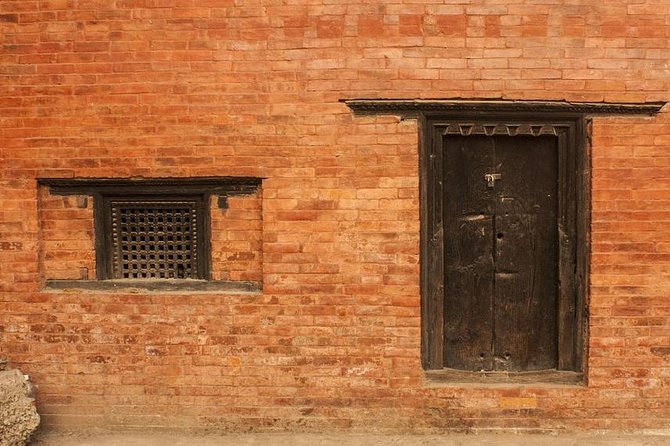
Another stop is the bead bazaar. This is a smart contrast to the food-and-ingredient focus of Asan. Markets often blend—one lane is supplies for meals, another lane is materials for crafts. By including a craft-focused area, the tour shows how Kathmandu’s commercial life isn’t one-note.
When you walk through the bead market, your brain shifts from ingredients to objects. You notice textures, colors, and how goods are arranged for browsing. Even if you don’t plan to buy anything, this is useful. It helps you learn what kinds of shops cluster near each other and how visitors interact with sellers.
Practical tip
If shopping tempts you, keep control of your pace. Market shopping can turn into a 30–40 minute delay fast. If you’re interested in buying, decide what you want beforehand so you don’t lose the rest of your tour time.
Bangemudha and Nardevi: adding texture to the Old Kathmandu loop
The walk also includes areas listed as Bangemudha and Nardevi. These stops matter less as “attraction highlights” and more as proof that the tour is taking you into lived-in Kathmandu rather than sticking to the safest or most obvious routes.
In a neighborhood walk like this, additional stops are valuable because they reduce the feeling of repetition. You’ve already seen the market intensity; now you shift into different streets and local rhythms. That helps you understand that old Kathmandu is a network, not a single square.
What to expect
Your guide keeps connecting the dots: what you’re seeing, how people use the area, and why the city developed in this pattern. If you like tours where you come away able to point out where you were and how to get back, this part helps.
Group size and pace: why “small” is the point
With a maximum of 10 travelers, the tour stays manageable. Market walking gets tricky with big groups because everyone’s trying to stop and look at the same time. Here, the smaller group size makes it easier to:
- move through narrow lanes
- hear the guide without repeating yourself
- ask questions without slowing the whole line
You should still expect crowd movement. But it tends to feel more like walking with someone who knows the city rather than being herded.
Guides that turn a market into a story: Sunil and Rajendra as examples
The best walking tours live or die on the guide’s ability to explain what you’re seeing. In this tour’s feedback, two guide names come up: Sunil and Rajendra.
Rajendra is mentioned for speaking perfect German and explaining things in detail throughout the walk. Sunil is described as taking people into narrow streets and alleyways that most visitors don’t navigate on their own, while also sharing a lot of information and even trying tea at a local spot.
Even if your guide is someone else, this is a good sign: the tour provider emphasizes guides who can translate the sensory chaos into clear, useful context.
Is this tour worth $28? A value check that makes sense
For $28, you’re essentially paying for three things:
- Local market access in one organized circuit
- An expert guide to interpret what you’re seeing
- Time efficiency in a dense area that’s easy to wander aimlessly in
You’re not paying for a private car, and you’re not paying for a full-day itinerary. If you only have a short window in Kathmandu and you want a grounded first look at how people shop, this price can feel fair.
Where the value gets strongest is if your goal is orientation. After this walk, you’ll usually feel more confident navigating the old market zones and understanding which areas sell what.
What’s not included matters, too. Food, drinks, shopping, and gratuities aren’t included. That’s normal for this style of tour, but it means you should budget a little extra if you want to try tea or buy small items along the way.
When this tour fits best (and when it doesn’t)
This experience is a great match if you:
- want a short walking tour that still feels substantial
- are interested in local shopping culture, especially ingredients and everyday commerce
- like city walks guided by stories, not just landmark photos
- prefer a small group over large crowds
It may be less ideal if you:
- need very quiet walking environments
- dislike close, crowded alleyways
- prefer a slower pace with frequent sitting breaks (the tour is designed as a walk-through)
Also, the experience requires good weather. If conditions are poor, you might be offered another date or a full refund. So plan your schedule with a little flexibility.
Tips to get the most from your walk
Bring the right mindset. This isn’t a museum. It’s a working market zone. Your best results come from staying curious and letting the guide steer the stops.
A few practical choices:
- Wear comfortable shoes with grip. Street surfaces can vary.
- Keep water handy, especially if you tend to feel it while walking.
- If you want to buy something, set a tiny budget first so shopping doesn’t swallow the tour time.
And don’t be afraid to ask basic questions. Market guides usually love explaining ingredient uses and local habits.
Should you book this Smells of Kathmandu walking day tour?
I’d book it if you want a real Kathmandu snapshot in a compact time window: Asan markets, Indrachowk, the bead bazaar, and nearby local neighborhoods like Bangemudha and Nardevi, all with a guide to translate the chaos into something you can remember.
Skip it if you’re hunting for a low-sensory, calm, sit-down sightseeing day. This is a walking market experience—loud, close, and full of daily life.
If you’re unsure, use this rule: If you enjoy street-level culture and you want orientation fast, the $28 price looks reasonable. If you want major monuments instead, you’ll likely feel more satisfied elsewhere.