REVIEW · KATHMANDU
Experiential Career Break trip to Nepal for Gap year and Sabbatical travelers
Book on Viator →Operated by Sabbatical Explore Nepal (Social Tourism Nepal) · Bookable on Viator
Nine days is a great length for change.
This Nepal trip is built for people on a career break, with a mix of temples, local neighborhoods, and short hikes around the Kathmandu Valley and nearby hills. You’ll visit major spiritual stops like Swayambhunath (Monkey Temple) and Boudha, plus a more unusual stop at Bajrayogini Temple.
Two things I especially like: the route doesn’t treat Nepal like a checklist, it threads together sacred sites and everyday street life, from Asan market to Kumari Chowk. And you get real community time, including village welcome and monastery routines around Namo Buddha. One thing to weigh: the tour is described as private, but English communication can vary, so make sure you ask about an English-speaking guide before you lock it in. English support matters.
In This Review
- Key Highlights You’ll Feel Quickly
- Why This 9-Day Break Feels Different in Nepal
- Day 1 in Kathmandu: Monkey Temple, Markets, and Durbar Square
- Swayambhunath and Shobha Bhagawati
- Kathmandu Durbar Square and the Kumari experience
- Hanuman Dhoka and street-level Kathmandu
- Day 2: Boudha, Bajrayogini Temple, and a Hilltop View Break
- Boudha Stupa and monastic surroundings
- Bajrayogini Temple: stronger woman energy
- Jaharsingh Pauwa viewpoint hike
- Day 3: Nagarkot Panoramic Trail and a Village Welcome at Ghimire Gaun
- The Nagarkot hiking morning
- Ghimire Gaun: village life time
- Day 4: Tukucha Nala Temples and the Dhulikhel Evening Hike
- Tukucha Nala: monastery, local temples, and guidance
- Nagarkot to Dhulikhel hike
- Days 5 and 6: Namo Buddha Monastery Time (Monks, Meditation, and Morning Walks)
- Day 5: Dhulikhel to Namo Buddha hike
- Day 6: morning hike with monks and meditation-focused learning
- Day 7: Panauti’s Temples, Panauti Museum, and Quiet Streets
- Panauti Village: 15th-century feel and temple density
- Panauti Museum in Indreshwor Temple
- Day 8: Bhaktapur Durbar Square and Nyatapola Temple
- Bhaktapur Durbar Square
- Day 9: A Freer Kathmandu Day for What You Miss
- Price, Value, and What You’re Actually Paying For
- Who This Tour Suits Best
- Should You Book This Nepal Sabbatical Tour?
- FAQ
- How long is the tour?
- Where does the tour start?
- Is this a private tour?
- What’s included in the price?
- Are there any admissions or tickets not included?
- What is not included?
- What cancellation options do I have?
- Is the trip suitable for most travelers?
Key Highlights You’ll Feel Quickly
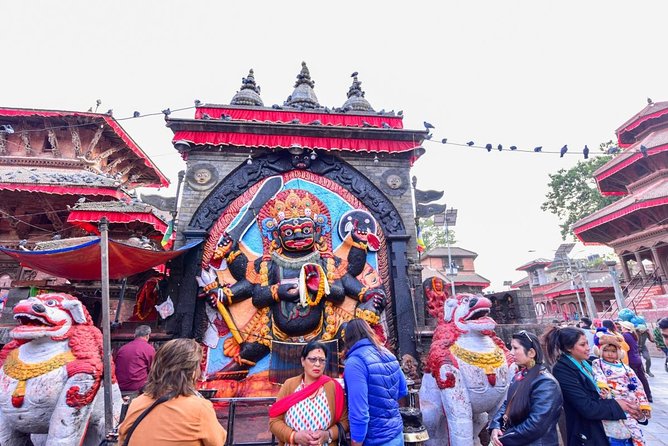
- Kathmandu’s spiritual core in one day: Swayambhunath, Kumari Chowk, Hanuman Dhoka, and Kathmandu Durbar Square
- Off-the-radar intensity at Bajrayogini Temple, not just the usual big stupa circuit
- Hill views + village contact on hikes toward Nagarkot and through Ghimire Gaun
- Monastery rhythm at Namo Buddha, including time with monks and meditation-focused learning
- Heritage walking without rushing in Panauti and Bhaktapur, with stop-and-talk local guidance
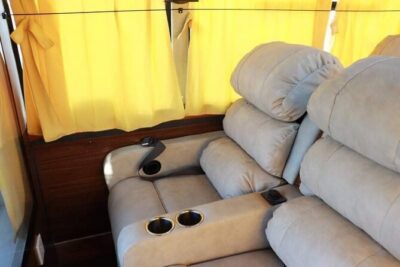
- Private-group comfort, plus pickup offered, so you’re not wrestling crowds all day
Why This 9-Day Break Feels Different in Nepal
If you’re taking a sabbatical or a gap-year stretch, you likely want more than photos of monuments. This tour is designed around meaning: religion and history are paired with nature walks and community moments, so the days feel connected rather than separate.
I also like that the schedule is compact enough to finish strong in 9 days, but spacious enough to slow down at key places. You’ll have multiple “sit and look” moments—stupas, squares, temple courtyards—then you’ll switch into motion with hill hikes.
One small caution: the itinerary moves every day. It’s not a lay-around-your-hotel plan. If you love long unplanned downtime, you may want to keep your last-day free time in Kathmandu flexible so you can recover.
You can also read our reviews of more tours and experiences in Kathmandu.
Day 1 in Kathmandu: Monkey Temple, Markets, and Durbar Square
Day 1 is a Kathmandu best-of mix, but it’s arranged so you don’t just sprint from one landmark to the next.
Swayambhunath and Shobha Bhagawati
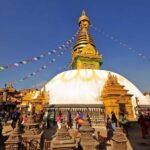
You start at Swayambhunath (Monkey Temple), a stupa on a hill in the Kathmandu Valley, with records pointing to an early consecration date and a long renovation history. It’s a place where the views matter, but the point is spiritual practice—praying, circling, and absorbing the energy of a major pilgrimage site.
Right after, you hit Shobha Bhagawati Bridge and the shrine dedicated to Hindu Goddess Bhagawati. This area is known for a pagoda-style temple and an important celebration during Dashian. If your dates line up, you might see more festive atmosphere here; if not, the quiet visit still works.
Kathmandu Durbar Square and the Kumari experience
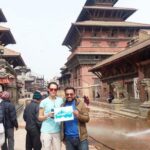
Then it’s into the old palace square world: Kathmandu Durbar Square, a UNESCO World Heritage site tied to the old Kathmandu kingdom. This is where you’ll notice the dense layering of temples and shrines packed into one historic space.
You’ll also stop at Kumari Chowk, the living goddess site. If timing is right, you may be able to meet her, though she doesn’t speak with visitors. That’s actually part of what makes the experience feel respectful and real.
Hanuman Dhoka and street-level Kathmandu
Finish the day with Hanuman Dhoka, a historical museum tied to the Katntipur kingdom. It’s a good transition: you go from public temple energy into a more interpretive space where you can connect stories to architecture.
The day doesn’t end at temples, either. You’ll get market time, including a stop at Asan, a walking street market for fruits, vegetables, dried vegetables, pickles, fish, meats, and daily groceries. Even if you don’t shop, it’s a fast way to understand how Kathmandu runs day-to-day.
Practical note: markets mean bring small bills, wear shoes you don’t mind getting scuffed, and plan to slow down when street activity thickens.
Day 2: Boudha, Bajrayogini Temple, and a Hilltop View Break
Day 2 turns the volume up on spirituality, then adds a breath of air on the hills.
Boudha Stupa and monastic surroundings
You visit Boudha, described as the world’s largest Tibetan stupa, surrounded by monasteries and a thangka painting school. The top of the stupa is where you’ll likely focus—prayer flags and the chant-style rhythm of Buddhist practice. You’ll also hear that famous mantra phrase used in Tibetan Buddhism contexts, tied to a lived religious soundscape.
Bajrayogini Temple: stronger woman energy
Next is Bajrayogini (Bajrayogini Temple). The name is explained as Bajra (strong) plus Yogini (female yogi), and the stop is framed with a local story and proofs of its meaning in the community. This is the kind of stop that makes a tour feel custom: you’re not only visiting the famous silhouette, you’re visiting a specific spiritual lineage point.
Jaharsingh Pauwa viewpoint hike
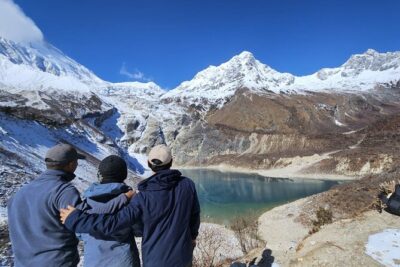
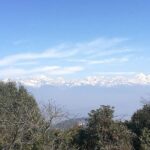
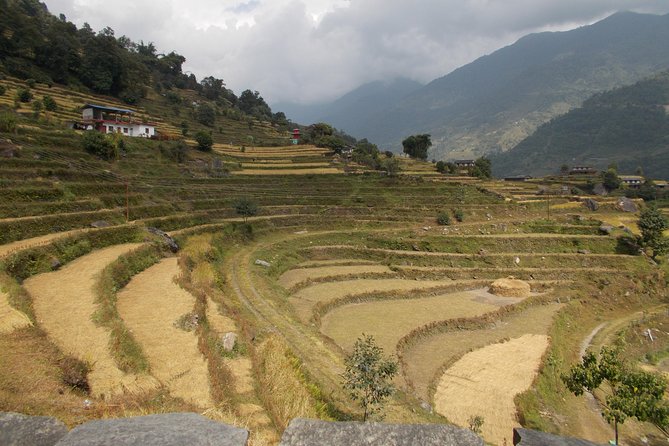
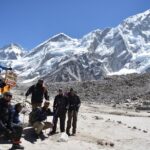
After the temples, you hike to Jarsing Pauwa View Point (also spelled JAharsingh Pauwa in the route notes). This is a hill-station style viewpoint hike with Himalayan views if the weather cooperates. Even when visibility isn’t perfect, the walk itself helps reset the mind after a dense first two days of culture and ritual.
Tip for viewpoint days: start early if possible, keep water handy, and expect the sky to be moody. Hike anyway—clouds can make the mountains feel more dramatic.
Day 3: Nagarkot Panoramic Trail and a Village Welcome at Ghimire Gaun
Day 3 is where the tour starts behaving like a gap-year story, not just a sightseeing package.
The Nagarkot hiking morning
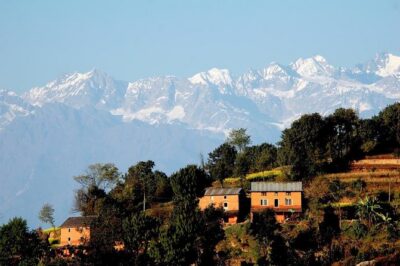
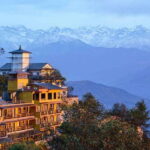
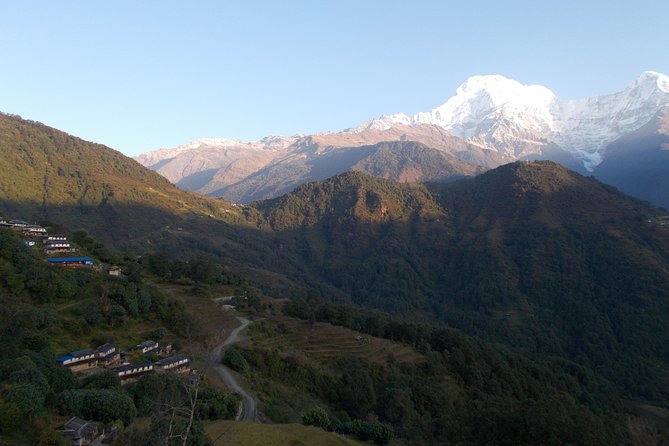
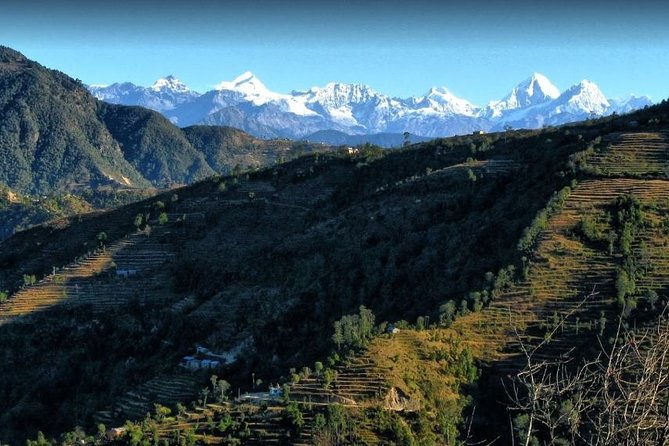
In the morning, you hike toward Nagarkot, one of the best-known hill stations near Kathmandu. The route is described as passing through villages, terrace fields, and woods, so you don’t just “reach a viewpoint,” you watch the land change as you climb.
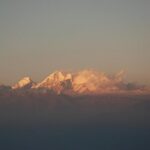
The payoff is panoramic mountain display if conditions are clear. Even without a perfect view, you’ll still get the rhythm of walking through working landscapes rather than just looking from a road.
Ghimire Gaun: village life time
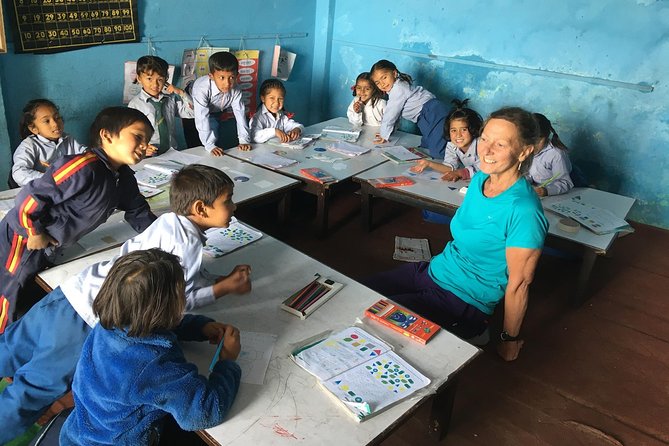
After Nagarkot’s sunset view, you hike to Ghimire Village (Ghimire Gaun) and get a friendly welcome. This is a community stay moment, where you spend time with local village life. For many sabbatical travelers, these are the days that feel the most meaningful, because conversation is part of the schedule.
A reality check: village time can include a different pace and different comfort standards than city hotels. The tour is still described as manageable for most travelers, but you should come ready for a more basic, human-scale experience.
Day 4: Tukucha Nala Temples and the Dhulikhel Evening Hike
Day 4 blends monastery/temple exploration with another hill transition.
Tukucha Nala: monastery, local temples, and guidance
You start with Tukucha Nala, including visits to a monastery and several historical local temples. The best part here is that locals guide you around, explaining facts and pointing out details you might miss on your own. Then you wander toward virgin and hidden places near the village, which suggests quieter side routes beyond the main paths.
This day is a good example of why local guidance is worth paying for. It turns a walk into learning.
Nagarkot to Dhulikhel hike
Then you prepare for the evening hike to Dhulikhel, via villages and greenery of the valley. On a clear day, you might see mountains in the backdrop. Even if the sky doesn’t cooperate, Dhulikhel is still a strong base for reset time.
If you’re sensitive to walking distance, pace yourself here. Evening hikes can feel longer if you try to rush for views.
Days 5 and 6: Namo Buddha Monastery Time (Monks, Meditation, and Morning Walks)
If you want the spiritual component to feel lived-in rather than photo-stop level, Namo Buddha is the centerpiece of the second half.
Day 5: Dhulikhel to Namo Buddha hike
You’ll hike to Namo Buddha from Dhulikhel to learn about the monastery and the life of monks. Thrangu Tashi Yangtse Monastery is specifically named as part of the area. The plan includes tranquil time at the monastery with monks, which is the kind of experience that slows the mind down in a good way.
Day 6: morning hike with monks and meditation-focused learning
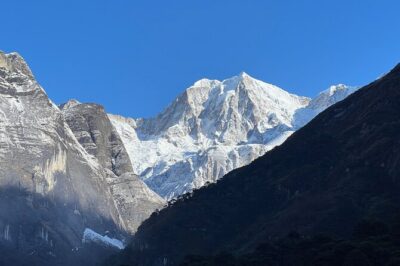
Day 6 starts with mountain panorama, then descends to a nearby village for a morning hike with the monks. You return to the monastery for daily lifestyle learning, including meditation. That structure matters: you’re not only watching rituals, you’re learning routines and practice.
For many people, this is the most “career-break” part of the tour: it’s not about producing productivity; it’s about experiencing different rhythms of attention.
Day 7: Panauti’s Temples, Panauti Museum, and Quiet Streets
Day 7 shifts from big-view hills to older temple streets.
Panauti Village: 15th-century feel and temple density
You explore Panauti, described as a historical town with temples dating to the 15th century. The tour notes mention around 40 iconic temples dedicated to different deities, along with houses and streets that make it easy to wander slowly.
This is the kind of place where you can get satisfaction from just walking and reading stonework, even without a formal “tour lecture” at every corner.
Panauti Museum in Indreshwor Temple
You also visit Panauti Museum, located inside the Indreshwor Temple. The route notes highlight stone and wooden arts and how the craftsmanship evolved within the community. If you like architecture details, this is a strong add-on.
Day 8: Bhaktapur Durbar Square and Nyatapola Temple
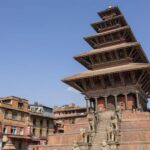
Day 8 is heritage walking in Bhaktapur, often described as City of Devotees. You drive there, then spend time in the Newari town environment—food, culture, tradition, and history in the day-to-day sense.
Bhaktapur Durbar Square
You visit Bhaktapur Durbar Square, a UNESCO World Heritage site with temples and historic architecture. The big feature mentioned is Nyatapola, a five-storied temple.
This day is great if you want architecture that feels dense and lived-in rather than separated into fences and gift shops. Plan to take your time in the square and slow down for doorways, steps, and carvings.
Day 9: A Freer Kathmandu Day for What You Miss
The final day is intentionally flexible. You spend time in Kathmandu as you wish, with options for places you might want to revisit or shop for souvenirs.
This is smart. After 8 full days, you don’t want forced running around on the last day. If you found one temple area you loved, you’ll be glad you have time to return.
Price, Value, and What You’re Actually Paying For
At $980 for about 9 days, this tour is priced for a private-group experience with transportation and meals.
Here’s how I think about value:
- Private transportation is included, which in Nepal can save energy and reduce logistical stress.
- Meals are covered on most days: breakfast (7), lunch (6), dinner (6). That matters if you’re hiking or moving through neighborhoods where it’s annoying to hunt for food right on schedule.
- Fees and taxes are listed as included, and many individual stops show free admission in the route notes.
- The experience also includes extra “time-value” items like monastery learning and community contact, not just entrance tickets.
Possible mismatch to watch: one stop in the route notes lists admission for Kathmandu Durbar Square as not included. The overall tour package says all fees and taxes are included, so this is worth confirming directly so you’re not surprised by any single-site ticket.
Who This Tour Suits Best
This tour fits you if:
- You’re on a career break, gap year, or sabbatical and you want more meaning than a standard highlight reel.
- You like a balance of spiritual sites and gentle hikes.
- You’re open to a more local rhythm, like village welcome time and monastery routines.
It might not fit you as well if:
- You require perfect English throughout. The experience can be private, but language quality can vary, so confirm your guide preference early.
- You dislike scheduled walking days. This is active travel, even when hikes are framed as manageable.
Should You Book This Nepal Sabbatical Tour?
I’d say yes if you’re after a Nepal trip that feels personal and spiritual without skipping real walking, local neighborhoods, and monastery learning.
Before you book, do two things:
- Ask whether your guide will be English-speaking for your whole trip, not just for a portion of it.
- Confirm any ticket expectations for places like Kathmandu Durbar Square, since the route notes and package summary don’t perfectly align on that detail.
If those boxes are clean, this is the kind of 9-day Nepal experience that can genuinely change how you look at your own pace.
FAQ
How long is the tour?
It’s listed as 9 days (approx.).
Where does the tour start?
The experience is in Kathmandu, Nepal, and a pickup is offered.
Is this a private tour?
Yes. It’s described as private, with only your group participating.
What’s included in the price?
The package includes private transportation, all fees and taxes, and meals: breakfast (7), lunch (6), and dinner (6).
Are there any admissions or tickets not included?
In the route notes, some individual stops show admission as free, some as included, and Kathmandu Durbar Square is marked as not included. It’s smart to confirm the exact ticket situation for that site with the operator.
What is not included?
The listing says travel insurance and personal expenses are not included.
What cancellation options do I have?
There is free cancellation if you cancel up to 24 hours in advance of the experience’s start time.
Is the trip suitable for most travelers?
The information says most travelers can participate, but the itinerary includes several hikes and walking-heavy days. If you’re concerned about stamina, ask the provider about your pace needs before booking.