REVIEW · HIKING & TREKKING
Manaslu Circuit Trek – 14 days of Himalayan Adventure
Book on Viator →Operated by Wonder Himalaya · Bookable on Viator
Manaslu Circuit is a serious trek with big views. What makes it stand out is the mix of Manaslu massif scenery plus Buddhist villages along the Budhi Gandaki corridor. I like that it’s built for steady progress with a planned acclimatization day before the big crossing. You’re also guided start-to-finish with real support, not guesswork.
Two things I really like: first, you get an experienced government-registered trekking guide plus support staff, and one traveler even highlighted how guide Santosh watches the group closely. Second, the package includes practical items many people forget to bring, like a down sleeping bag and walking poles, plus meals and the key permits. That’s a lot of weight off your planning.
One possible drawback: the price is solid, but it’s still a fixed trek package. If you want extra comfort like private transfers, lots of hot drinks, or extra time for side excursions, those costs are on you since coffee/tea, snacks, bottled water, and personal expenses are not included.
In This Review
- Key highlights worth caring about
- First day in Kathmandu: pickup, then you start moving
- Riding toward Machcha Khola: Trishuli and Budhi Gandaki views from the road
- Jagat to Namrung: subtropical forests and suspension bridges that keep you alert
- Namrung to Shyala to Sama Gaon: pine, rhododendron, and Buddhist trail markers
- Sama Gaon acclimatization day: Birendra Taal plus Labrang Gompa
- Samdo and prayer-flag country: rising into rockier trail days
- Larkya La Pass to Bhimtang: the high point and the payoff
- Besisahar by jeep and a Kathmandu finish that feels earned
- Why this route can feel less crowded and more real
- Price and value: what $1,099 buys you in real terms
- Guides and support: safety that doesn’t feel robotic
- What to pack and what to expect when coffee is not included
- Who should book this Manaslu Circuit trek
- Should you book Wonder Himalaya for the Manaslu Circuit?
- FAQ
- How long is the Manaslu Circuit trek on this itinerary?
- Where does the trek start and is pickup included?
- What permits are included?
- Do I get a guide?
- Is any oxygen or health monitoring included?
- What trekking equipment is provided?
- Are meals included?
- What transportation is included between Kathmandu and the trekking areas?
Key highlights worth caring about
- Oxi-meter monitoring to check heart rate and oxygen saturation during the trek
- Sama Gaon acclimatization day with time to rest and a short hike to Birendra Taal
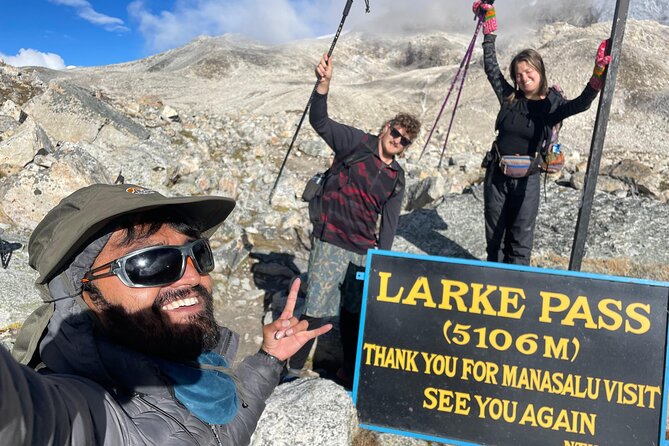
- Larkya La Pass day followed by a long downhill finish to Bhimtang
- Mani walls, chortens, and Tibetan-influenced villages as you rise in altitude
- A trek known for being less crowded than many routes in Nepal
First day in Kathmandu: pickup, then you start moving
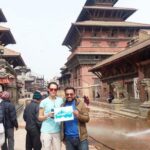
Your trip begins the moment you land at Tribhuvan International Airport in Kathmandu. You’ll have a representative from Wonder Himalaya waiting for you, holding a sign with your name. That’s one of those small details that matters in Nepal, where getting from airport chaos to calm logistics can make or break day one.
Even if Kathmandu feels busy, you’re not left alone to figure things out. This is a private activity, so it’s set up around your group rather than random drop-offs. If you’re arriving alone, this setup can reduce stress fast because you’ll already have a point of contact.
You’ll also want to keep your expectations realistic: Kathmandu is not the trekking experience. Day one is about getting organized, sleeping well, and preparing for the long drive and first trekking day.
You can also read our reviews of more hiking tours in Kathmandu
Riding toward Machcha Khola: Trishuli and Budhi Gandaki views from the road
On day two you leave Kathmandu early and head toward Maccha Khola by scenic drive. You’ll pass big river scenery, including views connected to the Trishuli and Budhi Gandaki River systems. This matters because it frames what the trek feels like: the mountains are the main event, but the valley energy and river valleys are the route’s backbone.
After an early breakfast, you’re basically trading city time for motion. You’ll likely feel the rhythm of the trip here. Roads in this part of Nepal can be slow and bumpy, so this is also a good place to practice patience and settle into a “long travel days are part of the deal” mindset.
At the end of day two, you sleep in the Machcha Khola area. That first night is a soft landing before you start trekking through the forested lower elevations.
Jagat to Namrung: subtropical forests and suspension bridges that keep you alert
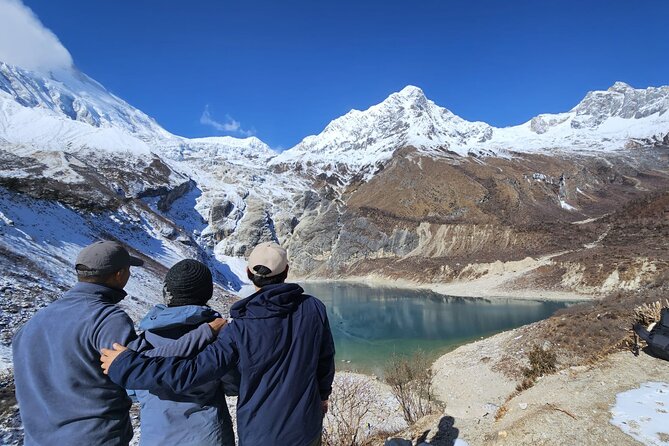
Day three is your official start on foot. You trek from Maccha Khola toward Jagat through lush subtropical forests and along the Budhi Gandaki River. You’re not yet in the high-alpine zone, but this is where the trail teaches you pacing: consistent uphill and downhill, steady breathing, and lots of time to look around.
Expect early steps that feel easier than later days, but don’t mistake that for a free pass. The terrain is still active, and the humidity can feel different than what you imagine from photos of the Himalaya.
Day four continues with a trek from Jagat through dense forests and colorful rhododendron. You’ll cross multiple suspension bridges swaying above rushing rivers and streams. This is one of the best parts for many people because it’s both dramatic and practical: bridges force you to slow down, take in the gorge, and keep your footing while the team navigates the route.
By day five, you move onward from Deng toward Namrung. The trek runs through both Bihi Phedi and Bihi, where Tibetan influence shows up more clearly. That shift in culture is not just scenery. It’s a sign you’re moving deeper into the Manaslu region’s unique mix of Himalayan life and Buddhist traditions.
Namrung to Shyala to Sama Gaon: pine, rhododendron, and Buddhist trail markers
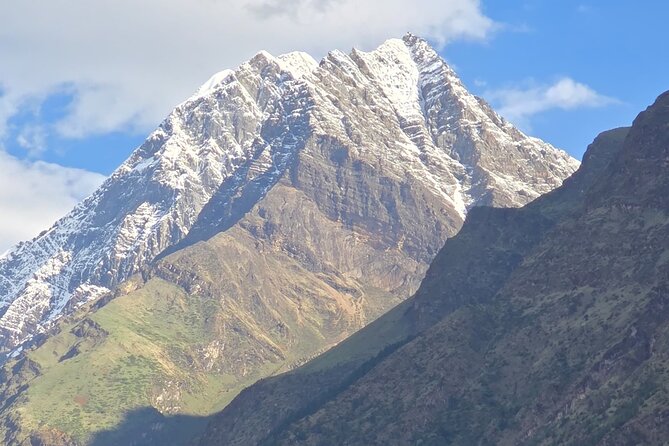
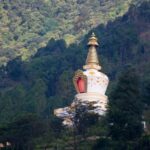
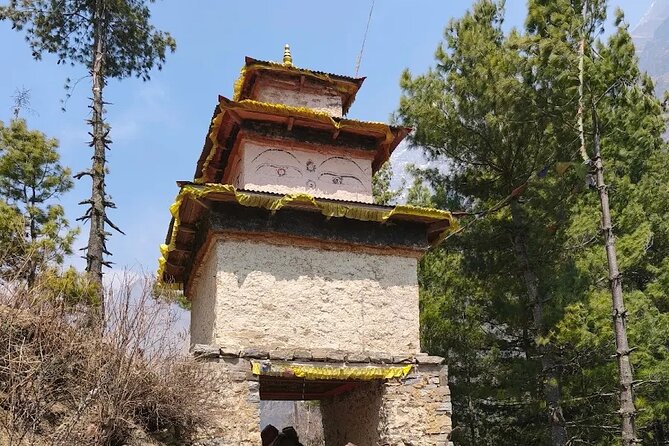
Day six starts with a trek from Namrung to Shyala. You’ll ascend through rhododendron and pine forests. Along the way, you pass through traditional Buddhist markers like mani walls and chortens. I like days like this because they make the route feel like a living place, not a straight line from village to village.
These details also help you measure altitude change even when you’re not thinking about it. As you climb, the forest shifts, the air gets sharper, and the walk turns into a rhythm. The monasteries and prayer structures keep showing up, which makes the trek feel meaningful beyond the views.
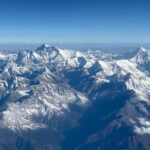
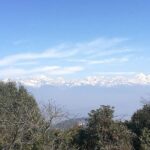
Day seven takes you from Shyala to Sama Gaon. This is a big scenery day. You move through alpine forests and open ridges with expansive views of the Manaslu massif. You’ll also keep encountering traditional mani walls, so the cultural thread stays strong while the mountain thread grows stronger.
Sama Gaon is a key stop because it sets up day eight, your acclimatization and rest day. That’s not “extra time.” It’s a smart move for how you feel on the pass day later.
Sama Gaon acclimatization day: Birendra Taal plus Labrang Gompa
Day eight is your built-in pause. After a long day on the trail, you rest in Sama Gaon and dedicate the day to acclimatization and getting mentally ready. This is the day that makes or breaks your comfort later, because crossing high passes is easier when your body has a chance to adjust.
You also get a short-day hike to Birendra Taal Lake, named after King Birendra of Nepal. Even if you go slow, the point is to move without exhausting yourself. Then you visit Labrang Gompa, also referenced as Kargya Chholing monastery, where monks do blessing ceremonies.
The value here is you get a real cultural moment during the trek, not just another photo stop. It’s also a practical break from constant uphill travel. If you tend to rush, this day teaches you a better approach: recover, then climb.
Expect the day to feel like a blend of calm and purpose. It’s not a full sightseeing marathon, but it gives you just enough variety to keep spirits up.
Samdo and prayer-flag country: rising into rockier trail days
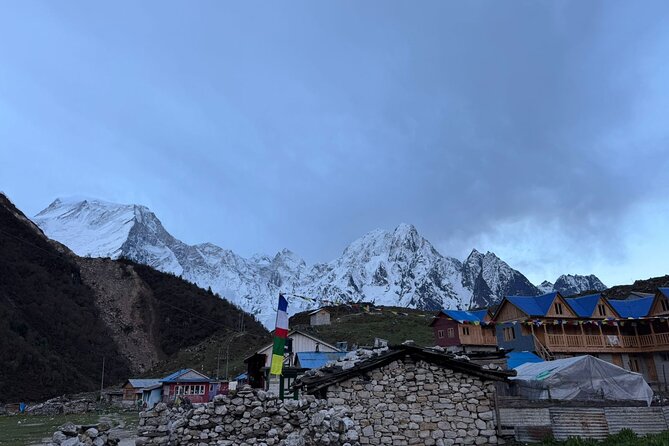
Day nine continues upward toward Samdo Village from Sama Gaon. As you gain elevation, the walking environment shifts. The trek becomes more exposed, and the views take over your attention. Manaslu starts watching over you more directly as the route climbs.
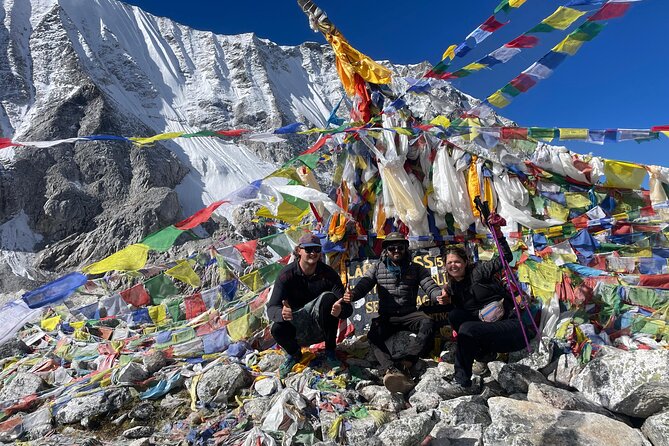
By day ten, you trek higher into a more rugged feel with rockier paths. You’ll see amazing views of Manaslu and nearby mountains, and you’ll notice prayers flags fluttering along the route. That’s one of those details that sounds simple, but it really changes the mood. Flags turn a trail into something spiritual and human-scale.
Day ten also tends to make you focus. You’re not just admiring the mountain; you’re managing your effort. The best strategy is staying steady with your breathing and not racing uphill because the reward is coming on the next day.
Larkya La Pass to Bhimtang: the high point and the payoff
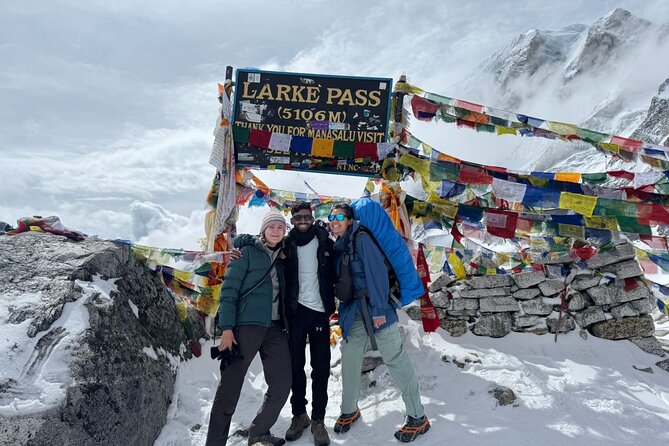
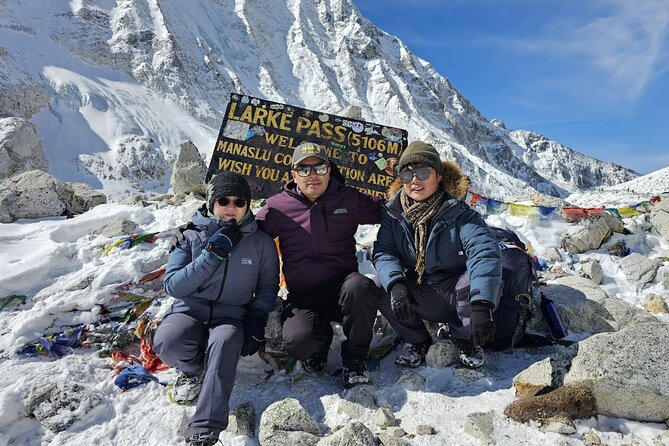
Day eleven is the day you cross Larkya La Pass. You start early with breakfast, then head out with the anticipation that comes from knowing today is the big milestone. After crossing the pass, you trek toward Bhimtang, reaching it through a downhill journey that can take several hours.
This is the classic structure of high-pass trekking: a push over the top, then a long descent. It’s demanding in different ways. The climb asks for stamina and controlled effort. The descent asks for strong legs and careful foot placement, especially if weather changes.
Day eleven ends with a night in Bhimtang, and you also get mountain views with snow-capped scenery when you settle in. That matters psychologically. A lot of hard treks feel better once you can stop moving and just take in what you worked for.
Day twelve continues with descent into lower elevations from Bhimtang. The trail shifts back toward pine and rhododendron forests. You’ll also get occasional glimpses of distant mountains as you walk.
This day tends to feel like a release. You’re not done, but the strain eases compared to pass day. It’s still a trek day, so you’ll want to pace it and hydrate.
Besisahar by jeep and a Kathmandu finish that feels earned
Day thirteen is the long travel day out. You leave Bhimtang after breakfast and begin descent into the lower world again. Then comes the drive: first a jeep ride to Besisahar, with the chance to explore some scenery from the window while the road brings you down from trekking rhythm.
The itinerary notes rough-road travel and the sequence of getting to Besisahar. It’s not glamorous, but that roughness is also part of what makes the trek feel complete: you’re switching from mountain pace to road pace.
On day fourteen you’re finished on foot. You bid farewell and get your transfer to Tribhuvan International Airport. This final day is short, so pack smart. You’ll want your documents ready and your luggage organized so you’re not scrambling at the end.
Why this route can feel less crowded and more real
Manaslu Circuit is famous for the Manaslu Conservation Area, a protected zone around the eighth-highest peak, Mt. Manaslu (8,163 m). The trek also moves through areas tied to the Annapurna Conservation Area and involves restricted access permits. That protection and permitting system is part of why the route is often described as less crowded than some other popular Himalayan options.
What that can mean for you on the trail: fewer crowds can translate into quieter village moments, more peaceful views, and less competition for the best angles at viewpoints. You still get plenty of trekkers, but the vibe tends to feel calmer.
The region is also known for Himalayan wildlife such as Himalayan tahr, blue sheep, and even the chance of spotting snow leopard. You should treat wildlife as a bonus, not a promise, but having the possibility is part of what makes Manaslu feel like real mountain country rather than a theme-park trail.
And culturally, this route keeps changing. You get Tibetan influence in villages like Bihi and Bihi Phedi, plus Buddhist markers and monastery visits. That mix is a big reason people remember Manaslu after the legs are tired.
Price and value: what $1,099 buys you in real terms
At $1,099 per person for a ~14-day trek, you’re buying a bundle of things that add up quickly if you plan them yourself. This package includes:
- Permits (Manaslu Conservation Area Permit, Annapurna Conservation Area Permit, Restricted Area Permit)
- An experienced government-registered trekking guide
- Oxi-meter monitoring for heart rate and oxygen saturation
- Trek gear essentials like a down sleeping bag and walking poles
- Meals: breakfast (13), lunch (11), dinner (11)
- Transport legs: Kathmandu to Machikhola, plus Tilche to Besisahar, Besisahar to Kathmandu
When you price those pieces separately, you can see why the number can feel reasonable even before you think about the mountain day itself. You’re not just paying for movement. You’re paying for planning, permits, food support, and guided navigation.
That said, you should budget for the items that are explicitly not included: coffee/tea, alcoholic beverages, bottled water, snacks, personal expenses, electronic re-charge, plus travel insurance and medical evacuation coverage. If you’re the type who runs on lots of caffeine and snack breaks, those costs can climb.
In plain terms: if you want a well-run package with fewer logistics headaches, this price can feel like good value. If you plan to cover many extras anyway, your final spend will be higher.
Guides and support: safety that doesn’t feel robotic
One reason this trek gets high marks is the care shown by the guide team. In the feedback, Santosh is repeatedly mentioned for keeping an eye on everyone and not letting people get left behind. Another shared experience mentioned Niranjan as a key contact for choosing the right offer based on preferences, with Pradip referenced in connection with the planning.
Even with perfect planning, a trek is still physical and altitude matters. That’s where the oxi-meter inclusion becomes more than a gadget. It gives your guide a way to track your oxygen saturation and heart rate during the trek, which supports smarter pacing and earlier attention if something feels off.
You also get strong support in the background through the guide, porters, and crew mentioned in the trip overview. You still need to do your part, but you’re not carrying everything and making every decision solo.
In high mountain terrain, good group management matters. A guide who waits, checks, and keeps the pace fair isn’t just nice. It helps keep the whole trek enjoyable.
What to pack and what to expect when coffee is not included
A lot of trekking lists assume you already have the gear. This package helps by including a down sleeping bag and walking poles, which is a real advantage if you’re traveling light or unsure what to buy in Kathmandu.
Still, the list of exclusions is important. You should plan to cover your own:
- Coffee and/or tea
- Alcoholic beverages
- Bottled water
- Snacks
- Personal expenses
- Electronic device re-charge
Because those items aren’t included, I suggest you carry a little extra cash and keep some flexibility for rest stops. If you’re picky about hydration or prefer certain snacks, bring them or budget for them along the route.
For clothing and comfort details, the tour data doesn’t specify a packing list, so you’ll want to build your packing plan based on mountain trekking basics and the fact that you’re crossing Larkya La Pass day. Layers and weather protection will matter.
Who should book this Manaslu Circuit trek
This is best for you if:
- You have moderate physical fitness and can handle long walking days
- You want Himalayan views plus cultural moments (mani walls, monasteries, Tibetan-influenced villages)
- You prefer a trek with fewer crowds than some other routes
- You value a staffed, guided package with permits, meals, and key logistics handled
It may not be the best match if you want a fully independent experience, because this is a private tour/activity with support and a set structure. It also may not suit you if you’re hoping for many included comfort extras like drinks and snacks, since those are not part of the package.
Also, keep altitude in mind. The route includes a planned rest and acclimatization day, which is a big plus for most people.
Should you book Wonder Himalaya for the Manaslu Circuit?
If you want a well-supported Manaslu Circuit trek where the hard work is the mountain walking, not the paperwork and logistics, this is a strong choice. The package is built around key needs: permits, a government-registered guide, meals, essential gear, and practical health monitoring via an oxi-meter.
I’d especially consider booking if you’re traveling with a group and want someone to manage the pacing and keep the team together. The guide support mentioned by name in feedback, like Santosh, is exactly the kind of thing that makes a demanding trek feel manageable.
My quick advice: do budget for extras like tea/coffee, snacks, and bottled water, and plan to bring smart layers for the pass day. If you do that, you’ll likely come away with the kind of mountain memories that don’t fade after the soreness does.
FAQ
How long is the Manaslu Circuit trek on this itinerary?
It runs for about 14 days.
Where does the trek start and is pickup included?
The trip starts in Kathmandu, and pickup is offered from Tribhuvan International Airport.
What permits are included?
The package includes permits for the Manaslu Conservation Area, Annapurna Conservation Area, and a Restricted Area Permit.
Do I get a guide?
Yes. You’ll have an experienced government-registered trekking guide.
Is any oxygen or health monitoring included?
Yes. An oxi-meter is included to check heart rating and oxygen saturation.
What trekking equipment is provided?
A down-filled sleeping bag and walking poles are included.
Are meals included?
Yes. Lunch is included for 11 days, dinner for 11 days, and breakfast for 13 days.
What transportation is included between Kathmandu and the trekking areas?
Public transportation is included for Kathmandu to Machikhola and Besisahar back to Kathmandu, plus transport between Tilche and Besisahar.