REVIEW · EVEREST BASE CAMP TREKS
Kathmandu: Everest Base Camp Helicopter Tour
Book on GetYourGuide →Operated by Everest Experience and Assistance · Bookable on GetYourGuide
Everest, minus the 14-day trek. This helicopter day from Kathmandu is built for close Himalayan views and a real sense of arrival at Everest Base Camp. I love two things most: the small-group setup (up to 5 people) with hotel pickup, and the chance to see Kalapatthar and Everest sights from the air, then top it off with breakfast at extreme altitude. The big consideration is weather: even if your plan is tight on paper, fog, wind, or clouds can cause waiting, reroutes, or even a next-day change.
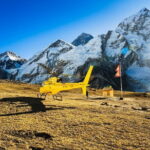
You’ll be flying with Everest Experience and Assistance in a chartered helicopter that includes oxygen tanks inside the aircraft for emergencies. The route has a built-in Nepal reality check: you’ll typically stop at Lukla (Tenzing Hillary Airport) for refueling, then continue into the Everest region for flyovers and photo time before returning to Kathmandu.
In This Review
- Key moments that make this helicopter day feel special
- How the Kathmandu to Everest flight really works (and why Lukla is part of the plan)
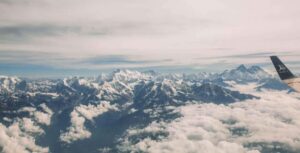
- Kalapatthar and Everest Base Camp from the air: the view plan you’ll care about
- Breakfast at Hotel Everest View (3,880 m): the meal with the best table in the world
- Weather reality: delays, reroutes, and how to plan your Kathmandu days
- Price and value: what $1,863 buys (and what costs extra)
- Comfort, rules, and packing: what keeps the day smooth
- Who should book this Everest Base Camp helicopter tour
- Should you book this tour or not?
- FAQ
- How long is the Kathmandu to Everest Base Camp helicopter tour?
- What’s included in the price?
- Is breakfast included?
- Are national park fees included?
- What happens if weather is bad at Hotel Everest View?
- Is this tour a small group?
- What should I bring with me?
- Is luggage allowed?
Key moments that make this helicopter day feel special
- Window-seat viewing all day: you’re set up to look out continuously during the flight segments.
- A Lukla refuel stop in the middle of the adventure: a short landing that keeps the rest of the route possible.
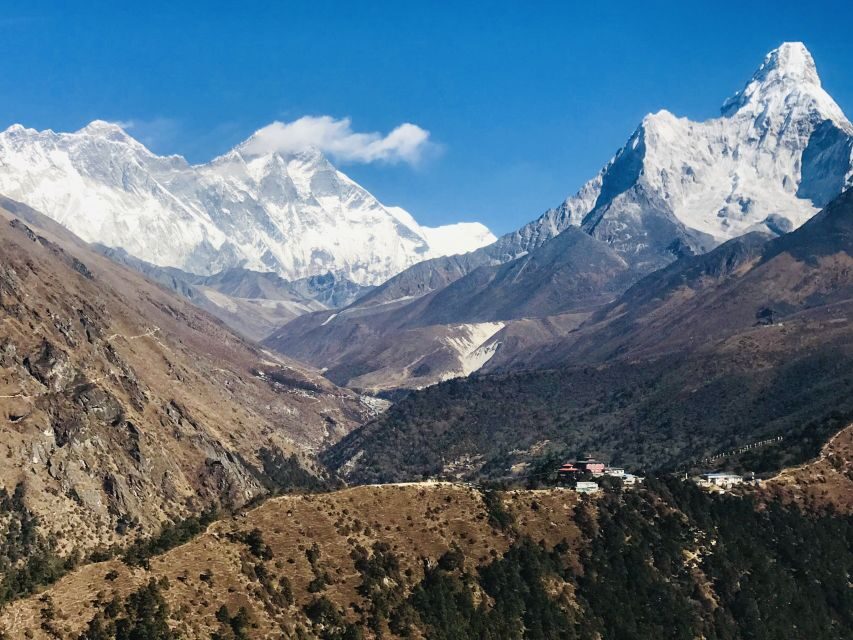
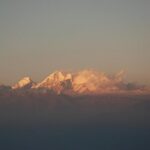
- Flyovers with named landmarks: Namche Bazar, Pheriche, Tengboche Monastery, Gorakshep, and the Everest corridor.
- Kalapatthar as the photo target: the famous viewpoint above Everest Base Camp, built for quick, dramatic pictures.
- Breakfast at Hotel Everest View (3,880 meters): the meal is part of the experience, not just a perk.
- Small group pacing: with limited seats, the flow feels controlled rather than rushed-chaotic.
How the Kathmandu to Everest flight really works (and why Lukla is part of the plan)
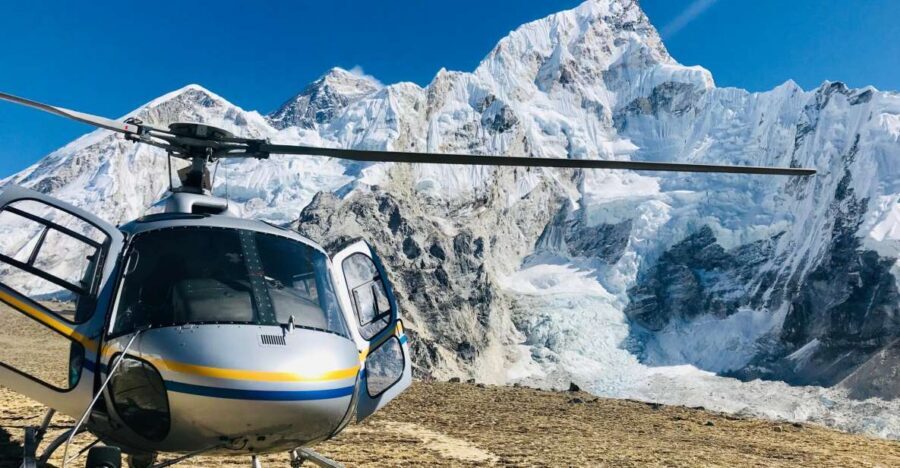
This is not a quick hop over Everest. It’s a carefully structured flight day that starts with an early pickup from your Kathmandu accommodation and a transfer to Tribhuvan International Airport’s domestic area. After some preparation time, you get a safety briefing before takeoff.
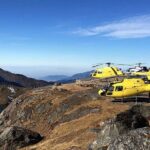
The flight is routed in segments. First, you fly toward Lukla, landing briefly (about 10–15 minutes) for refueling. That Lukla stop matters more than it sounds. Lukla sits at 2,860 meters, and getting fuel on board there helps make the rest of the day’s timing and sightseeing feasible. It also gives you a moment—however short—to appreciate how the Everest region is stitched together by altitude and air access.
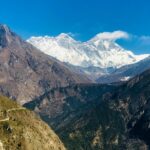
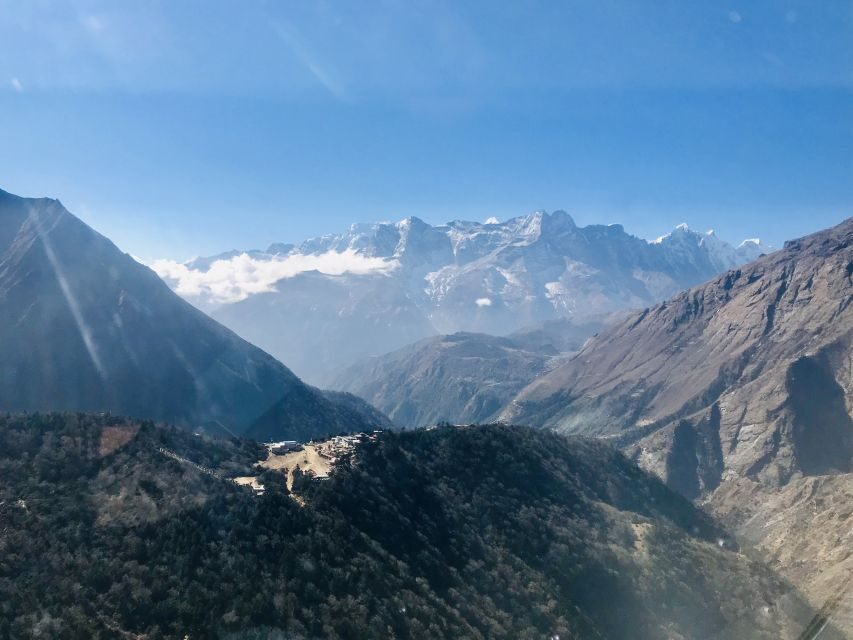
After refueling, the helicopter continues into the Everest area for flyover time. You won’t just see peaks in the abstract. You’ll pass over named settlements and landmarks such as Namche Bazar, Pheriche, Tengboche Monastery, and Gorakshep, which helps the region feel less like a blur of mountains and more like a real place with a route and rhythm.
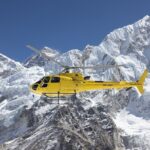
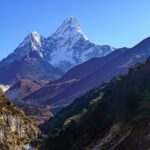
Also note the “you’re close” factor. The experience is designed so you fly over Everest Base Camp and Kalapatthar very closely—close enough that the views can feel like you’re almost on the ground, even though you’re still in the air.
You can also read our reviews of more tours and experiences in Kathmandu
Kalapatthar and Everest Base Camp from the air: the view plan you’ll care about
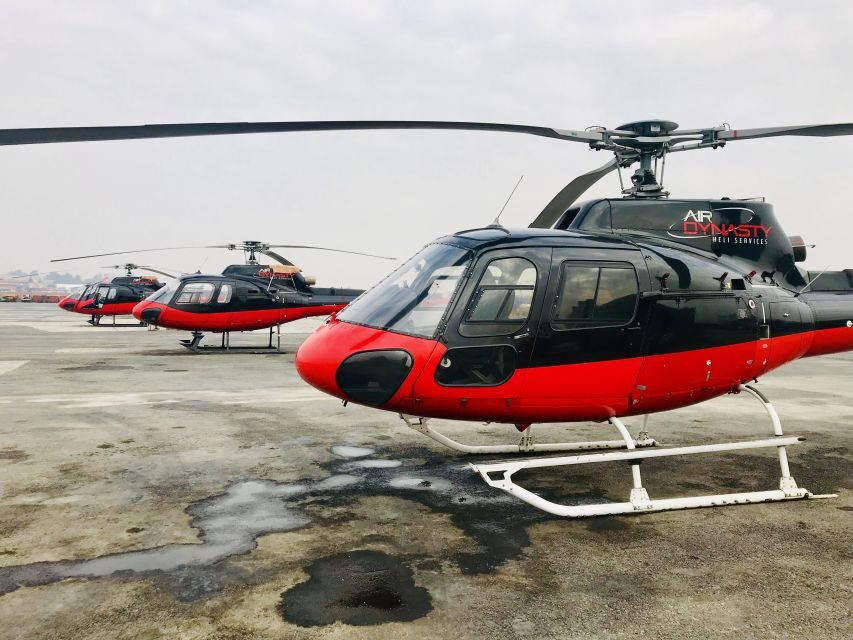
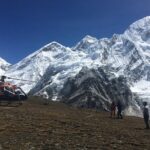
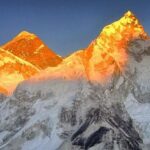
Kalapatthar is the big moment for photos and “how is this real” feelings. It’s described as 200 meters above Everest Base Camp, and the tour is built around getting you there in the best possible way—time for looking, taking pictures, and absorbing the scale of snow-covered peaks.
What makes this portion work is timing plus access. You’re not waiting on a multi-day trek schedule. Instead, the helicopter flight brings you into position, then you get a concentrated window to take in the mountain views. That’s why this kind of tour appeals to people who want Everest without spending two weeks walking up and down steep trails.
During the flight, you’ll also see the Khumbu Glacier area. That glacier view is one of the “this region is alive” moments—ice that looks detailed from the sky, with sharp contrast against rock and snow. The experience is set up so you can scan across the glacier and then connect it visually to Everest Base Camp and the Kalapatthar viewpoint.
You’ll also likely spend time with the logistics of positioning: looking around at the viewpoint, guided guidance during the stop, and time to photograph. And because the seats are arranged as window seat access, you’re not stuck facing the wrong direction when the helicopter banks.
One more detail worth knowing: you may get a landing near Pheriche with short ground shuttles to get you to the right spots for the closest E.B.C / Kalapatthar viewing window. Even when you’re not on the ground the whole time, the flight pattern keeps you oriented toward the same targets.
Breakfast at Hotel Everest View (3,880 m): the meal with the best table in the world
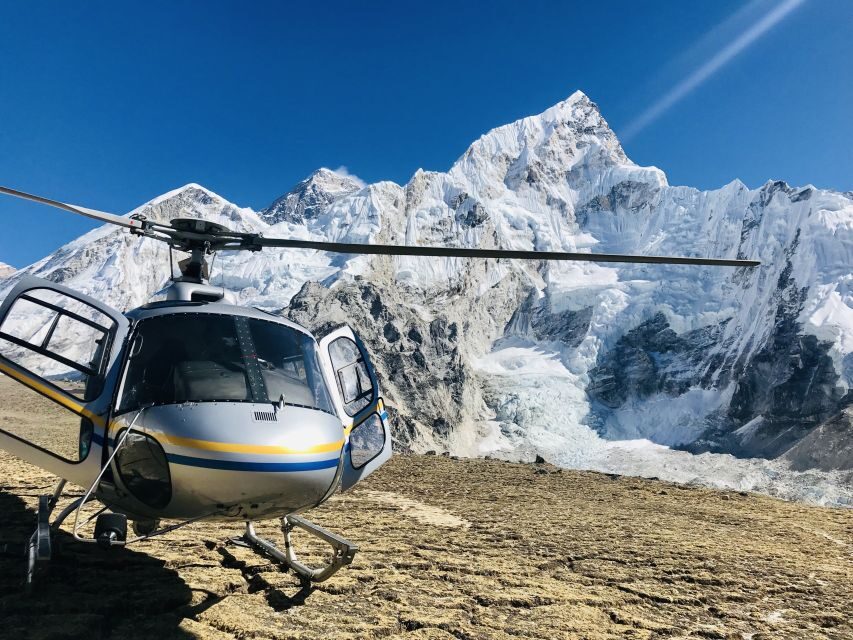
The breakfast is where the tour becomes more than scenery. You’ll head to Hotel Everest View at 3,880 meters, and the plan includes an open terrace setup with mountain views. The breakfast break is roughly 45 minutes, which is long enough to eat without feeling like you’re rushing between flight legs, but short enough that you’re not hanging around at altitude longer than needed.
Here’s why it matters in real life: at that height, your body is working a little differently and the air feels thinner, so the value isn’t just the novelty. It’s the feeling of pausing right at the edge of the Everest world—then moving on while everything is still within your control.
If weather at Hotel Everest View isn’t good, the plan changes. You’ll land at Lukla or another location in the region for breakfast instead. That backup approach is important. It reduces the odds you’ll end up with a canceled day entirely just because one specific landing spot isn’t safe or clear.
It also means you should treat breakfast as part of the itinerary’s logic, not a guarantee of one exact table. The goal stays the same: you’re eating with Everest views in front of you, even if the exact point shifts slightly for visibility.
Weather reality: delays, reroutes, and how to plan your Kathmandu days
Let’s talk about the elephant in the cockpit: weather. In this region, clouds, wind, and visibility can change quickly, and helicopter tours must work around safe flying conditions.
The day is usually designed for about 4.5 hours total. But real-world timing can stretch. One traveler described waiting around an hour due to weather and still completing the tour. Another experience was much longer, with the trip ending up far beyond the expected time because the weather affected the return from Lukla, and they had to manage overnight logistics themselves.
So here’s the practical advice I’d give you: keep one or two flexible days in your schedule if possible. If the flight gets canceled due to poor weather, the tour can be rescheduled to the next day or so. If you do not have flexibility and the flight doesn’t happen because of weather, you should expect a refund, though transportation you already used to get to the airport may not be covered.
This is also why it helps to mentally separate the trip into two goals:
1) Get airborne into the Everest corridor
2) Get the best visibility window possible for Kalapatthar and the breakfast stop
If weather forces a change, the operator’s job is to adjust the route to protect your chances of still getting those “Everest moments.”
Price and value: what $1,863 buys (and what costs extra)
The price is $1,863 per person, which is not pocket-change. The question is what you’re paying for, beyond the wow factor.
You’re paying for:
- A chartered helicopter flight (not shared chaos)
- Hotel pickup and drop-off in Kathmandu
- A small group format (limited to about 5 participants)
- Safety gear, including oxygen tanks inside the aircraft
- Company charges, plus a live English-speaking guide
That’s a strong value proposition if your alternative is a long trekking itinerary. This is essentially a way to see key Everest locations in a few hours that many people spend weeks trying to reach.
What’s not included:
- Breakfast at Hotel Everest View (about $30 USD)
- National park fees (about $50 USD)
- Airport tax (about $5 USD)
Those add-ons aren’t huge compared to the main cost, but you should budget for them so the total doesn’t surprise you later. Also, the helicopter day is weather-dependent, so part of the value is how well the company communicates and adjusts when conditions change. Clear communication and professional piloting come up as major strengths in positive experiences, while less helpful coordination can be a weak spot when schedules shift.
Bottom line: this isn’t cheap, but if Everest is the goal and you’d rather trade steep trails for a cockpit window, the structure makes sense.

Comfort, rules, and packing: what keeps the day smooth
This type of flight is short, but it’s still an altitude experience. You’ll want to be ready for cold and sun.
Bring:
- Passport or ID card
- Warm clothing (seriously)
- Sunglasses
- Sunscreen
- Cash
Don’t bring:
- Luggage or large bags
That last rule is more important than people think. Helicopter space is tight. If you show up with bulky bags, you’ll waste time and probably end up stressing about where everything goes.
Also keep in mind: this tour is not suitable for pregnant women, people with mobility impairments, or wheelchair users. That’s not just a “comfort” note. It reflects the practical side of getting to the aircraft, managing transfers, and spending time at high altitude.
One more practical point: you’re flying high and also going out at viewpoint altitude. If you’re sensitive to altitude, treat this as a serious health consideration. The oxygen tanks being onboard helps, but it doesn’t turn it into a zero-risk situation.
Who should book this Everest Base Camp helicopter tour
This helicopter day is a good fit if you:
- Want Everest views without committing to a long trekking schedule
- Like clear structure with minimal ground travel
- Value small-group pacing and window-seat sightseeing
- Have some schedule flexibility for weather changes
It’s also a good fit for photographers who want targeted photo time at Kalapatthar and close Everest-area viewing from the air. You get the big highlights without spending days getting there.
It might not suit you if:
- You need predictable timing down to the hour
- You hate any risk of wait time or rerouting
- You’re traveling with accessibility needs that can’t be accommodated on this type of helicopter operation
Should you book this tour or not?
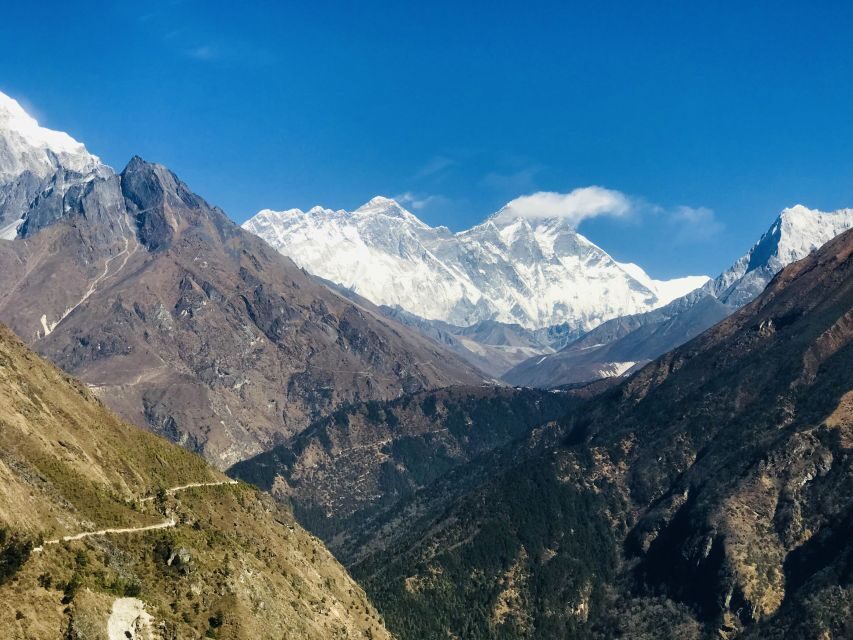
I’d book it if your main goal is to see Everest Base Camp and Kalapatthar views without trekking, and you can handle altitude and possible weather delays. The overall payoff is strong: the flight brings you through the Everest corridor, the stop at Kalapatthar is purpose-built for photos, and breakfast at Hotel Everest View gives the day a real emotional peak.
I’d pause if you’re on a hard, no-flex calendar or you’d struggle with an itinerary that can stretch when weather changes. This is one of those experiences where being flexible isn’t a nice-to-have—it’s part of the success formula.
If you do book, plan to travel light, dress for cold, and give yourself at least a bit of buffer time in Kathmandu. When conditions line up, this is one of the fastest ways to get very close to Everest without spending weeks on the trail.
FAQ
How long is the Kathmandu to Everest Base Camp helicopter tour?
The duration is listed as about 4.5 hours, though weather can affect timing.
What’s included in the price?
Included are hotel pickup and drop-off in Kathmandu, one chartered helicopter flight, company charges, and oxygen tanks inside the aircraft for emergencies.
Is breakfast included?
No. Breakfast at Hotel Everest View is not included (about $30 USD).
Are national park fees included?
No. National park fees (about $50 USD) are not included.
What happens if weather is bad at Hotel Everest View?
If weather isn’t good there, the tour may land at Lukla or another location in the region for the breakfast.
Is this tour a small group?
Yes. It’s limited to a small group of up to 5 participants.
What should I bring with me?
Bring your passport or ID card, warm clothing, sunglasses, sunscreen, and cash.
Is luggage allowed?
No. Luggage or large bags are not allowed.