REVIEW · EVEREST BASE CAMP TREKS
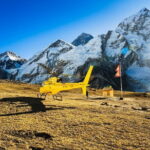
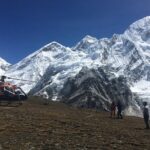
Everest Base Camp Helicopter Tour landing at Hotel Everest View
Book on Viator →Operated by Adventure White Mountain Pvt.Ltd · Bookable on Viator
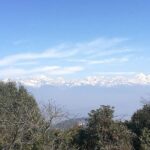
Everest in a few hours, from your hotel. This helicopter experience is built for people who want Everest Base Camp views fast, with flyovers that include Kala Patthar for that close, dramatic look at the world’s highest peaks. You’re also given a few scenic landing and stop moments that make the time feel fuller than the clock suggests.
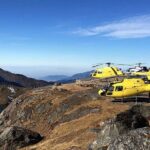
I especially love how the day is paced: it’s not just a single in-and-out flight. You get multiple viewpoints and stop breaks, including a landing-style pause at the Hotel Everest View area if conditions allow, usually giving about an hour there.
The second thing I like is the window-seat strategy. When the group gets larger (more than three people), the operation can split you so you still get window seats for the Everest Base Camp portion.
One consideration: this is weather-dependent. If visibility and conditions aren’t right, plans can change or the experience can be canceled and moved to another date, or refunded.
In This Review
- Key things that make this helicopter tour work
- Why this is the fastest, most efficient Everest experience from Kathmandu
- Aircraft choice and route timing: what the 4–6 minutes really means
- Kathmandu Valley to the Base Camp area: the day gets real quickly
- Lukla stop: a short fuel break with a big meaning
- Pheriche window-seat planning: the operation’s trick for comfort
- Everest Base Camp flyover and the Kala Patthar payoff
- Hotel Everest View landing and optional breakfast: warm reset if weather allows
- The return to Kathmandu: route choices depend on fuel and conditions
- Price and value: what you’re paying for, and what adds up
- Weather, cold, and your packing reality (read this part twice)
- Weight limits and who should text after booking
- Quick tips that can help your day go smoother
- Should you book the Everest Base Camp helicopter tour landing at Hotel Everest View?
- FAQ
- How long is the Everest Base Camp helicopter tour?
- How long is the helicopter flight time?
- Is hotel pickup and drop-off included?
- Is breakfast included at Hotel Everest View?
- What extra fees are not included in the price?
- Do I need to bring my original passport?
- What temperatures should I prepare for?
- What happens if the trip is canceled due to weather?
- Can I cancel for free?
Key things that make this helicopter tour work
- Kala Patthar viewing: the short ride is designed around the classic close-up perspective of Everest
- Multiple landing/stop moments: you’re not only flying; you also get brief time at key points for photos
- Window-seat planning at Pheriche: group-splitting helps keep seats near the glass for the Base Camp part
- Hotel Everest View pause (optional): if weather cooperates, you can stop there for breakfast
- Pilot-led route choices: the captain may adjust the return path depending on fuel and conditions
Why this is the fastest, most efficient Everest experience from Kathmandu
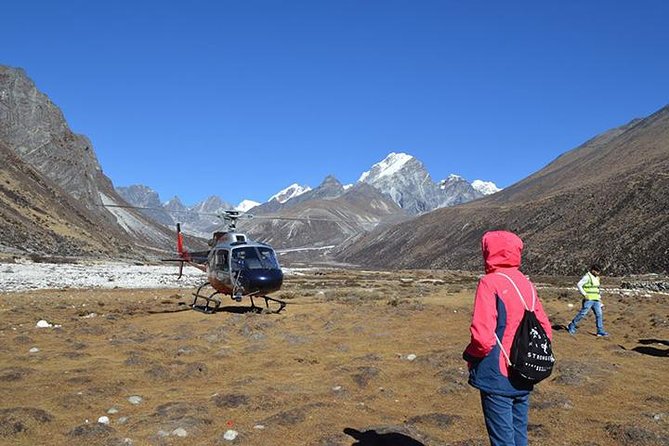
If you only have a few days in Nepal, a helicopter tour is the cleanest way to get the Everest story without weeks of trekking. From Kathmandu, you’re set up with hotel pickup and drop-off, then whisked to the airport for a day that’s listed as about 4 to 6 hours total.
Yes, the pure helicopter air time is short (listed as 4 to 6 minutes), but that doesn’t mean it’s skimpy. The operation builds in several viewing stops along the way, plus multiple landing points for pictures. The goal is simple: maximize what you see in the limited time you’re spending on the mountain side.
Also, the group size is small. It’s a shared group format with about 5–6 passengers and a pilot, and the overall tour caps at 15 travelers. Smaller groups usually mean fewer headaches and less waiting around.
You can also read our reviews of more tours and experiences in Kathmandu
Aircraft choice and route timing: what the 4–6 minutes really means
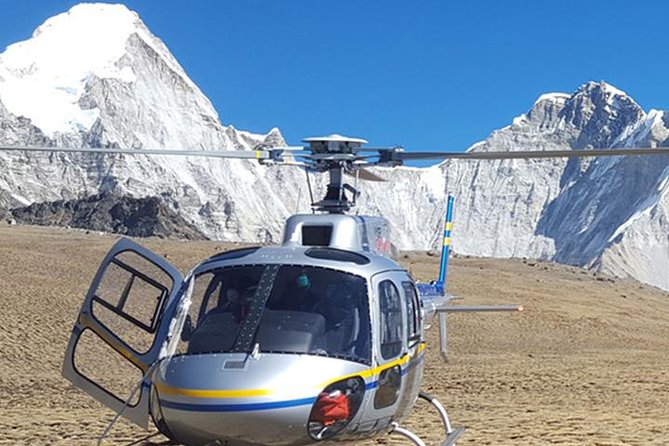
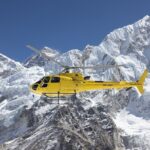
You’ll fly on a helicopter model listed as either Airbus H125 / Eurocopter 350. That matters because this is not a long-haul aircraft day. You’re in-and-out of viewpoints quickly, with the pilot and operator timing the flight around weather windows.
Here’s the practical reality: your “wow moments” come in bursts. You’ll have short in-air segments, plus pauses on the ground. Those pauses are brief, but they’re part of how you get more variety in angles—especially on the way to and around the Base Camp region.
Because of that, you’ll want to treat this as a photography-and-sky day. Plan to shoot and then re-shoot as you get new angles. The views change fast at altitude, and clouds can move in and out, so having your camera ready matters.
Kathmandu Valley to the Base Camp area: the day gets real quickly
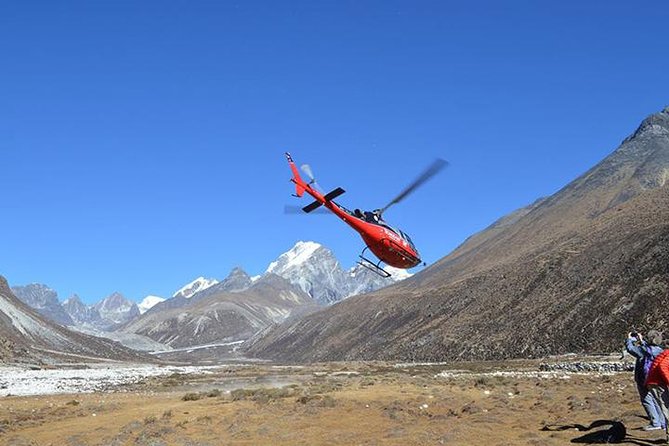
Your day starts with pickup from your hotel, then you go toward the airport area. From there, the experience includes a flyover of the highest viewpoint of the Base Camp area, before continuing on toward other stops.
This first phase is where you get oriented fast. Helicopter views don’t give you the slow, layered reveal you’d get on a trek. Instead, you get a quick “wide-angle impact,” which is perfect if you’re new to the Everest region and want instant context for what you’re looking at.
A quick note on the “feel” of this part: you’re moving through the Kathmandu area into the Himalaya zone, and that shift can be dramatic. Even if the air time is brief, the altitude change is enough that your body will feel it, so keep your breathing easy and don’t rush your photos.
Lukla stop: a short fuel break with a big meaning
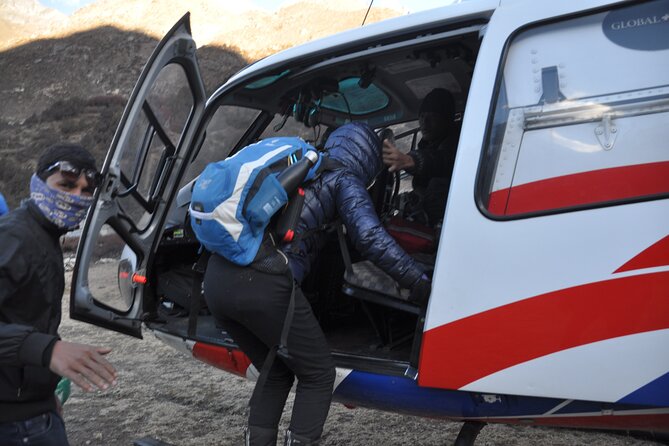
One stop is at Lukla. This is described as a fuel purposes stop, and it’s also tied to how trekkers begin their Everest journeys.
The practical takeaway for you: this stop is short (about 10 minutes), so don’t count on a long walkabout or a deep look around. What it gives is a sense of the route’s backbone. Lukla is a key gateway in the region, and even a brief pause helps your brain connect helicopter views to real trekking paths.
If you’re prone to motion sickness, this is a good moment to take a few calm breaths and settle your stomach early. The day has multiple segments, so managing it early helps.
Pheriche window-seat planning: the operation’s trick for comfort
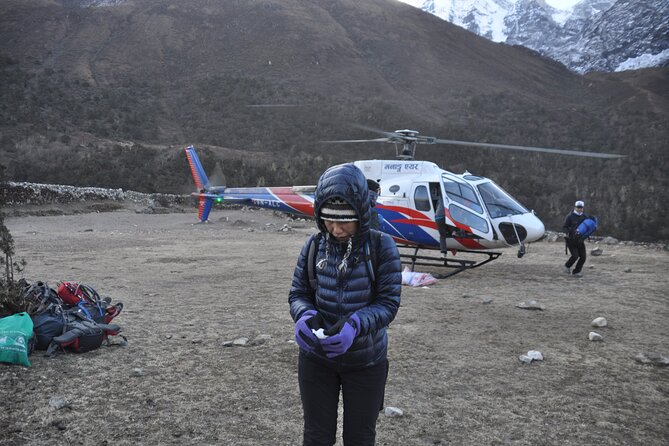
Next comes Pheriche, listed as a splitting point when there are more than three passengers flying together. Here’s the detail I appreciate because it’s actually operational, not just marketing: the plan can split the group so two people fly first, then three, with the stated goal that you get window seats guaranteed for the Everest Base Camp portion.
That means your best view isn’t left to chance. Helicopters can be hit-or-miss depending on how the group is seated, so this planning step is a real quality-of-experience factor for photographers and anyone who hates sitting behind someone else’s head.
There’s also a short stop time here (about 20 minutes). Treat it like a reset break: stretch a bit, check your camera settings, and confirm you’re ready when you’re called back toward the helicopter.
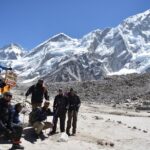
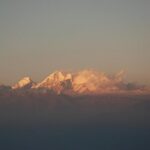
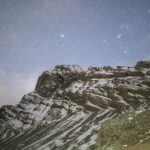
Everest Base Camp flyover and the Kala Patthar payoff
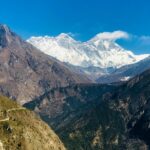
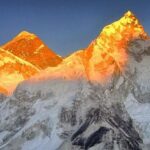
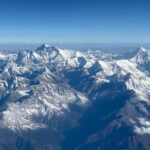
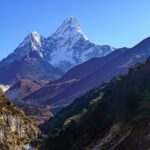
This is the heart of the day. You’ll get a Base Camp area experience and then fly over Kala Patthar for a strong view of Everest and surrounding peaks.
From the information provided, you can expect views of iconic mountains and features, including:
- Mount Everest
- Lhotse
- Pumori
- Nuptse (and nearby peaks are referenced as part of the view)
Kala Patthar is included specifically because it’s one of the places people use to judge Everest’s scale up close. From the air, you don’t get the trekking approach, but you do get a fast, dramatic perspective that many people find more instantly readable than some other viewpoints.
My practical tip: keep your expectations realistic for helicopter photography. You’ll get amazing angles, but you’ll also deal with quick lighting shifts. Shoot in short bursts, and don’t spend the whole ride staring through the lens. Take one deep look first, then switch to filming.
Hotel Everest View landing and optional breakfast: warm reset if weather allows
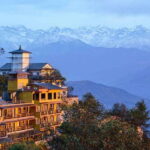
If conditions cooperate, there’s a landing-style stop at Hotel Everest View. It’s described as a breakfast point during the Everest helicopter flight, usually about one hour, but it’s explicitly subject to the weather.
Breakfast is listed as USD 31 per person and is not included in the base price. The amount matters because you should be ready to spend it if weather makes the stop possible. If it’s not possible, you’re not paying for an extra meal that day.
Why this stop is worth it: it gives you a pause to feel like the day has structure. Even a short meal break helps you reset before the return flight, and being on the ground briefly makes the entire experience feel more human—not just a string of airborne moments.
The return to Kathmandu: route choices depend on fuel and conditions
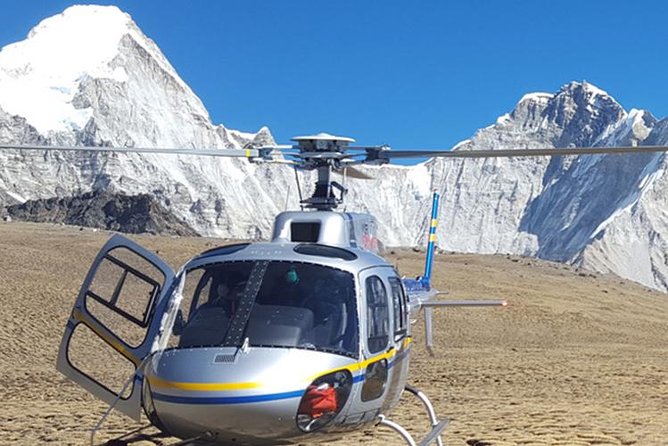
On the way back, you fly from the Everest region back toward Kathmandu. The return includes a helicopter landing, and it’s listed as about one hour total for this phase.
Here’s a useful detail: the captain can return either via Lukla or directly, depending on the fuel situation. So if you’re the kind of person who loves knowing what you’ll see next, don’t expect the exact same route both ways.
Still, your main reward is already built in: the Base Camp and Kala Patthar viewing is the core. The return becomes the calmer part of the day.
Price and value: what you’re paying for, and what adds up
The listed price is $1,600 per person, with pickup and drop-off included. For a helicopter day in Nepal, that cost buys you three big things:
- Time compression: you’re getting Everest region highlights without trekking days.
- Small-group structure: around 5–6 passengers per pilot, with an overall cap.
- Operational routing: multiple viewing stops and landing points designed around spotting the big peaks.
What’s not included is important to budget. You may need to pay:
- National park fee: USD 26
- Airport tax: USD 8
- Khumbu village development fee: USD 16
That’s about USD 50 in mandatory fees listed with the tour. On top of that, if weather permits, you can add optional breakfast at Hotel Everest View for USD 31.
So for many people, the real “all-in” day ends up closer to $1,650 plus any optional breakfast. In exchange, you’re paying for a very direct Everest experience that fits into a short window.
Weather, cold, and your packing reality (read this part twice)
This experience requires good weather. You should schedule it early in your Nepal trip because weather windows can be tricky in the Himalaya region.
For clothing, there are a couple of cold ranges listed. Plan for sub-freezing conditions like:
- Summer: around -5°C at higher points
- Winter: around -10°C at higher points
- Additional guidance also calls for warm jacket/dress around -2°C in winter and 0°C in summer/spring
The practical advice is simple: don’t rely on a thin layer. Bring a warm jacket from home if you can. The guidance also says you can buy warm clothing in Kathmandu before the trip.
Also make sure you have your documents handled lightly: a passport copy is enough, and the instruction says a picture on your phone works. No need to carry the original passport just for this part.
Weight limits and who should text after booking
There’s a listed total weight per passenger of 221 lbs (about 100 kg plus variations). It also says if your body weight is over 100 kg, you should send a text message after booking.
That’s not just small print. Helicopter capacity and balancing matter, so do this promptly once you confirm your booking.
Quick tips that can help your day go smoother
- If you want the best seat, keep an eye on the Pheriche window-seat plan when group size is larger than three.
- Bring your camera gear ready before you board. Cold air affects battery life fast, so keep spares warm.
- If you’re choosing dates, pick one that gives you flexibility. Weather can shift quickly, and this tour depends on it.
- If the breakfast stop at Hotel Everest View matters to you, have a plan for it not happening due to conditions. It’s explicitly weather-dependent.
Should you book the Everest Base Camp helicopter tour landing at Hotel Everest View?
I’d book this if you fit one of these situations: you’re short on time, you want Everest views without trekking, and you care about getting the classic perspective of Kala Patthar plus Base Camp in one day. The small-group setup and the window-seat planning detail at Pheriche make it feel designed for comfort, not just transport.
I’d think twice if weather reliability would ruin your trip. Since this depends on good conditions and can be moved or refunded when the minimum traveler requirement isn’t met or weather cancels it, you want date flexibility. Also, if your budget is strict, remember the base price plus the listed mandatory fees, and consider whether you’ll want the optional USD 31 breakfast.
If you do go for it, I’d also recommend asking for coordination support from the operator team. The name Dipak Sapkota appears as the person handling arrangements and follow-ups, and having a clear point of contact usually helps on a day where timing matters.
FAQ
How long is the Everest Base Camp helicopter tour?
The tour duration is listed as approximately 4 to 6 hours total.
How long is the helicopter flight time?
The flight time is listed as about 4 to 6 minutes, within the longer day that includes stops.
Is hotel pickup and drop-off included?
Yes. Hotel pickup and drop-off are included, and you provide your hotel name and address for pickup time.
Is breakfast included at Hotel Everest View?
Breakfast is optional. If the stop is available, it’s USD 31 per person, and it’s subject to weather.
What extra fees are not included in the price?
The tour lists compulsory fees not included in the price: National park USD 26, airport tax USD 8, and Khumbu village development fees USD 16.
Do I need to bring my original passport?
No. You can bring a passport copy, and the instructions say a picture on your phone works.
What temperatures should I prepare for?
You’re advised to bring warm clothing for cold conditions, including guidance like -2°C in winter and 0°C in summer, plus colder conditions at higher points (for example, -5°C in summer and -10°C in winter).
What happens if the trip is canceled due to weather?
If it’s canceled due to poor weather, you’ll be offered a different date or a full refund.
Can I cancel for free?
Yes. You can cancel up to 24 hours in advance for a full refund. If you cancel less than 24 hours before the start time, the amount isn’t refunded.