REVIEW · EVEREST BASE CAMP TREKS
Everest Base Camp Trek
Book on Viator →Operated by Himalayan Leisure, Inc. · Bookable on Viator
Lukla to Everest Base Camp is a logistics miracle. What makes this trek click is how much gets handled for you, from the Lukla flight experience to porters organizing your load so you can focus on breathing and walking. I also like the way the itinerary builds in acclimatization hikes with real options, so you’re not just grinding upward day after day.
One big consideration: Lukla weather can change everything. Your schedule includes a buffer in Kathmandu (and the tour is designed around good-weather needs), but you should still expect that flights can delay, especially on the way in or out of Lukla.
In This Review
- Key things I’d circle in advance
- The big idea: a managed Everest Base Camp trek for real pacing
- Kathmandu arrival and the low-stress start you’ll appreciate
- Lukla flight: the thrill, the risk, and how to get the best views
- From Lukla to Phakding: pine forests, bridges, and that first burn
- Acclimatization days: why options matter more than you think
- The trail to Pangboche: Imja Khola, climbing communities, and big views
- Dingboche to Dughla to the glacier zone: where oxygen starts talking
- Kalapatthar sunrise day: difficult for a reason, worth it for the view
- Getting back down: Debuche, Tengboche, and the rhythm of descent
- The Lukla return and Kathmandu buffer day
- What you actually get for the price: value that’s more than the number
- Guide and porter support: the difference between surviving and enjoying
- Who this trek is best for (and who should think twice)
- Should you book this Everest Base Camp trek?
- FAQ
- How long is the Everest Base Camp trek?
- Where does the trip start and end?
- Are airport transfers included in Kathmandu?
- Are meals included?
- Does the tour include Everest National Park entry and TIMS registration?
- Does the tour include flights to Lukla?
- What trekking gear is provided?
- Who carries the trekking gear?
- Is international airfare, visa fees, or medical evacuation included?
Key things I’d circle in advance
- Lukla airport flying: one of Nepal’s most adventurous domestic flights, with tips to chase the best views
- Gear included up front: down jacket, sleeping bag, and a duffel bag you return after the trek
- Porters do the heavy lifting: your guide handles the rest, letting you keep a steady pace
- Acclimatization built into the plan: rest days with hiking options like Khumjung/Kunde, Everest View Hotel, and more
- Kalapatthar at sunrise hours: a tough climb that’s timed for famous views over the Khumbu Valley
- Sherpa culture on your route: stopovers in communities tied to Everest climbing, especially around Pangboche and Tengboche areas
The big idea: a managed Everest Base Camp trek for real pacing
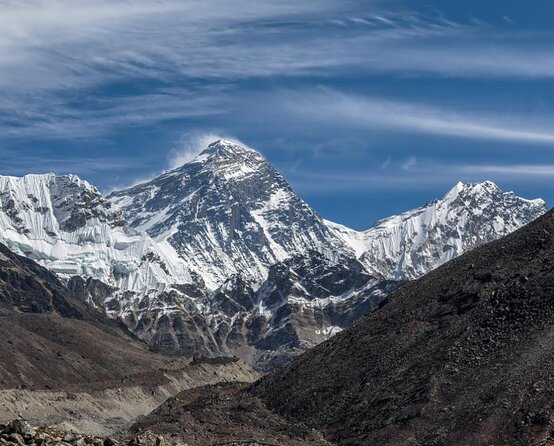
This is an Everest Base Camp trek that’s designed around the question: how do you get high, far, and still stay sane? You’ll walk the famous route to base camp, but you’re not stuck figuring out permits, carrying gear, or arranging daily logistics. Instead, your guide and strong Sherpa helpers take care of the practical stuff while you follow a pace aimed at staying comfortable at altitude.
I like that it’s built as a private small group. That generally means less chaos than a huge pack of strangers, and you can keep your rhythm. Your guide also sets the tone for safety and pacing, which matters a lot when oxygen drops and the days get longer.
The trek also comes with a clear “you can do this” structure: accommodations and most meals are included, plus gear is provided. That’s not just convenience—it reduces the mental load of packing, logistics, and decision fatigue.
You can also read our reviews of more hiking tours in Kathmandu
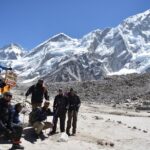
Kathmandu arrival and the low-stress start you’ll appreciate
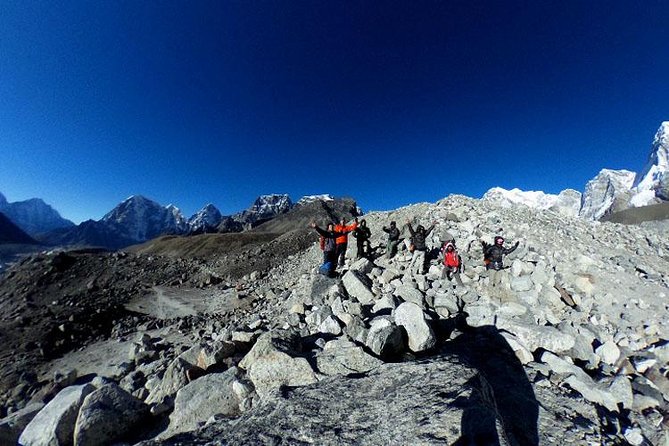
Day 1 is all about easing in. You land in Kathmandu, meet an airport representative holding a name card with your details, then transfer to your hotel. It’s a simple start, but it matters: on trek tours, your first night is when you decide if you’ll be calm or frantic.
The trip also includes airport pickup and drop services via private vehicle before and after the trek. That’s one less thing to coordinate while jet-lagged or mentally sorting trekking gear.
By the time you’re ready to fly toward the mountains, you’ll already be set up with the tour’s rhythm: you know where you need to be, when, and with whom.
Lukla flight: the thrill, the risk, and how to get the best views
Lukla is the gateway, and the flight is part of the show. On Day 2, you take a domestic flight from Kathmandu to Lukla—about 30 minutes—and it’s described as one of the most adventurous flights rated by top travel sites and magazines.
Practical tip that’s directly in the plan: try to get a seat on the right side of the airplane for beautiful views. The itinerary repeats this advice on the return flight as well, which tells me it’s a recurring “this helps” point.
Now for the reality check. The tour requires good weather, and Lukla flights often face cancellations or delays. That’s why your schedule includes extra room in Kathmandu on Day 14 to handle potential problems. If you’re the type who hates uncertainty, this is the one part of the trip you should go in expecting to be flexible.
From Lukla to Phakding: pine forests, bridges, and that first burn
After landing at Lukla, your first trekking day (Day 2) moves toward Phakding. It’s a gentle-to-moderate start compared to later days, and it sets you up with the feel of the Khumbu trail.
Day 3 continues on this early stage: the route begins with gentle ascending before reaching Monjo. You stop for lunch in Jorsalle and continue through pine forests to Hilary Bridge. After crossing the bridge, the trail turns steeper, and this is where you start to feel the trail shift from “getting ready” into “this is real trekking.”
What I like here is that you’re not dropped into steep altitude drama on Day 3. The early walking helps your legs learn the pattern, and the guide/porter system keeps your energy for the climb ahead.
Acclimatization days: why options matter more than you think
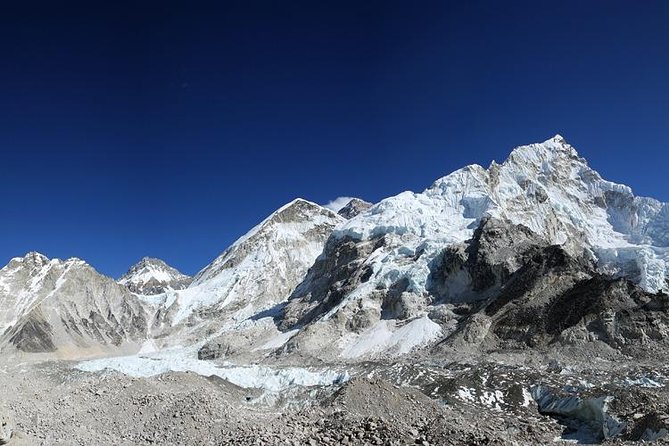
Altitude has a way of punishing rigid plans. This trek builds in rest and acclimatization days with hike options, which you can choose based on how you’re feeling.
On Day 4, you rest and acclimatize with options such as Khumjung and Khunde hikes, an Everest View Hotel hike, Thame hike, or a National Park-related route. In other words, you’re not locked into one hard push. You can pick the option that matches your energy and breathing that day.
Day 7 is your second acclimatization day, featuring a day hike to Nagarkhang Peak (around 5,000 meters). That higher push is where you learn how your body reacts at altitude, but it’s still framed as a day hike rather than a full “climb and collapse” grind.
This approach is valuable because it keeps you moving while reducing the risk of doing too much too fast. It also gives you variety—some days you’re walking with a purpose, other days you’re out for views and breathing practice.
The trail to Pangboche: Imja Khola, climbing communities, and big views
Day 5 shifts you upward toward the national park headquarter and then follows a gentle trail to Kyanjuma. You may pause for a short tea break before descending to Phungi Thanga for lunch, then crossing the Dudh Koshi river and continuing onward.
You’re moving through a mix of river valleys and ridges, and that’s what keeps the trek interesting. It’s not one flat grind; the trail keeps changing how your legs work.
Day 6 follows the Imja Khola toward Pangboche, around 3,930 meters. Pangboche is home to many renowned Everest climbers, and the village is described as a center for brave Sherpas. If you care about Everest beyond just the summit photo, this stop adds context: you’re in a place shaped by the mountain’s long climbing history.
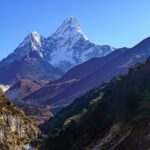
Also, you’ll be getting spectacular Himalayan views here, which helps balance the effort. For many people, that “this is why I’m suffering” moment hits around this stretch.
Dingboche to Dughla to the glacier zone: where oxygen starts talking
As you near base camp, Day 8 takes you along a ridge above Pheriche village to Dughla. You’ll stop in Dughla for lunch, then begin a steep climb to Dughla pass. This is a turning point day—your body will notice.
Day 9 is when the trek starts feeling more serious. The first portion includes easier glacier walking, but once you ascend over glaciers, the route becomes harder due to trail difficulty and low oxygen levels. You’re dealing with cold, thin air, and surface conditions all at once. The itinerary notes that crossing glaciers gives glimpses of the big mountain world, and that visual payoff is real.
This is also one of the key places where having an experienced guide matters. When oxygen is low, small pacing mistakes become big problems. A good guide keeps you moving efficiently, not romantically.
Kalapatthar sunrise day: difficult for a reason, worth it for the view
Day 10 is an early wake-up with a mission: hike to Kalapatthar before sunrise. The climb is described as difficult, and the reason is obvious once you’re climbing at altitude with fatigue already in your legs.
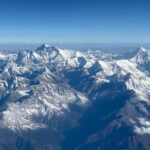
But the itinerary also makes the trade-off clear: Kalapatthar is the most famous viewpoint over the Khumbu Valley, known for towering peaks. The timing matters here. Sunrise pushes the lighting and clarity, and that’s when the mountain views tend to look their most dramatic.
If you’re thinking about comfort: expect colder mornings, and expect this day to feel steeper than it sounds. If you can keep your pace slow and consistent, it’ll feel hard in a “challenging but manageable” way rather than “panic and sprint.”
Getting back down: Debuche, Tengboche, and the rhythm of descent
Day 11 moves through Debuche and Tengboche village, then descends steeply to Phungi Tenga for lunch. After lunch, you ascend back toward Kyanjuma.
This day is a reminder that trekking isn’t only about going up. Descents can be tough on knees and calves, and mixed routes keep you adjusting your stride. The plus side is that Tengboche areas tend to bring you back to the heart of the Sherpa living corridor, not just empty trail.
Day 12 is your push toward the end: steep descending to Jorsalle village, then continuing to Phakding for lunch and breakfast. At this point, your body knows the route. You’re less surprised by the climb rhythm, but fatigue is still real.
The Lukla return and Kathmandu buffer day
On Day 13, you go to the airport in the morning for the flight back to Kathmandu. The itinerary notes it’s a breathtaking flight and repeats the seating tip for views. Once you’re back in the city, you shift from mountain time into city time fast.
Day 14 is a free day in Kathmandu before your international flight. This matters in two ways. First, it gives you time to shop and reset your brain after trekking. Second, it exists because Lukla flights can get hit by weather delays, cancellations, or reschedules.
This is the kind of built-in practicality that turns a “perfect plan” into a plan that survives reality.
Day 15 wraps up with a drive to the airport about three hours before your flight time. The airport is small with one terminal, so you’ll want to arrive early without overthinking it.
What you actually get for the price: value that’s more than the number
At $1,408 per person for roughly 15 days, you’re paying for a package that covers a lot of the expensive friction points.
Included items that add real value:
- Kathmandu–Lukla–Kathmandu domestic flight tickets (including the guide’s ticket)
- Everest National Park Entry Permit and TIMS registration
- A licensed English-speaking trekking guide
- Sherpa porters with meals, accommodation, salary, and insurance
- Down jacket, four-season sleeping bag, and a duffel bag (you return the duffel after the trip)
- A comprehensive first aid medical kit carried by the guide
- Meals: breakfast (14), lunch (11), dinner (12)
When those pieces are included, you avoid the usual “surprise add-ons” that inflate real trek costs. It also lets you travel lighter and focus on your trail essentials rather than hunting down equipment rentals in Kathmandu.
What’s not included (and you should plan for):
- International airfare, Nepal visa fees, and travel and medical insurance (plus emergency evacuation)
- Personal expenses like bars and beverages, hot showers, telephone, laundry, and similar small-cost items
- Costs from natural calamities or anything beyond control
- Anything not clearly stated as included
My practical take: if you don’t already have strong medical coverage and evacuation coverage, you’ll want to fix that before you go. This trek operates in high-altitude conditions, and the itinerary itself emphasizes health and weather realities. Don’t treat insurance as paperwork—you treat it as a safety tool.
Guide and porter support: the difference between surviving and enjoying
The included guide team is a core part of why this trek gets strong praise. Names like Lok, Khila, Lal, Hari, and Ossman show up in the guide stories, and the consistent theme is clear: someone is organizing the route day to day and pushing the pacing so you can make it to the important viewpoints.
Your porters also matter. You’re told that porters carry your gear and that your guide organizes the rest. That’s huge. Carrying a lighter pack changes everything about how you feel on Days 8–10, when the trail gets steeper and the oxygen is thinner.
One more support detail: an assistant trekking guide is provided for groups over 6 people. That suggests the operator thinks about maintaining attention and flow rather than just moving bodies from lodge to lodge.
Who this trek is best for (and who should think twice)
This is aimed at people with moderate physical fitness. If you can handle long walking days and you’re willing to move steadily rather than fast, it fits well. The itinerary also includes acclimatization and rest days, which helps.
It’s a strong choice if you want:
- A guided, organized Everest Base Camp trek where gear and permits are handled
- A pace that lets you enjoy views like Kalapatthar rather than just chase exhaustion
- A smaller group experience with less chaos
Think twice if:
- You hate flight uncertainty. Lukla is weather-sensitive, and even with a Kathmandu buffer day, you’ll need patience.
- You’re expecting a fully comfortable hike. Glacier sections, low oxygen, and cold mornings are part of the deal.
Should you book this Everest Base Camp trek?
If you want the classic Everest Base Camp route without having to run the logistics yourself, I’d say yes—this style of trip is built for that. The biggest strengths are the practical inclusions (permits, TIMS, guide, porters, gear) and the pacing structure (acclimatization hikes, plus a sunrise viewpoint day that’s timed for value).
Before you book, check two things carefully:
- Your willingness to handle Lukla weather variability and use the Kathmandu buffer day.
- Your preparedness for altitude conditions, including having the right insurance and packing the right basics.
If those boxes are checked, this trek is the kind where you can focus on the mountain instead of the paperwork.
FAQ
How long is the Everest Base Camp trek?
It runs for about 15 days.
Where does the trip start and end?
It starts in Kathmandu, Nepal, and it returns to Kathmandu at the end of the trek.
Are airport transfers included in Kathmandu?
Yes. You get airport pickup and drop services on a private vehicle before and after the trek, and you’re also driven to the airport about three hours before your flight time on the final day.
Are meals included?
Yes. Breakfast is included for 14 days, lunch for 11 days, and dinner for 12 days.
Does the tour include Everest National Park entry and TIMS registration?
Yes. The itinerary includes the Everest National Park Entry Permit and TIMS registration.
Does the tour include flights to Lukla?
Yes. It includes Kathmandu–Lukla–Kathmandu domestic airline tickets, including for the guide.
What trekking gear is provided?
You’re provided a down jacket, a four-season sleeping bag, and a duffel bag. The duffel bag is to be returned after the trip.
Who carries the trekking gear?
Porters carry your gear, and the guide organizes the rest of the logistics for you.
Is international airfare, visa fees, or medical evacuation included?
No. International airfare, Nepal visa fees, travel and medical insurance, and emergency evacuation are not included.