REVIEW · HISTORICAL TOURS
Kathmandu: Private/Group Unesco Heritage Sites Guided Tour
Book on GetYourGuide →Operated by Welcome Nepal Treks P.Ltd · Bookable on GetYourGuide
Temples here tell stories fast. This guided UNESCO heritage route packs the big religious sites of Kathmandu Valley into one smooth day, with hotel pickup and an English-speaking guide to connect the dots.
I love the emotional contrast of the stops: the calm spin of Boudhanath prayer wheels after the intensity of Pashupatinath on the Bagmati River. One practical consideration: expect stairs, uneven ground, and plenty of walking, so it’s not suitable for mobility impairments.
In This Review
- Key highlights you’ll feel right away
- A 6-hour UNESCO sampler of Kathmandu Valley temples
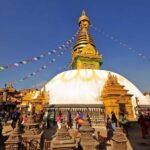
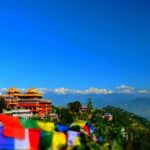
- Swayambhunath hill: the original pilgrimage feel and the best Kathmandu panorama
- Patan (Lalitpur) stops: craftsmanship, temples, and a midday reset
- Pashupatinath on the Bagmati River: sacred Hindu rituals and how to experience them
- Boudhanath Stupa: four pairs of eyes, calm vibes, and prayer-wheel momentum
- Money and value: $40 worth it, depending on entrance-fee choices
- Guides matter: English explanations, plus names you may hear
- Transport, timing, and what a smooth day looks like
- Who should book (and who should look elsewhere)
- Should you book this Kathmandu UNESCO guided tour?
- FAQ
- What is the duration of the Kathmandu UNESCO heritage tour?
- Which UNESCO sites and areas does the tour visit?
- Where does pickup and drop-off happen?
- Is lunch included?
- Are entrance fees included in the price?
- What language guides are available?
- Is the tour suitable for people with mobility impairments?
- What is the cancellation and payment flexibility?
Key highlights you’ll feel right away
- Swayambhunath hill views over Kathmandu Valley, plus time to explore the pilgrimage grounds
- Patan (Lalitpur) cultural stops and a chance to enjoy local food during the day
- Three UNESCO temple highlights across Buddhist and Hindu sacred spaces
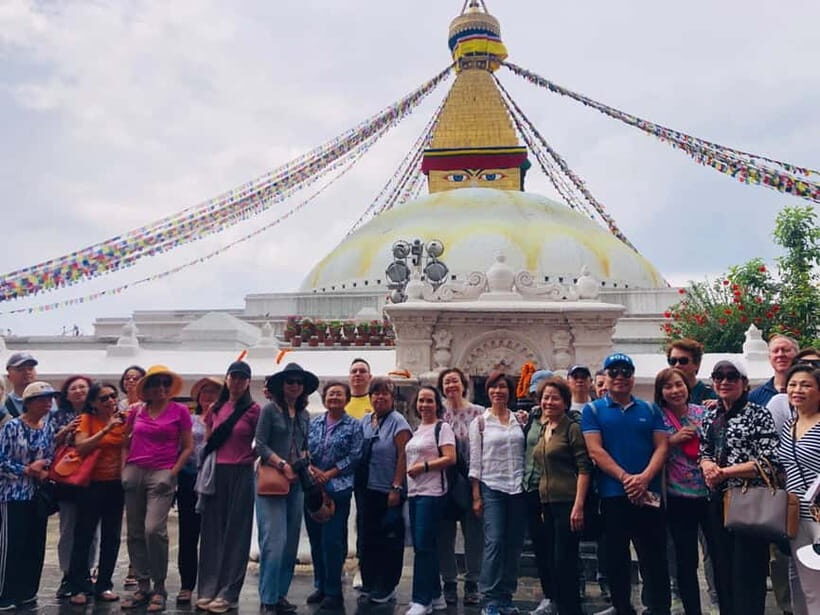
- Boudhanath Stupa prayer-wheel ritual at a major Buddhist site with four pairs of eyes
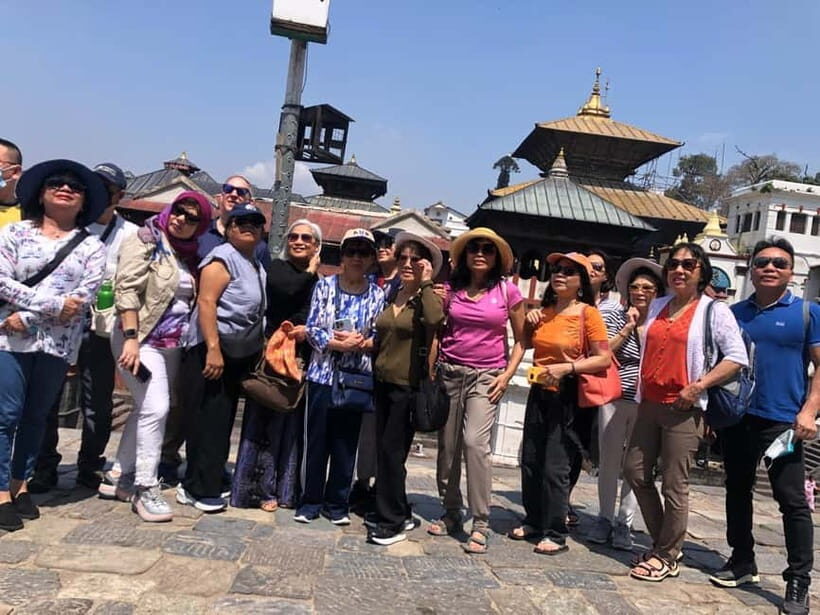
- Pashupatinath Temple on the Bagmati River and the belief tied to washing sins away
- Air-conditioned transport and bottled water to keep the day comfortable
A 6-hour UNESCO sampler of Kathmandu Valley temples
This is a practical “see the core” day in Kathmandu Valley. In about 6 hours, you cover major UNESCO-listed sacred sites plus Patan, with pickup and drop-off arranged from select areas (Kathmandu, Bhaktapur, or Patan/Lalitpur). The goal is simple: give you meaning, not just photos.
The format is also easy to plan around. You’re not trying to navigate between districts on your own, and the day is paced to include viewing time, guided time, and breaks. If you want a single guided day that hits the essentials without turning into a marathon, this fits.
Also worth knowing: the itinerary can run a few minutes late. Expect about 3–5 minutes if traffic or coordination needs it, and you’ll have a better day.
You can also read our reviews of more guided tours in Kathmandu
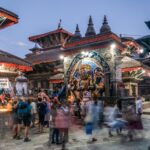
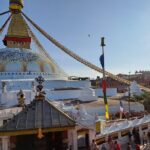
Swayambhunath hill: the original pilgrimage feel and the best Kathmandu panorama
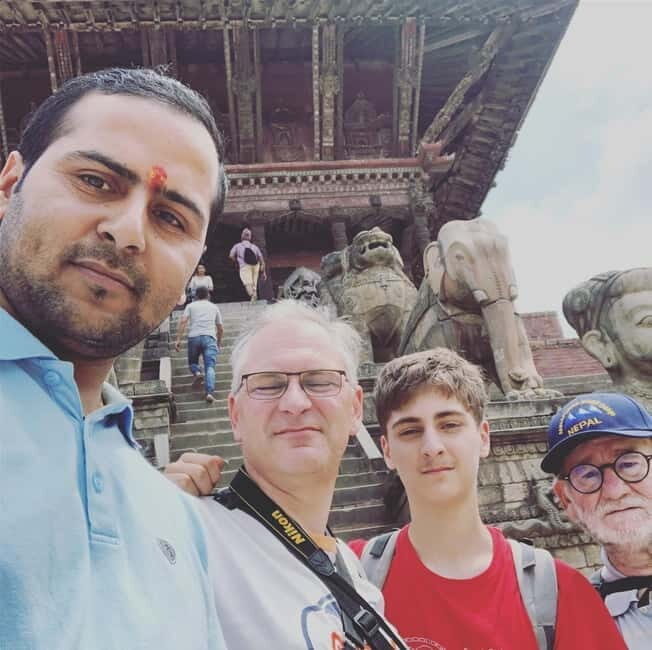
You start with Swayambhunath, one of the oldest religious sites in Nepal. It sits up on a hill, so even before you reach the main areas, you’re getting that sense of arriving somewhere that matters. The time here is about 1.5 hours, which is long enough to look closely without rushing.
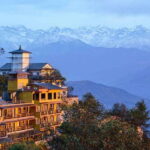
What makes this stop special isn’t only the architecture. It’s the viewpoint. From up there, Kathmandu spreads out below, so you get context for where everything else is in relation to the city. That changes how you understand the rest of the day.
You’ll also have time to explore at your own pace after the guided part. That matters at Swayambhunath because you’ll likely want to pause, look around, and take in details—especially if you like religious art and the “lived-in” feeling of places that people return to day after day.
Quick consideration: the hill and pathways can mean more walking than you’d expect. If you’re dealing with mobility limits, this is one of the reasons the tour isn’t recommended for people with mobility impairments.
Patan (Lalitpur) stops: craftsmanship, temples, and a midday reset
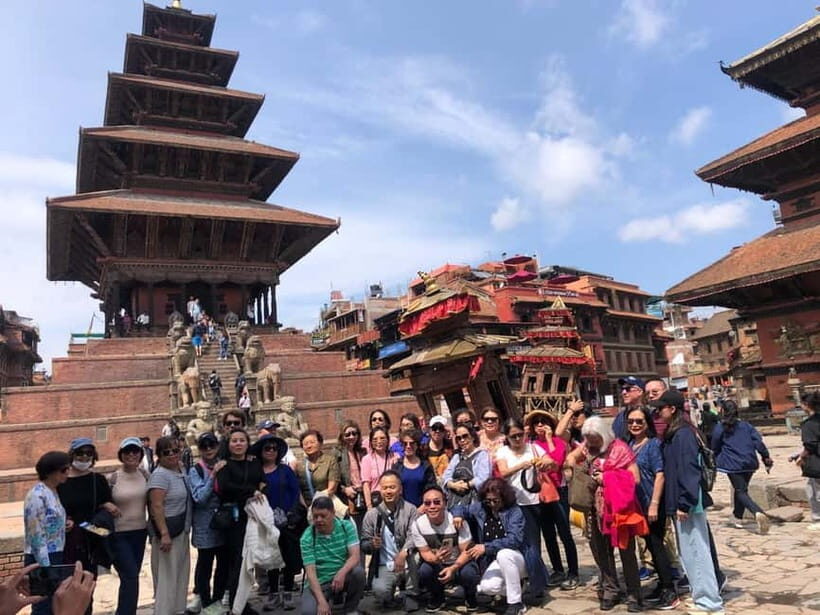
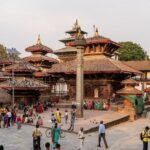
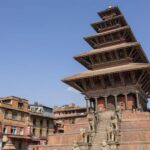
After the morning start, you head to Lalitpur (Patan). This is where the tour shifts from “single big icon” to a broader cultural feel. Patan is known for its artistic and architectural heritage, and you’re given around 1.5 hours to explore, with a guided walk and photo stops.
In plain terms, Patan is where you notice how religious life shows up in daily details: temple layouts, stonework, and the way sacred spaces sit inside the city. If you like photography, this is a strong leg because there are lots of angles and textures, not just one postcard scene.
You also get time for lunch during this block. Food and drinks are not included in the price, so plan to budget for lunch on your own. The upside is you can choose what you feel like eating that day—simple local choices or something a bit more comfortable depending on your preferences.
Pashupatinath on the Bagmati River: sacred Hindu rituals and how to experience them
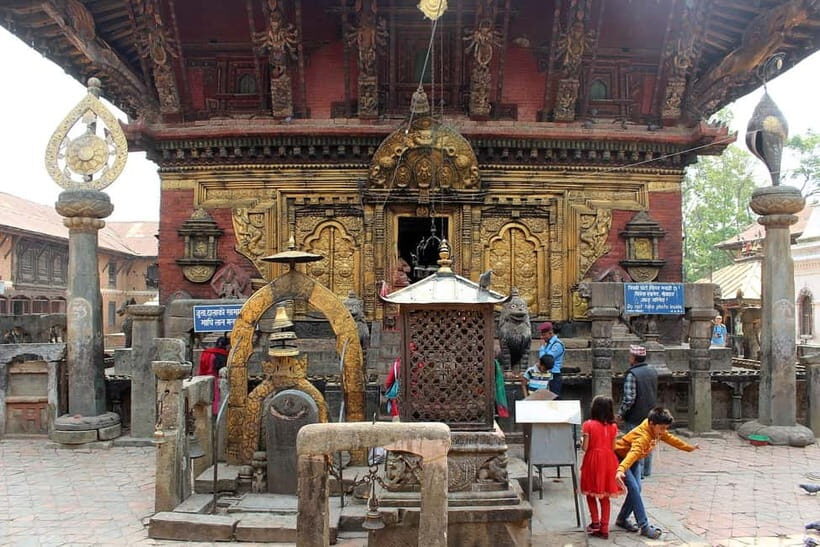
Next comes Pashupatinath Temple, one of the most famous Hindu shrines in the world. This is a stop with gravity. The tour includes guided time and time to observe on your own, again about 1.5 hours.
The route also includes the Bagmati River area, where the experience connects to a belief system. You’ll hear about the idea that bathing in or near the river is thought to wash away sins. I’ll put it the right way: it’s a religious belief held by devotees, not a literal guarantee. But the spiritual meaning is the point, and you’ll sense it as you watch what people do there.
This is also one of the best places for a guide to matter. A good guide helps you read what you’re seeing—why certain actions repeat, what certain forms mean, and how the site fits into Hindu life. In past groups, the English guides have been praised for explaining the cultural importance in a way you wouldn’t pick up from a quick guidebook read.
Practical note: plan to stay respectful and follow your guide’s cues about where to stand and what to do. Sacred sites aren’t museums, and your best experience comes from blending in.
Boudhanath Stupa: four pairs of eyes, calm vibes, and prayer-wheel momentum
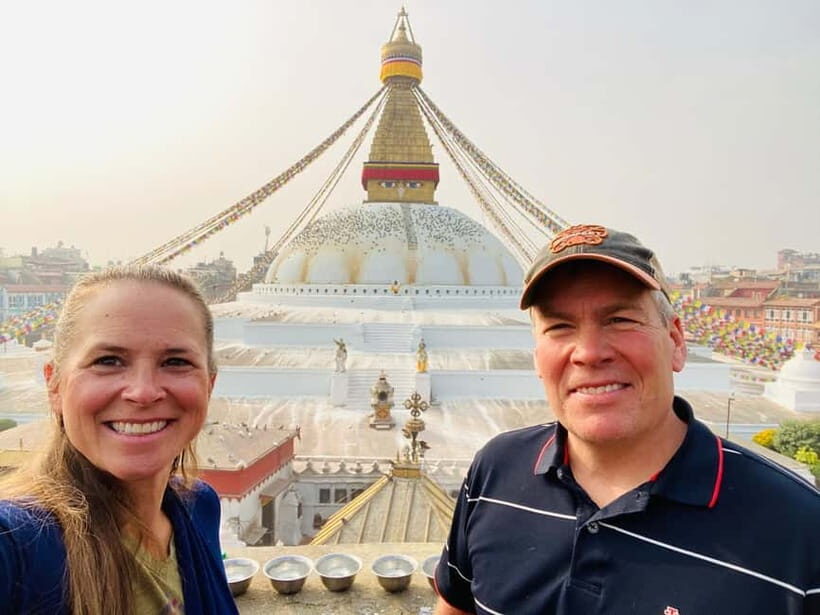
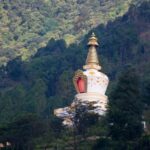
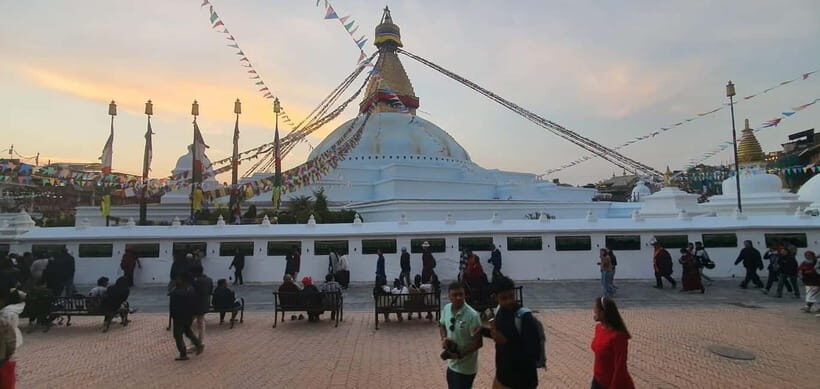
The day’s mood shifts again at Boudhanath Stupa. This is a major Buddhist shrine, famous for its four pairs of eyes facing four directions. It’s one of those sights where even if you’ve seen pictures, being there changes the scale and the feeling.
Your time here includes guided explanation plus a chance to roam. There’s also free time, and the tour can include shopping opportunities nearby. The “photo stop” and “walk” time means you can circle around and pick your angles without feeling trapped.
The key activity is the prayer wheels. The tour gives you the chance to spin the prayer wheels, which is a signature ritual at Boudhanath. If you’ve never done it, don’t overthink it. Go with the flow, pay attention to what your guide says, and let your senses catch up: sound, motion, and the steady rhythm of people continuing the ritual.
If you care about “authentic” moments, this is the one. It’s active worship, not a staged performance. That makes it powerful, and it’s also why your guide’s interpretation adds real value.
You can also read our reviews of more private tours in Kathmandu

Money and value: $40 worth it, depending on entrance-fee choices
The price is listed as $40 per person for a 6-hour day with pickup, transportation, a professional guide, and bottled water. That’s a solid setup for Kathmandu, where a guided day can save you time and hassle.
Here’s the part to check: monument entrance fees. They’re included only if you choose the all-inclusive option. If you don’t, the total entrance fees for the heritage sites is approximately USD 43 (NPR 5,800) per person.
So is it worth it? Usually, yes, because you’re paying for logistics (pickup/drop-off, air-conditioned transport) plus guided time in several major sites. But you should decide based on how you like to travel:
- If you prefer zero budgeting surprises, choose the all-inclusive option.
- If you’re comfortable paying site fees on the spot (or plan to handle it easily), you can skip the all-inclusive add-on.
Either way, you’ll be doing a focused day covering the core UNESCO highlights rather than paying for multiple separate half-days.
Guides matter: English explanations, plus names you may hear
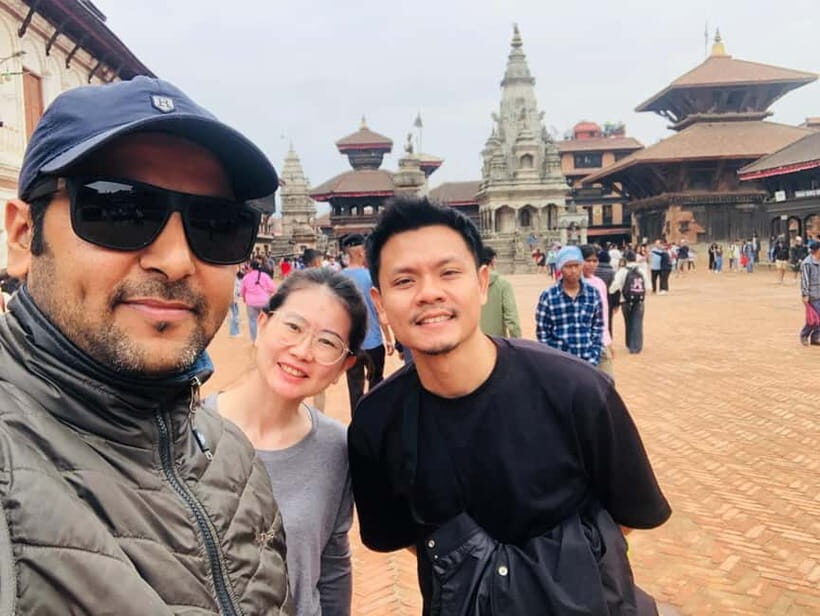
This tour leans on the guide. You get a live English tour guide plus an English audio guide. That combination matters when you’re moving between Buddhist and Hindu contexts in one day—details can get confusing fast unless someone explains what you’re looking at.
The most praised guides in past groups include Manoj KC, credited for strong cultural knowledge and helpful recommendations for where to eat and shop, and Rabina, praised for clear explanations and attentive pacing for a solo traveler. Other named staff you might hear about include Nerry and a driver named Shawshank Kumar.
Even if your guide isn’t one of those names, the pattern is consistent: the strong experiences come from guides who give context and adjust to your interests. That’s exactly what you want for a day like this, where meaning is the whole point.
Transport, timing, and what a smooth day looks like
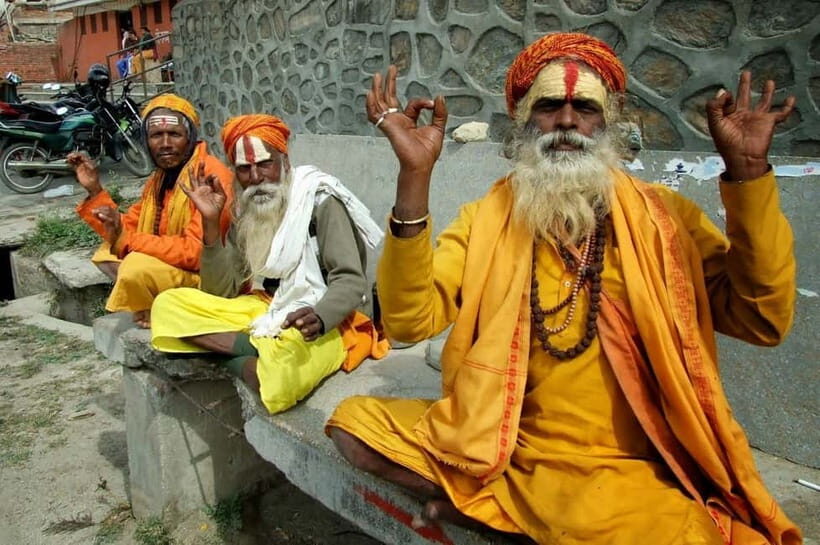
You ride in air-conditioned private transportation, which is a big deal in Kathmandu traffic. The tour also includes bottled water, so you don’t end up hunting for it mid-route.
Timing is usually straightforward. Pickup happens from your hotel area options (Kathmandu, Bhaktapur, or Patan/Lalitpur), and the day finishes with drop-off in one of the same zones. The schedule includes photo and guided segments with short breaks, including at Boudhanath and Pashupatinath.
The only thing that might surprise you is that the day can run a few minutes late. That’s normal here, and the difference between a good day and a stressful one is how you treat that buffer. Go with it and you’ll be fine.
Who should book (and who should look elsewhere)
This tour is a great match if you want:
- A short day that hits the major sacred sites of Kathmandu Valley
- Guided context that makes Buddhist and Hindu sites easier to understand
- A manageable pace with time for photos and breaks
- Hotel pickup and drop-off so you can relax
It’s not a match if you need step-free or low-walking access. The tour is explicitly not suitable for people with mobility impairments.
Also, if you really hate crowds at popular shrines, you might want to adjust expectations. These are active religious centers, and part of the experience is seeing worship in action.
Should you book this Kathmandu UNESCO guided tour?
Yes, if you want one well-structured guided day that balances viewpoint time, religious context, and iconic UNESCO sites. The biggest payoff is not just the list of places—it’s the way the route ties together Buddhist Swayambhunath and Boudhanath with Hindu Pashupatinath, plus cultural texture in Patan.
Book it especially if you’re the type of traveler who likes learning on the move. An English guide can turn a “walk around” day into a day that feels meaningful.
Before you commit, double-check which option you want for entrance fees, and plan for walking. Bring your passport or ID card and some cash, especially for purchases or any site-related costs that aren’t covered by your package.
FAQ
What is the duration of the Kathmandu UNESCO heritage tour?
The tour runs for 6 hours.
Which UNESCO sites and areas does the tour visit?
You’ll visit Swayambhunath, Patan (Lalitpur), Boudhanath Stupa, and Pashupatinath Temple.
Where does pickup and drop-off happen?
Pickup and drop-off are available from Kathmandu, Bhaktapur, or Patan (Lalitpur) areas, based on your selected hotel location.
Is lunch included?
Food and drinks are not included. The day includes time for you to enjoy lunch locally.
Are entrance fees included in the price?
Entrance fees are included only if you select the all-inclusive option. The total entrance fees are approximately USD 43 (NPR 5,800) per person.
What language guides are available?
The tour includes an English live tour guide and an English audio guide.
Is the tour suitable for people with mobility impairments?
No. The tour is listed as not suitable for mobility impairments.
What is the cancellation and payment flexibility?
You can cancel up to 24 hours in advance for a full refund, and there is an option to reserve now and pay later.
If you’d like, tell me your pickup area (Kathmandu, Patan, or Bhaktapur) and your travel style (early riser vs slow mornings), and I’ll suggest how to time the rest of your day around this tour.