REVIEW · ANNAPURNA BASE CAMP TREKS
Annapurna Base Camp, Nepal 10 days
Book on Viator →Operated by Third Eye Adventure P. Ltd · Bookable on Viator
Annapurna Base Camp starts with a long bus ride. This trek is interesting because it blends private-guided walking with time in the Annapurna Sanctuary’s cultural and environmental stories. I like that you get teahouse nights on the route and that most meals are included, so you can focus on the trail instead of budgeting every day. The one thing to watch is comfort at altitude: hot water, hot showers, WiFi, and charging are not included, so plan around cold nights and low-power days.
You’ll be walking between about 3 and 8 hours daily, and the itinerary is built for a steady rhythm rather than sprinting. If you’re expecting luxury comforts, this won’t be that. If you want authentic mountain days with a guide who helps you move at your own pace, you’ll likely love it.
In This Review
- Key Things I Think Are Worth Your Time
- Annapurna Base Camp, Nepal: What This 10-Day Trek Really Delivers
- Price and What You Get for $848 Per Person
- Meeting Morning: The 6:15 Start and How You’ll Move Through Nepal
- Day-by-Day Trek Breakdown: From Pokhara to Ghandruk and Chhomrong
- Day 1: Kathmandu to Pokhara (about 7 hours)
- Day 2: Siwai to Ghandruk (trek about 4 hours)
- Day 3: Toward Chhomrong with big Annapurna views (about 6 hours)
- Day 4: Chhomrong down by stone steps, then up again (about 5 hours)
- Bamboo, Deurali, and the Push Toward the Sanctuary
- Day 5: Bamboo to Deurali (4–5 hours, around 3,230m)
- Day 6: Toward Machhapuchhre Base Camp and onward (about 6 hours)
- Reaching Annapurna Base Camp and Coming Back Without Feeling Rushed
- Day 7: Base Camp back to Bamboo (downhill, about 8 hours)
- Day 8: Bamboo to Jhinudanda (via Kuldighar and Chhomrong Khola) (about 6 hours)
- Day 9: Jhinudanda to Siwai, with lunch and western-hill views (about 6 hours)
- Day 10: Drive back to Kathmandu (about 7 hours) and rest
- Guides and Operator Style: Why the Human Part Matters
- Practical Comfort: Teahouses, Cold Mornings, and Power Struggles
- Who This Trek Fits Best (and Who Might Want a Different Plan)
- Should You Book This Annapurna Base Camp Trek?
- FAQ
- How much does the Annapurna Base Camp trek cost?
- What’s included in the price?
- Is this trek private, and can you set your own pace?
- How fit do I need to be?
- What is not included during the trek?
- When does the trip start, and what if weather is bad?
Key Things I Think Are Worth Your Time
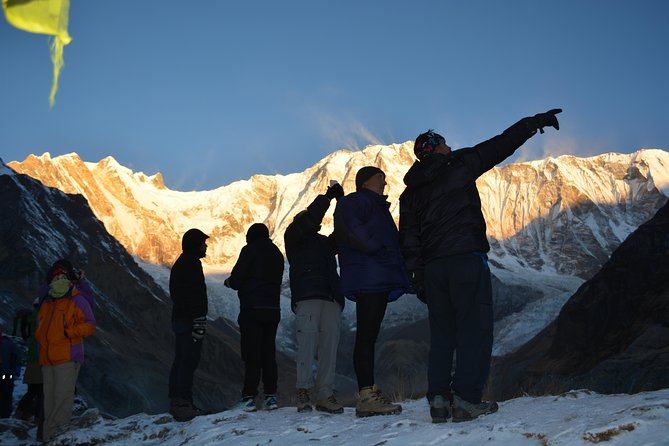
- Private trekking pace you control: go at your own speed without feeling rushed.
- Guides with real rapport: names showing up in past trips include Sandip and Resham GC, both highlighted for being helpful and caring.
- Hotel-to-teahouse mix: hotels for the lower parts, teahouses once you’re on the trek.
- Most meals handled: breakfasts, lunches, and dinners are largely included.
- Built for moderate fitness: it’s a high-altitude trek, but the daily walk windows are manageable if you pace well.
- Bring your own comfort fixes: hot showers and battery charging are not part of the deal.
Annapurna Base Camp, Nepal: What This 10-Day Trek Really Delivers
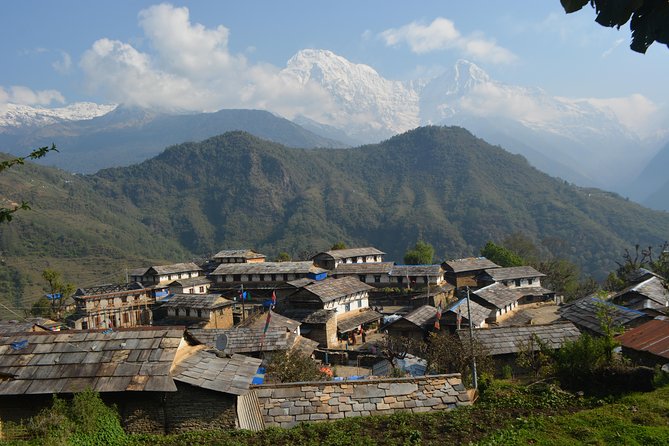
Annapurna Base Camp is the kind of trek that gets under your skin in a good way. Not because it’s easy. Because every day gives you that mix of effort, change in views, and small moments with locals along the way. This version is set up as a private trek, which matters more than people think. When you’re moving through steep steps, switchbacks, and cold mornings, not being pushed keeps the whole trip more enjoyable.
The other big win is how much is included. You get accommodations in hotels and teahouses, plus most meals. That means fewer decisions mid-trek. You still need good trekking habits, but you’re not constantly figuring out what to eat or where to sleep.
Your guide also isn’t just there to point at mountains. The plan includes learning about the spiritual and environmental significance of the Annapurna Sanctuary. Even if you’re not a “history person,” that kind of context turns long walks into something more meaningful than exercise.
One practical note up front: this is a high-altitude mountain trek and requires moderate physical fitness. If you’re currently dealing with major fitness limits, injuries, or breathing issues, you should talk to a professional before committing.
You can also read our reviews of more tours and experiences in Kathmandu.
Price and What You Get for $848 Per Person
At $848 per person for about 10 days, this is priced like a well-organized trekking package. What you’re paying for is not just the trek itself. You’re also paying for the on-the-ground structure: transport, accommodations (hotels and teahouses), and a lot of meals.
Here’s what’s included on paper:
- Air-conditioned vehicle
- Breakfast (10), Lunch (8), Dinner (7)
- Accommodation in hotels and teahouses
And here’s what you’ll likely need to budget extra for during the trek:
- Hot water and hot showers
- WiFi
- Battery charging during trekking
- Tipping for the crew
That last point matters. Tipping isn’t huge everywhere, but on trekking routes it helps keep the whole operation respectful and sustainable. If you go into the trip knowing you’ll tip, you won’t feel awkward later.
Also, there’s an optional flight back to Kathmandu listed as an extra $100. If you’re already feeling cooked by the hike, that can be a smart way to recover without losing a whole day.
Meeting Morning: The 6:15 Start and How You’ll Move Through Nepal
The meeting time is listed as 6:15 am. For many people, that’s the first “welcome to trekking” moment. You’re leaving early because you’ll gain daylight for driving and because weather often behaves better earlier in the day.
The trip includes pickup offered, and you get a mobile ticket. That’s handy if you hate scrambling for paper documents. The plan also uses an air-conditioned vehicle for transfers, which is a relief after long travel days.
Day 1 sets the tone. You’ll drive Kathmandu to Pokhara by tourist bus, about 7 hours, and Pokhara sits around 820 meters. It’s not trekking yet, but it gets your legs ready and your mind into travel mode. The drive is mostly along the route toward the west, so you’ll get a slow shift in terrain and pace.
Pokhara is also a practical base. It’s easier to start trekking logistics from there than jumping straight from Kathmandu into the mountains.
Day-by-Day Trek Breakdown: From Pokhara to Ghandruk and Chhomrong
Day 1: Kathmandu to Pokhara (about 7 hours)
You’ll transfer from Kathmandu to Pokhara, then settle in for the night. This day is about getting positioned for the trek and letting your body wake up from city life. If you’re the kind of traveler who likes to be efficient, this start works well.
One drawback: you’re spending a chunk of time on a bus. If you’re sensitive to motion or long rides, plan accordingly with water, snacks, and comfort.
Day 2: Siwai to Ghandruk (trek about 4 hours)
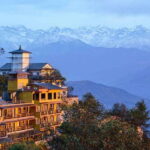
After breakfast, the plan drives you to Siwai (listed as about 2.5 hours). From there, the trek goes to Ghandruk, a village largely inhabited by the Gurung community.
This is one of your first “living Nepal” days. You’re not just walking through empty paths. You pass real settlements and see how communities sit on the mountainsides. It’s also a good warm-up day. Four hours on a trail feels serious, but it’s not an all-day grind.
Day 3: Toward Chhomrong with big Annapurna views (about 6 hours)
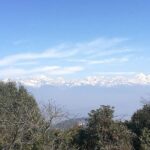
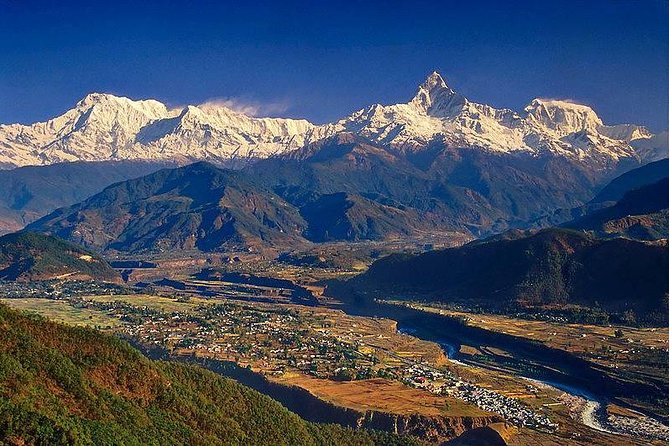
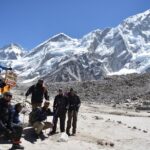
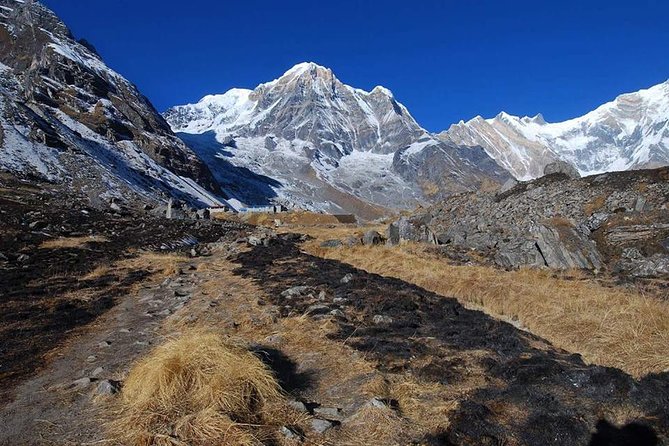
Day 3 climbs up around an hour to Kimrungdanda. This is where the views start getting exciting, and the itinerary calls out sightlines to Annapurna South, Hiunchuli, Fishtail (Machhapuchhre), and Ganggapurna.
From there, you keep moving toward Chhomrong. This day is a classic “gain altitude, earn the scenery” setup. The main thing to watch is pacing. If you charge uphill too fast, the rest of the day can feel longer than it needs to be.
Day 4: Chhomrong down by stone steps, then up again (about 5 hours)
Day 4 is about stairwork and balance. You descend via about 2,500 stone steps, cross the Chhomrong Khola on a suspension bridge, then climb back uphill toward Sinuwa. After that, you pass through forest toward Kuldihari.
This day can feel like a workout even when the hours aren’t massive. Stone steps and suspension bridges require steady footing and calm breathing. If you’ve got knee issues, this is the part where you’ll want trekking poles and a slow rhythm.
The upside is you’re getting a lot of variety: downhill technique, bridge steadiness, and then a climb through greener stretches.
Bamboo, Deurali, and the Push Toward the Sanctuary
Day 5: Bamboo to Deurali (4–5 hours, around 3,230m)
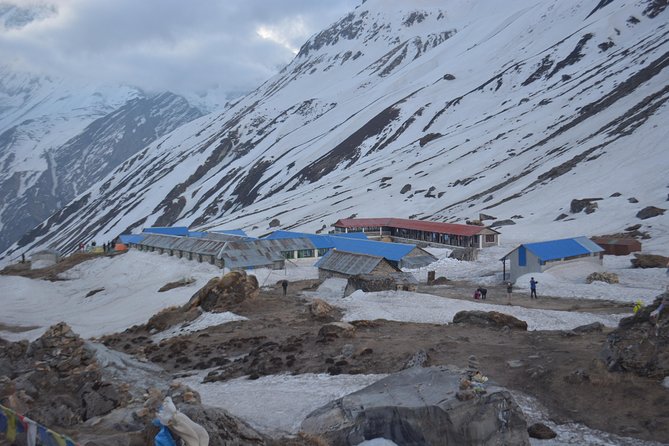
Day 5 takes you from Bamboo to Deurali, with Deurali listed at 3,230 meters / 10,595 feet. You’ll pass through bamboo forest, described as damp and cold, then ascend steadily.
It’s only after reaching Himalaya Hotel (named in the itinerary) that things start easing. So yes, there’s a cold, damp section. This is where good layering matters. When you stop moving, temperatures can drop fast.
This is also an acclimatization-style day in the sense that you’re gaining altitude gradually. Still, if you’re sensitive to altitude, you should take the day seriously and not treat it like a casual hike.
Day 6: Toward Machhapuchhre Base Camp and onward (about 6 hours)
Day 6 is described as a climb through a river bed and then a steeper trail toward the mountain side. The itinerary calls the hike from Bagar to Machhapuchhre Base Camp “somewhat strenuous,” then continues from there.
This day is important because it’s one of your biggest “feels close to the mountains” transitions. You’ll spend more time in terrain that feels more remote and more dramatic. Even when you’re tired, the day usually keeps your attention.
If you’ve never done a trek like this, here’s your practical trick: sip water regularly even if you don’t feel thirsty yet. Cold air and effort can hide dehydration.
Reaching Annapurna Base Camp and Coming Back Without Feeling Rushed
Day 7: Base Camp back to Bamboo (downhill, about 8 hours)
From Annapurna Base Camp, you retrace steps back to Bamboo. The itinerary notes today is downhill so it should be less difficult, but the time listed is 8 hours.
Downhill can still punish your body. Your legs do a different kind of work—one that strains knees and calves if you go too fast. Take it slow. This is also the day where you might feel both satisfaction and “wait, it’s already going?” energy. That’s normal. You’ve worked up to one of the most famous trail goals in Nepal.
Day 8: Bamboo to Jhinudanda (via Kuldighar and Chhomrong Khola) (about 6 hours)
Day 8 goes from Bamboo uphill to Kuldighar, then a downhill walk to Chhomrong Khola, then you climb stone steps to Chhomrong and descend to Jhinudanda.
This is a day that mixes ups and downs in a way that keeps you alert. It’s not only about distance. It’s about how often you switch from uphill effort to downhill control.
The itinerary’s stop is listed as Jhinu Danda, so you’re likely staying in the wider area associated with that. Even without extra details, the main takeaway is that you’re positioning for the final trekking day toward Siwai.
Day 9: Jhinudanda to Siwai, with lunch and western-hill views (about 6 hours)
Today you head toward Siwai on the way to Pokhara. The itinerary notes you’ll enjoy the hill scenery of western Nepal, including a detail about wild bee hive under the cliff, and you have lunch on the way.
That bee-hive detail is small but memorable. It’s the kind of moment that reminds you you’re not on a staged set. People and nature are sharing the same steep world.
The trek ends at Siwai, where you board your vehicle again.
Day 10: Drive back to Kathmandu (about 7 hours) and rest
On the final day, you drive back to Kathmandu (about 7 hours). Then it’s time to look around shops and pick up souvenirs, and generally rest.
If you’d rather shorten your fatigue load, the option to take a flight back is listed as costing extra $100. If you feel good after the trek, you can still enjoy Kathmandu’s energy. If you feel wrecked, you’ll appreciate the chance to recover.
Guides and Operator Style: Why the Human Part Matters
One reason private trekking often feels better than joining the crowd is that the guide can adapt to your pace, your energy, and your questions. This trek is designed that way. The trip can also be customized to your needs, which usually translates into fewer awkward moments like you trying to keep up or waiting around.
The guide names that show up in past trekking experiences with this operator are reassuring. Sandip is described as cheerful, knowledgeable, and helpful on the ABC route. Resham GC is also praised as welcoming and caring. Other guide names mentioned include Raju, Nitesh, and support from Kamal.
On the logistics side, the operator owner Ganesh Neupane and a team member named Bijane Neupane come up as supportive and hands-on. That doesn’t guarantee every trip will feel the same, but it does suggest the company invests in relationships, not just routing.
If you want a trek where you can ask questions about what you’re seeing—spiritual meaning, local context, and how to pace—this setup is built for that.
Practical Comfort: Teahouses, Cold Mornings, and Power Struggles
You’ll sleep in a mix of accommodations: hotels early and teahouses while trekking. Reviews highlight teahouse sleep as comfortable enough and meals as solid, and the itinerary itself expects this rhythm.
Still, manage expectations:
- Hot showers are not included.
- Hot water is not included.
- WiFi is not included.
- Battery charging during trekking is not included.
So yes, your phone might end up dying before you reach the viewpoint you want to photograph. Bring a power plan before you go: keep your battery pack charged (if you have one), and consider saving photos for daylight moments when you really need them.
Layering is your best friend. Daytime can feel surprisingly manageable, then mornings and nights can turn cold. The itinerary specifically mentions bamboo forest being damp and cold, and you’re trekking at high altitude by Day 5.
Also, keep your “walking shoes vs. town shoes” plan simple. You’ll likely spend more time than you think on uneven steps.
Who This Trek Fits Best (and Who Might Want a Different Plan)
This is best suited for you if:
- you’re aiming for Annapurna Base Camp with a private pace
- you have moderate fitness and can handle 3–8 hours of walking per day
- you want guidance for both route and the meaning behind the Annapurna Sanctuary
This may be a tough match if:
- you strongly need daily hot showers or reliable charging
- you want a low-effort hike with minimal stairwork
- you’re uncomfortable with high-altitude conditions and haven’t been medically cleared
And if you’re going solo, private trekking can still feel supportive because you get a dedicated guide and crew rather than blending into a large group.
Should You Book This Annapurna Base Camp Trek?
If you want the ABC trek with less pressure, more support, and fewer logistics headaches, I’d lean yes. The price includes key pieces—accommodations and most meals—and the private format helps you keep a steady rhythm, especially on the stone steps and longer return day.
My main hesitation is comfort expectations. With no hot shower, no WiFi, and no battery charging included, you need to be okay with basic mountain living. If that sounds like a fair trade for views and a real sense of place, this itinerary is a strong choice.
Book it if you’re the type who enjoys effort with a payoff, and you’re happy to let your guide help you move smart, not fast.
FAQ
How much does the Annapurna Base Camp trek cost?
It’s listed at $848.00 per person for an approximate 10-day trek from Kathmandu through Pokhara and the Annapurna region.
What’s included in the price?
The tour includes accommodation in hotels and teahouses, and most meals: breakfast (10), lunch (8), and dinner (7). It also includes an air-conditioned vehicle.
Is this trek private, and can you set your own pace?
Yes. It’s described as a private tour/activity, and you can go at your own pace without feeling rushed. The trek can be customized to suit your needs.
How fit do I need to be?
It’s a high-altitude mountain trek and is best suited for people with moderate physical fitness. The walking is described as about 3 to 8 hours per day.
What is not included during the trek?
Hot water, hot showers, WiFi, and battery charge during the trekking are not included. Tipping to the crew member is also not included.
When does the trip start, and what if weather is bad?
The meeting start time is 6:15 am. The experience requires good weather, and if it’s canceled due to poor weather, you’ll be offered a different date or a full refund. Free cancellation is available up to 24 hours before the start time for a full refund.