REVIEW · ANNAPURNA BASE CAMP TREKS
Annapurna Base Camp Trek 10 Days
Book on Viator →Operated by The Great Adventure Treks & Expedition - Private Day Tours · Bookable on Viator
Annapurna Base Camp feels close, not easy. This 10-day trip strings together big mountain views with small village life, then turns it all into an organized route that starts in Kathmandu and funnels you through Pokhara and the Annapurna Conservation Area. I like the human factor here: in past groups, guides such as Sudam and Ganesh have been praised for staying attentive and keeping the mood light when the trail bites.
Second, I like the weight-saving logistics. A porter carries baggage with a 25 kg max (set up as 2 guests per porter), and you get the trekking-side essentials like a sleeping bag and down jacket. Permits are handled too, including the Annapurna Conservation Area Project (ACAP) and TIMS card.
One consideration: this trek is physically demanding. You’ll face high altitude (Annapurna Base Camp reaches 4,130 m) and plenty of uphill days, plus the return involves retracing effort on tired legs. If you’re only lightly active right now, plan to build fitness before you go.
In This Review
- Key highlights worth knowing
- From Kathmandu to Pokhara: Starting With Fewer Headaches
- Ghandruk: The Village That Puts Faces on the Mountains
- Chhomrong and the climb up: Where Views Start Paying Back
- The Himalayan Hotel to Deurali to Bagar: The Route Gets Steeper
- Reaching Annapurna Base Camp (4,130 m): The Moment You Came For
- Bamboo, Chhomrong, and Jhinu Danda: More Than a Return Trip
- Naya Pul and Pokhara: Finishing Strong, Then Recovering on Purpose
- Kathmandu return: That last mountain glimpse
- Price and logistics: What $996 buys you (and what to watch)
- Who should book this Annapurna Base Camp trek
- Should you book this Annapurna Base Camp 10-day trek?
- FAQ
- What is the total duration of the Annapurna Base Camp trek?
- Where does the tour start and what time?
- Is pickup offered?
- How do you get from Kathmandu to Pokhara?
- Is a guide included, and what kind of guide?
- Do I need to get permits myself?
- Are meals included during the trek?
- Is trekking gear included?
- Do you provide a porter?
- Who is this trek for fitness-wise?
Key highlights worth knowing
- Sudam and Ganesh-style guiding: calm, supportive pacing with humor that helps on hard hours
- Included cold-weather gear: sleeping bag and down jacket reduce what you must pack
- Permits handled for you: ACAP + TIMS so you can focus on the trail
- Smart “support” structure: licensed guide plus porter support (25 kg max baggage)
- Classic ABC route stops: Ghandruk, Chhomrong, Bamboo, Jhinu Danda, and back via Naya Pul
- Recovery time built in: a full leisure day in Pokhara after the trek
From Kathmandu to Pokhara: Starting With Fewer Headaches
Your trek begins in Kathmandu with a fairly early morning start. You’ll eat breakfast, then ride to Pokhara on a tourist bus (about 6–7 hours). It’s not a “sit and do nothing” day, but it’s a dependable way to shift from city chaos to mountain rhythm without losing time.
Pokhara matters because it acts like your buffer. You get a full arrival day, and the region’s lakes and viewpoints let you reset before the first trekking steps. If your body is already tense from travel, I think that breathing room is a real value—especially because Annapurna Base Camp doesn’t care how great your intentions are.
One small note: ground travel is long. Between Kathmandu to Pokhara, and later the return, this itinerary is built around travel time, not just walking time. If you hate bus rides, you’ll want to mentally budget for them.
You can also read our reviews of more hiking tours in Kathmandu
Ghandruk: The Village That Puts Faces on the Mountains
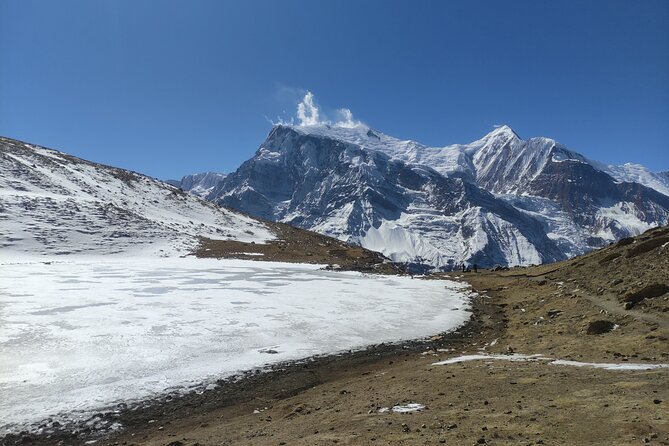
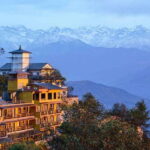
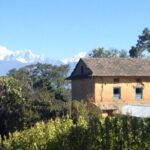
After breakfast in Pokhara, you drive to Ghandruk, around 3–3.5 hours. Ghandruk sits at about 1,940 m, and it’s one of those places where the mountains feel close enough to argue with. You’re also stepping into the human side of the Annapurna region, where Gurung and Magar village life is part of the trek’s appeal.
What I like about a first village stop like this: you start with scenery that makes sense. It’s not just “climb because you must.” It’s “climb because you can see why,” including the dramatic Annapurna massif scenery that people travel for.
The possible drawback? Village days can feel deceptively easy at first. Ghandruk is a welcome landing, but your body still needs to prepare for the steady uphill patterns ahead. Treat it as warm-up, not victory.
Chhomrong and the climb up: Where Views Start Paying Back
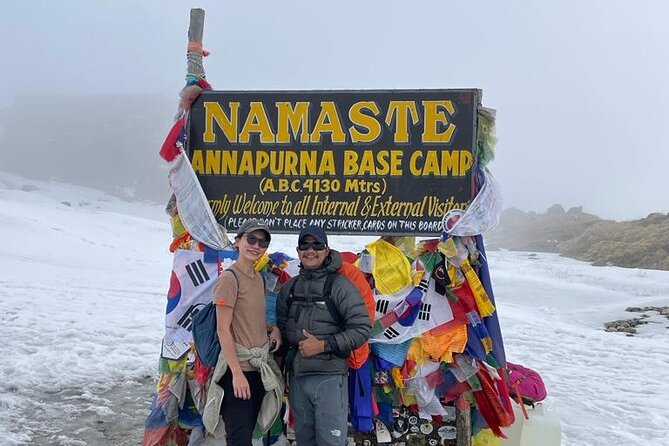
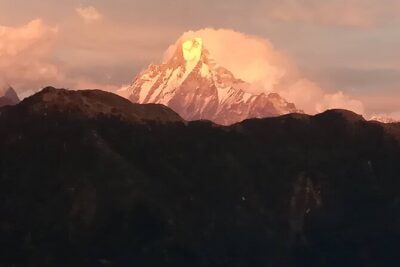
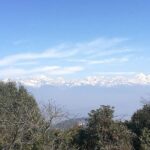
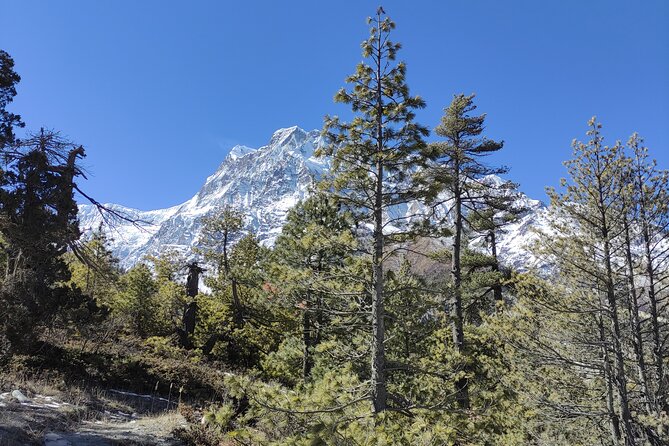
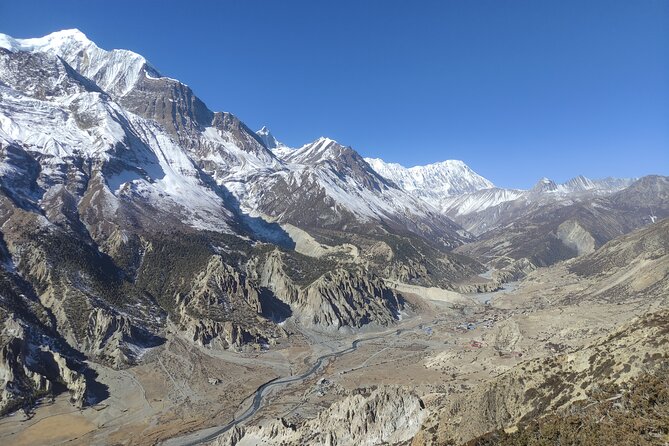
From Ghandruk, the route pushes you uphill for about an hour to Kimrungdanda. This is a key payoff moment because you get standout sightlines toward peaks like Annapurna South, Hiunchuli, Fishtail Mountain (Machhapuchhre), and Gangapurna. Even when you’re tired, those views make the effort feel like it has a purpose.
Then you move toward Chhomrong. On day 4, the trail drops through thousands of steps toward Chomrong Khola, then you cross a suspension bridge and climb again up to Khuldighar at 2,380 m. That “down-up” rhythm is common in this area, and it can surprise people who think hiking always means gaining height.
Here’s the practical tip: when the trail goes down, protect your knees and ankles. Short steps help. On the uphills, keep your breathing steady rather than forcing pace. ABC is about finishing, not proving something to the mountain.
The Himalayan Hotel to Deurali to Bagar: The Route Gets Steeper
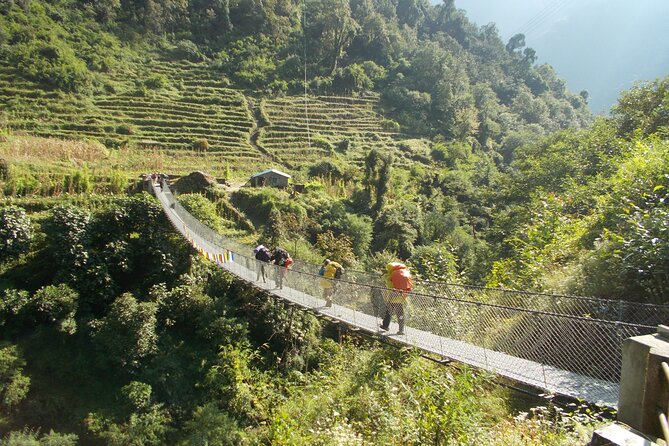
As the days stack up, the scenery shifts and the walking effort increases. Starting from Chhomrong, you descend to the Chomrong Khola, then work your way back upward toward Khuldighar (2,380 m). It’s a long day, built around steps and a steady grind.
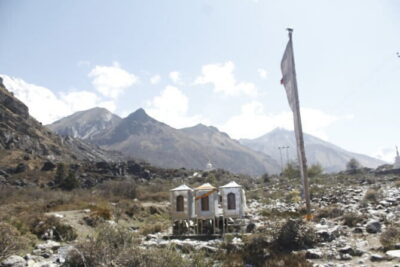
On day 5, you move from the Himalayan area toward Deurali and then onward to Bagar. The route includes a gentle climb through a river bed, followed by a steep ascent on a trail that reaches a mountainside of Bagar. This is where the trek stops feeling like a “nice hike” and starts feeling like training with a view.
And then you connect to the final push. From Machhapuchhre Base Camp, you head toward Annapurna Base Camp. One detail that matters: the forested vegetation gives way, so the air, the light, and the sense of altitude change noticeably as you approach ABC.
If you get even slightly breathless here, don’t panic. This is the normal point in the trek when altitude starts demanding attention.
Reaching Annapurna Base Camp (4,130 m): The Moment You Came For
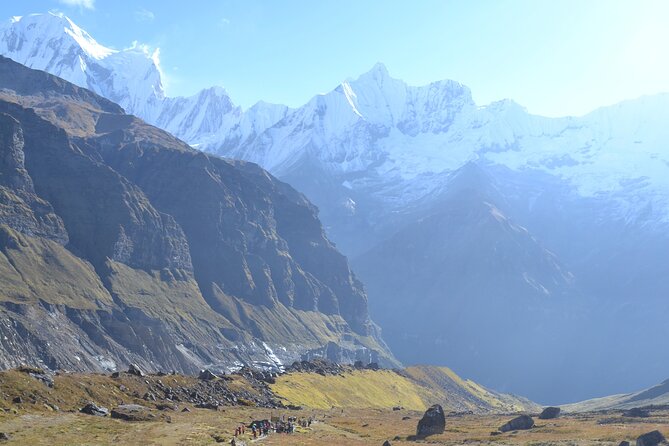
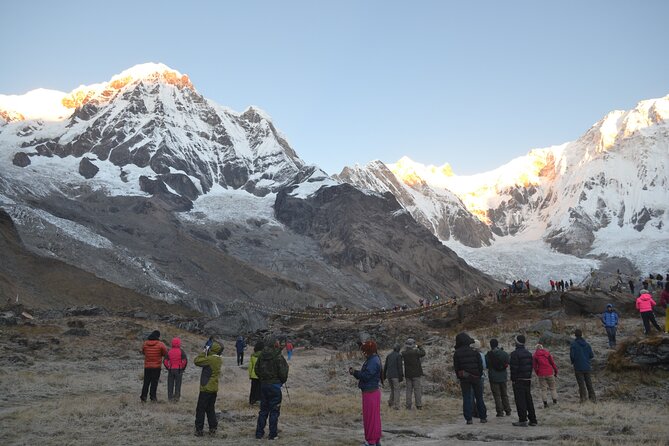
Day 5 ends at Annapurna Base Camp (4,130 m). This is the emotional core of the trek, with panoramic views of major peaks in the Annapurna massif, including Annapurna I and Machhapuchhre (Fishtail) in the broader picture.
Then day 6 is your sunrise morning at ABC, followed by a descent back along the same route. Sunrise is a big deal here because cold air and clearer views often make the whole place feel sharper. Even if you’re not a “sunrise person,” it’s one of the reasons ABC feels different from other treks.
Practical reality: ABC days are often short on comfort and long on cold. Even if you didn’t bring much, the provided down jacket and sleeping bag help you stay functional. Still, you’ll want layers you can manage quickly, because temperatures can swing fast.
One possible drawback: if you arrive at ABC feeling drained, the view might still be stunning, but you may not feel fully present. Plan for that. If you pace well earlier in the trek, you’ll enjoy ABC more, not just reach it.
Bamboo, Chhomrong, and Jhinu Danda: More Than a Return Trip
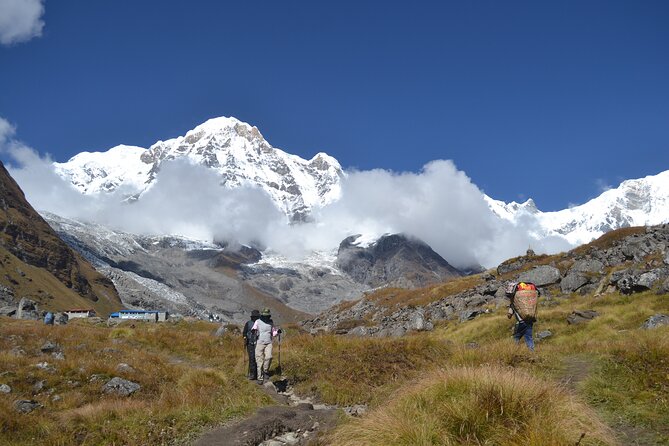
After descending from ABC on day 6, the itinerary continues back through Bamboo. Day 7 then focuses on getting you toward Jhinu Danda via a route that includes uphill segments and stone steps.
Here’s the reason I like this structure: it breaks up the return trek so it doesn’t feel like one endless repetition. You’re still using the same overall area, but the walking rhythm changes, and you get fresh views as you move through different elevations.
Jhinu Danda is also a memorable waypoint because it’s tied to the idea of “earned relaxation.” The itinerary includes trekking uphill to Kuldighar first, then downhill to Chhomrong Khola, then another uphill stretch before reaching Chhomrong again and continuing toward Jhinu Danda.
If your legs feel heavy, focus on one thing: steady cadence. Don’t fight the mountain with brute force. This is when your guide’s pacing choices matter, and in past groups, Sudam and Ganesh have been credited with supportive, attentive guiding.
Naya Pul and Pokhara: Finishing Strong, Then Recovering on Purpose
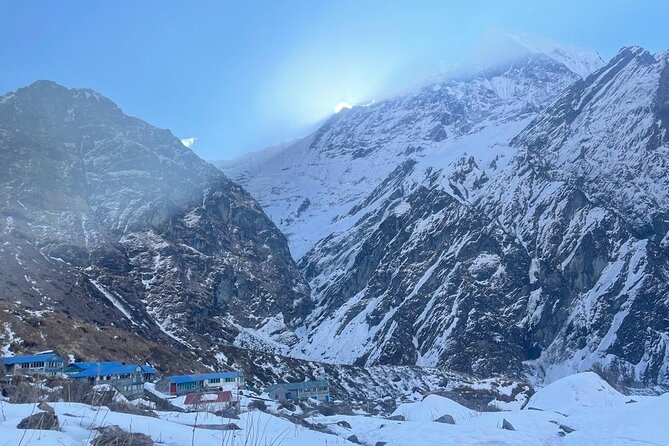
On day 8, you move from Jhinu Danda toward Naya Pul. You’ll hike along the side of Modi Khola for about 4–5 hours before reaching Birethanti. Then you drive about an hour to Pokhara, where you stay overnight.
This is a smart “transition day” because it links the trek to easier movement and a comfortable finish. The ACAP region hiking along the river corridor can feel varied compared to the earlier step-heavy segments, and it helps you close the loop mentally: yes, you’re done, and yes, you can breathe again.
Day 9 is your leisure day in Pokhara. You can choose your own sightseeing, including options like Phewa Lake and Begnas Lake. I love having one full day off after ABC because it turns the trip from a single endurance event into a real Nepal holiday. It also gives you time to eat well, wash up fully, and recover.
Kathmandu return: That last mountain glimpse
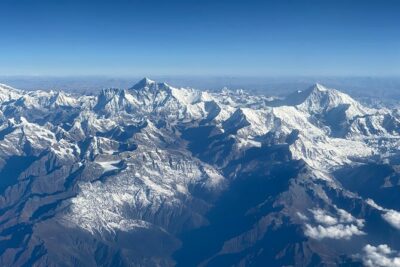
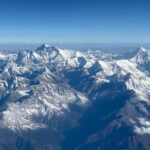
On day 10 you return to Kathmandu by scenic flight or bus in the afternoon. The flight is described as extremely scenic, giving you a final chance to see the Annapurna region from above.
If you’re flight-inclined, this is the moment to take it. A quick aerial view is a way to “put the map together” after days of walking and turning corners one step at a time. Then you arrive back in Kathmandu and the trip ends back at the meeting point.
Price and logistics: What $996 buys you (and what to watch)
At $996 per person for 10 days, you’re paying for a full package: guide support, porter support, key permits, equipment, and transport across Nepal. The biggest value is not any single item—it’s the fact that you’re not juggling details day after day.
Here’s what’s included based on the trip structure:
- Airport pickup and hotel transfer in Kathmandu
- Kathmandu sightseeing by private vehicle
- Kathmandu to Pokhara by tourist bus, plus Pokhara to Nayapul and back by private vehicle
- A government-licensed trekking guide
- A porter carrying baggage (25 kg max; 2 guests per porter)
- ACAP and TIMS permits
- Trek gear basics: sleeping bag and down jacket
- Meals during the trek (with breakfast, lunch, and dinner counts provided for 8 days each)
- First aid kit support and emergency rescue help covered by your travel insurance
- Group cap of up to 16 travelers
What I’d watch: this isn’t a minimalist, “pay only when needed” trek. If you already own winter gear and prefer to handle permits and permits yourself, the all-in nature may not feel necessary. But if you want a smooth, guided route through a high-demand region, this package style is exactly what you want.
Also, the itinerary includes multiple long travel segments. If your ideal trip is mostly hiking, this one still spends meaningful time moving between cities.
Who should book this Annapurna Base Camp trek
This trek fits best if you:
- Have moderate fitness and can handle steep sections and long walking days
- Want a guided experience with a government-licensed guide
- Appreciate clear logistics and included permits
- Like the idea of a small group (maximum 16) with real human support
It may not fit as well if you:
- Struggle with high altitude or steep descents
- Want a trip with minimal travel time
- Don’t want to commit to the cold-weather setup (even though gear is provided)
One extra confidence boost from the reviews: guides are described as professional and attentive, with Sudam and Ganesh frequently singled out. A porter being considerate also matters more than people think. When luggage is handled well, you hike smarter instead of heavier.
Should you book this Annapurna Base Camp 10-day trek?
Yes—if your goal is to reach Annapurna Base Camp with solid support and minimal admin. The combination of a licensed guide, porter help, included cold-weather gear, and permits handled for you makes the trek feel less chaotic and more doable.
I’d book it especially if you like having structure without feeling like you’re being rushed. The itinerary gives you a Pokhara arrival day, a full Pokhara recovery day, and a scenic way back to Kathmandu. That balance is rare, and it’s what helps many people enjoy the trek instead of just surviving it.
FAQ
What is the total duration of the Annapurna Base Camp trek?
The trek is listed as 10 days approximately.
Where does the tour start and what time?
It starts at The Great Adventure Treks & Expedition Pvt. Ltd in Kathmandu, with a start time of 8:15 am, and it ends back at the same meeting point.
Is pickup offered?
Yes. Airport pickup and transfer to the hotel are included.
How do you get from Kathmandu to Pokhara?
You travel by tourist bus, with a ride time of about 6–7 hours.
Is a guide included, and what kind of guide?
Yes. You get an professional trekking guide with government license.
Do I need to get permits myself?
No. The itinerary includes the Annapurna Conservation Area Project (ACAP) permit and the TIMS card.
Are meals included during the trek?
Yes. Breakfast (8), lunch (8), and dinner (8) are included.
Is trekking gear included?
Yes. Necessary equipment such as a sleeping bag and down jacket are included.
Do you provide a porter?
Yes. A porter is included with baggage carry support of up to 25 kg max, set up as 2 guests per porter.
Who is this trek for fitness-wise?
The tour notes moderate physical fitness is required, and the route includes steep ascents and high altitude, with Annapurna Base Camp at 4,130 meters.