REVIEW · HIKING & TREKKING
Ghorepani(Poonhill Trek)
Book on Viator →Operated by Himalayan Abode travels and Tours, Treks and Expedition · Bookable on Viator
A short trek with a big payoff is hard to find in Nepal, and this Ghorepani (Poonhill) private setup hits that sweet spot. I like that you’re not stuck in a group pace—your guide lets you move at your speed—and I also like that lodging and most meals are handled for you, so you spend your energy on walking and views instead of planning. The one real drawback to think about: you still need to be up for an early sunrise morning, and it can be chilly.
This trek is built for people who want Annapurna-region scenery without the heavy altitude stress. The schedule peaks at about 2,540m (at Ghorepani), which makes it a smart choice if you’re short on time or not keen on high passes. You’ll finish with a Pokhara change of pace—pleasant, laid-back, and a good place to decompress before heading back to Kathmandu.
In This Review
- Key Things I’d Watch For Before You Go
- Why Ghorepani & Poonhill Works So Well (Especially If You’re Time-Limited)
- What $600 Buys Here (And Why It Can Be Fair Value)
- Day 1: Kathmandu Setup and a Private Orientation Day
- Day 2: Ghorepani Views Without Big Altitude Stress
- Day 3: Poon Hill Morning and the Big Sunrise Payoff
- Day 4: Ghandruk Village Walk and Fishtail Perspectives
- Day 5: Finish in Pokhara (Your Post-Trek Reset)
- The Guide and Porter Factor: How This Trek Feels Less Stressful
- Transportation, Tickets, and the Small Things That Affect Your Day
- Packing and Food Choices: Simple Gear That Actually Helps
- Who This Ghorepani Poonhill Trek Is Best For
- A Few Balanced Considerations Before You Book
- Should You Book This Private Ghorepani (Poonhill) Trek?
- FAQ
- What time does the trek start, and where do we meet?
- Is the trek private or shared with other groups?
- How hard is the altitude?
- Are meals and accommodations included?
- Do I get a guide and porter?
- Can I choose vegetarian or non-vegetarian meals?
- What happens if I cancel close to the start date or if weather is bad?
Key Things I’d Watch For Before You Go
- Private pace: You and your party hike together with your guide, not a slowest-wins group.
- Meals + lodging included: Your trekking days are less chaotic because food and stays are already lined up.
- Guide + porter support: You get help with route decisions and carrying the weight.
- Classic sunrise logistics: The Poon Hill morning is the main moment, and cold mornings are part of the deal.
- Lower-altitude feel: Max elevation is listed around 2,540m, which usually means less altitude drama.
- All the permit basics: National park fees, taxes, and environmental charges are included in the package price.
Why Ghorepani & Poonhill Works So Well (Especially If You’re Time-Limited)
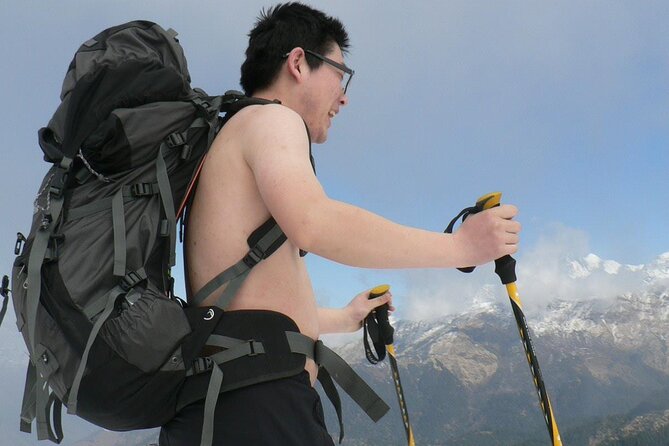
If you’ve ever looked at Nepal treks and thought, I want the mountains, but I don’t want a month-long project—this is the “smart short” version. Ghorepani and Poonhill sit in the Annapurna region’s foothills, with a trail that’s demanding enough to feel like a trek, but friendly enough to keep things manageable.
You’re also getting the reason Poonhill is famous: morning light that makes the Annapurna region pop. In plain terms, you’re paying for a sunrise view and a string of village scenery, not for day after day of extreme climbing.
The other thing that matters is the rhythm. Five days means you can do the whole thing without turning your vacation into a logistics spreadsheet. And because the trek is private, you can often keep the day feeling human—pause when you want photos, ask questions, and don’t feel guilty if you need an extra rest.
You can also read our reviews of more hiking tours in Kathmandu
What $600 Buys Here (And Why It Can Be Fair Value)
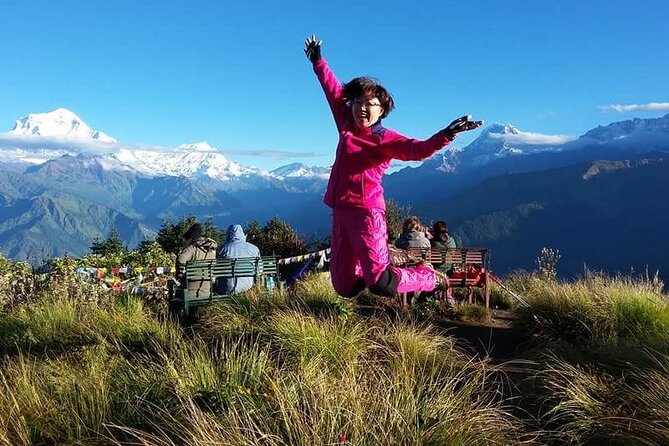
At first glance, $600 for a five-day trek might sound like a “tour price,” but when you look at what’s included, the number starts to make more sense.
What you’re getting includes:
- Trekking guide and porter, with their insurance noted
- Nightly accommodations and multiple meals during the trek period
- Guide/porter meals (lunch, dinner, breakfast for them)
- National park fees plus an environmental management charge
- Fuel surcharge and local taxes
- Hotel pickup and drop-off
So you’re not just paying for walking. You’re paying for planning, permits, transport, and the working support system that keeps the trek running smoothly.
Is $600 “cheap”? It’s not a bargain-bin price. But for a private trek that includes guide/porter support and meals, it can feel like good value—especially if you’d otherwise have to hire those components separately and spend days getting them organized.
Day 1: Kathmandu Setup and a Private Orientation Day
You start in Kathmandu with a guided day that’s designed to get you ready without overwhelming you. The itinerary begins at Himalayan Abode Travels and Tours Treks and Expeditions for a Private Kathmandu Day Tour, listed as about an hour with admission ticket free.
Why that matters: the first day in Nepal shouldn’t be all stress. Kathmandu can be intense—traffic, noise, busy streets—and an organized start helps you get your bearings fast. You’re also told pickup is available, and the listed start is tied to Tribhuvan Airport with a start time of 8:00 am.
This is also where you’ll want to confirm your food preference early. You can choose veg or non-veg, and sorting that out before the trek days keeps everything easier later.
Day 2: Ghorepani Views Without Big Altitude Stress
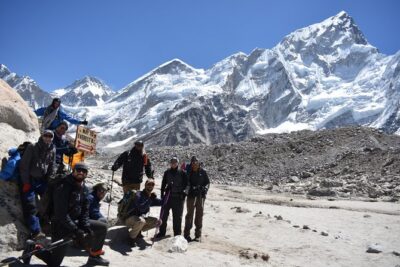
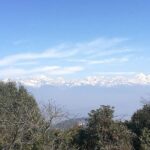
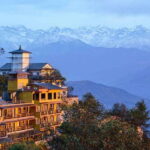
Day 2 takes you to Ghorepani, and the focus is simple: arrive, settle in, and take in the views. You’re promised magnificent mountain range scenery here, and this is a key reason Ghorepani is such a popular base for Poonhill mornings.
A useful detail for planning: the trek’s max elevation is described as only around 2,540m at Ghorepani. That doesn’t mean it’s effortless—your legs still get the workout—but it usually reduces the odds of altitude becoming the main storyline of your trip.
What this day often feels like in practice is “arrival day.” You walk enough to feel accomplished, but not so much that you’re wrecked before sunrise plans. If you’re the kind of traveler who likes to enjoy dinner and actually sleep, this pacing helps.
Day 3: Poon Hill Morning and the Big Sunrise Payoff
This is the day with the wow factor: Poon Hill. The itinerary specifically calls out sunrise and mountain overview here.
In other words, you’re trading sleep for light. That’s not a complaint—it’s just the reality of why Poonhill exists. The morning is when the mountains look crisp and dramatic, not hazy. And because this is a private trek, your guide can help you time the viewing and manage your pace so you’re not sprinting around like a tourist stampede.
Practical note: dress matters. The tour info recommends bringing a warm jacket, plus appropriate layers like trousers and comfortable clothing. Don’t underestimate how chilly it can feel before sunrise, even when the trek days are comfortable.
If you want to make this morning smoother, I’d treat it like a mission:
- Keep layers easy to grab
- Wear trekking-ready shoes
- Plan to move slowly until you’re warm
You’ll be rewarded with one of the most iconic mountain viewpoints in the Annapurna region, without needing advanced climbing skills.
Day 4: Ghandruk Village Walk and Fishtail Perspectives
Day 4 brings you to Ghandruk, and the emphasis is on two things:
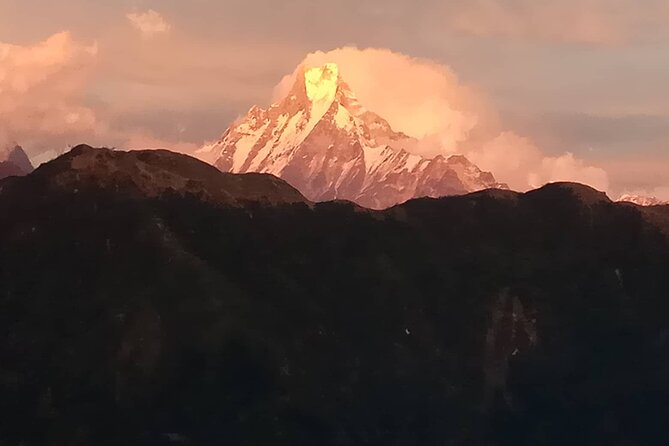
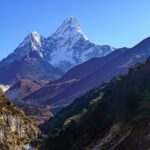
1) Mount Fishtail views
2) The Gurung settlement character of the village
This is where the trek becomes more than just scenery-checking. Villages like Ghandruk help you see how people live in the Annapurna region—settlement, culture, and everyday rhythms tied to the mountains.
Also, Fishtail is a real name for a real reason. On the right day and angle, Mt. Fishtail can look sharp and distinctive, and Ghandruk is one of the places where that face can come into view.
The trek experience here tends to feel calmer than sunrise-hunting day. You’re often walking at a more conversational pace, taking breaks, and enjoying the fact that you’re deep enough into the trek to recognize patterns—stone steps, terraced fields, short steep climbs, and long stretches where you can let your mind wander.
Day 5: Finish in Pokhara (Your Post-Trek Reset)
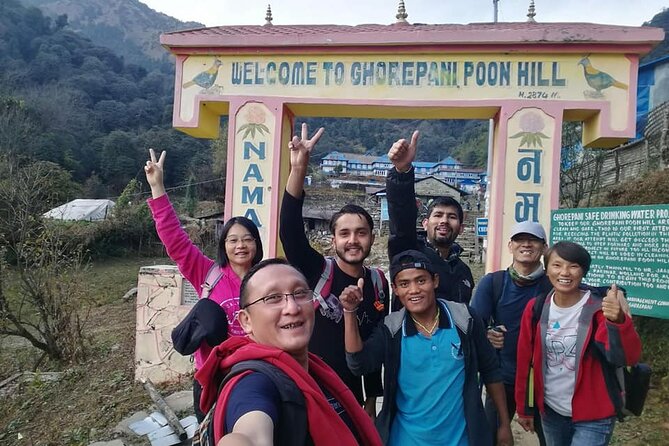
On Day 5 you head to Pokhara, described as a tourist destination and the city known for its lake.
This final day is valuable because it gives you a clean landing. Instead of immediately going from mountain trails to more intense city movement, Pokhara gives you an easier tempo—somewhere to breathe, stretch out, and think about what parts of the trek you want to remember.
Even if you’re eager to keep traveling, Pokhara is a smart stop because it helps you turn the trek into an experience you actually digest. It’s easier to celebrate good walking days when you’re not doing it while rushing to catch the next transport.
The Guide and Porter Factor: How This Trek Feels Less Stressful
This trek isn’t just about scenery. It’s about how the support system changes your day-to-day stress level.
A private guide and porter help with:
- Route choices and pacing so you don’t have to constantly make decisions
- Safety and comfort—especially helpful on any mornings when visibility is limited and everyone’s a little groggy
- Reducing the burden of carrying gear
And the human details matter. One review credits guide Prabin and porter Sabin as excellent—friendly, helpful, and flexible enough to accommodate changes in the itinerary without issues. That flexibility can be a huge deal on mountain trips where weather and comfort can change the plan.
You’ll also see strong praise for the agency leadership. Names like Nabin and Naveen show up as owners associated with professional organizing and warm welcoming. In practice, that’s what you want: someone who can handle logistics quickly when you’re not in the mood to negotiate ticket timing or puzzle out transit.
Transportation, Tickets, and the Small Things That Affect Your Day
Your trip includes hotel pickup and drop-off, plus it’s set up with a mobile ticket. These aren’t flashy features, but they save time and reduce confusion. On trek days, the last thing you want is to waste energy figuring out where to be and when.
Also included are the less visible costs that often annoy budget-conscious travelers:
- National park fees
- Local taxes
- Fuel surcharge
- Environmental management charge (Reef Tax)
When those are included, you don’t have to scramble for extra payments mid-trip or worry that permits are missing. That’s the kind of “background competence” that makes a trek feel smoother.
Packing and Food Choices: Simple Gear That Actually Helps
The tour provides basic guidance on what to bring and how to prepare. Based on the listed recommendations, I’d plan around:
- Warm jacket
- Comfortable dress and a trouser
- T-shirt
- Layers that let you handle both colder mornings and warmer walking hours
You also have a food choice: you can select veg or non-veg. That matters because trekking meals can be limited in choice depending on where you’re staying. Locking it in early helps you eat what your body expects—and keeps energy steady.
One more practical tip: even on lower-altitude treks, you’ll walk enough that water and snacks are part of your routine. The itinerary includes meals for your guide/porter and breakfast/dinner/lunch for you on the listed days, but it’s still smart to bring a little extra personal comfort food if you’re picky about taste or timing.
Who This Ghorepani Poonhill Trek Is Best For
This private Ghorepani (Poonhill) trek is a good match if you:
- Want an Annapurna region experience without high-altitude strain
- Have limited time (five days is realistic)
- Prefer private support instead of hiking with a mixed-speed group
- Like the classic “big morning view” payoff and then actually enjoy the day after
It can also work well for families or mixed-experience groups, because a short trek helps keep momentum positive. And because you’re staying overnight along the way with meals included, you avoid the biggest failure point of DIY trekking: logistics fatigue.
If you’re the type who hates early starts, you can still do this trek, but you should treat sunrise day as the non-negotiable moment. The mountains don’t wait for your schedule.
A Few Balanced Considerations Before You Book
No trek is perfect, and this one has a couple things to think about:
- Early morning on Day 3: Expect a sunrise-focused schedule, which means colder temps and less sleep.
- Short timeline: Five days is great for efficiency, but it’s also tight. If you want long rest days or a very slow travel pace, you might feel rushed by the structure.
- Weather dependence: The experience notes it requires good weather. If conditions are poor, you may be offered a different date or a full refund.
Those aren’t deal-breakers. They’re just the normal reality of mountain travel—and knowing them ahead of time makes you happier when the moment arrives.
Should You Book This Private Ghorepani (Poonhill) Trek?
I’d book this if you want a private, well-organized short trek that delivers the Annapurna dream without turning your trip into constant planning work. The biggest reasons are the practical ones: lodging and meals are included, the guide/porter adds real comfort and safety, and the schedule is tuned to the Poonhill morning highlight.
I’d skip it or at least think twice if sunrise mornings and chilly early starts sound miserable. Also, if you’re the kind of traveler who wants to wander completely unsupervised, a private guide might feel like too much structure—even if it’s flexible.
If you’re ready for mountains, village days, and that iconic early light on Annapurna-area peaks, this is a strong choice.
FAQ
What time does the trek start, and where do we meet?
The listed start is 8:00 am at Tribhuvan Airport, Kathmandu, Nepal. Hotel pickup and drop-off are also included.
Is the trek private or shared with other groups?
It’s a private tour/activity. Only your group participates.
How hard is the altitude?
The tour information notes the maximum elevation during the trek is about 2,540m at Ghorepani, so you’re not chasing extreme altitude on this route.
Are meals and accommodations included?
Yes. Nightly accommodations and meals are included, and the included list specifies breakfasts, dinners, and lunches during the trek days.
Do I get a guide and porter?
Yes. The package includes a trekking guide and porter, plus guide/porter meals and insurance.
Can I choose vegetarian or non-vegetarian meals?
Yes. The tour info says you can choose veg or non-veg.
What happens if I cancel close to the start date or if weather is bad?
You can cancel up to 6 days in advance for a full refund. If the experience is canceled due to poor weather, you’ll be offered a different date or a full refund.