REVIEW · EVEREST BASE CAMP TREKS
Everest Base Camp Trekking
Book on Viator →Operated by Incredible Treks Pvt. Ltd. · Bookable on Viator
Everest Base Camp is a bucket-list move. What makes this one practical is that it treats the trek like a real plan, not a hope-and-pray itinerary. You’ll get expert-led logistics, included permits, and a route that hits the signature Everest scenery and culture along the way.
I love how much is handled for you: permits, accommodation, and meals during the trek are bundled in. I also like the tight team setup (an English-speaking guide plus a porter for every two trekkers), which keeps the days moving without you guessing.
The main thing to consider is what’s not included: Kathmandu lodging and many comfort basics on the trail (think hot shower, hot water, charging, and Wi‑Fi). If you’re expecting creature comforts, this route will feel spartan.
In This Review
- Key highlights worth caring about
- Why this 12-day Everest Base Camp plan feels like it’s built for humans
- Price and what you actually get for $1,350
- Guides, porters, and the human touch that comes through in reviews
- From Kathmandu to Lukla: the flight day you’ll remember
- Namche Bazaar and Sherpa culture: acclimatization plus real context
- Tengboche monastery, blessings, and the memory behind the views
- Everest Base Camp itself: what the day actually feels like
- Tea houses, meals, and gear: what’s included versus what you must plan for
- Fitness and altitude: the part you can’t outsource
- Who this trek suits best (and who should reconsider)
- Should you book this Everest Base Camp tour?
- FAQ
- What is the duration of the Everest Base Camp trek?
- Where does the tour start in Kathmandu?
- What time does the trek start?
- What is included in the trek portion for meals and lodging?
- Does the price include permits and park fees?
- Are flights included, and where do they fly?
- Is airport pickup included in Kathmandu?
- Do you provide trekking gear like sleeping bags or jackets?
- Is there a vegetarian meal option?
- What insurance is included, and what is not?
Key highlights worth caring about
- Expert guide + porter support keeps the pace sensible and the logistics off your plate
- All key permits and fees included (National Park fees, TIMS, and more)
- Lukla flights via Ramechhap and back to Kathmandu handle the big transport hurdle
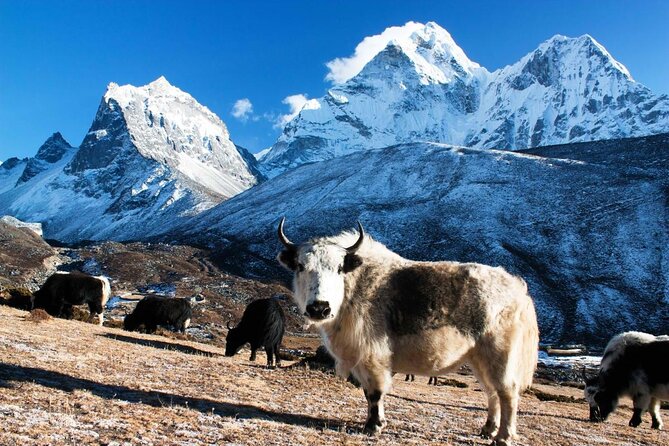
- Signature Everest stops: Namche Bazaar, Tengboche monastery, Everest Base Camp, Kalapatthar, and Khumbu Glacier
- Tea-house trekking with full trek meals makes budgeting and packing easier
- Small group size (max 15) usually means less chaos when you’re at famous viewpoints
Why this 12-day Everest Base Camp plan feels like it’s built for humans
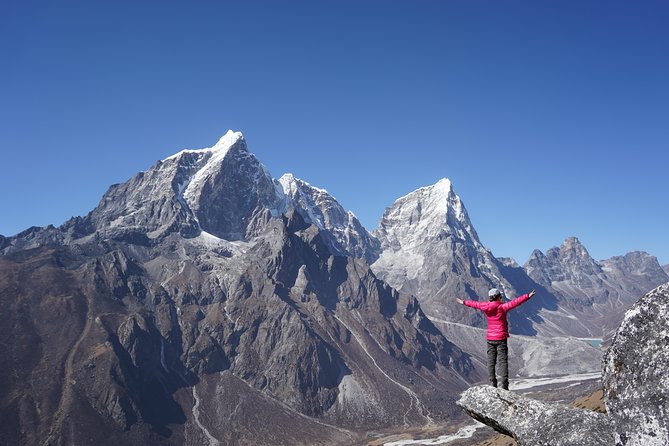
Everest Base Camp is high altitude, long days, and slow progress by design. That’s why I like treks that cut decision fatigue. This one is set up to take care of the moving parts: guide, porter support, included permits, and the normal rhythm of tea-house lodging and meals.
Your job is still the hard part—getting fit and walking steadily—but the “running around” job is reduced. You won’t be trying to piece together permits, accommodations, and route timing while also learning how altitude hits you. The schedule is also intentionally short enough to feel doable in a vacation window, but long enough to include the key cultural and viewpoint stops.
Two stages matter most: acclimatization (so you don’t get wrecked early) and the push to the big views (so you’re not mentally spent when the scenery turns epic). This itinerary follows that logic with Namche Bazaar and Sherpa life up front, then the deeper Everest landmarks once you’re ready.
You can also read our reviews of more hiking tours in Kathmandu
Price and what you actually get for $1,350
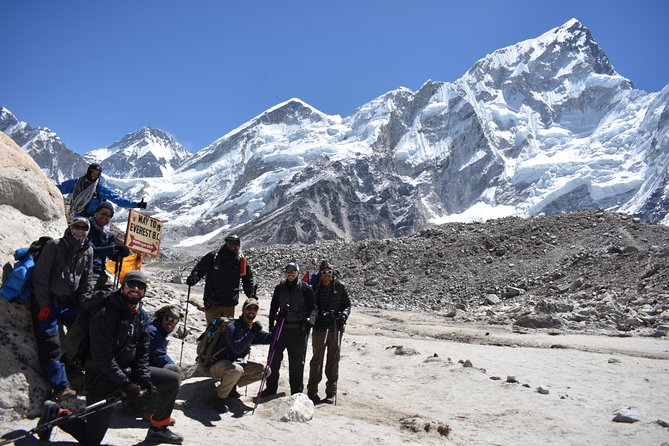
At $1,350 per person, the biggest question is value: are you paying for logistics, or just a route on paper?
Here’s the practical side of what’s included:
- 11 nights of basic tea-house accommodation during the trek
- Breakfast, lunch, dinner during trekking days
- Airfare Kathmandu (Ramechhap)–Lukla–Kathmandu (Ramechhap)
- National Park fees, VDC, TIMS, and other applicable taxes
- Trekking guide + porter support (English speaking guide; porter support listed as 2 trekkers : 1 porter)
- Insurance included in the package, plus the travel staffing and their costs (food/salary/accommodation for guide/porters)
- Domestic airport pickup & drop and a complimentary trekking map for your group
Now, the honest caveat: personal medical/rescue insurance and emergency evacuation expenses are not included. The package lists personal rescue costs (like helicopter) under what’s not covered. So you’ll still want your own travel/medical plan that matches the realities of high-altitude trekking.
Also, the trek comforts you might assume are included are not: hot shower, hot water, battery charging, and Wi‑Fi are listed as not included during trekking. That’s normal for the region, but it affects value if you’re comparing this to easier budget treks.
Overall? For Everest Base Camp, this pricing looks like you’re paying for the big essentials: permits, guided route, tea-house structure, and the tricky flights into Lukla.
Guides, porters, and the human touch that comes through in reviews
Everest treks rise or fall on people. You can have a great route and still feel stressed if the team is disorganized or overly rigid.
This tour emphasizes guided support all the way through, and the reviews you provided align with that. One standout theme: excellent guide care. People specifically praised Ram Dhakal for looking after them throughout the trip. Another review highlighted manager coordination with Nadin, and a guide named Dillip described as amazing for a solo bucket-list trek. Those names matter because they signal consistent staffing, not a random swap of roles day to day.
What I like in the structure is that you’re not going to carry everything alone. With a 2 trekkers : 1 porter setup, you can keep your own pack focused on day essentials while the porter handles much of the trekking load. That’s not about luxury—it’s about keeping you fresher for altitude work.
Also, the itinerary wording points to cultural explanations as part of the trek. At Everest Base Camp, the scenery does the talking, but you also want context when you’re walking through Sherpa communities and historic paths. The better guides help you notice what you’d otherwise miss.
From Kathmandu to Lukla: the flight day you’ll remember
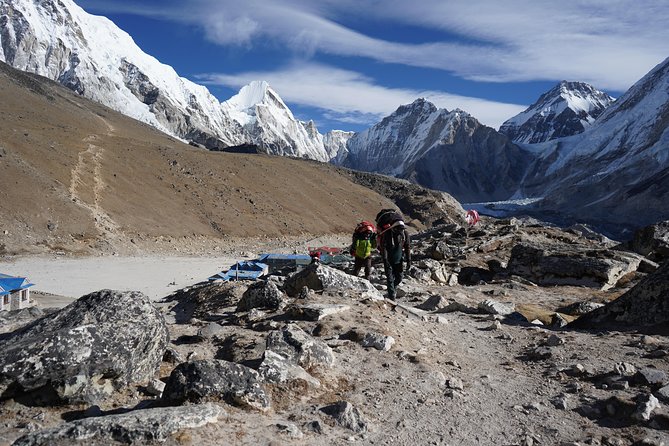
Your trek starts in Kathmandu, with the meeting point at Thamel (44600) and a start time of 6:15 am. The package also includes domestic airport pickup & drop.
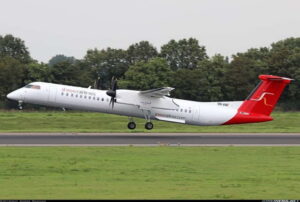
One key detail: flights are booked as Kathmandu (Ramechhap)–Lukla–Kathmandu (Ramechhap). That matters because it frames how you should mentally prepare for the beginning and end of the trek. Even when everything goes smoothly, travel days to and from Lukla create a different energy than the hiking days.
If you’re the type who gets nervous about flight schedules, this is still manageable because the tour handles the transport piece. Just go in with the right mindset: this is part adventure, part logistics, and your job is to be ready early.
Namche Bazaar and Sherpa culture: acclimatization plus real context
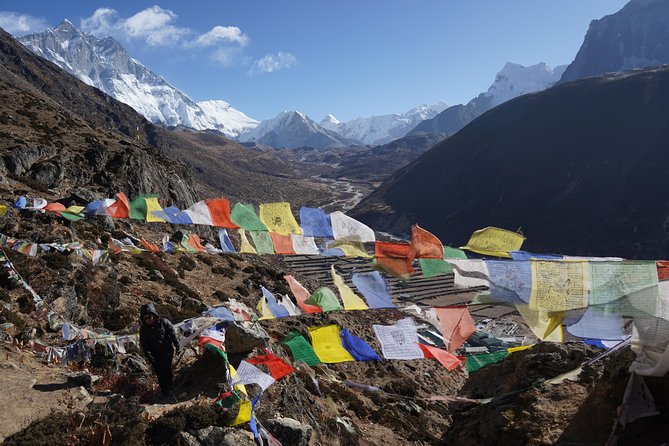
One of the most quoted reasons people love Everest treks is that they don’t start with the highest altitude views. They build up to them.
The itinerary specifically calls out Namche Bazaar, including it as the famous high-altitude market. That stop is more than a photo moment. Namche is where you feel how daily life works in the Khumbu region—where people sell, trade, and move goods while living with thin air.
You’ll also get Sherpa culture and lifestyle woven into the walk. And the route follows part of the famous path associated with Sir Edmund Hillary and Tenzing Norgay Sherpa, which gives you a historic sense of where you are.
Here’s what you should expect to feel at this stage:
- More breathing awareness (shorter breath, slower steps)
- Slower progress but better confidence
- A good chance to adjust your walking style—steady and calm wins
The biggest drawback risk on this section is rushing because the scenery looks too good. If you’re prone to power-walking, this is where you’ll want to switch gears and follow the guide’s rhythm.
Tengboche monastery, blessings, and the memory behind the views
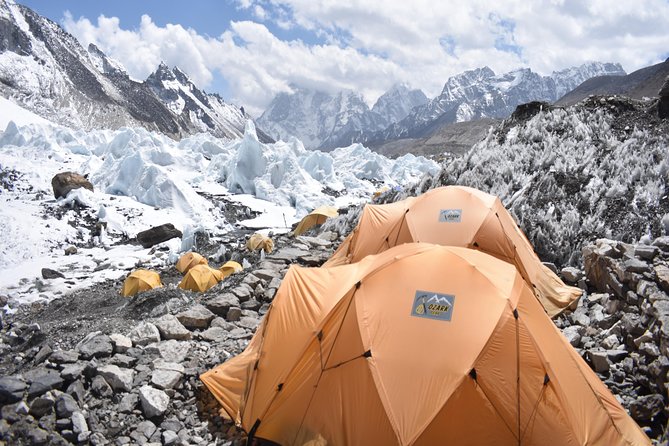
As the trek climbs, the itinerary turns human and spiritual as well as scenic.
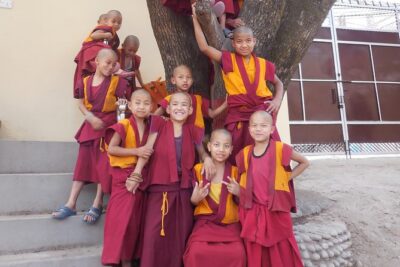
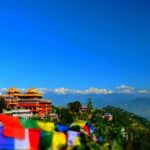
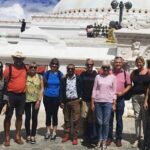
You’ll have the chance to explore Tengboche monastery, with the tour listing a moment to seek blessings from a monk. Even if you’re not religious, this is one of the ways Everest trekking becomes more than just an oxygen challenge. You see traditions still living, not just preserved for tourists.
The itinerary also includes a stop connected to the memorial hill of deceased climbers. That part matters. Everest is famous for triumph, but that memorial reminds you that the mountain demands respect and that people have sacrificed for the journey.
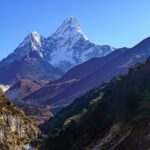
And you’ll get classic viewpoint moments too, including Kalapatthar, which is known for close views of Everest. The tour lists close view of the mighty Everest from the famous viewpoint Kalapatther, which is exactly the kind of payoff you hope for after days of careful walking.
Then there’s the Khumbu glacier listed as a highlight. Seeing the glacier in person changes the whole scale of what you’ve been studying on maps.
Everest Base Camp itself: what the day actually feels like
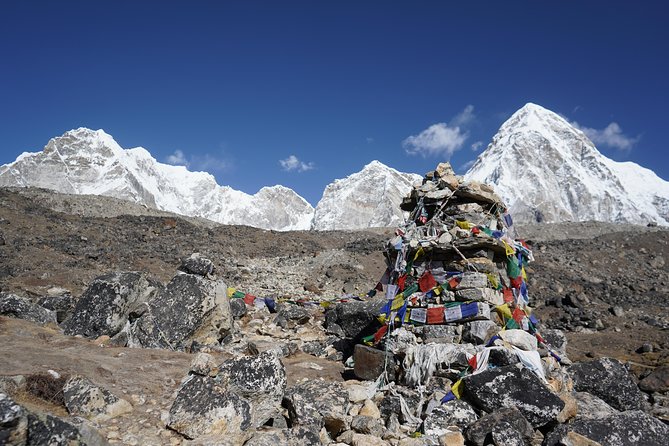
The moment you set foot at Everest Base Camp is the center of the trip. The tour notes that an accredited guide will meet you at the start of the key segment and explain the cultural and natural values as you go, so you’re not just walking from one landmark to the next.
At Base Camp, you can expect a mix of emotions:
- Awe from the scale
- A strange calm as the noise drops and the world narrows to footsteps
- A strong sense of achievement because the trek finally matches the goal
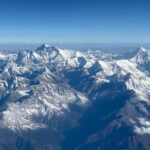
The itinerary also mentions panoramic mountain views of the world’s highest peak above 8000m and a world’s popular Everest Base Camp moment, plus the glacier. That combination is important. Some treks give you one big view. This one layers several: wide panoramas, the base-camp setting, then the closer vantage at Kalapatthar later.
One practical note: Base Camp days can be emotionally addictive, so you might feel tempted to push beyond your energy. Don’t. You want to enjoy the place, not gamble with altitude and fatigue.
Tea houses, meals, and gear: what’s included versus what you must plan for
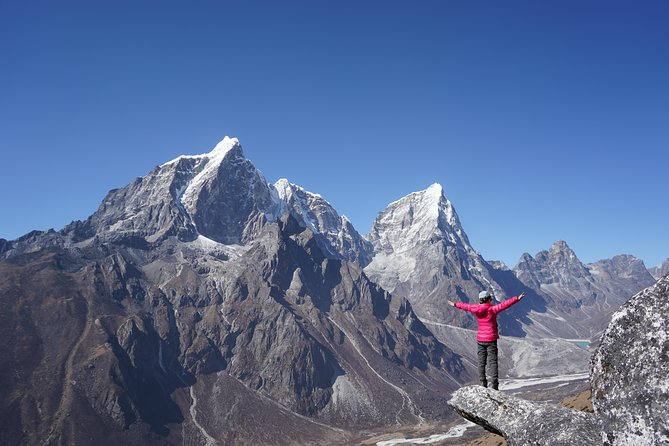
This trek uses basic tea houses for 11 nights. That usually means simple rooms, shared dining spaces, and a need to accept that conditions are basic by design. It’s part of how the trek is affordable and sustainable in the region.
Meals are included during trekking: breakfast, lunch, dinner. Vegetarian options are available if you tell the operator at booking. That’s a big deal if you need predictable food instead of hunting for what’s open.
Gear support is also offered: sleeping bag, duffel bags, and down jacket will be provided upon request during trekking. That can save you hauling bulky items or paying extra to rent them at destination. If you run cold easily, the down jacket piece matters.
What you should plan for yourself:
- Personal trek equipment is not included
- Hot shower, hot water, battery charge, and Wi‑Fi are not included during trekking
- Kathmandu accommodation is not included
If you want to charge devices, buy power banks, and plan on limited connectivity, you’ll feel a lot calmer once you arrive.
Fitness and altitude: the part you can’t outsource
The tour clearly states you should have a strong physical fitness level. That’s not a marketing line—it’s the reality of walking for days at altitude where your effort feels amplified.
You don’t need to be an elite athlete, but you do need stamina and mental patience. Everest treks reward consistency more than speed. If you tend to sprint early and pay later, you’ll want to fix that before you go.
Also remember the trip is short relative to the grandeur of the mountain. That means your best tool is pacing. Walk slower than your instincts at higher elevations, hydrate, and follow your guide’s rhythm.
Who this trek suits best (and who should reconsider)
This is a good match if:
- You want logistics handled (permits, accommodations, meals, guide, porter, flights)
- You prefer a small group (max 15 travelers)
- You’d rather focus on fitness and acclimatization than planning details
- You want a route that blends Everest landmarks with Sherpa culture (Namche, Tengboche, Hillary/Tenzing trail references)
It might be a weaker fit if:
- You need hot showers, frequent charging, and reliable Wi‑Fi as part of your travel comfort
- You’re not ready for basic tea-house conditions
- You don’t have strong fitness for an altitude trek
- You want a trip that includes Kathmandu lodging in the package (it does not)
Should you book this Everest Base Camp tour?
If you want Everest Base Camp without getting tangled in permits, tea-house logistics, and trekking-day decisions, this tour structure makes sense. The included pieces are the ones that usually cause headaches for independent planning: permits, guided route support, tea-house lodging, meals during trekking, and the Lukla flight logistics via Ramechhap.
Book it if you’re ready to bring the right expectations: basic comfort, a serious fitness requirement, and the understanding that you’ll arrange your own personal medical and rescue protection.
If you’re unsure, my suggestion is simple: check your fitness honestly, decide if you can live without daily charging and hot showers, and confirm your insurance coverage for medical and emergency evacuation. If those boxes check out, this is a strong way to walk to Everest Base Camp with less stress and more focus on the experience itself.
FAQ
What is the duration of the Everest Base Camp trek?
The trek is listed as 12 days (approx.).
Where does the tour start in Kathmandu?
The meeting point is Thamel, Kathmandu 44600, Nepal.
What time does the trek start?
The listed start time is 6:15 am.
What is included in the trek portion for meals and lodging?
You get 11 nights of basic tea-house accommodation during trekking, plus breakfast, lunch, and dinner during trekking days. Meals in Kathmandu are not included.
Does the price include permits and park fees?
Yes. The tour lists National Park fees, VDC, TIMS fees, and other applicable taxes as included.
Are flights included, and where do they fly?
Yes. Airfare is included for Kathmandu (Ramechhap)–Lukla–Kathmandu (Ramechhap).
Is airport pickup included in Kathmandu?
Yes. Domestic airport pick up & drop facilities are included.
Do you provide trekking gear like sleeping bags or jackets?
You can request sleeping bag, duffel bags, and a down jacket during trekking. Personal trek equipment is not included.
Is there a vegetarian meal option?
Yes. Vegetarian options are available—tell the operator at booking if required.
What insurance is included, and what is not?
The package includes insurance, but it also lists that personal insurance such as medical, accidental and for rescue (helipcopter etc.) and emergency evacuation expenses are not included.