REVIEW · BHAKTAPUR & PATAN DAY TRIPS
Kathmandu: Nagarkot, Bhaktapur, Doleswor & Sanga Statue Tour
Book on GetYourGuide →Operated by Linkage Tour & Travel · Bookable on GetYourGuide
One day can feel like four worlds. This Kathmandu Valley tour pairs Nagarkot’s Himalayan outlook with Bhaktapur Durbar Square’s preserved medieval atmosphere, then adds two major Hindu sites that feel calm and personal. I like how the day flows smoothly from viewpoints to streets to temple grounds without you having to manage logistics.
I’m also drawn to the way the stops are clearly themed: art and architecture in Bhaktapur, then spiritual landmarks in Sanga and Doleshwor. The highlight for many people is the Kailashnath Mahadev Statue in Sanga, described as the world’s tallest Shiva statue, and the sacred feel of Doleshwor Mahadev, linked to Kedarnath in India.
One consideration: the day includes walking and some steps around temple areas and historic streets, so if you have mobility issues, plan to tell your guide early. In one case, a guide and driver helped by getting closer to reduce stair climbing, which can make a big difference.
In This Review
- Key Points That Matter
- Nagarkot Morning: How You Get Himalayan Views Without Stress
- Bhaktapur Durbar Square: The UNESCO Walk That Feels Like a Living Museum
- Sanga Mahadev and the Kailashnath Shiva Statue: A Massive Landmark With Quiet Space
- Doleshwor Mahadev Temple: A Sacred Pause Linked to Kedarnath
- The Driving Day: Private Air-Conditioned Transport and Real Value
- Price and What You’re Actually Paying For ($70 Per Person)
- Best For: Who Will Like This Tour Most
- A Note on Guides and Comfort (Including Mobility)
- Should You Book This Kathmandu Valley Tour?
- FAQ
- What’s the duration of the Kathmandu Valley tour?
- Does the tour include hotel pickup and drop-off?
- Is transportation private and air-conditioned?
- Which places are included in the tour?
- Are entry fees and meals included in the price?
- Is the driver English-speaking?
- What should I bring with me?
Key Points That Matter
- Nagarkot timing for Himalayan views: You get dedicated time with a chance to spot Everest on clear days.
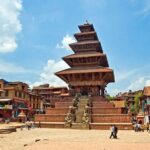
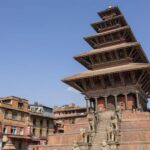
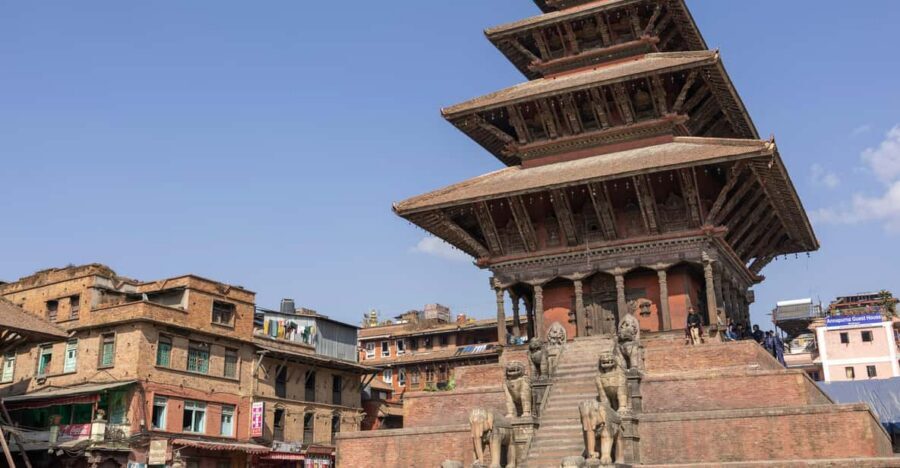
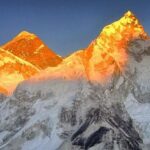
- Bhaktapur Durbar Square UNESCO scope: You’ll see major landmarks like the 55-Window Palace and Nyatapola Temple.
- Sanga’s Kailashnath Mahadev Statue: A huge Shiva statue setting with time to wander the area.
- Doleshwor Mahadev’s pilgrimage connection: The site is believed to be the head part of Kedarnath Temple in India.
- Private, air-conditioned comfort with an English driver: Hotel pickup and drop-off keep your day stress-free.
- Mobility-friendly help when needed: Ask for support if stairs are difficult; the guide may adjust your route.
Nagarkot Morning: How You Get Himalayan Views Without Stress
Most Kathmandu Valley days fail because you spend half your time coordinating rides and half your time waiting. Here, hotel pickup and a private car mean you can use your morning for the actual reason to come: mountain air and long sightlines.
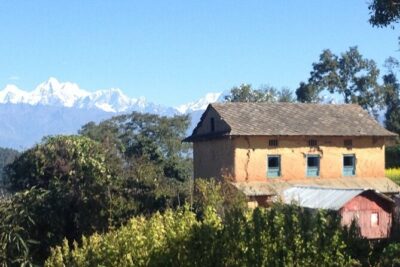
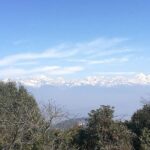
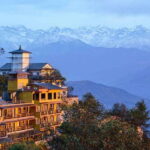
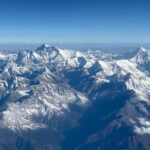
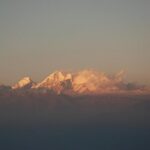
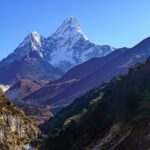
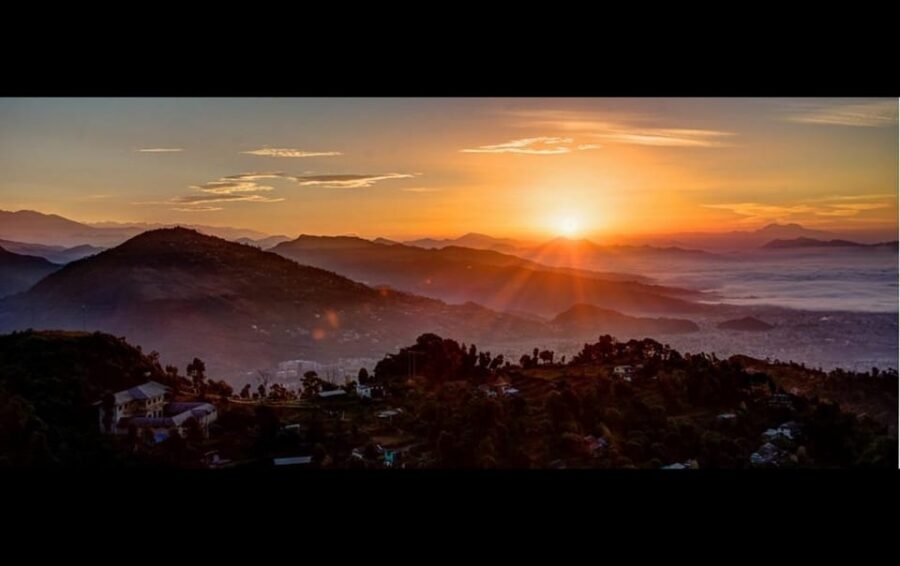
Nagarkot Hill is the payoff. Plan on about 1 to 1.5 hours there, enough time to slow down, take photos, and decide how long you want to stay at each viewpoint. On clear days, you might catch a distant view of Mount Everest, but even without that, Nagarkot’s value is the panoramic feel—layers of hills, changing light, and that crisp, high-mountain air.
Practical tip: wear comfortable clothes you can layer. Early hours can feel cooler, and you’ll likely be standing at viewpoints for photos. Also bring sunscreen and water; Kathmandu Valley sun can be sneaky even when the air feels mild.
You can also read our reviews of more tours and experiences in Kathmandu.
Bhaktapur Durbar Square: The UNESCO Walk That Feels Like a Living Museum
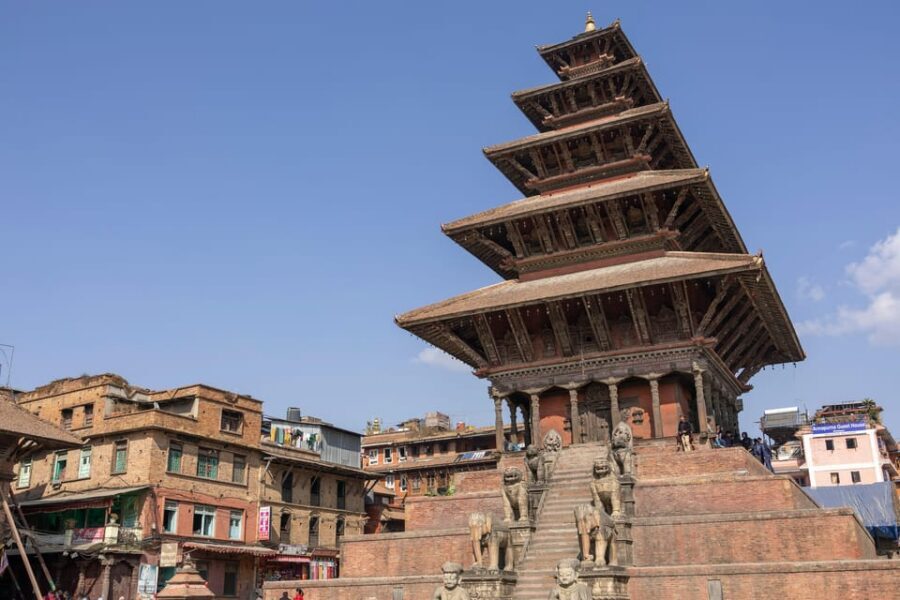
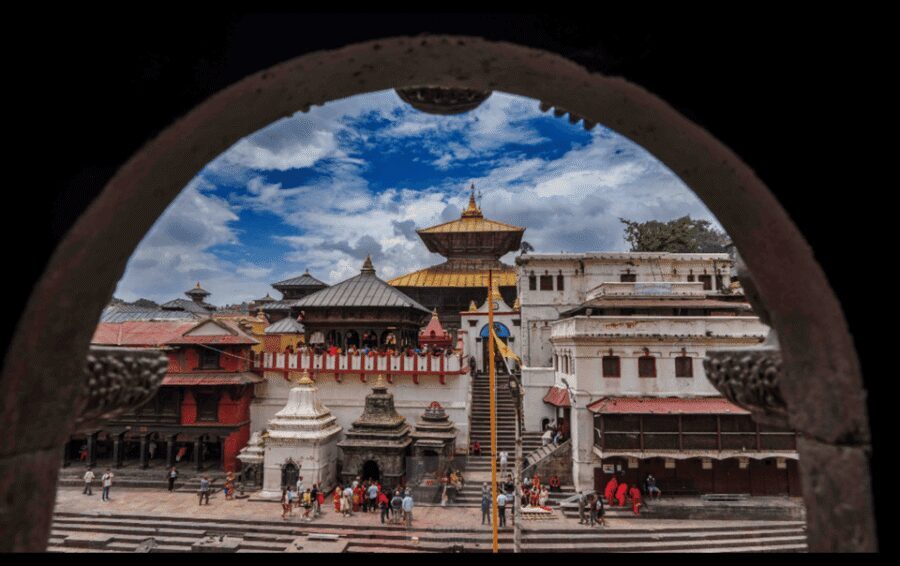
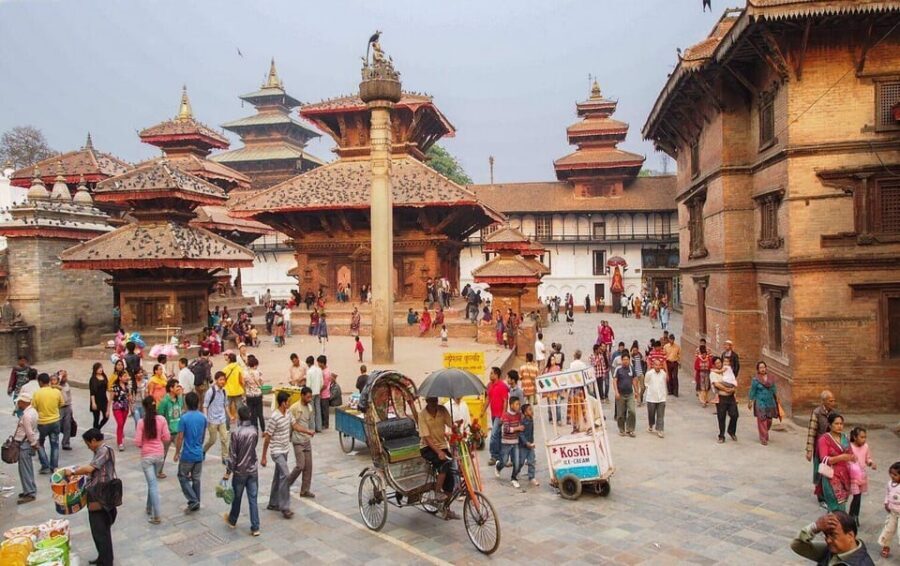
Bhaktapur Durbar Square is one of Nepal’s strongest “how people built their world” lessons. You’re looking at medieval architecture that’s still standing, still used, and still visually busy—courtyards, temples, and carved details that reward a slow pace.
You’ll have about 1.5 hours here. That’s just enough time to cover the big sights without turning it into a sprint. Key places typically include the 55-Window Palace, Vatsala Temple, and Nyatapola Temple. What I like about this stop is that it’s not only pretty—it’s readable. You can tell where the craftsmanship shows up most: doorways, windows, temple bases, and the patterns carved into wood and stone.
A small note for your expectations: Bhaktapur can be uneven. Even if the tour is well planned, you’ll still navigate historic stone and older street layouts. Comfortable shoes matter more here than anywhere else on the day.
If you like culture you can physically see, this is the part that turns the tour from “checklist day” into a real Kathmandu Valley experience.
Sanga Mahadev and the Kailashnath Shiva Statue: A Massive Landmark With Quiet Space
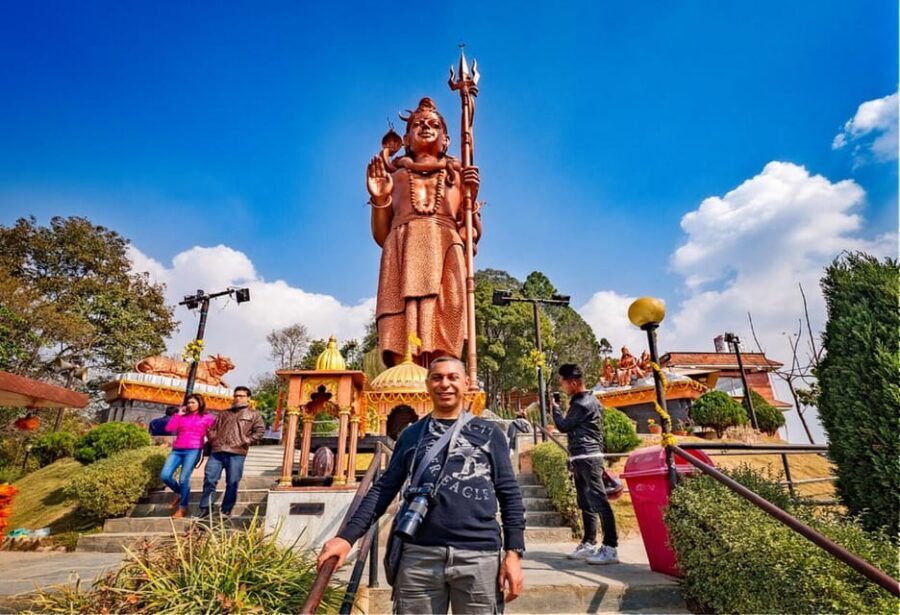
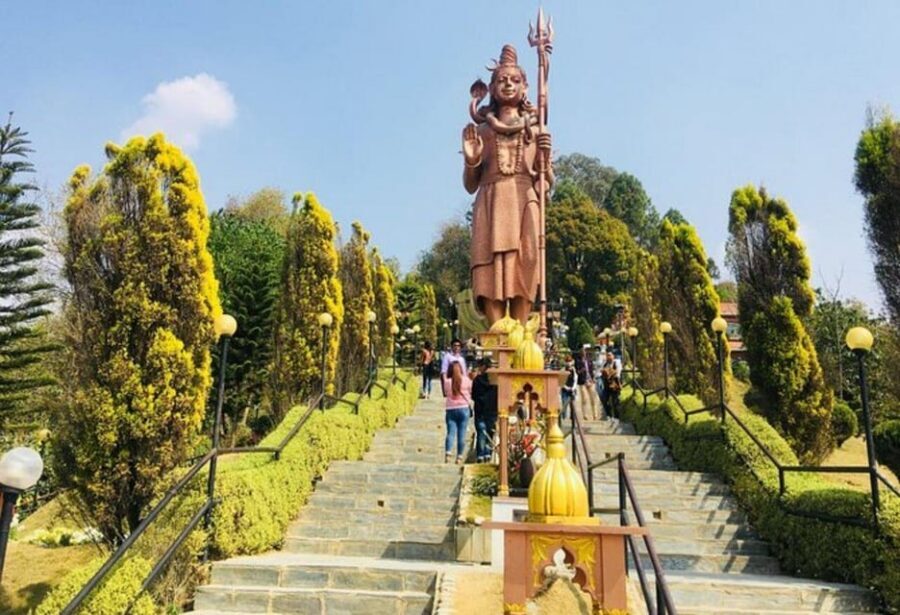
After Bhaktapur, the scenery and mood shift. You head toward Sanga, where the Kailashnath Mahadev Statue sits on a hill backdrop. This is the kind of site that feels instantly important because the scale hits you early, before you even start reading any details.
You’ll spend around an hour here. That time lets you do more than just take a front-facing photo of the statue. You can also explore the surrounding park area and take in how the setting works—open space, hillside views, and a less frantic pace than many famous city stops.
This stop also has a clear spiritual center. Whether you’re religious or just curious, you’ll feel that the statue and its grounds are treated as sacred space. That matters because it changes your behavior: you slow down, you watch your tone, and you notice the little things—people praying, pausing, looking up, then moving on.
If you’re photographing, aim to vary angles rather than shooting from one position. The statue’s height and the slope of the land make side views especially interesting, and you’ll get better light by shifting a bit rather than standing in one spot for too long.
Doleshwor Mahadev Temple: A Sacred Pause Linked to Kedarnath
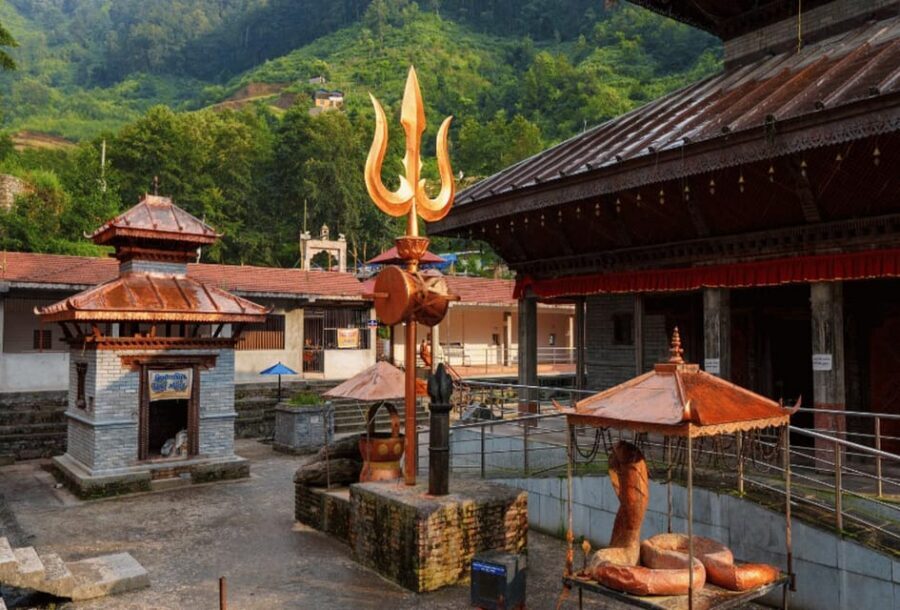
Doleshwor Mahadev is one of those places that can reset your day. Where Bhaktapur and Sanga are about architecture you can see from a distance, Doleshwor feels more intimate and reflective.
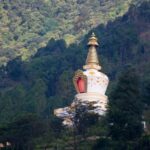
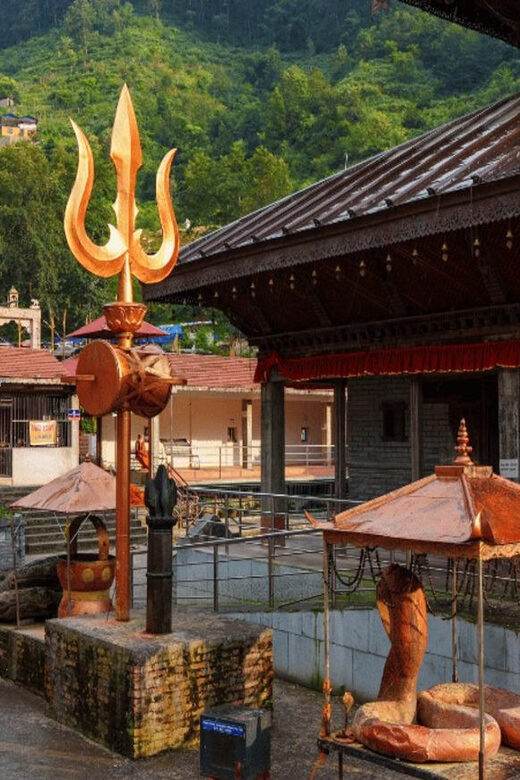
You’ll get about 1 to 2 hours at Doleshwor Mahadev Temple, including time for sightseeing and a walk in the area. The site is believed to be the head part of the Kedarnath Temple in India. That connection helps explain why pilgrims come here—there’s a bigger religious map at work, and Doleshwor is part of it.
Even if you don’t know much Hindu tradition before you arrive, you can still appreciate the atmosphere. The value isn’t only what’s written; it’s the feeling of people choosing quiet time in a sacred setting. If you’re tired from morning walking, this stop can actually be your rest moment—take your time, sit when you can, and treat it like a pause rather than another sprint.
Also keep your camera ready, because the approach and scenic roadside views can add to the experience as the day moves on.
The Driving Day: Private Air-Conditioned Transport and Real Value
A private car sounds nice, but it’s not just comfort—it’s efficiency. With hotel pickup and drop-off, you avoid the early scramble of meeting points and uncertain timing. The tour uses an air-conditioned vehicle, which helps in Kathmandu Valley heat, especially once the day warms up.
The driver is English-speaking, and that matters more than people think. You’ll get smoother communication about where to park, what to prioritize, and how long each stretch might take. If you want a day that stays on schedule without you constantly asking, this setup is a big win.
In one experience, the driver helped get the group closer to locations to reduce climbs. That’s a reminder to you: if you have any mobility concerns, say so early. Guides and drivers often can adjust routes when they understand your needs.
How long is the tour, really? The schedule lists about 9 hours, but the flow of the day can feel like a full 10-hour stretch once you include travel time and buffers between stops. Either way, treat it as a proper day out, not a half-day “quick tour.”
Price and What You’re Actually Paying For ($70 Per Person)
At $70 per person, the value is mainly in three things: private transport, on-the-ground help, and a structured route connecting multiple big sites. This isn’t just a ride to one place; it’s a day that links Nagarkot viewpoints, Bhaktapur’s UNESCO square, and two religious landmarks that demand time.
That said, read the fine print mindset-wise: entry fees are not included, and food and drink are not included. So you should budget for tickets and lunch out. The $70 price covers the essentials (pickup/drop-off, private air-conditioned transportation, and a friendly English-speaking driver), but it won’t cover your meals once you’re in Bhaktapur and at other stops.
If you compare this to piecing together rides and tickets yourself, the time saved is the real value. In Kathmandu Valley, timing matters because weather can shift fast. A well-run route helps you use the hours you have.
Best For: Who Will Like This Tour Most
This tour is a good fit if you want a “high-impact” day that still stays personal. It’s particularly nice for first-timers who want to understand Kathmandu Valley beyond the city center, but it’s also smart for people who don’t want to manage multiple independent tickets and transport arrangements.
You’ll enjoy it if you care about:
- Views (Nagarkot’s panoramic Himalayan outlook)
- Historic architecture (Bhaktapur Durbar Square with named landmarks)
- Spiritual sites (Sanga Mahadev and Doleshwor Mahadev)
You might consider a different style of travel if you prefer long stays in one place. This route is busy by nature. The pacing works best when you treat it as a guided sampler with stops chosen for variety, not a slow wander where you spend hours in one courtyard.
A Note on Guides and Comfort (Including Mobility)
One of the most reassuring parts of this experience is that support can come from the top down: your driver and guide matter, especially around stairs and older temple layouts.
If your guide is Rajan, that’s worth remembering. In one experience, Rajan was accommodating when stair climbing was difficult, and the driver also worked to get the group as close as possible to reduce extra climbs. Even if you don’t know your guide in advance, you can use that as your script: tell your team what’s hard for you, what your limits are, and whether you prefer closer drop-offs when available.
Bring this mindset and you’ll likely have a smoother day.
Should You Book This Kathmandu Valley Tour?
Yes, if you want a practical, one-day route that covers four big experiences—mountain views, UNESCO Bhaktapur, Sanga’s monumental Shiva statue, and Doleshwor’s sacred atmosphere—without making you run logistics.
Book it if:
- You want private, air-conditioned transport with hotel pickup/drop-off.
- You value named cultural stops rather than vague sightseeing.
- You’d rather pay a set price and follow a plan than piece things together yourself.
Consider alternatives if:
- You need a slower pace with fewer walking segments.
- You’re hoping for a relaxed day with no scheduling pressure at all.
If you’re traveling with good energy and want to see real Kathmandu Valley highlights in one go, this is the kind of day tour that actually feels worth it.
FAQ
What’s the duration of the Kathmandu Valley tour?
The tour is listed as 9 hours. Since it’s a full-day circuit with several stops, it may feel like a 9 to 10-hour day depending on the timing between locations.
Does the tour include hotel pickup and drop-off?
Yes. Pickup and drop-off from any hotel in Kathmandu are included.
Is transportation private and air-conditioned?
Yes. You’ll use private, air-conditioned transportation with a friendly driver.
Which places are included in the tour?
You’ll visit Nagarkot Hill, Bhaktapur Durbar Square, Sanga Mahadev (Kailashnath Mahadev Statue), and Doleshwor Mahadev Temple, with return to Kathmandu at the end.
Are entry fees and meals included in the price?
No. Entry fees and food and drink are not included.
Is the driver English-speaking?
Yes. The driver is listed as English-speaking.
What should I bring with me?
Bring comfortable shoes and clothes, cash, and items like water, a camera, and sunscreen to make the day more comfortable.