REVIEW · HIKING & TREKKING
Manaslu Circuit Trek 8th Highest in the World
Book on Viator →Operated by Adventure Glacier Treks & Expedition · Bookable on Viator
Manaslu feels like Nepal before crowds. This 14-day Manaslu Circuit Trek pushes into a restricted region tied to the world’s 8th-highest peak, so the days feel wild—Himalayan views, remote pastures, and traditional villages with Tibetan influences. I especially love the remoteness and the hands-on support system (guide plus porters) that keeps you moving confidently through tough terrain.
One big consideration: this trek asks a lot of your body. You’ll be expected to have strong fitness, you’ll walk long days, and there’s a pressure moment with an early start for sunrise over Larkya La before wind tends to pick up later in the day.
What makes the overall value easier to stomach is that most essentials are handled for you: Kathmandu hotels for 3 nights, guesthouse lodging on the trek, and three meals a day, plus the permit costs (including a special $100 permit). You’ll still budget for drinks, tips, and your own travel insurance.
In This Review
- Key highlights you’ll actually care about
- Why Manaslu Circuit feels different from the other famous treks
- Kathmandu prep: Durbar Square, gear reality checks, and getting oriented fast
- The road-in days: Machha Khola to the first cultural steps
- River valleys, early ridges, and the first real views (Sirdibas and Salleri)
- Into the Namrung area and down into the SringiKhola Valley
- Samagaun: Tibetan influence and the Manaslu viewpoint payoff
- Samdo days: flat-ish hiking, border country curiosity, and daily life
- Larkya La: sunrise timing, wind reality, and the big pass approach
- After the pass: reconnecting with the Annapurna route at Dharapani
- The finish: shared jeep to Besisahar, then bus back to Kathmandu
- Price and value: $1,600 that includes the stuff that usually bites you
- Support on the trail: guides and porters named Roshan, Dil, Samir, Sudip
- Fitness, altitude rhythm, and how to avoid a bad mindset
- Who this trek suits best (and who should think twice)
- Should you book Manaslu Circuit with Adventure Glacier Treks & Expedition?
- FAQ
- Is pickup and drop-off included?
- How long is the Manaslu Circuit trek in this package?
- What is the price per person?
- What’s included for lodging?
- Are meals included during the trek?
- Are permits included?
- Do I need to bring my own insurance?
- Is the tour private?
- Is there an optional side trip during the trek?
- What’s the cancellation rule?
Key highlights you’ll actually care about
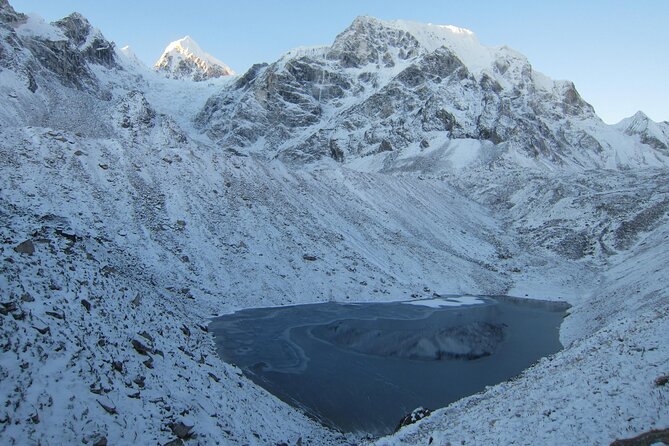
- Restricted-area Manaslu Circuit with permit costs included (including the special $100 permit)
- Real Tibetan-influenced villages like Samagaun and Samdo, not just peak photography stops
- A side trip option to the Tibetan border (about an 8-hour outing from Samdo with packed lunch)
- Larkya La is treated like a big moment, with an early sunrise start to avoid stronger winds after midday
- Hotel-to-trail logistics are handled, including airport pickup/drop and transport back via shared jeep and bus
- Named staff show up in multiple accounts: guides and porters such as Roshan, Dil, Samir, and Sudip are repeatedly praised for being helpful and reliable
Why Manaslu Circuit feels different from the other famous treks
The Manaslu Circuit doesn’t try to be a walk-and-Instagram-at-every-turn trek. It’s remote by design, and that remoteness changes the whole vibe. You spend real time in villages, forests, and high pastures where the trail feels less like a hallway and more like a route locals and hardy trekkers take seriously.
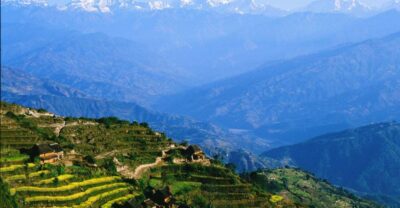
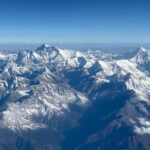
You’re also chasing a seriously high target area. Manaslu sits at 8,163 m, and along the way you get view angles to Manaslu North (7,157 m) and Naike Peak (5,515 m). Even if you never “climb” Manaslu itself, the sense of scale comes from how the terrain funnels the views—valleys open, ridges sharpen, and the peaks slowly reveal more each day.
And because the region is restricted, you’re not just paying for scenery—you’re paying for access, rules, and an operation that stays aligned with Nepal’s trekking requirements. That matters when a trek requires you to go with a registered Nepali trekking company and (in most cases) have at least two trekkers in the group, not counting guide and porter.
You can also read our reviews of more hiking tours in Kathmandu
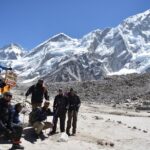
Kathmandu prep: Durbar Square, gear reality checks, and getting oriented fast
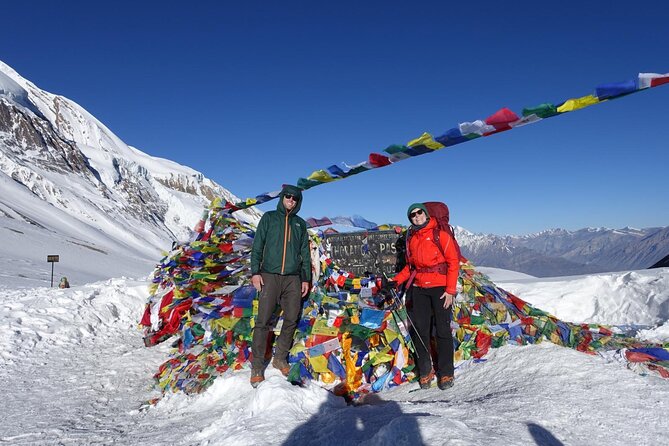
Your trek starts in Kathmandu with practical momentum. You’ll get airport pickup and drop, then spend your first night around Thamel, the area most trekkers use as a base. That’s a good setup because Thamel makes it easy to handle last-minute gear stuff without turning your evening into an expedition.
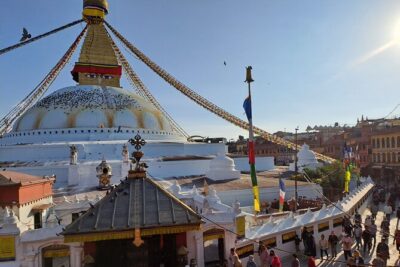
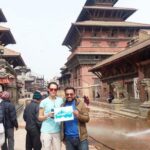
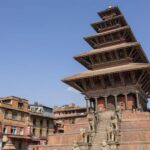
On day 2, you get a Kathmandu Valley day that includes Kathmandu Durbar Square. At the same time, you’ll do a gear check—this is where a good operator helps you avoid the classic mistake of carrying what you don’t need, or arriving without something you do need.
Why this part matters: after the Kathmandu day, you switch into a trekking rhythm where cold can sneak up, boots get tested quickly, and weather planning becomes daily planning. A short gear review early gives you fewer surprises later.
The road-in days: Machha Khola to the first cultural steps
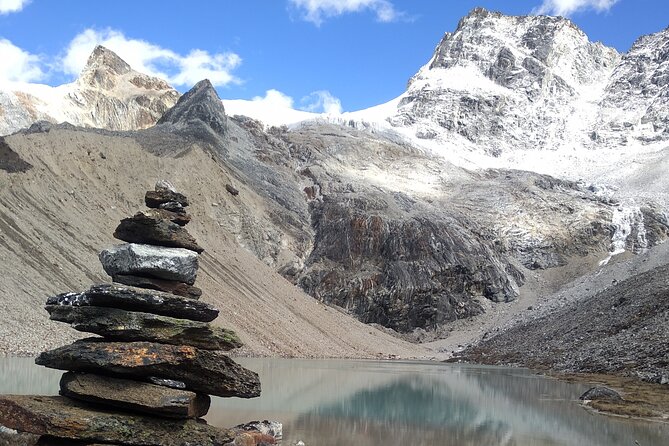
Day 3 is your transition day. After breakfast in Kathmandu, you drive to Machha Khola. The trip can be lengthy, and road conditions can be bumpy, so go in expecting it to feel like a journey, not a simple transfer.
That matters because the circuit is a mix of vehicle days and trekking days. When you’re fresh, bumpy transport is annoying; when you’re tired, it can drain you. Starting with a “brace yourself” attitude helps you land in the trekking zone without resentment.
Day 4 adds variety. You cross a river, ascend toward Khorla Besi from Machha Khola, and walk along a river valley with waterfalls and landslide areas you can’t ignore. Tatopani village is a named stop, and the idea here is that you’re warming up your trekking legs while also learning how water and terrain work in this region—valleys shape the trail, and the trail shapes your day.
If you’re the type who panics about uneven footing, this section is a good training ground. It doesn’t pretend to be gentle.
River valleys, early ridges, and the first real views (Sirdibas and Salleri)
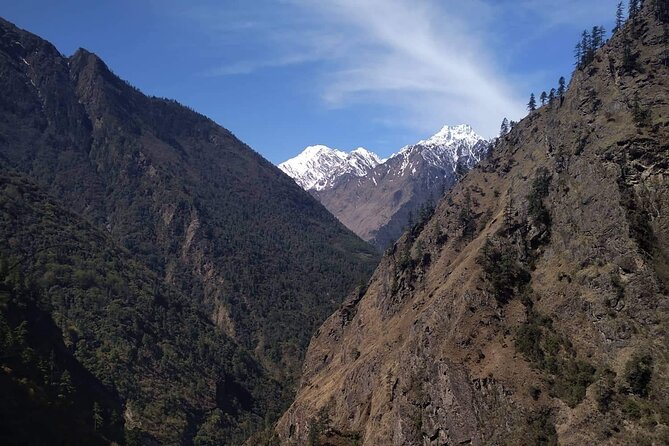
Day 5 is about switching from valley travel to a more ridge-and-rock feel. You trek down to Sirdibas at 1,430 m, then continue toward Salleri at 1,440 m. This is also one of those days where Buddhist culture shows up in your walk, not just in your imagination.
Sirdibas and Salleri aren’t huge “landmark” locations in a tourist-brochure way, but they’re important because they’re early markers that the route is settling into its higher-altitude rhythm. You’re moving step by step, gaining altitude gradually, and starting to feel how the weather and cloud cover can change your view quality.
And then there’s the payoff: you catch wonderful views of Sringi Himal (7,187 m). That’s the kind of moment that reminds you why you didn’t choose a flatter trek.
Into the Namrung area and down into the SringiKhola Valley
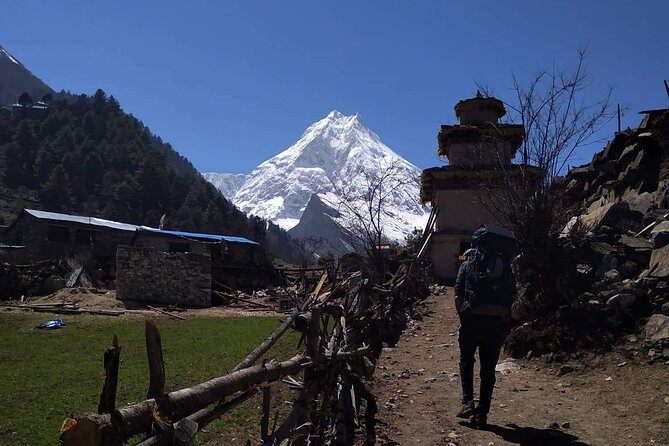
Day 6 takes you through a mix of forests, river crossing, and village life. You trek down to the SringiKhola Valley, cross the river, and hike through forests until you reach Ghap. You’ll feel the ascent more as you move upward again, with cooler nights and clearer Himalayan views starting to become normal.
This day is less about hitting a single wow-view and more about acclimating your body to the pattern: walk, breathe, cross, climb a bit, settle into the next village. A lot of first-timers struggle not with the highest pass moment, but with the repetition. Days like this build your mental stamina.
Samagaun: Tibetan influence and the Manaslu viewpoint payoff
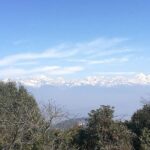
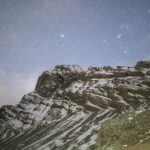
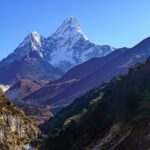
Day 7 brings you into Samagaun, a key cultural node with strong Tibetan influence. The trail leads you to views over a valley where Manaslu (8,163 m), Manaslu North (7,157 m), and Naike Peak (5,515 m) can show themselves clearly. It’s the kind of geography that rewards patient walking because the angles shift as you move.
This is also a day where your weather choices pay off. If clouds roll in, the views can soften; if the sky clears, the mountain presence feels close even when you’re still far away. That’s part of why this trek can feel dramatic: the scenery isn’t static.
Samdo days: flat-ish hiking, border country curiosity, and daily life
Day 8 has a different feel. The trail appears easier because it’s mostly flat through juniper and birch forests via KermoKharka, then you hike down to cross the river near the merging of the Budhi Gandaki and ShyaleKhola.
That mix of easier walking and big geography is a great reset. Your legs get a breather without losing the sense that you’re heading toward the high core of the circuit.
Day 9 is where you can customize. From Samdo, you have an option for an interesting 8-hour side trip to the Tibetan border with a packed lunch and plenty of drinking water. If you prefer a quieter day, you can also walk around Samdo and observe daily life.
This is a smart option for two types of hikers:
- If you want more “place” and less “pass day pressure,” take the side outing.
- If you want to conserve energy for what comes later, skip it and use the time for rest and slow exploration.
Either way, Samdo helps you feel how this trek sits at a cultural edge, not just an altitude ladder.
Larkya La: sunrise timing, wind reality, and the big pass approach
Day 10 starts your pass approach work. You descend to about 3,850 meters to cross the Budhi Gandaki before ascending again through juniper and tundra, in and out of ravines, until you reach the Larkya Guest House. From there, the pass crossing day becomes a clear next step.
This is one of those sections where you should expect long effort more than dramatic danger. The trail can be demanding, but the structure of the day helps. You’re not thrown onto a single nonstop push—you’re built toward the pass in pieces.
Day 11 is your Larkya La morning plan. You’ll leave early to catch sunrise over the pass and to avoid strong wind after midday. The walk over several ridges is described as steep and stunning, so you’ll want a torch close by when you start the climb.
Why sunrise timing is a big deal: wind can change fast in high passes, and early starts help you get your critical moments before conditions worsen. It also means you’re less likely to end up rushing at the worst possible time.
After the pass: reconnecting with the Annapurna route at Dharapani
Day 12 moves you through forest and pasture terrain toward Dharapani, joining the more popular Annapurna Circuit Trek trail. That sounds like a small detail, but it changes your experience. You start noticing more “trail infrastructure” around you—more established paths and a bit more human rhythm.
You trek from Bimtang through the Dudh Khola Valley to Dharapani, with a journey time of about 7 hours. This is a day many hikers appreciate because it gives your body time to recover while still keeping you moving.
Day 13 continues the descent. You descend from Dharapani to Jagat, with a trek time of about 6 hours. You’ll descend near the Marsyangdi Nadi gorge, and the roads become relevant again—there’s even an option to charter a Jeep depending on conditions and your preferences. That kind of flexibility matters late in the circuit when fatigue is real.
The finish: shared jeep to Besisahar, then bus back to Kathmandu
Day 14 is a payoff day. In the first half of the day, you travel to Besisahar in a shared jeep. Then you refresh and take a bus from Besisahar to Kathmandu, taking around 7 hours (timing varies with road conditions).
This is your reality check moment. The trek ends, but you still have travel time to handle. If you plan your return day too tightly, you’ll feel it. With this itinerary, you’re given that buffer—you’re not supposed to “fly out” immediately.
You also get one more view layer: the villages and valley surroundings around Besisahar. After days of high ridges, seeing lower country from a seat feels like closing a circle.
Price and value: $1,600 that includes the stuff that usually bites you
At $1,600 per person, this is not a budget trek. But it’s also not a bare-bones trek. The included package covers multiple cost buckets that can otherwise blow up your final bill.
Here’s what you’re paying for in practical terms:
- Permits and entrance fees, including a special permit listed at $100
- A professional guide plus porter/porters, including their expenses, insurance, and equipment
- 3 nights in Kathmandu at tourist standard hotel
- Guesthouse accommodation during the trek
- Three meals per day (breakfast, lunch, dinner) as listed in the plan
What’s not included is also clear: beverages, tips, your own insurance, and personal/nature expenses. Food in Kathmandu is not included beyond daily breakfast.
So how do you judge value? If you’re comparing operators, look at what they actually bundle. A trek like Manaslu has permit costs and strict rules, so an operator that includes the permits and handles staffing properly reduces your uncertainty. You’re also not stuck figuring out meals and lodging when you’re tired and altitude-slowed.
Support on the trail: guides and porters named Roshan, Dil, Samir, Sudip
One reason this trek feels calmer in your head is the human support. In multiple accounts, staff names come up: Roshan as a guide, Sudip as a porter, Dil as part of the team, and Samir called out for attentive planning. The thread in those comments is consistency: people describe feeling safe, comfortable, and genuinely cared for.
For you, that translates into real-life benefits:
- Your guide can help you manage pace and daily decisions instead of guessing.
- Porters help carry your load so you can focus on rhythm and footing.
- The tone of the operation seems patient, not rushed.
That matters on a circuit where one or two “bad days” can snowball. Good guidance helps you keep the trek moving without you having to constantly negotiate hardship with yourself.
Fitness, altitude rhythm, and how to avoid a bad mindset
The trek requires strong physical fitness. That’s not marketing language—it’s a practical need. You’ll spend many hours walking across changing terrain, and you’ll be operating at altitudes where your breathing rate changes quickly.
Use the itinerary’s structure to your advantage:
- Early days build gradually with river valleys and forest walks.
- Samdo gives you a flatter-feeling day plus an optional border side trip.
- Larkya La is planned with early departure and sunrise timing because conditions matter.
Also, watch for the emotional trap. People often feel great on day 1–6, then get tired mentally around the pass approach days. If you go into the Larkya La section already worried, wind and steep ridges can feel worse than they are. Your best defense is pacing and sleep the night before—especially on the sunrise day.
Who this trek suits best (and who should think twice)
This Manaslu Circuit is ideal for:
- Walkers who want remote trekking more than busy trail bragging rights
- People interested in Tibetan-influenced villages and cultural rhythm, not just summit fantasies
- Hikers who can handle steep ridges and long days without needing constant rest stops
It may not suit you if:
- You’re uncomfortable with long bumpy road travel days before trekking starts
- You need a very low-effort experience
- You’re not ready for an early pass start when you also need to avoid strong wind later in the day
Should you book Manaslu Circuit with Adventure Glacier Treks & Expedition?
If your goal is a remote, rules-based trek with the pass moment handled carefully and support that feels reliable, this package looks like strong value for the money. The permits are included, meals and lodging are included, and the operation is set up for a smooth Kathmandu-to-trail-to-return rhythm.
You should book if you’re fit enough for a serious circuit and you want the Manaslu region for what it is: dramatic, less crowded, and full of changing views. You might skip it if you want an easy walk, or if you know you struggle with steep, high-day mornings that start before sunrise.
FAQ
Is pickup and drop-off included?
Yes. Airport pickup and drop are included.
How long is the Manaslu Circuit trek in this package?
The duration is listed as 14 days approximately.
What is the price per person?
The price is $1,600.00 per person.
What’s included for lodging?
You get 3 nights accommodation in Kathmandu at tourist standard hotel, plus guesthouse accommodation during the trek.
Are meals included during the trek?
Yes. The package includes three meals a day (breakfast, lunch, dinner) as mentioned in the itinerary.
Are permits included?
Yes. Necessary permits are included, including the special permit listed at $100, plus entrance fees.
Do I need to bring my own insurance?
Your own travel insurance is not included.
Is the tour private?
Yes. It’s a private tour/activity, and only your group participates.
Is there an optional side trip during the trek?
Yes. From Samdo, you can choose an 8-hour side trip to the Tibetan border, with packed lunch and plenty of drinking water.
What’s the cancellation rule?
Free cancellation is allowed up to 24 hours in advance for a full refund.
Would you like me to tailor a packing checklist (for a Manaslu Circuit in your target month) based on your experience level and how cold you handle at night?