REVIEW · EVEREST BASE CAMP TREKS
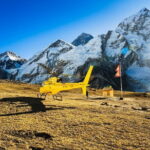
Everest Base Camp Helicopter Tour landing at Everest View Hotel
Book on Viator →Operated by Himalaya Holiday service Pvt. Ltd.(HHS) · Bookable on Viator
Everest Base Camp by helicopter compresses the Himalaya into one long morning. You get multiple landings for views from the air and the ground, plus that jaw-dropping breakfast stop at Hotel Everest View when weather cooperates. It’s built for people who want the Everest feeling fast, without losing a week to logistics.
What I really like is how the ride is set up around clear photo windows and a real Everest-style route. You’ll also appreciate the optional breakfast on the schedule, not the marketing promise, and the fact that a face-to-face pre-trip briefing happens the day before. One possible drawback: weather is the boss here, so expect flexibility (and short-notice changes) if visibility isn’t great.
In This Review
- Key points you’ll care about
- Everest View Hotel is the real star of this flight plan
- Kathmandu morning: quick pickup, then a very early start
- What you’re really buying: a shared helicopter with serious oversight
- The itinerary’s structure: flyover mainly, with a few reality checks on the ground
- Stop 1: Kathmandu departure with an early Everest look
- Stop 2: Lukla, the fuel stop that feels like an Everest threshold
- A note about how the group is handled in the air
- Stop 3: Hotel Everest View for optional breakfast (weather-dependent)
- Stop 4: Return to Kathmandu via Lukla (fuel situation decides the route)
- Everest View Hotel breakfast: the best 45 minutes you might eat
- Lukla and the Everest gateway feeling: why this stop matters
- Weather is the whole game: what to expect when visibility changes
- Price and value: $1,575 isn’t cheap, but it’s not just flying around
- Safety, comfort, and the small stuff that makes the difference
- Who should book this helicopter Everest day trip
- Should you book Everest Base Camp by helicopter with Everest View Hotel breakfast?
- FAQ
- What time does the Everest Base Camp helicopter tour start?
- How long is the full tour?
- How long is the actual helicopter flight time?
- Is breakfast included?
- What aircraft is used for the flight?
- What fees are not included in the price?
- Do I need to bring my original passport?
- What happens if the helicopter can’t fly due to weather?
- Are hotel pickup and drop-off included?
Key points you’ll care about
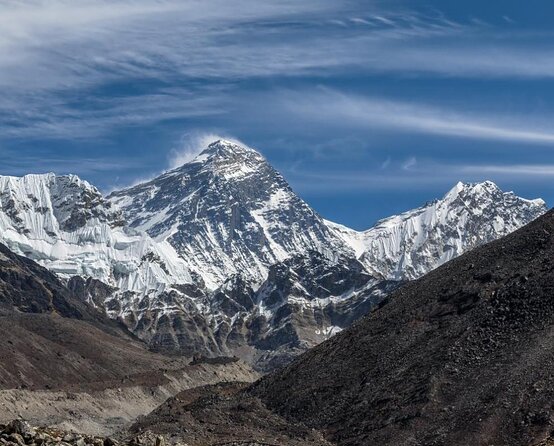
- Multiple landings: you see Everest from different angles, not just one quick pass
- Shared group flight: small joining group pricing helps keep the cost sane versus private heli
- Breakfast at Hotel Everest View: optional, weather-dependent, and timed for the best mountain light you can get
- Lukla fuel stop: you briefly glimpse the gateway town where many Everest trekkers begin
- Safety-first operations: a briefing the day before, plus calm pilot decision-making in changing conditions
- Short air time, long payoff: helicopter flight time is only about 3–4 minutes, but the whole day is designed around maximizing what you can see
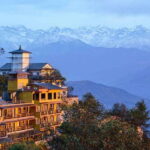
Everest View Hotel is the real star of this flight plan
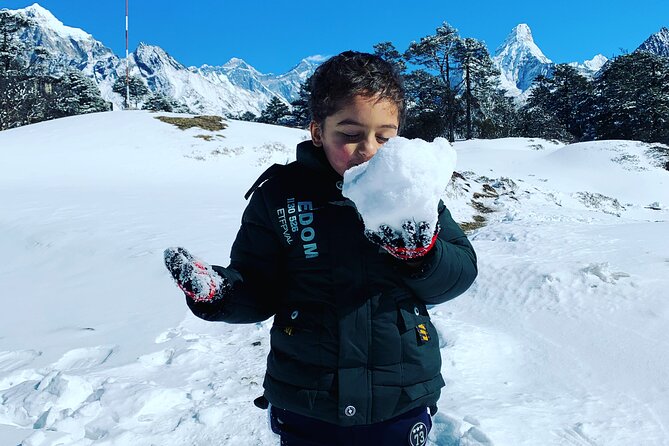
This is not a “hop on, wave, hop off” helicopter ride. The tour’s rhythm is what makes it work: you fly to the Everest region, you get view time from the air, you touch down for a chance to be out of the helicopter (even briefly), and then you finish at one of the best-known viewpoint hotels in the area.
The highlight for most people isn’t the number of minutes in the air. It’s the sequence. You start in Kathmandu early, then you’re quickly trading city air for thin Himalayan air and huge scale. Later, you transition to Hotel Everest View for breakfast, which turns the flight into something you can actually linger over. Even if you’re not chasing a photo contest, that’s the moment you’ll remember.
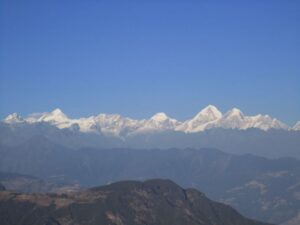
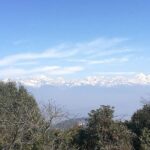
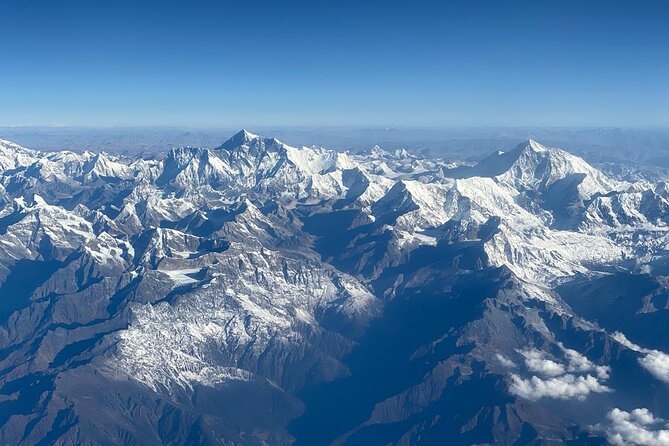
And yes, you’ll likely see more than one “Everest look.” The flight path includes flyover time focused on the Base Camp area, plus additional viewpoints tied to the classic observation points in the region.
You can also read our reviews of more tours and experiences in Kathmandu
Kathmandu morning: quick pickup, then a very early start
Your day begins at 6:15 am. Pickup is offered from your Kathmandu hotel, and you’ll just need to share your hotel name and address so the operator can give you an exact pickup time.
The best mindset for this tour is simple: treat it like an early flight day, not a leisurely brunch plan. You’re getting up before the city warms up, heading to the airport area, and then waiting for the weather window to open. The good news is the tour is structured to keep you moving—there’s a pre-trip briefing the day before, and the same team typically handles the flow so you’re not piecing things together on your own.
The operator also runs on the principle that you should try this from the beginning of your Nepal stay. That’s not a threat; it’s weather math. If you build in a buffer day (or two), you’re much more likely to catch clear conditions.
What you’re really buying: a shared helicopter with serious oversight
This is a joining group style ride. The listing info points to sharing with about 5 passengers plus a pilot. That matters for value: you get the experience of a helicopter without the private-jet price tag.
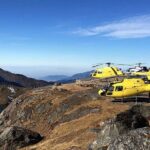
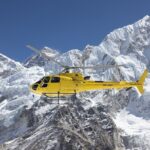
Aircraft notes matter too, because they hint at how the ride will feel and how seats are arranged. The tour uses an Airbus H125 / Eurocopter 350 model. It’s the type of helicopter that makes short hops and tight routes practical, which is exactly what you want for Everest region flyovers.
One detail I’d call out from the experience reports you shared: your seats may rotate so more than one person gets the front view near the pilot. That’s a big deal if photography is your thing. You’ll see the mountains from multiple angles across the group, not just whoever got lucky with the best seat at takeoff.
The itinerary’s structure: flyover mainly, with a few reality checks on the ground
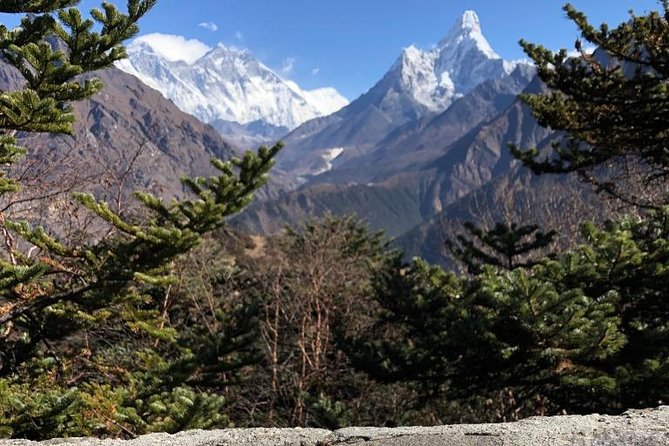
The route is built around getting you close to Everest without trying to replicate a full Everest trek. That means you should expect flyover-focused moments, plus a couple of brief landing stops that give you fresh angles and a chance to step out briefly.
Here’s how the day typically unfolds:
Stop 1: Kathmandu departure with an early Everest look
You depart from Kathmandu airport for the Everest Base Camp helicopter flight and get a flyover of the highest viewpoint area near Base Camp. Then the route continues toward Lukla.
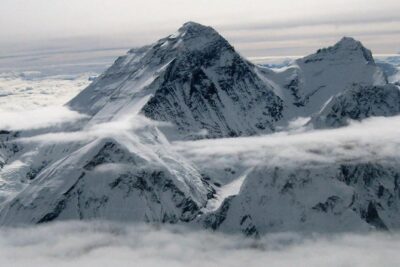
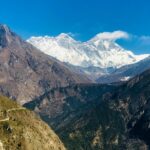
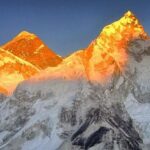
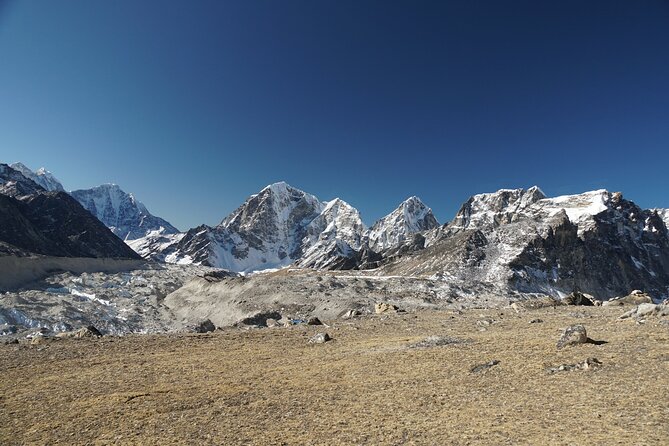
This first segment is all about setting expectations. From the air, Everest doesn’t read like a single mountain. It’s a wall of snow and rock with glaciers feeding into valleys and routes that look like they’re drawn by someone with a ruler.

Stop 2: Lukla, the fuel stop that feels like an Everest threshold
You’ll make a quick stop at Lukla Airport for fuel purposes. Lukla matters because it’s the place trekkers land before their trek really begins. You’re not turning this into a trekking tour, but the brief stop is still a reality check: this is the same gateway the overland Everest crowd uses.
Even ten minutes is enough to shift your mental gear from sightseeing to “oh, this is how people actually do Everest.”
A note about how the group is handled in the air
There’s also a group-handling note in your details about a splitting approach. The key takeaway you should plan around is this: the tour is operated in a way that may route small groups at slightly different times or sequences. That’s not a gimmick—it’s how helicopters manage departures safely and efficiently when there are multiple parties trying to fly in a similar window.
Stop 3: Hotel Everest View for optional breakfast (weather-dependent)
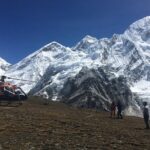
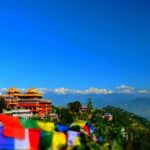
Then you move to the payoff: a stop at Hotel Everest View for optional breakfast. The schedule lists about 45 minutes, but the bigger reality is weather. If visibility and conditions allow, you’ll get that breakfast window.
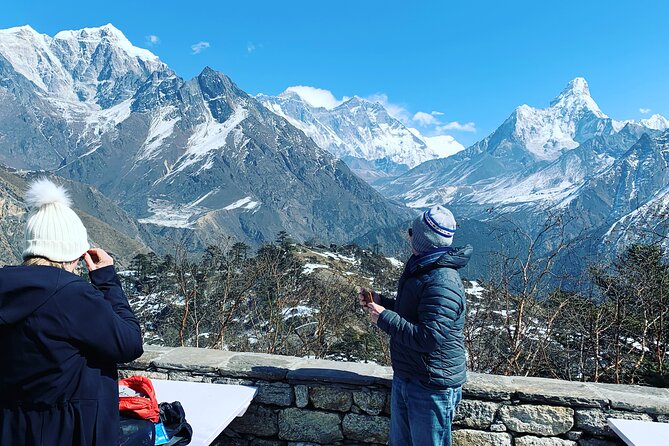
This stop is the emotional highlight. The breakfast itself is nice, but the view is the product. You’re basically eating while you watch Everest’s shape get larger and sharper as clouds move.
Stop 4: Return to Kathmandu via Lukla (fuel situation decides the route)
On the way back, you return by helicopter with landing at Hotel Everest View to Kathmandu via Lukla. Your notes also mention the captain can fly either via Lukla or directly depending on fuel situation. Translation: pilots aren’t guessing. They’re adjusting for the conditions they’re actually facing, which is exactly what you want on a mountain flight.
Everest View Hotel breakfast: the best 45 minutes you might eat
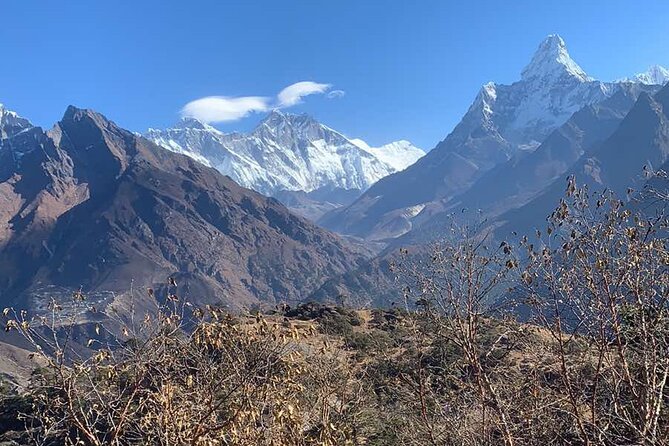
The optional breakfast at Hotel Everest View is short by design. You’re not meant to spend hours there—you’re meant to fit it into the weather window and still fly safely.
A few practical points to help you enjoy it:
- Come hungry, but don’t over-order. One review advice you can follow: the breakfast is big enough to share. If you’re traveling as a couple or friend pair, you can keep it simple.
- Dress for cold air and thin views. Even if you’re only outside for the breakfast portion, temperatures can bite. Your provided details call for warm layers depending on season, with cold points like 0°C and winter around -1°C, plus the suggestion of -2°C in colder conditions.
- Treat this like a viewpoint, not a meal stop. If you focus on photos and breathing space, the meal becomes the bonus.
If weather turns while you’re waiting, don’t be shocked by delays. One of the experiences you shared includes waiting while a rescue occurred nearby. That’s not your tour failing—it’s how mountain safety operations work. You just happen to be sitting in one of the most dramatic waiting rooms on earth.
Lukla and the Everest gateway feeling: why this stop matters
You might wonder why Lukla gets a fuel stop when the goal is Base Camp views. The answer is that it’s part of the real Everest ecosystem.
Lukla is more than a dot on a map. It’s the “start line” for a lot of Everest trekkers, and that makes the fuel stop more meaningful than it looks in a schedule. When you see Lukla from the air and get a brief look from the ground, you understand the region’s logic: altitude, weather, and route constraints push people to use the same nodes again and again.
It also gives your brain a midpoint marker. You’re not going straight from Kathmandu to a snow wall. You get a brief hinge point where everything feels more real.
Weather is the whole game: what to expect when visibility changes
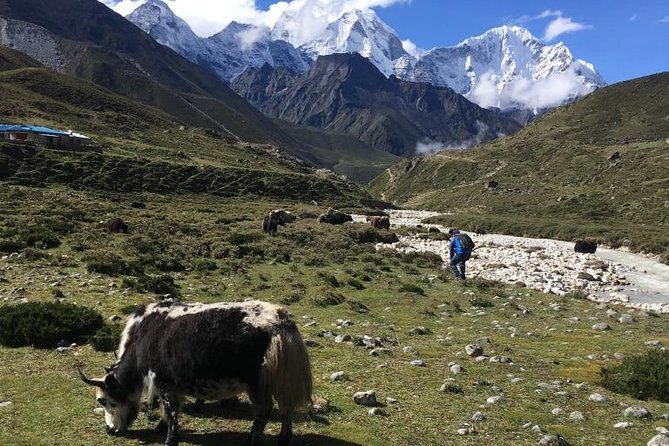
This is the biggest consideration—and it’s not something to ignore.
Your details say the operator flies on “nice days only,” and they offer a full refund if no flight happens. Their cancellation notes also indicate the tour depends on good weather, with alternatives or refund if weather prevents flying.
So what does that look like in real life?
- You may sit and wait a bit before the helicopter departs.
- If visibility is limited, you might not take off until it clears.
- In some cases, your trip might shift to another day.
One theme from the shared experience details: people felt safest when the captain and staff made conservative calls. That’s what you want. A “let’s push it” attitude is exactly how you end up hearing scary stories. Here, the pattern is more like: wait, assess, and only go when the conditions match the mission.
My advice: don’t treat this as a single-shot event with no backups. If you can, schedule it early in your Nepal trip and leave room for a reschedule.
Price and value: $1,575 isn’t cheap, but it’s not just flying around
At $1,575 per person, this isn’t a budget thrill. But for what you’re doing—getting close to Everest with helicopter transport, shared capacity, hotel transfers, and guided planning—it’s easier to understand the value.
Here’s how the price pencils out in real terms:
- Shared helicopter (small group) lowers the cost versus private charter.
- Hotel pickup and drop-off saves you the headache of arranging airport logistics on your own.
- Pre-trip briefing the day before helps reduce stress. You know what to expect, including safety focus and timing.
- Optional breakfast at Hotel Everest View adds an on-the-ground experience element, not just aerial sightseeing.
- Flight time is short, which actually helps in a good way: you spend less time in flight and more time capturing views at the stops that matter.
Taxes and fees aren’t included in the headline price. Your details list national park fees, municipal tax, and airport tax as USD 55 per person. So budget for that add-on to avoid surprises.
Safety, comfort, and the small stuff that makes the difference
This kind of helicopter flight depends on judgment. Your provided info emphasizes safety-first operations and includes a face-to-face briefing the night before. That matters because Everest-region flying isn’t a calm, predictable commute. It’s variable air, changing cloud cover, and tight operational planning.
A few practical items you should take seriously:
- Weight limit: you’ll see 265 lbs (per passenger) in the details. There’s also a note asking passengers over 100 kg to text after booking. That’s worth doing early, so your group seating and planning match your situation.
- Warm clothing: your notes suggest bringing warm layers from home, with seasonal targets around 0°C and winter potentially down to -1°C or colder for higher points. Even if you’re not out in deep cold for long, a mountain morning can feel sharp.
- Passport copy only: you don’t need the original. A passport photo or copy on your phone is said to work.
If you’re motion-sensitive, plan for the fact that helicopter rides have more vibration than a car. The ride is brief, but it’s still a real helicopter experience.
Who should book this helicopter Everest day trip
This tour fits best if you:
- want a high-impact Everest view without committing to trekking timelines
- prefer a short, managed day rather than weeks of altitude building
- care about organized planning and clear communication (especially the briefing the day before)
- have at least a little flexibility in your Kathmandu schedule for weather
You might think twice if:
- you’re traveling with strict timing constraints and no buffer day
- you don’t handle waiting well (mountain weather can mean delays)
- you want a full Base Camp walking experience (this tour is mostly flyover-focused with viewpoint landings)
Should you book Everest Base Camp by helicopter with Everest View Hotel breakfast?
If your goal is to see Everest up close with the least time possible, and you’re willing to let weather steer the day, this is a strong value play. The emotional payoff—especially the breakfast at Hotel Everest View—turns a helicopter hop into a real “stand here and take it in” moment.
My decision rule:
- Book it if you can add a buffer day in Kathmandu and you’ll feel happy even if the schedule shifts for visibility.
- Consider a different style of Everest experience if you need guaranteed timing or you’re after long walks and trekking-grade immersion.
Either way, pack warm layers, bring your camera batteries, and give yourself time in Kathmandu. Everest doesn’t run on your timetable. The operator here at least runs on good communication and safety-first calls, which is the right foundation for a mountain flight.
FAQ
What time does the Everest Base Camp helicopter tour start?
The tour starts at 6:15 am.
How long is the full tour?
Expect about 4 to 5 hours total.
How long is the actual helicopter flight time?
The flight time is listed as approximately 3 to 4 minutes (with the rest of the time used for transfers, stops, and viewing).
Is breakfast included?
Breakfast at Hotel Everest View is optional and listed as subject to weather.
What aircraft is used for the flight?
The itinerary notes using an AIRBUS H125 / Eurocopter 350 model.
What fees are not included in the price?
National park fees, municipal tax, and airport tax are listed as USD 55 per person.
Do I need to bring my original passport?
You’re told to carry a passport copy (a phone photo works) and that you don’t need the original passport.
What happens if the helicopter can’t fly due to weather?
Your details say that if there is no flight, you receive a full refund. If it’s canceled due to poor weather, you’ll be offered a different date or a full refund.
Are hotel pickup and drop-off included?
Yes. Hotel pickup and drop-off in Kathmandu are included, as long as you provide your hotel name and address for pickup timing.