REVIEW · HISTORICAL TOURS
UNESCO Seven World Heritage Tour in Kathmandu
Book on Viator →Operated by Himalayan Advisor Pvt. Ltd. · Bookable on Viator
Seven UNESCO sites in one Kathmandu day. This private-car circuit strings together key monuments across the valley, from the hilltop Monkey Temple to the big Buddhist stupa at Boudhanath, with a guide to explain what you’re looking at.
I love how private transport keeps the day moving, so you’re not stuck guessing bus routes between districts. I also love that entry fees for the heritage sites are included, which means fewer hassles and less time spent at ticket counters.
One consideration: this is a long day (about 12 hours) with real walking and plenty of stairs. If you’re prone to fatigue, plan for sun, water, and comfortable shoes.
In This Review
- Key Things I’d Prioritize on This UNESCO Day Tour
- A Private Car Makes Kathmandu’s UNESCO Route Actually Feel Doable
- Price and Value at $180: What You’re Really Buying
- How the Day Works: Timing, Pace, and Getting Along with the Traffic
- Swayambhunath and Amideva Buddha Park: Start with Views and Sacred Contrasts
- Kathmandu Durbar Square and Kumari Chowk: A Palace Area Still Full of Meaning
- Patan’s Durbar Area to Golden Temple: Newari Detail You Can Actually Notice
- Bhaktapur Durbar Square in One Run: Nyatapola, Dattatreya, 55 Windows, and Siddha Pokhari
- Changu Narayan Temple: The Hilltop Stop That Slows You Down
- Pashupatinath to Boudhanath: From 500+ Shrines to a Stupa That Watches the World
- Guides and Drivers: What Makes This Day Tour Feel Smooth
- What to Pack (So You Don’t Feel Beat by Hour 10)
- Should You Book This UNESCO Kathmandu Valley Tour?
- FAQ
- How long is the UNESCO Kathmandu Valley tour?
- What is the price per person?
- What’s included in the price?
- Is lunch included?
- What should I wear?
- Are the UNESCO heritage sites admission tickets included?
- Is pickup available?
- Is this a private tour?
- What is the cancellation policy?
Key Things I’d Prioritize on This UNESCO Day Tour
- Swayambhunath starts the day with 365 stairs and city-wide views
- You get hotel pickup and drop-off plus an English-speaking guide
- Kathmandu and Patan Durbar areas add Newari detail without feeling rushed
- Bhaktapur’s Nyatapola, 55 Window Palace, and Siddha Pokhari pack a lot in
- Changu Narayan’s hilltop temple takes longer, but it’s worth slowing down
A Private Car Makes Kathmandu’s UNESCO Route Actually Feel Doable
Kathmandu Valley is spread out. Left to your own devices, hopping between UNESCO sites can turn into a game of timing, traffic, and last-minute detours. This tour is built to solve that: you ride by private car and your guide helps connect the dots so the day feels organized instead of frantic.
What you get is a single-day sampler of the valley’s biggest spiritual and royal monuments. You’ll go from Buddhist stupa viewpoints to Hindu temple complexes, then into Kathmandu’s and Bhaktapur’s historic palace squares. It’s a lot, but the structure helps.
You can also read our reviews of more historical tours in Kathmandu

Price and Value at $180: What You’re Really Buying
At $180 per person, you’re paying for three things that matter in Kathmandu: a private vehicle, an English-speaking guide, and admission fees to the heritage stops. Lunch isn’t included, but you do get the “ticket headache” handled for you at the major sites.
Is it expensive? It’s not the cheapest option, but it can be excellent value if you care about time and context. A day like this works best when your guide is helping you interpret what you’re seeing while the driver handles the roads.
Also note the tour is often booked about 37 days in advance on average. That’s a sign it’s popular for first-timers who want a complete highlights circuit without moving hotels.
How the Day Works: Timing, Pace, and Getting Along with the Traffic
The day is designed around minimizing wasted time between far-flung monuments. You’re using a private car throughout, and your guide is there to keep the route sensible and your visit smooth.
Expect the day to be active. Even with a car, you’ll be moving between courtyards, temple steps, and palace-area lanes. A lot of visitors love that the schedule stays efficient, but you’ll still want to treat it like a full hike day with multiple stops.
Dress is smart casual. I’d also pack sun protection and a water bottle. Kathmandu’s bright daytime sun can hit hard, especially when you’re climbing stairs at early temples.
Swayambhunath and Amideva Buddha Park: Start with Views and Sacred Contrasts
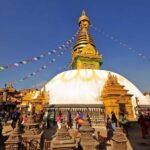
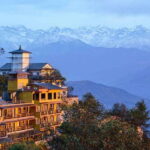
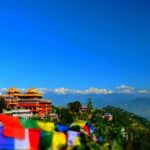
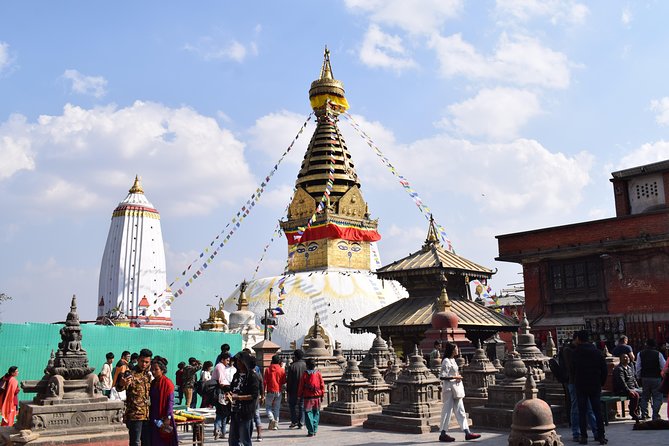
Most days begin with Swayambhunath Stupa, often called the Monkey Temple. It’s on top of a hill, and yes, you’ll climb 365 stairs to reach the area with the best viewpoint. This is one of the quickest ways to get oriented in Kathmandu because the panorama makes the city’s layout click.
Once you reach the stupa, you can walk around the area and spin the prayer wheels. What I like here is how the religious layers show up in the same space: Hindu temples and deities appear alongside Buddhist symbolism. Your guide can help you read those overlaps instead of treating the site like a single-style photo stop.
Right after, you’ll head to Amideva Buddha Park. It’s not one of the seven main UNESCO names, but it’s a great short add-on. The park features three large Buddha statues that stand out immediately, giving you a visual pause after the long climb.
Practical tip: if you’re photographing, go slow near the main viewpoints. The climb is worth it, but the time you spend at the top is where the best shots happen.
Kathmandu Durbar Square and Kumari Chowk: A Palace Area Still Full of Meaning
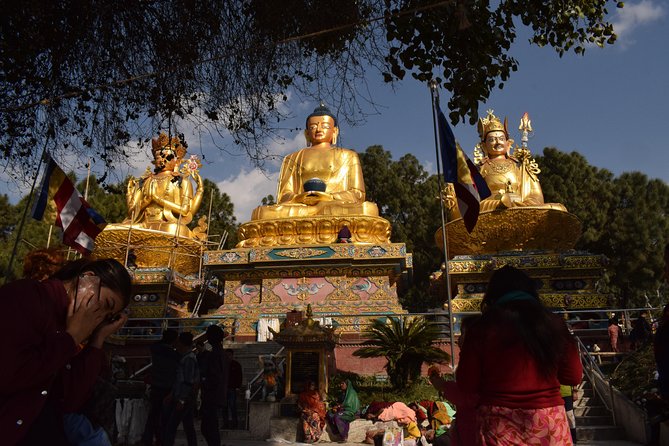
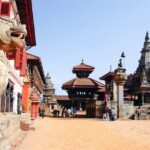
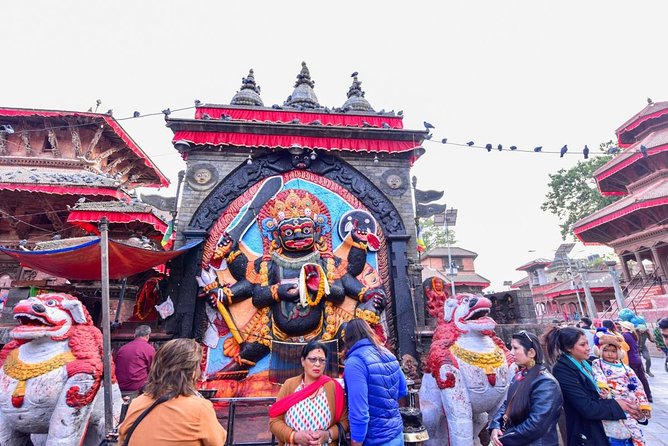
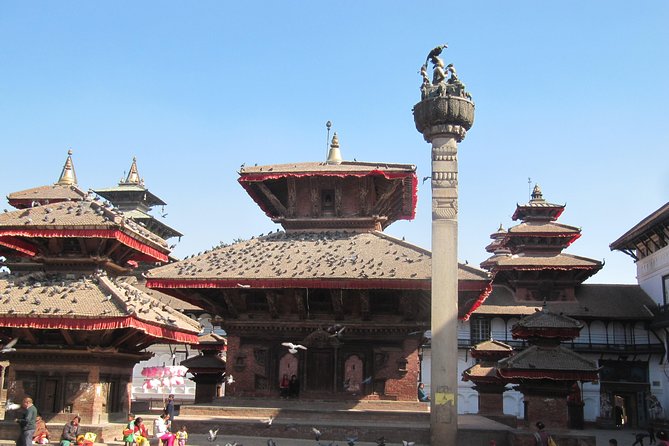
Next comes Kathmandu Durbar Square, the historic hub where royal and religious life once concentrated. The square includes many structures and areas that reflect reconstruction work, but there’s still plenty to explore—especially if your guide is talking through what each corner is meant to represent.
A standout moment here is Kumari Chowk, a courtyard in a red-brick, three-level building that historically housed the Kumari. The Kumari is the living goddess chosen until puberty, when the role becomes something else. Even if you’re not waiting for a specific ritual moment, the setting tells you why this figure matters in local tradition.
If you only have one day, you’ll appreciate how this stop blends the royal/political side of Kathmandu with its ongoing living religious practice. Your guide can also point out which spots to linger at versus which to scan quickly.

Patan’s Durbar Area to Golden Temple: Newari Detail You Can Actually Notice
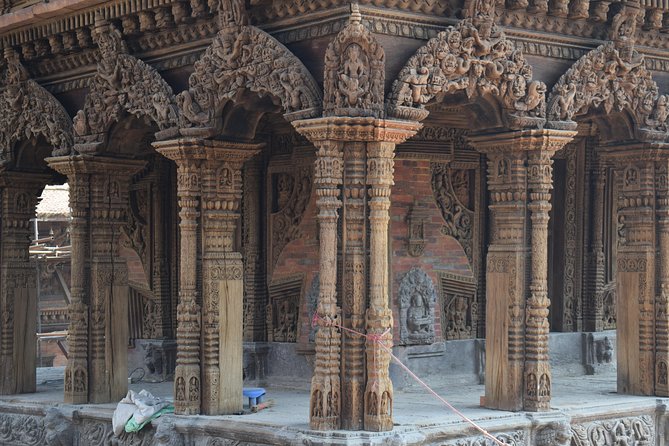
From Kathmandu you’ll move toward Patan’s historic core, including Patan Durbar Square in the Malla palace area. This section is known for Newari architecture and the dense feel of the old neighborhood. The advantage of having a guide here is simple: you’re not just looking at buildings—you’re learning how the stonework, courtyards, and shrines fit together.
Then you’ll visit the Golden Temple (Hiranya Varna Mahavihar). It’s described as a 12th-century pagoda-style temple with bronze statues plus silver and gold details. This is one of those stops where the style choices start making sense once you have context, because the structure is doing more than decorating.
You’ll also visit Patan Museum at Keshav Narayan Chowk. The museum gives historical context about tradition and history, and it even notes historic Japanese civilization. If you like grounding your temple visits in what people believed and how they lived, a museum stop like this can be a nice reset.
Drawback to consider: museum time can feel short in a jam-packed day. The tour is still paced to see a lot, so if you’re a museum person, expect it as a context boost rather than a slow deep study.
Bhaktapur Durbar Square in One Run: Nyatapola, Dattatreya, 55 Windows, and Siddha Pokhari
After Patan, you’ll shift into Bhaktapur, often called the City of Devotees. Bhaktapur feels different from Kathmandu’s main areas. The old-style houses and intact historic constructions help you picture what life around these palace squares looked like centuries ago.
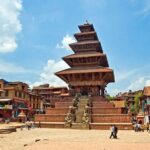
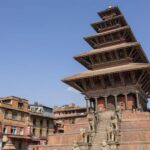
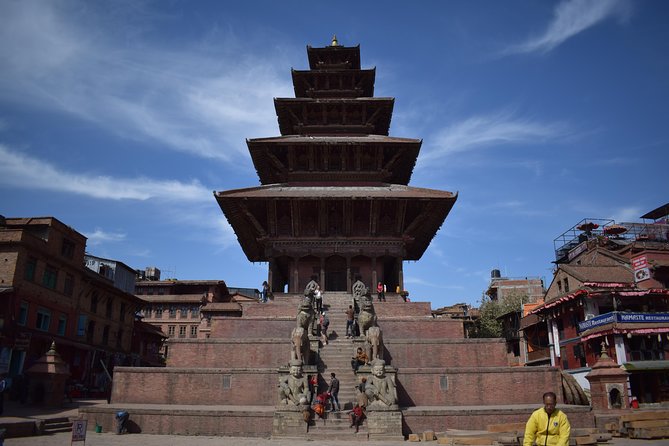
A key temple stop is Nyatapola Temple. It’s a pagoda-style, five-tiered roof temple and is noted for being among the tallest pagodas in the area. The sculpted details are easier to appreciate when your guide points out what to look for—especially the shaping across each tier.
You’ll also see Dattatreya Temple on Dattatreya Square. One special detail here is that it’s believed to have been built using a single tree’s stem as a resource. Whether you’re a plant-and-wood nerd or just want a good story, that kind of origin detail makes the site more memorable.
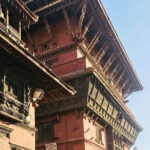
Then come the palace-area highlights, including the Palace of Fifty-Five Windows. The name is literal: the palace has 55 carved windows. It’s a great example of how Newari architecture turns function into art.
You’ll also visit Siddha Pokhari, a man-made pond near the first town gate. It’s listed as 171 meters long and three meters deep, and it’s described as a local favorite hangout area. This stop is a nice break from temples because it gives your legs a chance to recover while you watch everyday life.
Lunch in Bhaktapur is not included. That’s actually a plus if you want control. Your guide can help you pick something nearby, and you’ll be free to choose your pace.
Changu Narayan Temple: The Hilltop Stop That Slows You Down
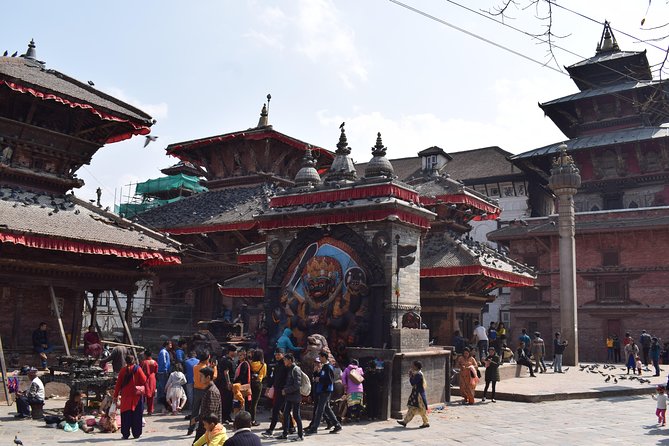
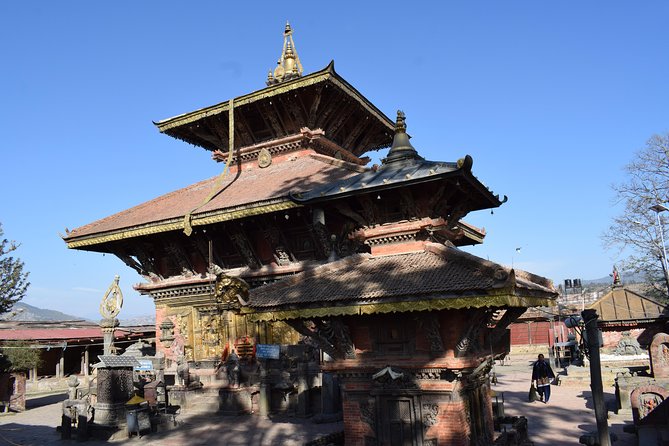
Changu Narayan Temple is a big moment on this kind of day because it’s older and more hilltop than most of the other stops. It’s described as dating back to the Licchavi period, which is what makes it stand out as one of the oldest temples in the valley’s record.
The temple is built with stone and wooden carvings, and it’s framed as a beautiful example of design from an earlier era. The tour gives it about an hour, which matters. This isn’t just a quick photo; you get time to take in carvings and read the temple details at a calmer speed.
Practical note: because it’s a hilltop, you’ll want comfortable shoes. If you’re planning this day after a long trek or travel day, pace yourself during the climbs.
Pashupatinath to Boudhanath: From 500+ Shrines to a Stupa That Watches the World
Later in the day you’ll reach Pashupatinath Temple, one of the largest temple complexes in Nepal. The complex covers 0.64 hectares and includes more than 500 temples and shrines. That scale is hard to absorb quickly unless someone helps you understand the layout and the devotional focus.
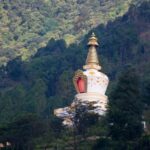
Finally, you’ll end at Boudhanath Stupa, one of Nepal’s major Buddhist pilgrimage sites. The stupa is described as 36 meters tall, with over 50 gompas built around it. It’s a powerful ending point because it feels like a whole spiritual neighborhood rather than a single monument.
If you’ve been bouncing between Hindu and Buddhist spaces all day, finishing with Boudhanath can help things click. You’ll see a different kind of sacred architecture—one that invites slower attention and repeated visits from pilgrims.
Guides and Drivers: What Makes This Day Tour Feel Smooth
A good guide turns a long list of monuments into a connected story. On this tour, the guide role is central: you’re getting explanations of Hindu and Buddhist meaning and the history of the temples, and you can ask questions along the way.
You’ll also notice that pacing matters. Several guides connected to this operation are praised for not rushing people and for keeping the day at your pace. That flexibility matters on a route where timing can shift due to crowds or traffic.
The drivers also matter in Kathmandu traffic. A safe, confident driver reduces stress, which lets you focus on the sights instead of your heart rate.
If you want a memorable day, look for a guide who will answer practical questions like where to stand for photos, what to watch for in carvings, and how to interpret the different religious elements you’ll see on the same grounds.
What to Pack (So You Don’t Feel Beat by Hour 10)
This is a full-day UNESCO circuit. Even with private transport, you’ll deal with stairs and lots of short walks between stops.
I’d pack:
- Comfortable walking shoes (stair-friendly)
- Sun protection (hat/sunscreen)
- A water bottle
- Smart casual clothes you can move in
Also bring your camera, but remember: some of the best views happen after you slow down. If you try to shoot everything while walking, you’ll miss the details that make each stop special.
Should You Book This UNESCO Kathmandu Valley Tour?
Book it if you:
- Want to see all seven UNESCO heritage sites in one day without planning routes
- Like temple and palace architecture and want guidance to understand what you’re looking at
- Have limited time in Kathmandu and prefer a structured day with pickup and drop-off
- Appreciate that entry fees are included for the heritage stops
Skip it or adjust expectations if:
- You hate long days and lots of walking and stairs
- You want a slow travel pace with deep time at just one or two sites
If you’re deciding between doing it yourself and doing it guided, this tour is built for the “I only have one day” traveler. It doesn’t replace multi-day exploration, but it does a strong job at getting your bearings fast and giving you a real sense of how Kathmandu Valley’s sacred sites fit together.
FAQ
How long is the UNESCO Kathmandu Valley tour?
It runs for about 12 hours (approx.), covering multiple heritage sites across the valley.
What is the price per person?
The tour costs $180.00 per person.
What’s included in the price?
You get a private vehicle, an English-speaking guide, hotel pick up and drop off, and all required entry fees in the 7 heritage sites.
Is lunch included?
No. Lunch in Bhaktapur is not included, though you can choose from nearby eateries.
What should I wear?
The dress code is smart casual.
Are the UNESCO heritage sites admission tickets included?
Yes. All required entry fees for the 7 heritage sites are included.
Is pickup available?
Yes. Hotel pick up and drop off are included.
Is this a private tour?
Yes. It is described as private, meaning only your group will participate.
What is the cancellation policy?
You get free cancellation. You can cancel up to 24 hours in advance for a full refund. If you cancel less than 24 hours before the experience starts, the amount paid is not refunded.