REVIEW · BHAKTAPUR & PATAN DAY TRIPS
Nagarkot Sunrise & Bhaktapur UNESCO Heritage Private Tour
Book on Viator →Operated by Attractive Travels and Tours Pvt. Ltd. · Bookable on Viator
Sunrise in Nagarkot can be magic. This private half-day tour pairs Himalaya viewing at Nagarkot with Bhaktapur UNESCO heritage, and it’s run with real logistics handled for you from Kathmandu. I also like that guides such as Prakash are often singled out for being friendly and clear in English, so you don’t just stare at mountains without context.
The big catch is weather. If clouds or fog roll in, you may lose the crisp peak views (including Everest), and the sunrise can feel more like a gray morning than a postcard moment.
In This Review
- Key things to know before you go
- Why this Nagarkot sunrise + Bhaktapur UNESCO combo is such a smart half-day
- 4:20am pickup and the drive to Nagarkot View Tower
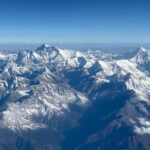
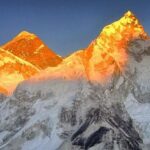
- What you can see: eight Himalayan ranges and the Everest reality check
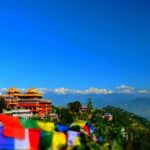
- Bhaktapur Durbar Square UNESCO: where the day gets more human and more detailed
- Dattatreya Square, Nyatapola Temple, and the short stops that add character
- Dattatreya Temple and the surrounding temple area
- Nyatapola Temple and a quick Bhairab temple add-on
- Pottery Square
- The Thangka painting school: craft time you can actually talk about
- Price and fees: where $50 fits, and where you’ll add a little more
- Logistics that can make or break your comfort
- Who should book this tour (and who should consider a different plan)
- Should you book the Nagarkot sunrise + Bhaktapur private tour?
- FAQ
- What time is pickup in Kathmandu?
- How long does the tour take?
- Is this tour private or shared?
- What’s included in the price?
- Are meals included?
- Do I need to pay any entrance fees?
- Are tickets included for the other temple stops?
- Can I see Mt. Everest on this tour?
- Is bottled water provided?
- Is there free cancellation?
Key things to know before you go
- A very early start: pickup is around 4:20 am from your Kathmandu hotel.
- Eight Himalayan ranges on clear days, with Mt. Everest sometimes visible from Nagarkot.
- Bhaktapur Durbar Square UNESCO takes real time (about 2 hours), not a quick photo stop.
- Thangka painting school included, so you see living craft, not just stone monuments.
- Entrance fees add up: Bhaktapur Durbar Square costs extra (NPR 2000 or about USD 15 per person).
- Car access is limited in monuments areas, so expect some walking in Bhaktapur.
Why this Nagarkot sunrise + Bhaktapur UNESCO combo is such a smart half-day
This tour works because it uses the best time of day for both locations. Nagarkot is all about early light and air clarity, then you shift to Bhaktapur while the morning is still fresh.
I like that you’re not trying to coordinate multiple tickets, timing, and transport on your own. Private means your driver and guide keep the pace sane. You get bottled water per person, which sounds small until you’re up before dawn and suddenly grateful.
You also get variety without chaos. The sunrise portion is scenic and quiet. Then Bhaktapur brings temples, squares, crafts, and details you can’t get from a driver-only drop-off.
You can also read our reviews of more private tours in Kathmandu
4:20am pickup and the drive to Nagarkot View Tower
Your day starts early. Pickup from your Kathmandu hotel is listed at about 4:20 am, and then you drive to Nagarkot (about 36 km east of Kathmandu).
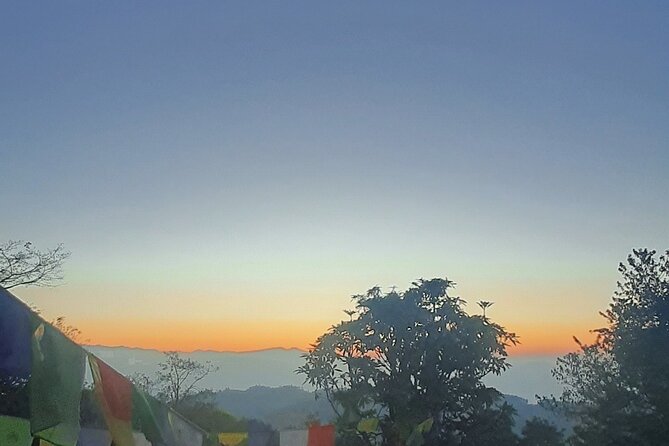
The point of going early isn’t just sunrise. It’s the “in-between” time: you arrive with enough buffer to find your spot, let your eyes adjust, and avoid doing everything while the sky is changing fast. If you’re tempted to skip the jacket, don’t. Mountain mornings near sunrise can feel chilly even when Kathmandu doesn’t.
Nagarkot View Tower is part of the plan and the stop itself is marked as free. In plain terms: you’re paying for the guide, transport, and timing, not for a ticketed attraction. The value here is the view window and the knowledge your guide brings about what you’re looking at.
Also, this is private. Only your group rides along, so you’re not stuck waiting on other people’s slow coat-zipping habits.
What you can see: eight Himalayan ranges and the Everest reality check
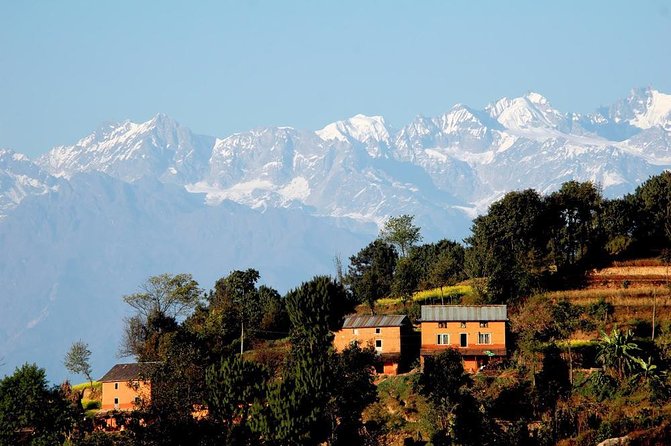
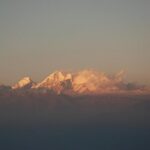
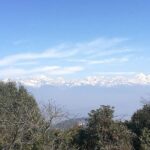
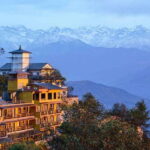
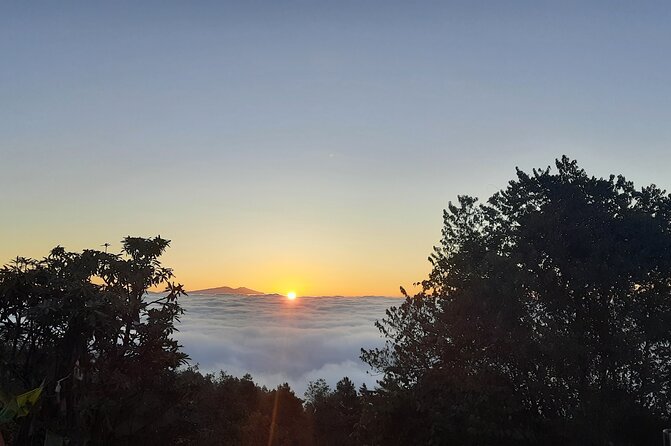
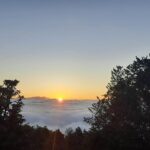
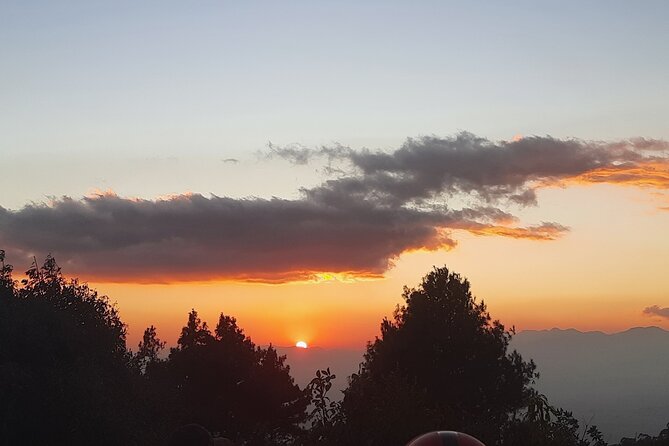
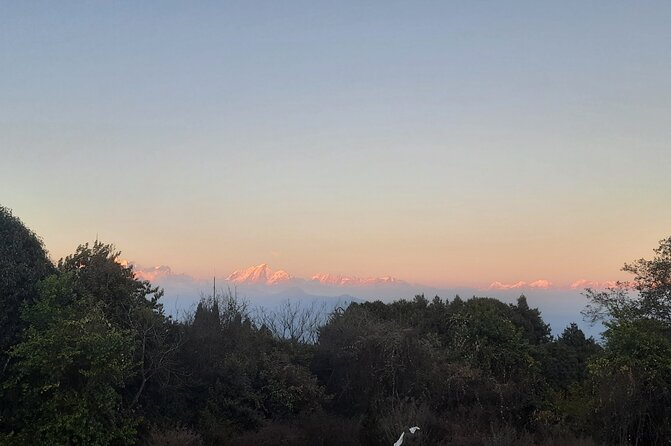
The highlight pitch is sunrise over the Himalayas, including views of eight Himalayan ranges and Mt. Everest on clear days. That part matters because it changes how you plan your expectations.
On a clear morning, it’s genuinely something: your guide can point out peaks and help you connect the silhouettes to mountain names. In feedback, Prakash is specifically noted for being able to identify peaks, including Everest, when visibility is good. That kind of guidance turns the experience from staring into learning.
But on a cloudy or foggy morning, visibility drops fast. You might still get a beautiful sunrise glow, but the high peaks can vanish. One key detail: the tour’s value isn’t the promise of Everest. It’s that you’re positioned early, with a guide who explains what’s possible from where you’re standing.
Practical tip: bring something for warmth, charge your phone before pickup, and accept that nature runs the schedule.
Bhaktapur Durbar Square UNESCO: where the day gets more human and more detailed
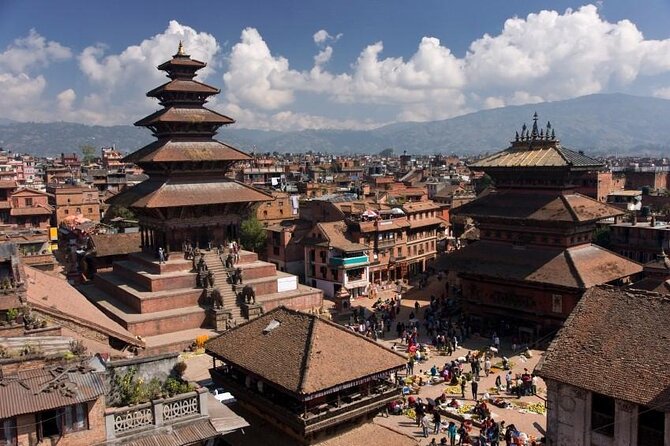
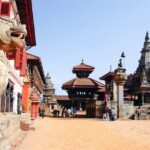
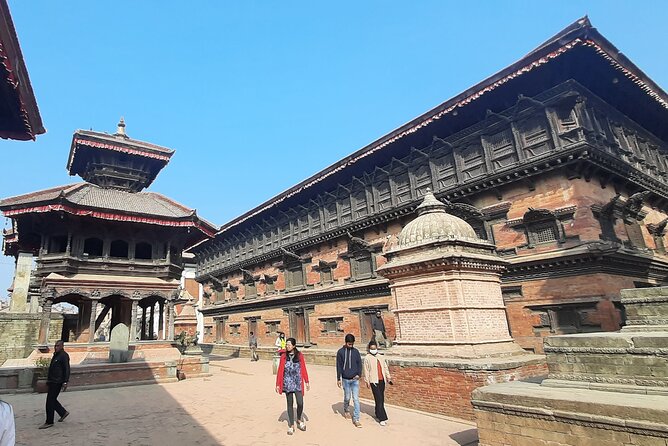
After Nagarkot, you head into Bhaktapur for the UNESCO portion of the tour. Bhaktapur Durbar Square is the anchor stop here, with about 2 hours set aside.
This place is huge in feel and detail. Even when you’re moving efficiently, you’re in a living historic center where buildings, temples, and courtyards create a maze of sightlines. Your guide’s job is to help you understand what you’re seeing, not just point toward rooftops.
There’s also the real-world side of heritage. Parts of the site can show damage from past events, so don’t expect every structure to be perfectly whole. That said, it still gives you the strong sense of Bhaktapur’s former grandeur, and you can often see how craft and design were built into daily life.
Important money note: Bhaktapur Durbar Square entrance fee is not included. The tour information gives the cost as NPR 2000 (about USD 15) per person. Plan to pay that on the day.
Dattatreya Square, Nyatapola Temple, and the short stops that add character
Bhaktapur isn’t just one big square. This tour threads through a few targeted temple and culture stops that keep the day varied without dragging it into an all-afternoon grind.
You can also read our reviews of more historical tours in Kathmandu

Dattatreya Temple and the surrounding temple area
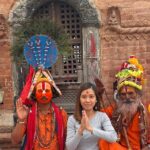
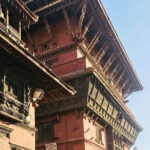
One stop is the Dattatreya Temple complex area (including Pujari Math and the Peacock window, described as dating to the 15th century). You also visit Bhimsen Temple around Dattatreya Square. This is a great stop if you like architecture details and want more than the headline site.
Admission ticket here is marked not included, so if a small ticket is required on the day, you’ll cover it.
Nyatapola Temple and a quick Bhairab temple add-on
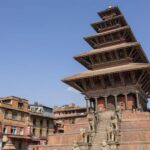
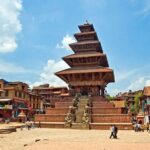
Nyatapola Temple is another highlight. It’s described as the tallest pagoda-style Nepali temple, built in the 17th century by King Bhupatendra Malla, with Bhairab Temple nearby.
This stop is short (about 20 minutes). That’s good if you want a taste and photos, but it’s also a reason to lean on your guide for context so the stop doesn’t feel rushed.
Pottery Square
Pottery Square is listed as a quick visit (about 20 minutes) and admission is marked free. You’ll see how pottery is made and what the process looks like in real time. It’s one of those stops that makes the day feel grounded and local, especially after temple heavy scenes.
The Thangka painting school: craft time you can actually talk about
One inclusion that really lifts the tour is the Thangka painting school in Bhaktapur. This is not just a storefront photo stop. You’re visiting a place where a traditional art form is taught and practiced.
Why that matters: temples give you the past. Craft schools show you the present. Even if you only stay for a limited period, you come away with more than a nice building in your camera roll. You learn what Thangka art is, how it’s approached, and why it’s still valued.
In practical terms, it also gives your brain a break from stone and carvatures. After sunrise and square walking, a craft-based stop feels different in a good way. It’s still culture, just with hands-on or at least maker-focused context.
Price and fees: where $50 fits, and where you’ll add a little more
The tour price is listed as USD 50 per person, and it’s a private tour with hotel pickup/round-trip transfers from Kathmandu. That matters because transport and guide time are doing a lot of work here.
What’s included:
- Transportation per the itinerary (including pickup)
- A professional tour guide
- Thangka painting school visit
- Bottled water (one bottle per person)
What’s not included:
- Foods (meals are separate)
- Tips for your guide and driver
- Entrance fee for Bhaktapur Durbar Square UNESCO (NPR 2000 or about USD 15 per person)
So the real cost picture is usually: your base price plus Bhaktapur Durbar Square entrance, plus whatever you choose to eat and any tipping. That’s fairly typical for Nepal UNESCO visits, and it’s also why I like getting the details upfront.
If you’re comparing value, remember what’s hard to DIY here: the early timing for sunrise, the transport, and the interpretation during the heritage stops. For a lot of visitors, that’s the difference between a good day and a confusing one.
Logistics that can make or break your comfort
This tour is about time management more than physical challenge. The itinerary runs in roughly 5 to 6 hours.
Two comfort notes based on how Bhaktapur works:
- You’ll do some walking. Monument areas limit car access, so expect to move on foot.
- You’ll be in temples and courtyards, which means stepping through uneven spots, stairs, and shaded-to-sunny transitions.
Plan shoes you trust. No brand hype, just solid grip and comfort.
Also, because pickup is so early, it helps to set yourself up the night before:
- charge your devices
- pack warm layers
- bring a snack if you’re the type who gets cranky before breakfast (food isn’t included)
Who should book this tour (and who should consider a different plan)
This is best for you if:
- You want a private morning start with minimal hassle
- You care about both sunrise views and UNESCO heritage in one run
- You like having a guide explain what you’re seeing, especially around peak identification in clear conditions
You might rethink it if:
- You hate early mornings. Pickup is around 4:20 am.
- You expect Everest to be guaranteed. It’s weather-dependent.
- You want a long, slow museum-style day. This tour is efficient, not lingering.
If you’re traveling as a couple, a small family, or a group of friends, private format is a big plus. You also tend to get better pacing and fewer coordination headaches.
Should you book the Nagarkot sunrise + Bhaktapur private tour?
If your heart says yes to early mornings and you can handle paying the Bhaktapur Durbar Square entrance fee, I’d call this a strong booking. You’re buying timing, transport, and guided interpretation, and those are the three things that are hardest to stitch together alone.
The decision hinges on weather tolerance. If you’re the type who gets disappointed when Everest hides behind clouds, you might feel the sting. If you’re happy with a beautiful sunrise plus real cultural stops even when visibility changes, you’ll likely be pleased with what this tour delivers.
FAQ
What time is pickup in Kathmandu?
Pickup is listed at around 4:20 am from your hotel in Kathmandu.
How long does the tour take?
The duration is about 5 to 6 hours.
Is this tour private or shared?
It’s a private tour/activity, meaning only your group participates.
What’s included in the price?
Transport per the itinerary, a professional tour guide, the Thangka painting school visit, and bottled water (one bottle per person) are included.
Are meals included?
Foods are not included, so you’ll pay for meals separately.
Do I need to pay any entrance fees?
Yes. Bhaktapur Durbar Square UNESCO World Heritage Site entrance fee is not included, listed as NPR 2000 or about USD 15 per person.
Are tickets included for the other temple stops?
Admission tickets for some temple stops are marked not included, while some stops like Nagarkot View Tower and Pottery Square are marked as free.
Can I see Mt. Everest on this tour?
The tour promises views of eight Himalayan ranges and includes Mt. Everest on clear days, but visibility depends on weather.
Is bottled water provided?
Yes. Bottled water is provided, with one bottle per person.
Is there free cancellation?
Yes. Free cancellation is offered up to 24 hours in advance of the experience start time for a full refund.