REVIEW · COOKING CLASSES
Half Day Cooking Class in Thamel with Local Market Visit
Book on GetYourGuide →Operated by Nepal Cooking School · Bookable on GetYourGuide
Spice shopping in Thamel feels like a shortcut. In about three hours, you’ll visit a local market and then cook and eat a full lineup of Nepali and Newari food in a small group. It’s a hands-on way to learn what drives the flavors: spices, technique, and how Nepalese cooking actually comes together.
I especially like the pacing. You cook one course and then eat it right away, so your meal stays fresh and hot, and you get to adjust seasoning as you go. You’re also not stuck in a big crowd. With a limit of 8 people, the English-speaking instructor can actually answer questions and keep an eye on what you’re doing.
One thing to consider: the market visit can feel a little variable depending on your shift and day. If your class timing lines up differently, you might not get the same shopping-style market experience you expected, even though you’ll still learn and cook the menu.
In This Review
- Key Highlights You’ll Care About
- From Thamel Streets to a Real Nepalese Kitchen Routine
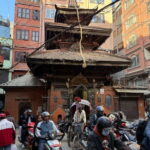
- The Thamel Market Visit: Why It Matters More Than Souvenirs
- The Cooking Class Flow: One Course, Then You Eat
- Three Menus, Four Dishes Each, and Always Momo
- Spices, Technique, and What You Actually Learn
- Time Slots in Thamel: 9:00, 1:30, or 4:30
- Price and Value: What $21 Buys You in the Real World
- Practical Tips: How to Prepare for a Smooth, Tasty Class
- Who Should Book This Cooking Class (and Who Might Skip It)
- Should You Book This Half-Day Cooking Class in Thamel?
- FAQ
- How long is the Half Day Cooking Class in Thamel?
- What times are the cooking classes offered each day?
- Is a local market visit included?
- How many courses will I cook and eat?
- Is there an English-speaking instructor and a small group size?
- Can I adjust the spice level of what I’m cooking?
- What should I bring, and what’s included?
- Is free cancellation available, and can I pay later?
Key Highlights You’ll Care About
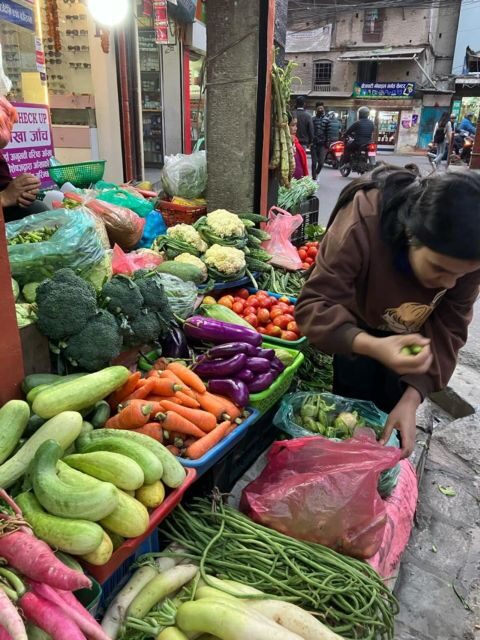
- Market visit for ingredients: you see what gets used before you start chopping and cooking
- Cook-then-eat rhythm: one course at a time, served hot, so it never turns into cold theory
- Four courses in total: you’ll cook a full meal structure, not just sample bites
- Three menus with momos every time: the menu changes, but dumpling lovers aren’t left out
- Small group (up to 8): more attention, less waiting around
- English instruction plus masala tea: you get context and comfort as you learn
From Thamel Streets to a Real Nepalese Kitchen Routine
Thamel is the kind of neighborhood where food is always in the air, but it can still be hard to understand what you’re smelling. This class turns those aromas into something you can actually recreate, because you go from market to cutting board without a long detour.
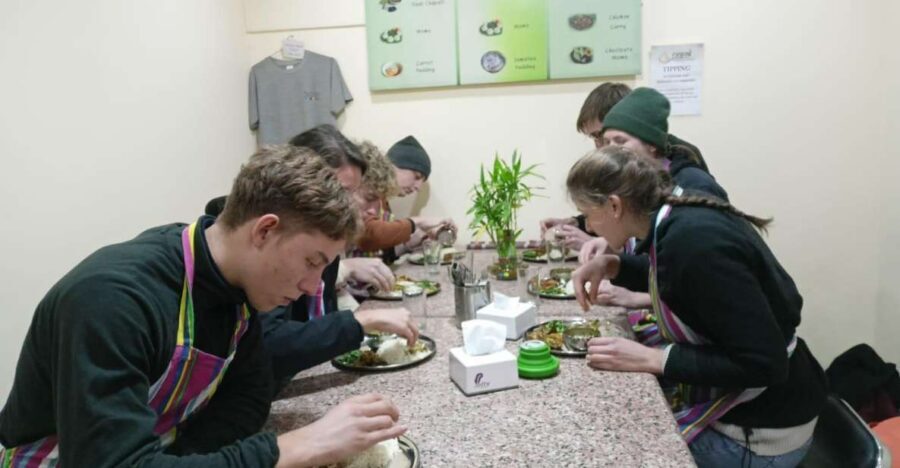
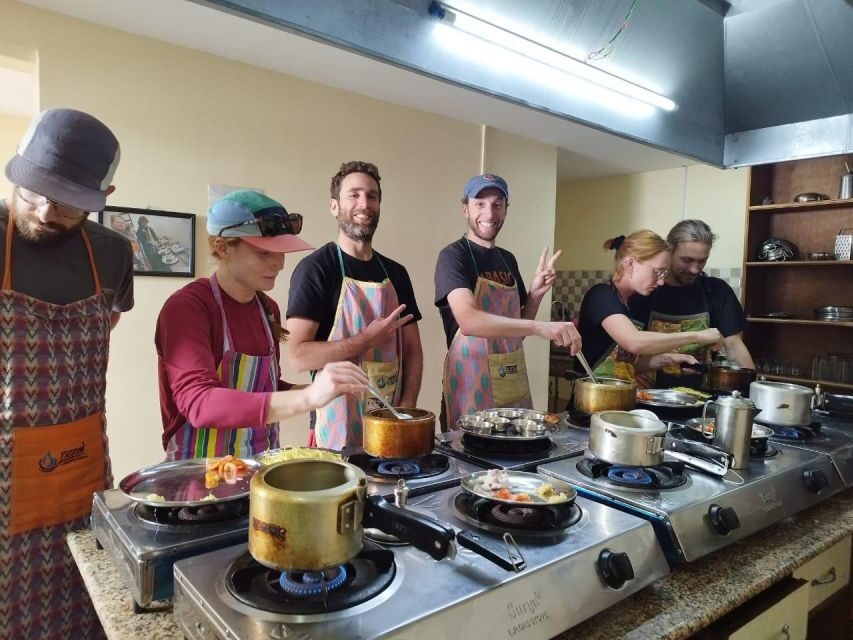
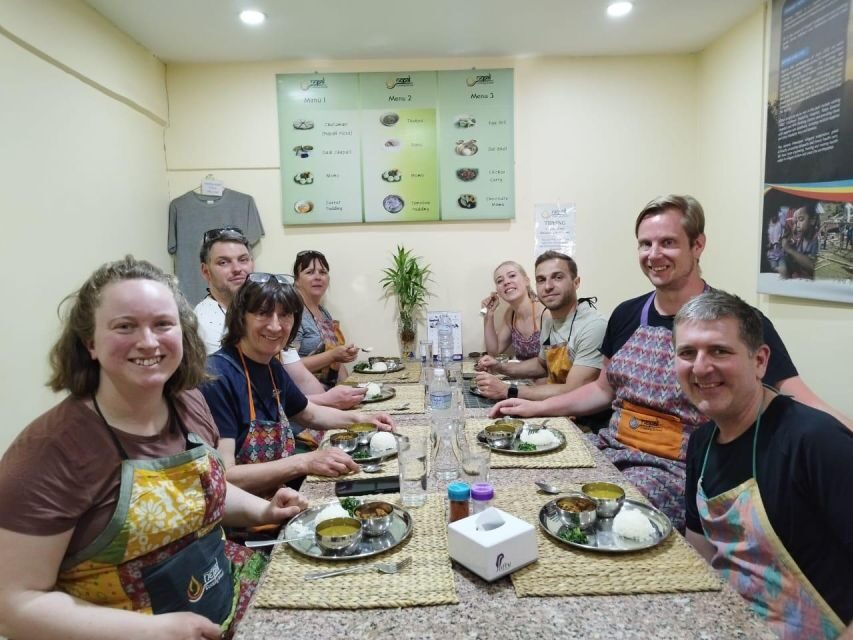
The format is simple and practical. You follow a step-by-step flow with your cooking instructor, and you don’t just watch. You cook one course, then you eat it before moving on.
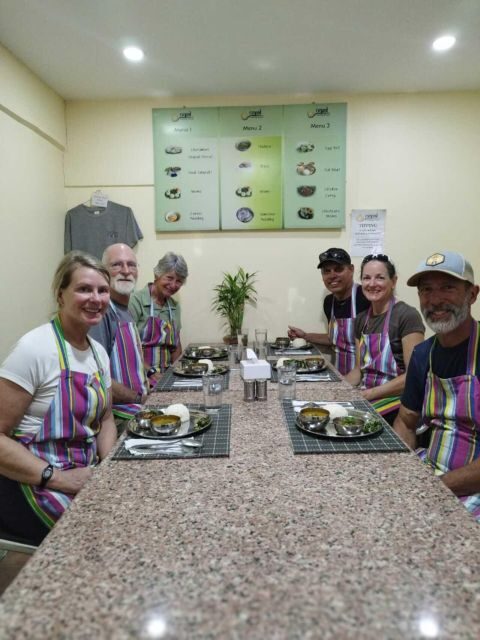
The small group size matters more than it sounds. With a limit of 8 participants, it feels more like a shared cooking session than a classroom. That also helps if you’re slow with chopping, unsure about spice levels, or just want clarification.
You can also read our reviews of more shopping tours in Kathmandu
The Thamel Market Visit: Why It Matters More Than Souvenirs
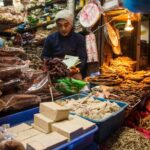
A local market stop is included, and that’s one of the best parts of the experience. You get to see ingredients before they become recipes. That means when the instructor talks about spices and usage, it lands in your brain as something real.
Think of it like language learning. Watching cooking videos can be fine, but seeing spices in their natural place changes your understanding fast. You learn what fresh ingredients look like, and you get better at recognizing them later when you’re grocery shopping back home.
There’s also a practical benefit. When you understand what goes into a dish, you can adjust recipes later without needing the exact same ingredient list. You’ll know which parts are flexible and which parts carry the flavor structure.
One caution: a prior participant noted they did not make it to the food market on their shift. Another point from the same feedback was that spices purchased there were expensive. I’d treat this as a reminder to confirm what your specific schedule includes, especially if you’re hoping to buy items like spices to take home.
The Cooking Class Flow: One Course, Then You Eat
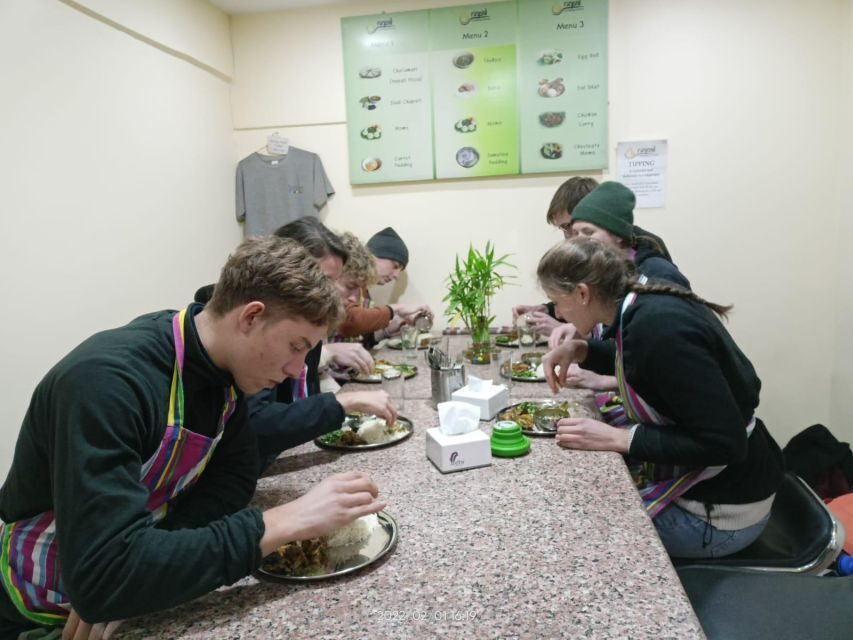
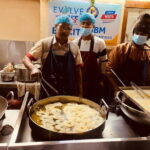
This is the kind of cooking class you’ll actually enjoy if you like food more than speeches. The chef/instructor walks you step by step through the process, and the key rule is that you cook one course and then eat it.
That rhythm does a few smart things:
- Food stays hot: you don’t wait while the whole group finishes.
- You taste while you cook: seasoning makes sense in the moment.
- You learn by doing: each dish builds on what you just practiced.
You also get control. You can add as much or as little of individual ingredients based on your preferences. If you love chili, you can push the heat. If you don’t, you can go lighter without needing special language or advanced cooking skills.
For anyone who’s anxious about cooking, this format helps. You’re not trying to cook an entire menu perfectly from scratch. You’re building confidence course by course, and the instructor guides you through the steps.
You’ll also have basics handled for you: all equipment and ingredients are provided. That lowers the stress of traveling in Nepal and figuring out what to bring beyond a simple camera.
Three Menus, Four Dishes Each, and Always Momo
One of the smartest choices here is variety. There are three different menus, and each menu includes four traditional dishes. So even if you come on a specific shift, you’re not guaranteed to get the same meal someone else did.
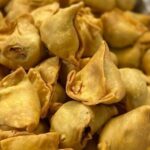
You’re also guaranteed to get momos. No one gets left out just because they want the classic Nepalese dumplings. If you’re choosing a class largely for Nepalese food, this is a major win.
Because the exact dish names aren’t listed here, I won’t pretend I know the full menu lineup. But what you can expect is a mix that reflects traditional Nepali and Newari influences, taught through real cooking steps rather than guesswork. The menus change, but the learning structure stays consistent.
A helpful clue from feedback: someone described it as interactive and said they cooked a full menu with good instructions. Another participant specifically enjoyed that the selection from the three menus felt well organized, and even within a menu, dishes could be swapped or adapted. If you have preferences, it’s worth asking ahead of time what flexibility is possible.
Spices, Technique, and What You Actually Learn
This class isn’t just about eating. You’re learning Nepalese food logic: how spices behave, how flavors combine, and how technique affects the final taste.
The market visit sets you up for this because you’re not hearing about spices in the abstract. You’re connecting the spice talk to what you saw and touched earlier. That makes it easier to understand why certain ingredients are added at particular stages, and how seasoning changes during cooking.
I also like the teaching approach described in the feedback. One participant mentioned staff were patient and that it felt relaxed, more like visiting friends than attending a formal course. That tone matters. Cooking classes can become tense fast when you’re unsure about heat levels or timing. A calmer setting helps you pay attention instead of worrying about mistakes.
And yes, you get a tasting element built in. You taste what you cook, so you’re learning by feedback. You’ll know what to repeat next time and what you’d adjust.
You’ll also be served masala tea and drinking water, which is a small inclusion that helps keep the whole experience comfortable from start to finish.
You can also read our reviews of more tours and experiences in Kathmandu

Time Slots in Thamel: 9:00, 1:30, or 4:30
Classes run three times a day: 9:00 am, 1:30 pm, and 4:30 pm. That makes it easier to fit into a Thamel-based itinerary, whether you want a morning activity, a midday food reset, or an evening meal lesson.
This matters because your market experience could be affected by the shift. One participant noted they didn’t go to the food market on a Saturday morning class. I can’t promise your timing will behave the same way, but it’s worth keeping in mind. If the market portion is your priority, pick the shift that best matches your overall day in Thamel and ask the school what’s planned for that particular session.
The class duration is listed as 3 hours, which feels like the sweet spot. Long enough to cook four dishes and eat them properly, short enough to keep your afternoon or evening open.
Price and Value: What $21 Buys You in the Real World
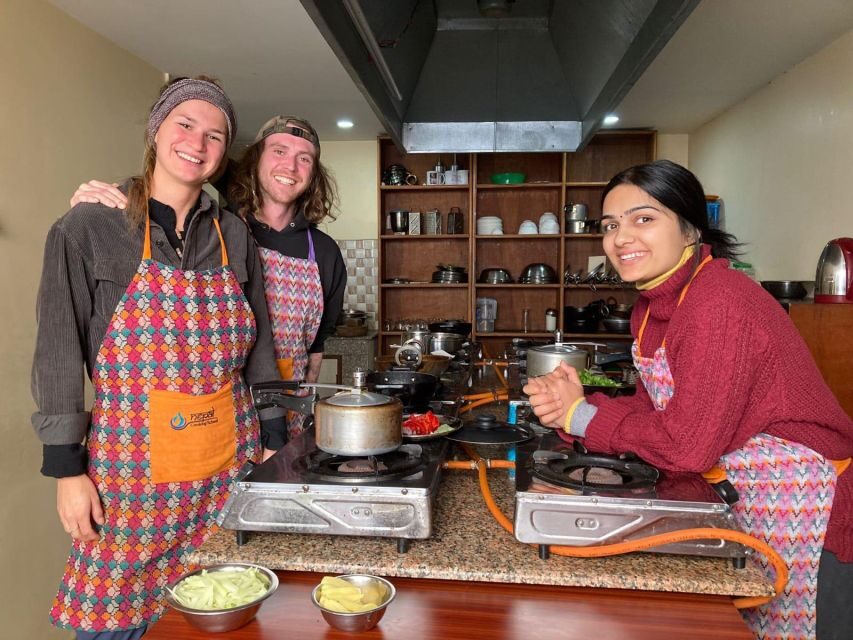
At $21 per person for a 3-hour, small-group class that includes a local market visit, four courses, and all ingredients and equipment, the value is strong. The best part isn’t just the low cost—it’s what’s included that usually costs extra elsewhere.
You’re getting:
- A market visit tied directly to what you cook
- Four courses you cook and taste
- An English-speaking instructor guiding step by step
- Masala tea plus drinking water
- Everything you need to cook, so you’re not paying for supplies
Also, four courses is a real meal. A lot of budget cooking classes are really snack-sized tastings. Here, you come hungry and leave satisfied, based on the emphasis on plenty of food.
So if you’re weighing this against a restaurant meal plus a cookbook, I’d pick this. You’re paying for the skill and context—how ingredients and technique work—while also eating.
Practical Tips: How to Prepare for a Smooth, Tasty Class
This class is built to be easy, but you’ll get better results if you show up prepared.
Bring a camera. You’ll likely want photos of the ingredients, the cooking process, and the dishes you produce.
If you have allergies or specific dietary restrictions, tell the cooking school ahead of time. They’re set up to accommodate needs or suggest alternatives, as long as they know what to watch.
Decide your spice preferences early. The class allows you to adjust seasoning, including chili, but it’s easier if you mentally set your target heat level at the start. If you’re excited to learn Nepalese flavors, don’t be afraid to try small amounts first and adjust from there.
Also, if you’re traveling in Thamel and hoping for pickup, note that pickup is inside Thamel by walk. Pickup outside the Thamel area isn’t included, so plan your meeting point accordingly.
Who Should Book This Cooking Class (and Who Might Skip It)
I’d recommend this class if you want:
- A hands-on way to understand Nepali and Newari flavors
- A food-focused activity that still feels cultural and practical
- An option that includes tea and a full meal structure
- A small group setting where your questions matter
It’s also a solid fit for solo travelers. One participant said they joined as a single person and felt welcomed and well taken care of right away.
You might rethink booking if your main goal is a guaranteed, in-depth market shopping experience with lots of time to buy ingredients. While a market visit is included, one review mentioned a shift where the market portion didn’t happen as expected. If shopping is a must, confirm details with the school before you commit.
Should You Book This Half-Day Cooking Class in Thamel?
Yes, I think you should book it if you want a true taste-and-learn experience in a short window. The cook-then-eat structure, the four-course meal, and the guaranteed momos inclusion make it feel worth your time, even if you’re only in Kathmandu for a few days.
Also, the small group size is a big deal. You’re more likely to leave with techniques you can repeat, not just photos of food.
My only hesitation is the market-visit consistency by shift. If you’re choosing your class because of the market angle, pick your time slot with care and ask what the plan is for your specific session.
If you can do that one bit of homework, you’ll likely walk away fed, informed, and with a few spice lessons you can use long after you leave Thamel.
FAQ
How long is the Half Day Cooking Class in Thamel?
The class runs for about 3 hours.
What times are the cooking classes offered each day?
There are three shifts: 9:00 am, 1:30 pm, and 4:30 pm.
Is a local market visit included?
Yes. The experience includes a local market visit for ingredients used in your cooking class.
How many courses will I cook and eat?
You’ll cook and eat a total of 4 courses.
Is there an English-speaking instructor and a small group size?
Yes. The instructor speaks English, and the class is limited to 8 participants.
Can I adjust the spice level of what I’m cooking?
Yes. You can add as much or as little of individual ingredients, including chili, based on your preferences.
What should I bring, and what’s included?
Bring a camera. The class includes the market visit, all equipment and ingredients, masala tea, drinking water, and tasting what you cook.
Is free cancellation available, and can I pay later?
Yes. You can cancel up to 24 hours in advance for a full refund, and there’s a reserve now & pay later option.