REVIEW · KATHMANDU CITY & WALKING TOURS
Oldest Local Market Walking Tour With Living Goddess Kumari
Book on GetYourGuide →Operated by Mount Glory Treks · Bookable on GetYourGuide
A first glance at the Living Goddess Kumari is the kind of moment you don’t forget. This 2-hour walking tour mixes daily street life in Ason with major cultural stops near Kathmandu Durbar Square, plus clear context about the Hindu and Buddhist ideas shaping what you see. I also like that the experience is guided in English with a level of communication that makes the whole story easier to follow, not just something you watch from the sidelines.
I love the practical combo here: you get the market atmosphere of Ason and then a shift into the stone-and-temple world of Kathmandu Durbar Square. You’ll also learn what the term living goddess means in Kathmandu culture, including the Kumari’s role tied to Taleju and her residence in the Kumari Ghar. One thing to consider is that the Durbar Square entry fee is not included, so plan for the additional 1000 Nepali Rupee cost once you arrive.
In This Review
- Key Points You’ll Actually Care About
- Why the Living Goddess Moment Hits Differently in Kathmandu
- Ason Market Walk: Oldest Market Energy Without the Tourist Script
- Kathmandu Durbar Square: Temples, Palaces, Courtyards, and the Fee
- How the Guide Connects Hinduism and Buddhism to What You See
- A 2-Hour Tour Plan That Doesn’t Waste Your Day
- Price and Value: Is $39 Reasonable for This Two-Hour Mix?
- Who Should Book This Walk (And Who Might Skip It)
- Should You Book the Oldest Market and Kumari Tour?
- FAQ
- FAQ
- Where is the meeting point for this tour?
- How long does the walking tour last?
- What is the price per person?
- Is an English-speaking guide included?
- What does the tour include besides the guide?
- What is not included in the price?
- How much are the Kathmandu Durbar Square entry fees?
- What language is the tour offered in?
- Who provides the experience?
- What is the cancellation policy?
- Is reserve & pay later available?
Key Points You’ll Actually Care About
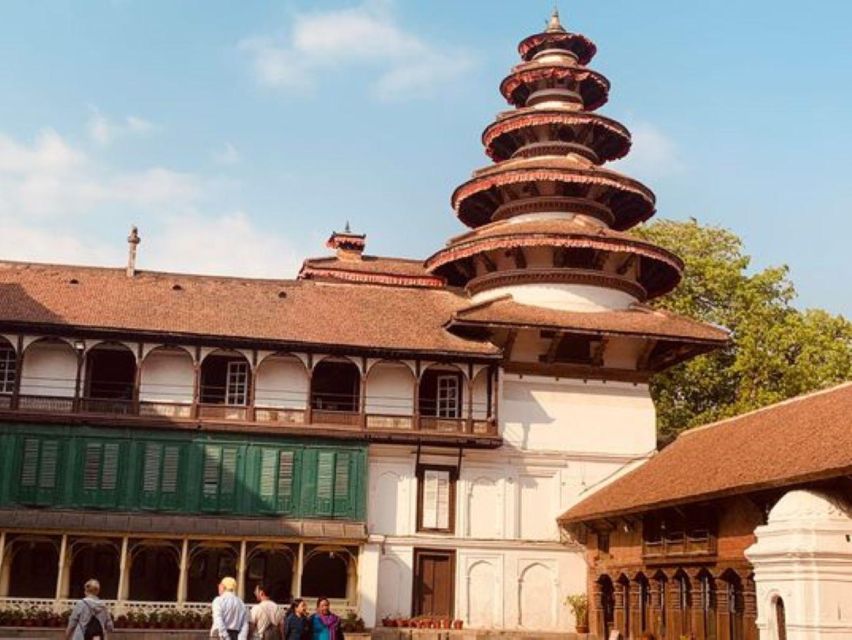
- Ason is the oldest local market area in Kathmandu, so you’re seeing everyday commerce, not a staged bazaar
- Living Goddess Kumari viewing is the headline moment, and the guide helps you understand what you’re looking at
- Kathmandu Durbar Square adds temples, palaces, and courtyards to the story of the city
- English-speaking guidance means you can ask questions and connect dots as you walk
- Hinduism and Buddhism themes are woven through the stops, not taught as a separate lecture
- Bottle mineral water is included, a small comfort on a short walk
Why the Living Goddess Moment Hits Differently in Kathmandu
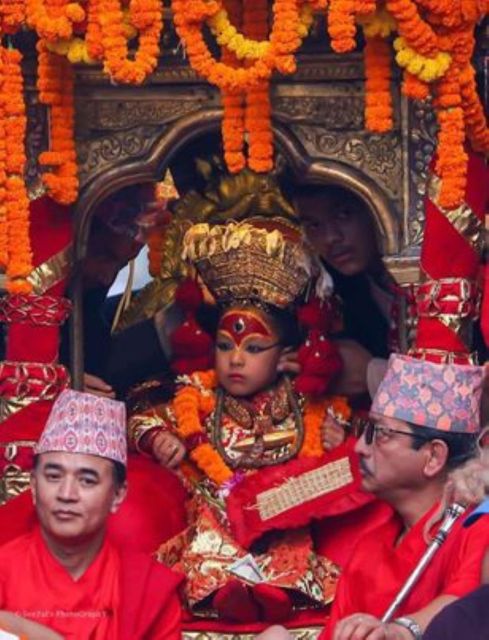
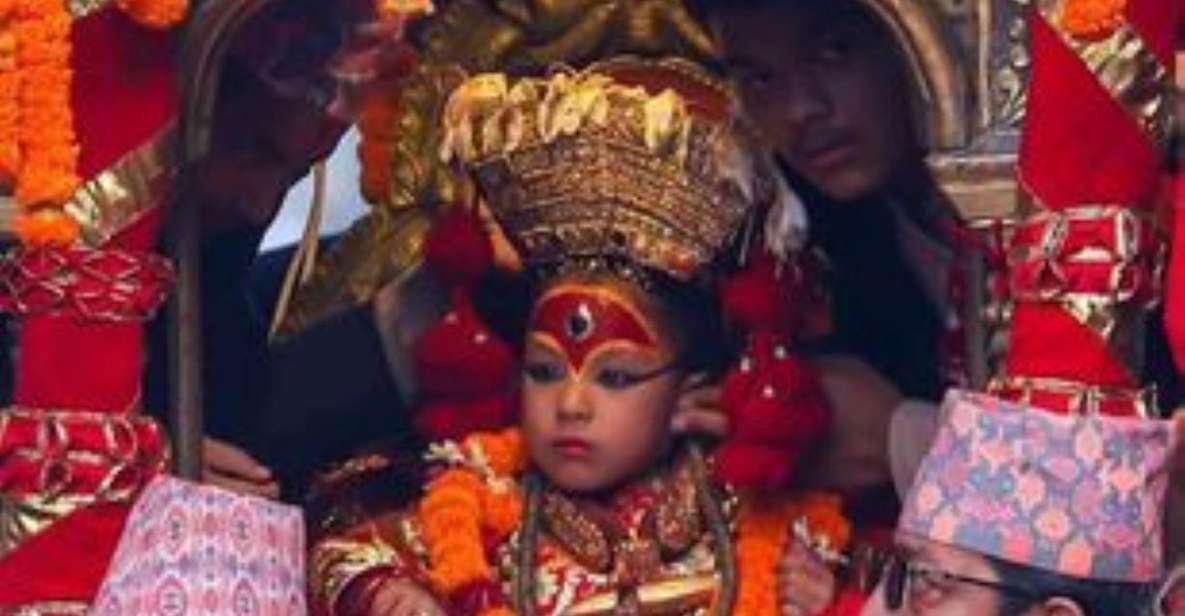
If you’ve never seen a living goddess before, this is one of those rare chances that actually changes your perspective. In Kathmandu, Kumari is a prepubescent girl understood as the living embodiment of the goddess Taleju in Nepalese culture. During your visit, you’re not just seeing a person in a special place—you’re seeing a living tradition that has stayed meaningful for generations.
What I like most is that the tour framing helps you interpret the moment instead of treating it like a photo-op. The living goddess concept is explained as part of a broader spiritual system tied to Kathmandu’s religious life. That context matters because it makes your attention shift: you notice posture, presence, and the way people approach the space with respect.
The other emotional detail is subtle: the Kumari’s gaze is hard to forget. Even if you’re not religious, you’ll feel the seriousness in the moment—because the role is so clearly rooted in tradition and religious belief.
You can also read our reviews of more walking tours in Kathmandu


Ason Market Walk: Oldest Market Energy Without the Tourist Script
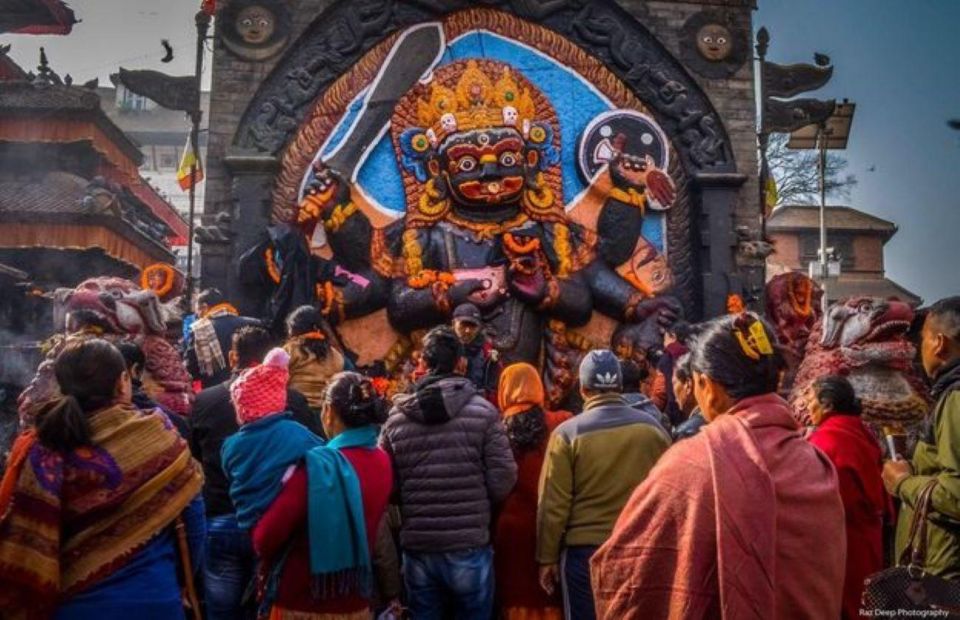
Your walk starts in Thamel, meeting at the main gate side of the Chhaya Devi Complex, right by Chhaya Center. From there, the tour focuses on Ason, described as Kathmandu’s oldest local market area. This is where you see how the city buys, sells, trades, and moves through narrow streets with shops and stalls.
Ason is known for practical goods you’ll recognize instantly: spices, textiles, and souvenir-style items. But the real value is not the list of products. It’s the texture of the place. You’ll get a feel for how commerce and culture overlap in Kathmandu—where buying an item is also part of participating in daily life.
I also like that this stop supports the rest of the tour. When you later look at Kathmandu Durbar Square, you understand you’re not jumping between unrelated landmarks. You’re moving through one continuous cultural map: street life now, religious spaces and power centers past and present.
Practical note: you’ll be in a walking environment with lots of foot traffic and shop fronts. Wear shoes you can stand and step in comfortably, and keep your phone charged enough for quick photos. You don’t need to treat it like a long hike; it’s a short, concentrated walk where timing matters.
Kathmandu Durbar Square: Temples, Palaces, Courtyards, and the Fee
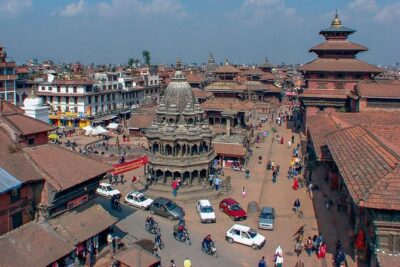
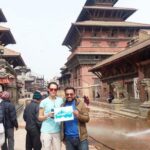
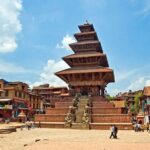
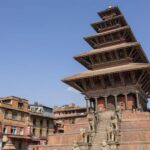
Kathmandu Durbar Square is the big historical anchor in the tour. It’s a central square known for cultural and architectural significance, with palaces, temples, and courtyards that reflect the long story of the Kathmandu Valley. This is where the tour shifts from market motion to a more architectural way of seeing.
The payoff here is pattern recognition. Once you’ve walked through Ason and learned about local religious ideas, Durbar Square stops feeling like random monuments. You start understanding how Hindu life and Buddhist influences coexist in Kathmandu’s built environment—how the city organizes meaning around sacred space.
One consideration is cost. Kathmandu Durbar Square entry fees are not included and are listed as 1000 Nepali Rupee. So even though the tour price is clear up front, your total day cost will increase slightly once you reach the square.
Also, plan for a quieter pace inside the heritage zones. It’s not just sightseeing. Durbar Square is designed for looking closely: stone carvings, courtyard layouts, and temple details tend to make more sense when you slow down for a few minutes instead of sprinting from photo spot to photo spot.
How the Guide Connects Hinduism and Buddhism to What You See
This tour is not only about locations. It’s about themes: Hinduism and Buddhism, explained through the spaces you visit. That matters because Kathmandu can feel layered—people often wear one set of beliefs daily, while the city’s symbols and architecture reflect multiple traditions operating side by side.
You’ll also hear what the living goddess role means within that spiritual world. In simple terms, Kumari’s status is tied to Taleju, and her living tradition is linked to her residence in the Kumari Ghar. The guide’s job is to help you translate those terms into something you can actually visualize in context.
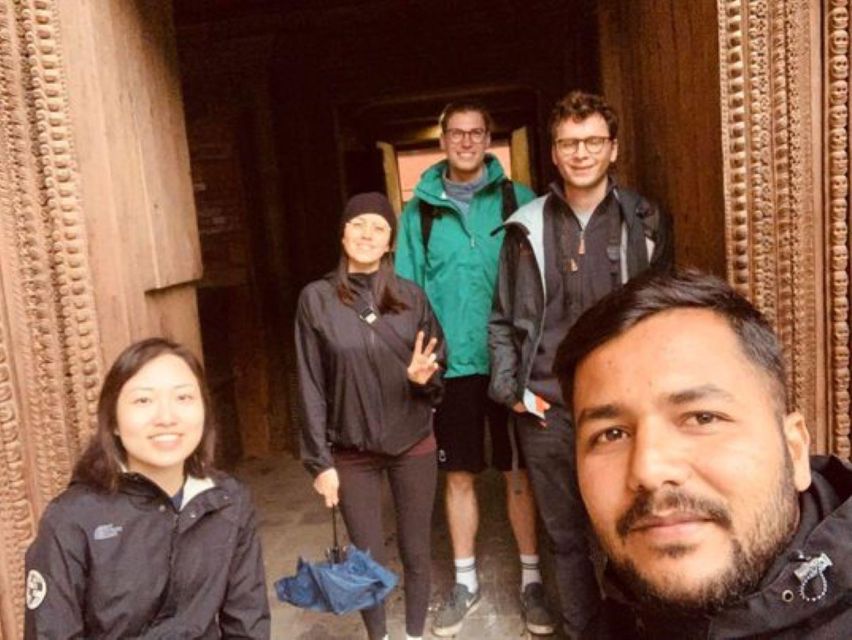
This is where English guidance becomes more valuable than you might expect. When a guide speaks clearly and explains details, you catch the logic behind why a place looks the way it does. One past guide highlighted for communication and strong explanations is Santos, and that style is exactly what makes a short 2-hour tour feel complete rather than rushed.
If you like learning on your feet—connecting religion, architecture, and local life—this fits nicely. If you prefer purely visual sightseeing with zero explanation, you might find yourself wishing for more free time. But the tour’s purpose is interpretation, so lean into questions.
A 2-Hour Tour Plan That Doesn’t Waste Your Day
The total duration is 2 hours, and the guided tour time is also listed as 2 hours. That compact schedule is part of the value. You’re not committing a whole day in a city traffic system, and you still hit the major emotional and cultural points: Ason, Kumari, and Kathmandu Durbar Square.
Here’s how the pacing works in real life:
- You meet at Chhaya Center area in Thamel.
- You go to Kathmandu Durbar Square for the guided portion.
- The tour returns to the starting area.
In a short experience like this, your best move is to show up ready to walk. If you’re going to stop for extra photos, do it quickly and safely. If you’re hoping for long shopping time in Ason, you’ll probably need to save that for later. The tour is designed to guide you through highlights, not to turn into an open-ended market day.
One more small practical tip: skip meals right before if you expect it to make you heavy and slow. You’re moving through public spaces, and feeling comfortable helps you pay attention to what the guide is pointing out.
You can also read our reviews of more shopping tours in Kathmandu


Price and Value: Is $39 Reasonable for This Two-Hour Mix?
At $39 per person for a 2-hour guided experience, this is priced in the category of a focused city walk with an important cultural component. The value comes from what’s included:
- an English-speaking tour guide
- government taxes and VAT
- a bottle of mineral water
The main financial caveat is Durbar Square entry fees, listed at 1000 Nepali Rupee. Meals and personal expenses are also not included, which is normal for a walking tour but still worth planning for.
So is it worth $39? For me, it works if you want the combination:
1) the oldest market area feeling of Ason,
2) the Kathmandu Durbar Square heritage focus, and
3) a guided explanation of Kumari and the Hindu-Buddhist cultural context.
If you already plan to wander Ason on your own and you don’t care about learning the Kumari context, you could potentially pay less without a guide. But if you want the story to click while you’re standing in front of these places, the included English guidance is what you’re paying for.
Who Should Book This Walk (And Who Might Skip It)
This tour is a good fit if:
- you want a short, structured introduction to Kathmandu culture
- you’re curious about the Kumari tradition and what it means
- you like guided explanations in English rather than reading alone
- you want to combine street-level market life with major heritage space
You might consider skipping if you:
- want a longer shopping-focused market outing in Ason
- dislike heritage sites where entry fees add to your cost
- prefer no guidance and no interpretive learning at all
Also, it’s ideal for first-timers who want a concentrated hit of Kathmandu in two hours. It’s not trying to replace days of independent wandering. It’s trying to give you meaning fast.
Should You Book the Oldest Market and Kumari Tour?
I’d book it if you’re aiming for a Kathmandu experience that feels both real and understood. The strongest reason is the living goddess component tied to Kumari’s role in Kathmandu culture, and the fact that the guide helps you make sense of it. Add Ason’s oldest market atmosphere and Kathmandu Durbar Square’s palaces, temples, and courtyards, and you’ve got a tight itinerary with real variety.
If you’re on a budget, just factor in the Durbar Square entry fee of 1000 Nepali Rupee. If you’re comfortable walking for two hours and you enjoy explanations, this is one of those tours that tends to reward attention more than speed.
FAQ
FAQ
Where is the meeting point for this tour?
The tour meets at the main gate side of the Chhaya Devi Complex at Thamel, Kathmandu.
How long does the walking tour last?
The duration is 2 hours.
What is the price per person?
The price is $39 per person.
Is an English-speaking guide included?
Yes. A well English speaking tour guide is included.
What does the tour include besides the guide?
It includes government taxes and VAT, and a bottle of mineral water.
What is not included in the price?
Meals and beverages are not included, and Kathmandu Durbar Square entry fees are not included. Personal expenses are also not included.
How much are the Kathmandu Durbar Square entry fees?
The Kathmandu Durbar Square entry fees are listed as 1000 Nepali Rupee.
What language is the tour offered in?
The tour language is English.
Who provides the experience?
The experience provider is Mount Glory Treks.
What is the cancellation policy?
You can cancel up to 24 hours in advance for a full refund.
Is reserve & pay later available?
Yes, reserve now & pay later is available, with the option to book and pay nothing today.