REVIEW · COOKING CLASSES
Best Nepali Cooking Class in Thamel with Local Market Trip
Book on Viator →Operated by Epic Adventures Pvt. Ltd. · Bookable on Viator
Spice and shop stops in Thamel. This Nepali cooking class mixes a guided local market walk with hands-on time at a cooking school, so you learn why certain spices and ingredients work in everyday Nepali food—not just how to follow a recipe. I like that all ingredients are included, and that you cook alongside Nepali cooks while having fun and then eat what you make. One heads-up: the kitchen setup can be tight, so if you want a slow, classroom-style lesson, this can feel a bit more like rapid, practical making.
What makes it especially workable is the structure. You get a pickup option, a mobile ticket, and a small cap of 8 people, which helps you actually interact and get questions answered. At the same time, it’s still an efficient 3-hour experience, so come ready to move, chop, and taste instead of expecting long explanations.
In This Review
- Key highlights at a glance
- Thamel-to-Kitchen Flow: How the 3 Hours Works
- The Local Market Trip: Your Ingredient Scavenger Hunt
- Nepal Cooking School: Hands-On Lessons, Not a Long Lecture
- What You’ll Cook, and Why the Meals Matter
- Vegetarian and Vegan Options: Easy to Request, Use the Market Advantage
- Price and Value: Why $30 Can Actually Be a Deal
- Group Size and Classroom Comfort: The Trade-Off You Should Expect
- Who Should Book This Cooking Class (and Who Might Pass)
- Quick practical tips before you go
- Should you book Epic Adventures in Thamel for this market-and-cook class?
- FAQ
- How much does the cooking class cost?
- Where does the tour take place?
- How long is the experience?
- Does the tour include pickup?
- Are ingredients included, or do I need to bring them?
- Will I visit a local market during the tour?
- Is the class vegetarian or vegan friendly?
- What meals are included?
- How many people are in the group?
- What is the cancellation policy?
Key highlights at a glance
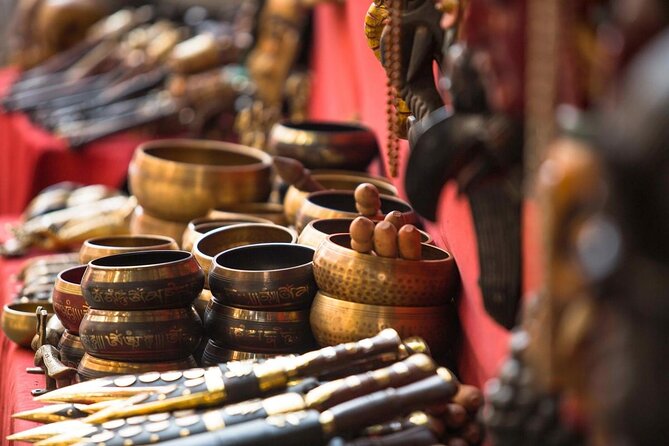
- Thamel market trip where you pick ingredients with guidance from Nepali cooks
- All ingredients included, so you’re not hunting for pantry basics mid-trip
- Hands-on cooking time with a focus on local spices and techniques
- Vegetarian and vegan options available if you request them ahead
- Small group size (max 8) for a more personal feel
Thamel-to-Kitchen Flow: How the 3 Hours Works
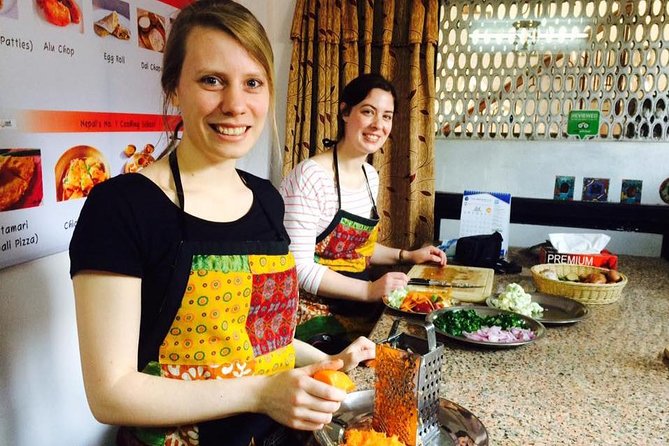
This is built as a short, energy-friendly experience in Kathmandu’s Thamel area. You’ll join a small group—up to 8 people—which matters more than it sounds. With fewer people, you spend more time cooking and asking questions, and less time waiting around for the next instruction.
The tour is about 3 hours, give or take, with a structured start at the Nepal Cooking School. It typically begins with an introduction to local ingredients, spices, and cooking techniques used in the region. Then the class connects directly back to what you see and buy in the market. That link is the whole point: the market walk isn’t separate sightseeing; it’s the ingredient toolbox for the cooking you’ll do afterward.
You may also have pickup offered (private transport is not included). If you’re staying in Thamel, that often saves hassle on a day when you’re already walking a lot.
You can also read our reviews of more shopping tours in Kathmandu
The Local Market Trip: Your Ingredient Scavenger Hunt
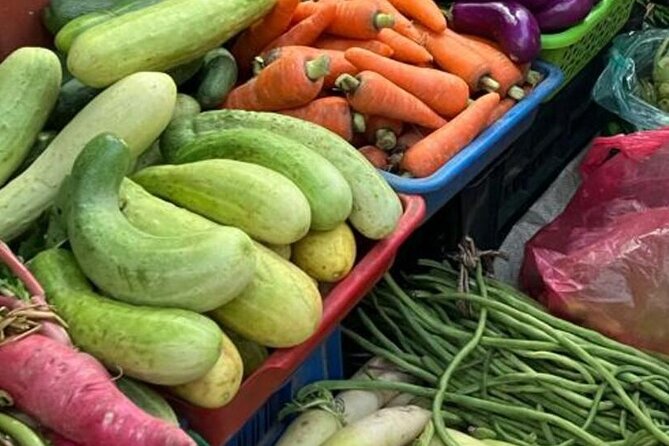
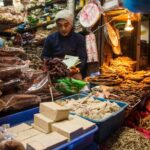
The market portion is where the experience turns from “cookery” into a real look at daily food life. You’ll be guided to a local market to shop for fresh produce and ingredients. Expect emphasis on spices and what’s actually used in Nepali home kitchens, not just what looks good on a package.
Here’s what you’ll likely find valuable as a cook or food nerd: you see how ingredient choice affects flavor. Nepali cooking often depends on spice blends, fresh aromatics, and the way items are chopped and cooked—not only on one star ingredient. When you’re buying the basics together, you’re learning how locals think about meals: practical, flavorful, and ingredient-driven.
Also, this is not a quick photo stop. The tour is designed so shopping time feeds directly into the class. If you come with an open mind, you’ll start noticing the small stuff—how people select produce, how spices are portioned, and why certain ingredients are more common than others.
If you want a vegetarian or vegan version, this is the best moment to get your needs clear. The tour states that vegetarian and vegan options are available on request, and the market trip is the stage where adjustments happen most naturally.
Nepal Cooking School: Hands-On Lessons, Not a Long Lecture
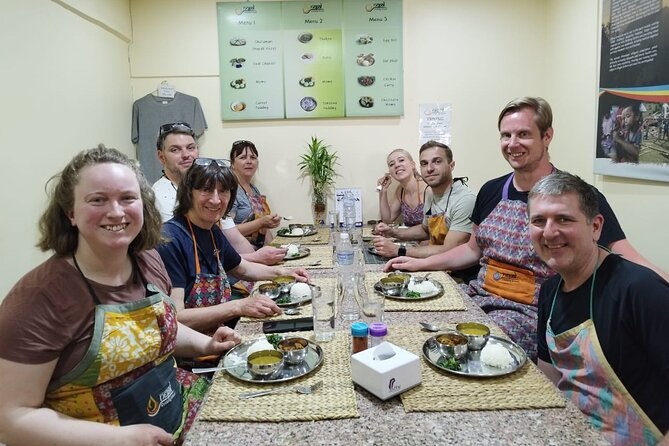
The cooking school start is meant to get you moving quickly. You’re introduced to the local ingredients and cooking techniques prevalent in the region, then you put that knowledge into practice.
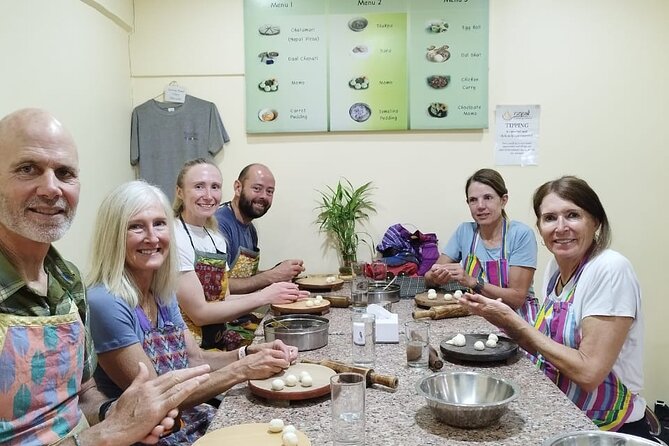
A reality check from the experience details: the kitchen can be small, and group cooking means space gets shared. One review note described a “nice morning” but also mentioned the setup felt like assembling ingredients more than a slow, formal schooling. So if you prefer step-by-step demos with lots of quiet time, you might feel rushed. On the flip side, that same style can be perfect if you like to jump in, do the work, and learn by tasting.
This is definitely not a passive class. The hands-on setup is where you learn: chopping, mixing, cooking, and adjusting flavors. And because it’s guided by Nepali cooks, you’re not learning only the recipe, but the reasoning behind it—what to watch for, what changes when heat and timing shift, and how spices behave in real cooking.
What You’ll Cook, and Why the Meals Matter
The overview says you’ll learn to cook a variety of local dishes from an experienced Nepali cook. You’ll also eat your creations after the class, and you’ll receive recipes to take home. That combination is the sweet spot: you taste immediately, then you can recreate later.
One detail that affects expectations: the included meals list says breakfast, lunch, dinner, plus snacks. The experience is listed as about 3 hours, so the pacing may be a bit meal-sketched—think snack tasting during cooking, then a more complete meal component as part of the class flow. Either way, you shouldn’t have to plan extra food around it. The tour includes all food according to the menu, so you can treat this as a real food-focused block in your day.
Why that matters: in Kathmandu, it’s easy to spend the day hopping between sights and end up underfed, then overpaying for meals that are convenient rather than meaningful. This tour builds food time into the experience itself, so you get both learning and satisfaction.
Also, the menu is not optional in the sense that the cooking is tied to what you shop for and what the cooks plan. That’s part of the value. You’re not guessing which spices to buy or which dishes will teach the most.
Vegetarian and Vegan Options: Easy to Request, Use the Market Advantage
If you’re vegetarian or vegan, this is one of the reasons the class is worth considering. The tour explicitly states that vegetarian and vegan options are available on request.
Practical advice: communicate your needs when you book, not at the last minute. With a market trip plus cooking, it’s much easier for the host to adjust ingredients early rather than scrambling when you arrive. If you’re strict about vegan (no dairy, no ghee, for example), make sure you tell the organizer clearly during booking so the market selection matches your rules.
The good sign here is that the experience centers around ingredient shopping. When your meal is planned around what you buy, dietary needs are easier to handle than in a setting where the menu is pre-set and you just get a side swap.
You can also read our reviews of more tours and experiences in Kathmandu
Price and Value: Why $30 Can Actually Be a Deal
At $30 per person, the price sounds simple. The real question is what you’re getting for that money. Here, the value is in the “everything included” model:
- All ingredients are included
- Market shopping of ingredients is included
- Snacks are included
- The meal plan is included (the listing notes breakfast, lunch, and dinner)
- You get recipes to take home
What’s not included: private transportation.
So you’re basically paying for a guided market experience plus a full cooking session with food and take-home instructions. In Kathmandu, spending money on spices and ingredients can add up fast, especially if you’re buying small quantities you may not use again. Here, the ingredients are part of the learning process, and you consume the results.
Another value point: small group size. Max 8 people can make a difference in how much attention you get, and whether you end up doing more than watching.
Booking pace is also worth noting. This type of class tends to be booked in advance (on average, about 13 days). If you’re traveling in busier periods, I’d plan earlier so you don’t end up settling for a less ideal time slot.
Group Size and Classroom Comfort: The Trade-Off You Should Expect
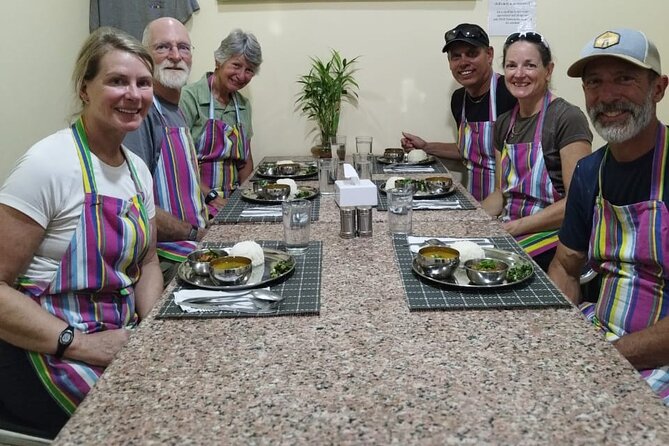
The experience is capped at 8 travelers, which helps the class feel personal. But personal doesn’t mean spacious. One review-style caution pointed to a kitchen that may not comfortably fit everyone in a relaxed way, especially when the group is at capacity.
So here’s the best way to set your expectations:
- Come ready to share workspace
- Expect your tasks to be time-efficient
- Don’t expect a formal “sit and listen” classroom vibe
- If you get stressed in tight quarters, mentally prepare for a working kitchen
The upside is that this format usually leads to real participation. You’ll be hands-on, and that’s where the learning sticks.
Who Should Book This Cooking Class (and Who Might Pass)
This is a great pick if you want a food experience that connects directly to how ingredients are chosen and how Nepali cooks approach flavor. It’s also ideal if you like social learning without large crowds—small group, guided market, then shared cooking and eating.
You’ll likely enjoy it if you:
- love hands-on food activities
- want vegetarian or vegan options you can request
- want recipes to bring home (not just a one-time meal)
- will be in Thamel and want a structured activity without extra planning
You might think twice if you:
- need a slow, spacious, classroom-style teaching environment
- hate tight kitchens or fast-paced making
- expect private transportation included in the price
Quick practical tips before you go
To get the most out of it, I’d treat this like a mini cooking workshop day:
- Wear comfy clothes you can get a little messy
- Bring a water bottle if you know you run thirsty during active cooking (the tour includes snacks and meals, but water habits vary)
- If you’re vegetarian/vegan, confirm your needs before arrival
- Come hungry and ready to taste repeatedly during cooking
Also, since it’s near public transportation and pickup may be offered, you can plan your Kathmandu route around easier logistics.
Should you book Epic Adventures in Thamel for this market-and-cook class?
If your main goal is learning Nepali cooking through real ingredients and a guided market trip, I think this is a strong yes. The price is reasonable for what’s included—ingredients, market shopping, food, and recipes—plus the small group size keeps it from turning into a crowded demo.
My only “pause” would be if you expect a wide, slow, sit-down teaching style. This looks like a working kitchen session: hands-on, time-efficient, and a little tight. If that sounds like your thing, book it. If you want private, spacious instruction, you’ll probably feel happier with a different format.
If you want the most value: book early, request vegan or vegetarian options upfront if needed, and show up ready to cook.
FAQ
How much does the cooking class cost?
The price is $30.00 per person.
Where does the tour take place?
It’s in Kathmandu, Nepal, with the experience starting in Thamel.
How long is the experience?
It lasts about 3 hours.
Does the tour include pickup?
Pickup is offered, but private transportation is not included.
Are ingredients included, or do I need to bring them?
All ingredients are included, and the tour includes market shopping for ingredients.
Will I visit a local market during the tour?
Yes. You’ll be guided to a local market as part of the experience.
Is the class vegetarian or vegan friendly?
Vegetarian and vegan options are available on request.
What meals are included?
The experience includes snacks and meal(s) according to the menu, with breakfast, lunch, and dinner listed as included.
How many people are in the group?
The maximum group size is 8 travelers.
What is the cancellation policy?
Free cancellation is available. You can cancel up to 24 hours in advance for a full refund. If you cancel less than 24 hours before the start time, you won’t be refunded.