REVIEW · HISTORICAL TOURS
Kathmandu UNESCO World Heritage Tour
Book on Viator →Operated by Deepak Kushwaha · Bookable on Viator
Seven UNESCO stops in one Kathmandu day. This tour is built around multilingual guides (I learned the name Deepak Kushwaha comes up a lot) and a set route through Kathmandu’s biggest UNESCO sites, with a practical pickup and a mobile ticket so you’re not stuck figuring things out.
What I especially like is the way the guide turns each site into something you can actually understand, not just photographs. I also like that you may get that extra layer of meaning from the guide’s personal style—one guide’s name, Deepak, is discussed as meaning light in Nepali, and you feel that vibe in how he explains.
One thing to plan for: admission tickets aren’t included, and there’s no lunch or dinner. So you’ll want to budget time and money for food breaks and entrance fees where required.
In This Review
- Key highlights before you go
- How this Kathmandu UNESCO World Heritage Tour fits in a single day
- Your guides: Deepak’s stories and Rabina’s clear explanations
- Getting from stop to stop: timing, walking, and comfort
- Kathmandu Durbar Square: royal courtyards you can still read
- Patan Durbar Square: fine craft and a more human pace
- Bhaktapur Durbar Square: medieval city energy in one compact area
- Changu Narayan Temple: older Hindu architecture with a quiet feel
- Pashupatinath Temple: ceremony, devotion, and strong emotions
- Boudhanath Stupa and Swayambhunath: Buddhist landmarks and bigger views
- Price and what you’re really paying for at $99
- Who this tour suits best (and who might adjust the plan)
- Should you book this Kathmandu UNESCO World Heritage Tour?
- FAQ
- Is pickup included on the Kathmandu UNESCO World Heritage Tour?
- How long is the tour?
- Are admission tickets included?
- Does the tour include lunch or dinner?
- What’s included with the guide?
- What is the meeting point for the tour?
- Is there a cancellation window for a full refund?
Key highlights before you go
- Seven UNESCO World Heritage sites in one day across Kathmandu Valley
- Multilingual male/female guides, including Deepak and Rabina (mentioned by name)
- Pickup offered and the tour ends back at the start point
- Mobile ticket for easier check-in
- No air-conditioned vehicle, so dress for the actual weather and heat level
- Small-ish groups up to 100 people, which can still feel busy at peak times
How this Kathmandu UNESCO World Heritage Tour fits in a single day
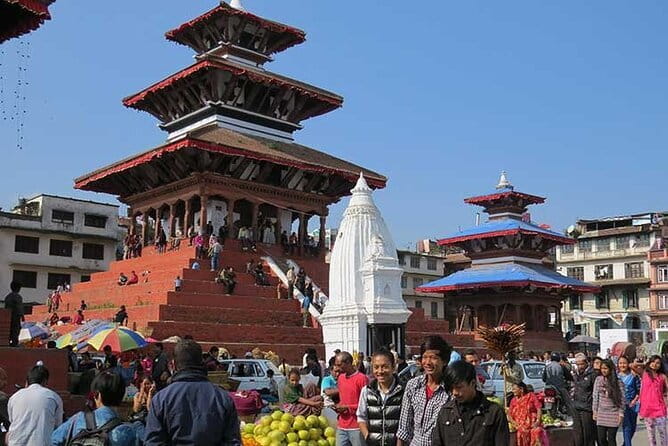
This is a classic “big day” Kathmandu experience: around 9 hours that stitches together several UNESCO sites you’d otherwise spread over multiple days. The value is simple—one guide, one plan, and you hit the main landmarks while they’re still fresh in your mind.
You also get structure that helps on your first visit. Kathmandu’s heritage sites are close enough to connect, but not so close that you can do them well on your own without losing time asking directions. Here, the guide keeps the day moving and adds the context that makes the architecture and rituals click.
That said, you should expect a steady pace. With seven stops, you’re going to do a lot of walking and quick orientation rather than slow wandering at every corner. If your travel style is mostly “linger forever,” you may prefer a shorter list of sites.
You can also read our reviews of more historical tours in Kathmandu

Your guides: Deepak’s stories and Rabina’s clear explanations
The best part of this tour is the human one—how the guide shows you what you’re looking at. Multiple reviews highlight Deepak’s passion and grounded way of teaching, not just reciting dates. In plain terms: he helps you notice details you’d otherwise miss.
Deepak also comes across as someone who genuinely wants you to leave with understanding. The way one review talks about his name (meaning light in Nepali) hints at the tone: he doesn’t just point; he guides.
Another standout is the option of a female guide, with Rabina specifically mentioned by name. If you feel more comfortable asking questions or learning in a way that matches your learning style, having that option can be a real win. Either way, you’re working with a guide who can handle the sites in a way that feels personal—not like a rushed tour script.
Getting from stop to stop: timing, walking, and comfort
Expect about one hour per stop, then travel time between them. That timing is useful because it keeps the day from turning into a blur of “waiting around.” It also means you’ll want to arrive at each site with clear priorities: what you want to photograph, what you want to understand, and where you want a short break.
A practical note: there’s no air-conditioned vehicle. Kathmandu can be warm, and the ride time matters. Wear breathable layers and plan for sun or light rain. Comfortable shoes are non-negotiable—these sites involve uneven surfaces, steps, and short uphill bits.
The tour ends back at the meeting point, which is great for sanity. You don’t have to figure out a second commute plan at the end of a long day.
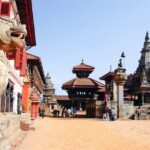
Kathmandu Durbar Square: royal courtyards you can still read
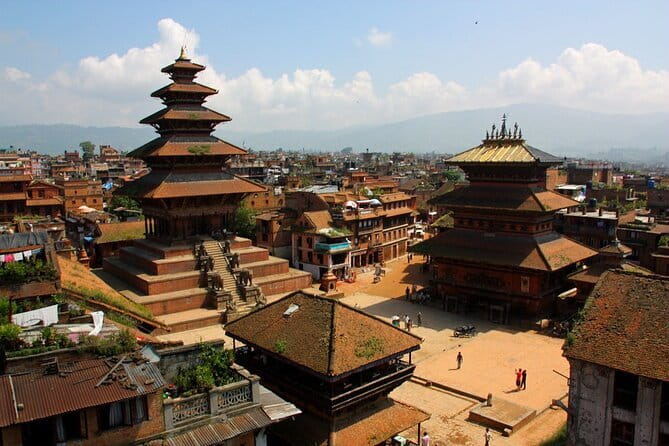
Your day starts at Kathmandu Durbar Square, a UNESCO site tied to the city’s royal era. This stop is where you get your first “anchor” for Kathmandu Valley. The architecture and layout show you how power was expressed through buildings, courtyards, and public spaces.
What makes this stop work on a guided day is that it’s easy to treat it like a photo-op—until the guide explains what you’re seeing. Once you know what the buildings are and how the space was used, the square starts to feel like a story rather than scattered landmarks.
A small drawback to consider: Durbar Squares can be crowded depending on the time of day. If you hate crowds, you’ll still get plenty of viewing, but your calm moments may be brief. That’s exactly why the guide’s timing matters.
Patan Durbar Square: fine craft and a more human pace
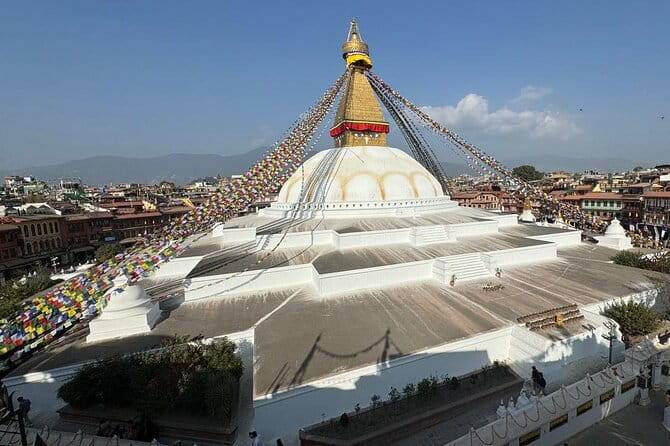
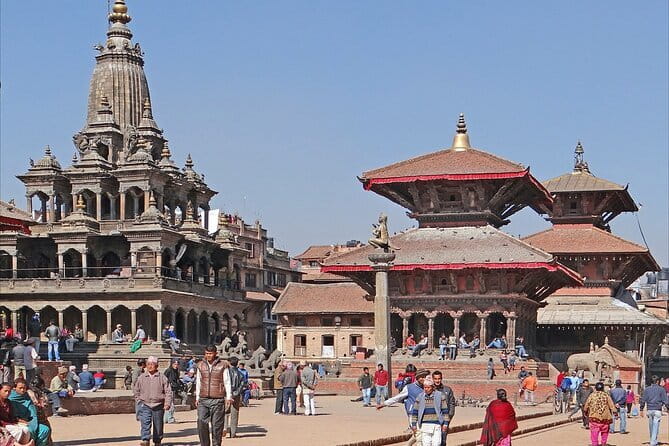
Next is Patan Durbar Square, another UNESCO site known for extraordinary craftsmanship. This is where you start to see patterns in the region—similar influences, different interpretations, and distinct artistic choices.
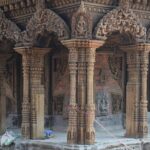
If you like architectural detail, Patan is the stop that rewards slow attention. The guide’s job here is to help you notice what’s special: temple forms, carved surfaces, and the way courtyards are arranged to draw you inward.
One practical tip: bring a habit of looking up. Many of the best details live above eye level. With a one-hour stop, you’ll get the essentials, but you’ll want to use that hour actively—photos are fine, but don’t spend the entire time staring at your screen.

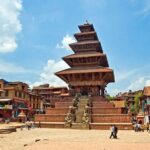
Bhaktapur Durbar Square: medieval city energy in one compact area
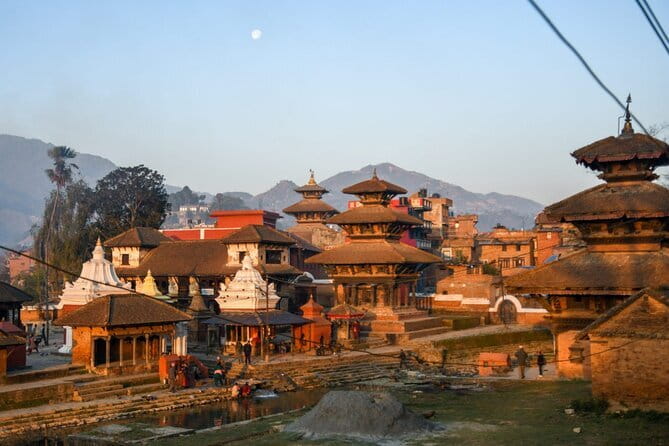
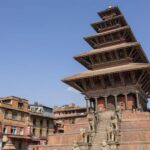
Then you head to Bhaktapur Durbar Square, another UNESCO highlight that feels different from Kathmandu and Patan. The guide helps you connect the dots between the medieval structures and the “real” life of the city around them.
Bhaktapur’s standout is how it can feel like a living historic center even while you’re standing inside it as a visitor. The architecture includes major temple sites such as Vatsala Temple, plus statues and carved spaces that you can keep comparing to what you saw earlier in the day.
A consideration: by now, you’ll likely be a bit tired. That’s normal. If you want more meaning, don’t rush. Take 5 minutes to sit or stand back, let the guide finish their explanation, and then do your photos.
Changu Narayan Temple: older Hindu architecture with a quiet feel
The tour moves to Changu Narayan Temple, described as Nepal’s oldest Hindu temple and a UNESCO World Heritage site. This stop is a nice change of pace after the Durbar Squares because it emphasizes age and architecture in a more focused way.
What you’ll likely appreciate here is the “before and after” feeling. As the guide explains the temple’s place in the story of Nepalese Hindu heritage, you understand why older temples get such respect. The architecture isn’t just decoration—it’s identity made visible.
Practical note: “serenity” can depend on the moment. If you hit a busier time, it won’t be a silent museum. But the guided context still makes the place easier to appreciate.
Pashupatinath Temple: ceremony, devotion, and strong emotions
Next is Pashupatinath Temple, one of Nepal’s most revered Hindu temples and a UNESCO site. This is where Kathmandu feels intensely spiritual. From the tour description, you can expect the kind of atmosphere created by living rituals and the ceremonies people come to witness.
Even if you’re not religious, this kind of site can hit you on a human level. A good guide matters here because you’re watching real devotion, not a staged show. You’ll want to understand what you’re seeing so you don’t just treat it like scenery.
Consideration: temples can require extra patience and personal space. You may also want to bring a bit of extra sensitivity with your camera and your body language. The tour gives you a guided flow, but you still need to move thoughtfully.
Boudhanath Stupa and Swayambhunath: Buddhist landmarks and bigger views
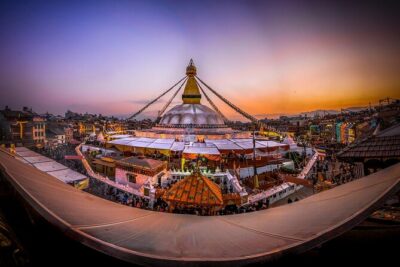
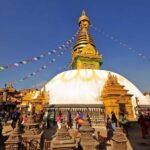
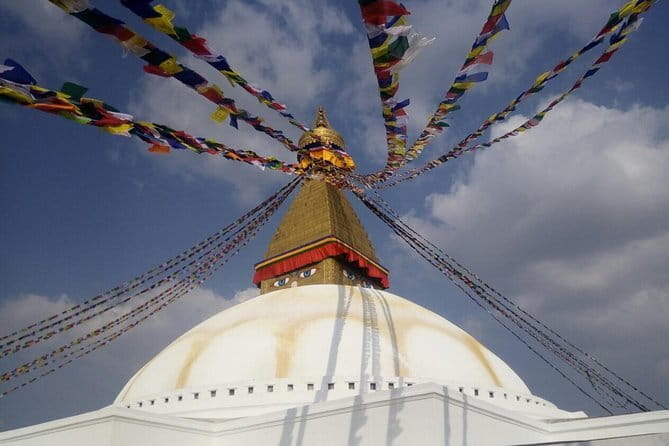
After Hindu heritage stops, the day shifts clearly into Buddhism with Boudhanath Stupa. It’s described as one of Nepal’s most important Buddhist monuments, and the highlight is the stupa itself—built to command your attention. Around it, you’ll find the energy of the area, with local life unfolding in the lanes around the monument.
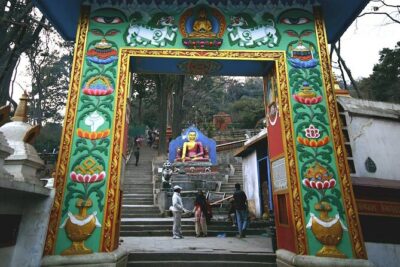
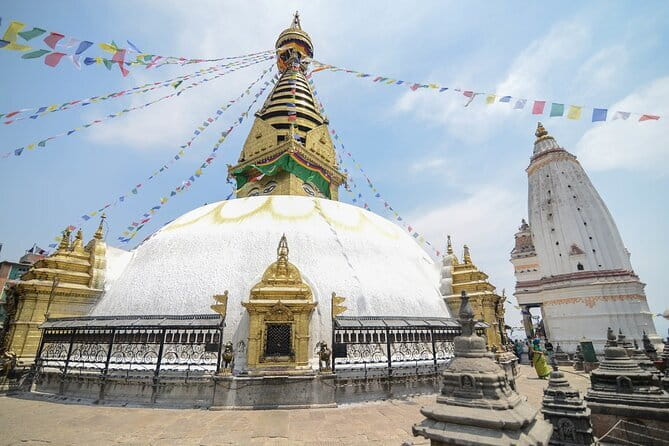
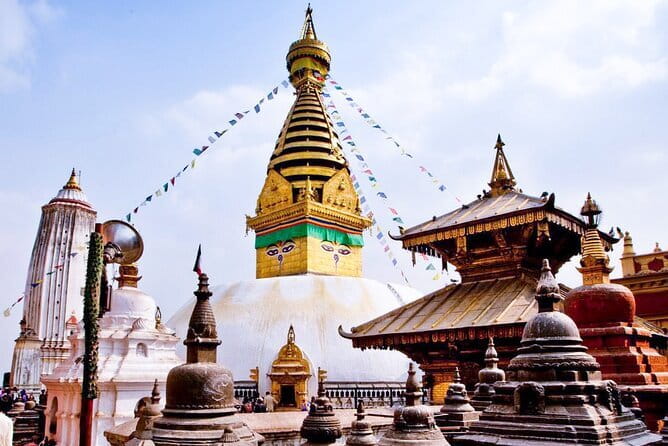
Then comes Swayambhunath, perched on a hill with panoramic views over Kathmandu. This is a great end-of-day stop because the perspective makes the whole valley feel connected. The guide can also explain the stupa’s history and architecture, which turns the climb (and the wait for the view) into more than just exercise.
What I like about ending here is that it gives you a “wide shot” memory to take home. Durbar Squares are detailed and grounded. Swayambhunath pulls back and shows you the city as a whole.
A gentle warning: if it’s hot or crowded, the hill approach can be tiring. Plan for it, pace yourself, and take breaks if you need them.
Price and what you’re really paying for at $99
At $99 per person for about 9 hours, the value is strongest when you treat this as guided access to multiple UNESCO sites rather than a low-cost transport deal. The tour includes a multilingual male/female guide, which is the main ingredient you can’t DIY easily—especially if you want explanations that make the sites intelligible.
You should also factor in what’s not included:
- Admission tickets (not included)
- Lunch and dinner (not included)
- Tips or gratuities (not included)
- Personal expenses
- No air-conditioned vehicle
So, the real cost is $99 plus site entry fees and your meal plan. If you already plan to pay entrance fees anyway, you’re basically buying a single guided day that strings the sites together with context.
One more value point: confirmation at booking and a mobile ticket can reduce on-the-day friction. You’re less likely to lose time at check-in, which matters when your day is already packed.
Who this tour suits best (and who might adjust the plan)
I’d put this tour in the “best for first-timers and history-minded walkers” category. If you want to see Kathmandu Valley’s UNESCO icons in one day and you like getting explanations while you go, this tour matches that style well.
It also makes sense if you care about language access. The tour is designed for multilingual guides, and the option of a female guide (with Rabina mentioned by name) is a thoughtful touch.
Who might adjust the plan:
- If you want lots of free time at each stop, seven sites in one day may feel tight.
- If you hate heat and sun, the lack of air-conditioning means you’ll want to plan your clothing and hydration carefully.
- If you’re a “slow traveler” who prefers one or two sites deeply, you might feel rushed by the number of moving parts.
Should you book this Kathmandu UNESCO World Heritage Tour?
If your goal is a well-led, efficient UNESCO day, I think you should book it—especially with a guide like Deepak Kushwaha (and the Rabina option if that’s your preference). The consistently high rating and the focus on explanation make it a strong choice for people who want meaning, not just sightseeing.
Book it now if:
- You want multiple UNESCO sites in one day without planning each step.
- You value a guide who adds context and keeps time from slipping away.
- You’re okay paying for admissions and picking your own lunch.
Skip or rethink it if:
- You want a slow pace and long hangs at one location.
- You’re not comfortable with walking at temples and historic squares.
- You’d prefer to travel with air-conditioning all day.
If you do book, go in with comfortable shoes, a flexible mindset, and a short list of what you want to understand at each stop. With that, this day can turn into one of your clearest Kathmandu memories.
FAQ
Is pickup included on the Kathmandu UNESCO World Heritage Tour?
Yes. Pickup is offered, and the tour ends back at the meeting point.
How long is the tour?
The duration is about 9 hours.
Are admission tickets included?
No. Admission tickets are not included for the listed stops.
Does the tour include lunch or dinner?
No. Lunch and dinner are not included.
What’s included with the guide?
You get a multilingual male/female guide.
What is the meeting point for the tour?
The tour starts at Kaiser Library (Kanti Path, Kathmandu 44600, Nepal) and ends back at that same meeting point.
Is there a cancellation window for a full refund?
Yes. Free cancellation applies, and you can cancel up to 24 hours in advance for a full refund.