REVIEW · ANNAPURNA CIRCUIT TREKS
Annapurna Circuit Trek
Book on Viator →Operated by Glorious Himalaya Trekking Pvt. Ltd. · Bookable on Viator
One high pass can change your whole trip. This private, customizable Annapurna Circuit trek pairs guided pacing with full-board tea-house meals so you can focus on the walking and the views instead of logistics. You’ll also get the comfort of real hotel time in both Pokhara and Kathmandu, which matters after days on the trail.
One thing to consider: a prior guest flagged that guide training wasn’t consistent. If you choose this, I’d ask a few direct questions about your guide’s experience, pacing style, and how they handle altitude days—because Thorong La is no joke.
In This Review
- Key takeaways before you go
- Why this guided Annapurna Circuit feels lower-stress than planning solo
- Price and what you get for $1,150
- Your 14-day rhythm: from Kathmandu hotels to Thorong La and back
- Day 1: Land in Kathmandu and get oriented
- Day 2: Kathmandu to Syange, then the journey begins
- Day 3: Dharapani Temple area day and a classic walking transition
- Day 4: Steep ridges, green woods, and landslide vigilance to Chame
- Day 5: Narrow, steep valley walking to the Paungda Danda area
- Day 6: Upper Pisang and the push into the Manang area
- Day 7: A Manang rest day with short hike options
- Day 8: Marshyangdi Valley northwestern of Jharsang Khola
- Day 9: Thorong Phedi approach with suspension bridge to Lather Village
- Day 10: Thorong La Pass (5,416 m) to Muktinath Temple
- Day 11: Finish the trek and ride to Pokhara
- Day 12: Pokhara rest day to reset
- Day 13: Pokhara to Kathmandu, with flight option for extra cost
- Day 14: Depart from Kathmandu
- Altitude reality check at 5,416 m Thorong La Pass
- Lodges, full-board meals, and how to budget for the extras
- Transfers and pacing: private pickups plus long drive days
- Safety, permits, and guide support you’re paying for
- Who this trek suits best (and who should look elsewhere)
- Should you book this Annapurna Circuit Trek with Glorious Himalaya?
- FAQ
- How long is the Annapurna Circuit trek in this package?
- What is the highest elevation on the trek?
- Are meals included during the trek?
- What kind of lodging do you use on the trail?
- Are trekking permits and area entrance fees included?
- Are airport transfers included?
- Do I get a porter?
- Can I travel from Pokhara to Kathmandu by flight?
- What is included in the hotel portion of the trip?
- What if the trek is canceled due to bad weather?
Key takeaways before you go
- Private and customizable: Your group treks together, and you can adjust your pace with your guide.
- Permits and entrance fees included: No last-minute scramble for paperwork.
- Full-board while trekking: Breakfast, lunch, and dinner are covered during the trek days.
- Altitude reaches 5,416 m: Thorong La Pass is the big milestone to plan around.
- Good hotel coverage: You get 2 nights in Pokhara and 2 nights in Kathmandu with breakfast included.
- Meals and extras need budgeting: Drinks, charging, hot shower, and some hotel meals are not included.
Why this guided Annapurna Circuit feels lower-stress than planning solo
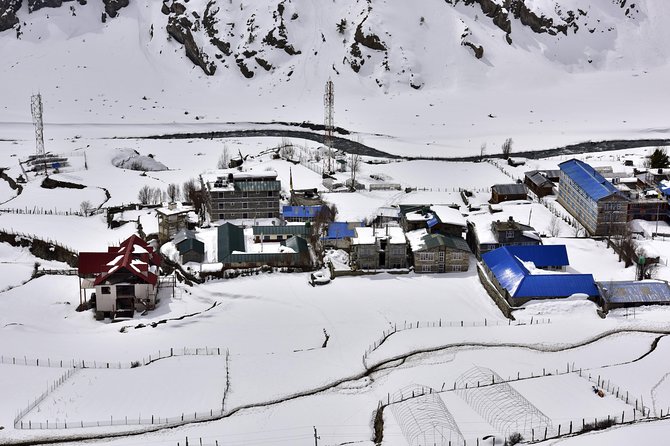
If you’ve ever tried to plan an Annapurna trek yourself, you already know the pain points: permits, transport timing, booking tea houses, and figuring out how to handle altitude pacing. This trek is set up to take those moving parts off your plate. You’re not doing it “by guess and by gosh”—you’re doing it with a guide and a schedule designed around the route’s rhythm.
I also like that this is a private trek for your group. Even if there are other groups in the tea-house circuit, your day-to-day experience is guided and controlled for your party size. That makes it easier to hike at the pace you can sustain, especially around the high pass.
You can also read our reviews of more hiking tours in Kathmandu
Price and what you get for $1,150
At $1,150 per person for roughly 14 days, this is not a budget “just show up” deal. It’s a mid-range package where the value is mostly in what’s bundled: a guide, trek-day meals, lodge-style accommodation, permits, and transfers.
Here’s what you’re paying for in practical terms:
- A professional trekking guide (not just a driver who drops you off)
- Trek-day lodging in lodges/tea houses with twin sharing
- Full-board meals on trek days: breakfast, lunch, and dinner
- Essential trekking permits and area entrance fees
- Airport/hotel transfers by private vehicle
- Hotel stays in Pokhara and Kathmandu with breakfast
Where you’ll still spend extra (plan for this early) includes tips to the guide and porter, your Nepal visa, and drinks/extra costs during the trek like hot showers, charging, and mineral bottle water. Porter service is not included, so if you want help carrying gear, you’ll need to arrange that outside the package.
If you’re the kind of traveler who hates uncertainty—timing, paperwork, “did we book the right thing?”—then the package price can feel fair. If you’re a confident planner who already knows the route and prefers total freedom, you might compare against a cheaper DIY option and see whether the bundled convenience is worth it for you.
Your 14-day rhythm: from Kathmandu hotels to Thorong La and back
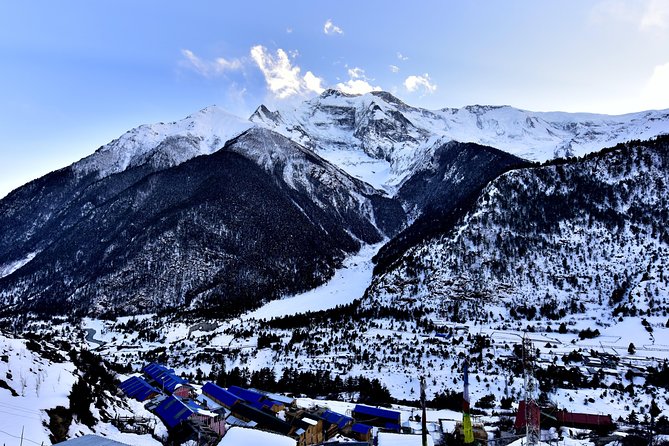
This itinerary is built around three stages: travel into the trek zone, steady hiking with village-to-village days, and then the pass day that determines how you’ll feel for the rest of the trek.
Day 1: Land in Kathmandu and get oriented
Your arrival starts with an office representative meeting you at Tribhuvan Airport and transferring you to your Kathmandu hotel by private vehicle. After rest, your guide gives a short briefing about Annapurna Circuit trekking. This is a good day to ask practical questions—altitude pacing, how to handle cold mornings, and what your guide expects from you on tougher sections.
Day 2: Kathmandu to Syange, then the journey begins
After breakfast, you’re picked up for the long drive to Syange. The drive takes about 8 to 9 hours, but it’s broken by time on the road rather than hiking pressure. Then the trek phase really starts—this is the day you shift from travel mode to trail mode.
Day 3: Dharapani Temple area day and a classic walking transition
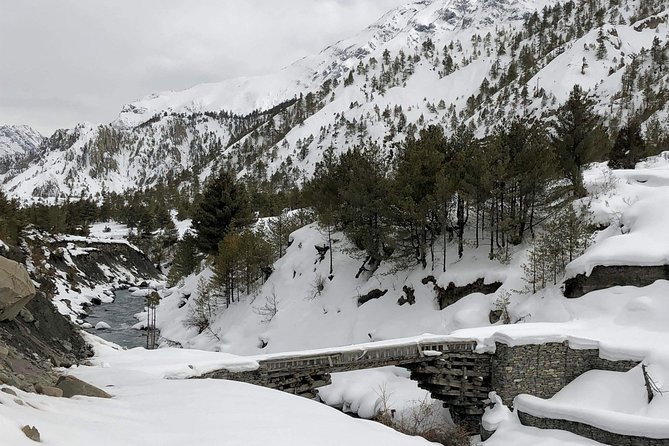
You head to Dharapani, with walking time around 7 to 8 hours. The route involves a bridge crossing and then continues into the trail rhythm that defines the Circuit—walk, stop, look, repeat.
A key reality of days like this: you’re training your body to move steadily rather than “go hard and hope.” Even if you feel good, keep your effort smooth. That strategy pays off later.
Day 4: Steep ridges, green woods, and landslide vigilance to Chame
Today’s walk goes to Chame and takes about 6 hours. Expect steep ridges and green woods, plus the real-world trail condition factor: the route can include landslide areas. On days with that mix, a guide who stays alert (and doesn’t rush) is worth their weight in snacks.
Day 5: Narrow, steep valley walking to the Paungda Danda area
Another roughly 6-hour trekking day, with a route described as a narrow, steep valley requiring full caution. Along the way, there’s a rock feature at Paungda Danda—a curved rock rising up toward about 1,500 m. This is one of those days where you’ll look up often, because the terrain encourages it. Just don’t let the scenery distract you from footing.
Day 6: Upper Pisang and the push into the Manang area
You walk about 7 hours and reach Manang. The description notes Upper Pisang along the way and frames Manang as a dream destination step for many trekkers. This matters because Manang isn’t just a pretty stop—it’s a place that helps set up acclimatization for the higher days.
Day 7: A Manang rest day with short hike options
Instead of adding altitude pressure every day, you rest in Manang. You can do short hikes to Bonjo Gumba or Gangapurna Lake (and the itinerary hints at additional hike options, though it’s cut off in the details). This is one of the most valuable days on the whole trek, because it lets your body adjust while you still feel active.
Practical tip: during a rest day, don’t chase a long-distance hike just because you can. Keep it manageable so you’re better prepared for the pass approach.
Day 8: Marshyangdi Valley northwestern of Jharsang Khola
Another ascending trek day around 4 hours is described across villages and valley sections, including Tenki and the Marshyangdi Valley northwestern of Jharsang Khola. The route passes through juniper trees and a small Ghunsa Village area.
In plain terms, you’re continuing upward while your body is still adjusting. Shorter walking blocks like this can feel “easier” on paper, but they still contribute to altitude exposure. Hydration and steady breathing help.
Day 9: Thorong Phedi approach with suspension bridge to Lather Village
You wake early, have breakfast, and continue ascending to Thorang Phedi. The itinerary includes a suspension bridge to reach Lather Village, then continues through cliffs before reaching the Thorang area. With a 4-hour walking estimate, the day may feel lighter than the longer hiking days—until you realize the pass is coming the next day.
This is the day to pack mentally for an early start. If you’re prone to sleeping poorly at altitude, treat this as a practice day: quiet, warm, and simple.
Day 10: Thorong La Pass (5,416 m) to Muktinath Temple
This is the milestone day. The itinerary calls out Lhorang La Pass at 5,416 m (Thorong La Pass) as the highest elevation, then describes descending to the Western side and heading to Muktinath Temple.
Long pass days are physical and mental. Even if you feel strong, go slow early. Crowding and cold can make your pace drop, and you don’t want to spend the best part of the day fighting your own breathing.
Day 11: Finish the trek and ride to Pokhara
After breakfast, it’s the last trekking day. Then you switch to a bus/jeep drive to Pokhara, about 10 hours from Muktinath to Pokhara city. This is your reward day: hot shower is not included during the trek (and may vary in town too), but you will get back to normal food timing and real beds.
Day 12: Pokhara rest day to reset
Today is a rest day in Pokhara Valley, and the itinerary gives you freedom to explore on your own. This is a smart move after the high pass. If you’re hungry for easy sights and a slower pace, Pokhara is exactly where you want to be.
Day 13: Pokhara to Kathmandu, with flight option for extra cost
After breakfast, you take a tourist bus drive to Kathmandu (about 7 hours). There’s also an option to fly from Pokhara to Kathmandu for an extra charge. Either way, you transfer to your Kathmandu hotel with breakfast included.
Day 14: Depart from Kathmandu
Your last day is straightforward: after breakfast, the group is dropped at the international airport for your return flight. This is where the smoothness of the operator’s planning matters—nothing worse than trying to organize transport after an intense trek.
Altitude reality check at 5,416 m Thorong La Pass
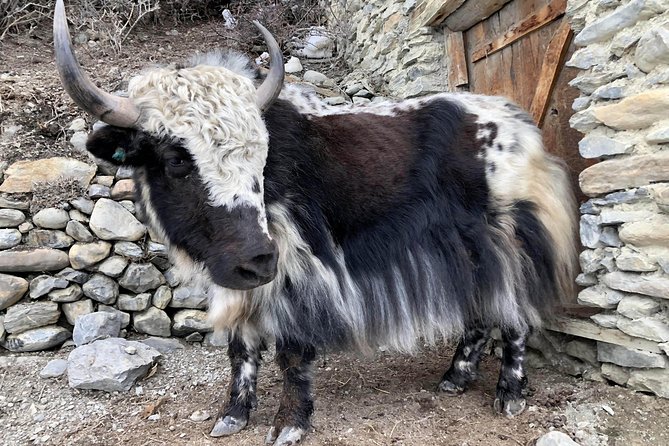
Thorong La Pass at 5,416 m is the spine of this itinerary. Everything before it is there to set you up: village-to-village hiking, then the Manang rest day to help acclimatization.
Here’s how I’d think about the altitude planning, in a practical way:
- Start pass day with a conservative pace, even if you feel great early.
- Expect cold and fatigue to slow you down. Go steady and don’t “race to feel better.”
- If you’re the type who ignores early warning signs, this trek is a good time to unlearn that habit. Listen to your body and let your guide steer the plan when needed.
The itinerary is guided, so you’re not navigating the pass alone. Still, you’re the one doing the climbing. Proper pacing is your job and your superpower.
Lodges, full-board meals, and how to budget for the extras
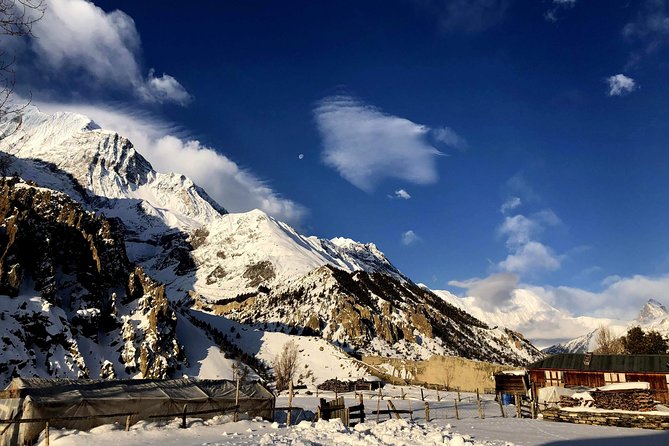
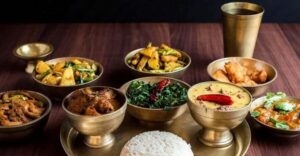
One of the strongest value points here is full-board meals during the trek. You get breakfast, lunch, and dinner, plus tea/breakfast as described for trek days. The package also includes lodge accommodation on the trail with twin sharing, which reduces decision-making and cost compared to piecing things together yourself.
At the same time, not everything is covered:
- Alcohol is not included
- Wi-Fi is not included
- Mineral bottle water isn’t included
- Charging isn’t included
- Hot shower isn’t included during the trek
- Lunch and dinner in Kathmandu and Pokhara hotel stays aren’t included
That means you should budget for day-to-day comforts on the trail and plan for basic town meals after the trek.
If you’re someone who relies on phone charging, check how you’ll handle it. Charging availability is common on some trek circuits, but it’s not guaranteed in the package.
Transfers and pacing: private pickups plus long drive days
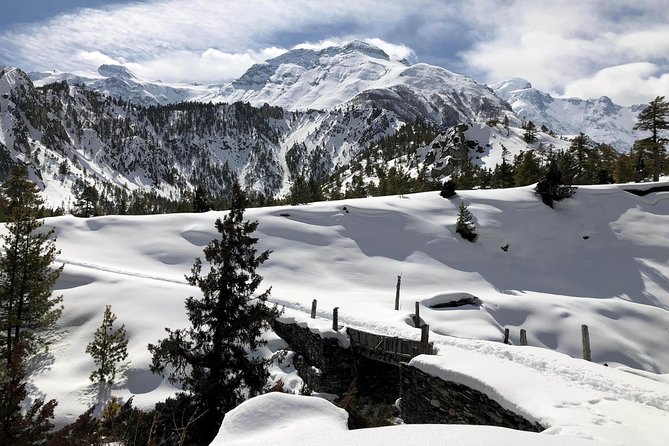
This trek uses a mix of private vehicles and shared transport. You get airport/hotel transfers by private vehicle at the start and end of the trip. There are also long-range transfers that are handled via tourist bus for key segments (Kathmandu to the Besishar area, and Pokhara back to Kathmandu), plus a local bus/jeep ride from Muktinath to Pokhara.
Why that matters: on trekking trips, the “non-walking time” can be either painless or exhausting depending on logistics. Here, the operator handles the transport so you can focus on sleep, meals, and recovery rather than route planning.
The long drive day (like Day 2 at 8 to 9 hours) also suggests you should pack a small comfort kit: water, layers, and something to pass the time. You’ll thank yourself when you arrive with less fatigue.
Safety, permits, and guide support you’re paying for
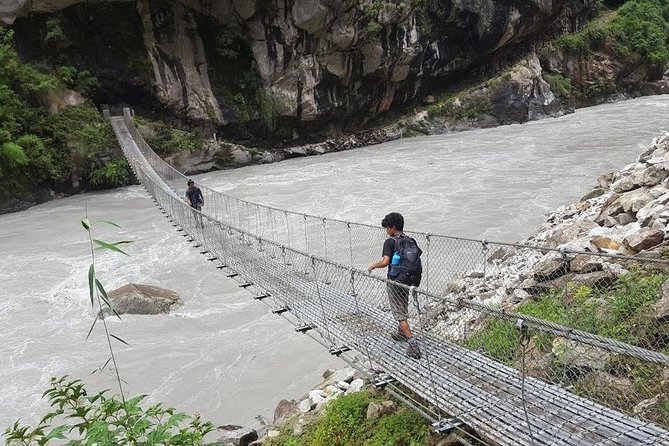
This package includes trekking permits and area entrance fees, plus a professional trekking guide. It also explicitly mentions learning about Nepal and staying safe by trekking with a guide. That’s more than a marketing line—permits reduce legal risk, and a guide helps with daily trail choices, pacing, and the “what now” moments that make a trek feel smooth.
Still, balance matters. One review mentioned that staff/trekking guides need training. That doesn’t mean the trek is unsafe, but it does mean you should be proactive:
- Ask how your guide handles high-altitude pacing.
- Ask how they plan the early pass day.
- Ask who you’ll be trekking with and what their experience looks like on this route.
You can’t control the mountain, but you can choose partners who help you respect it.
One more tidy inclusion: a trip completion certificate after you finish. It’s small, but it’s a nice keepsake after a long grind.
Who this trek suits best (and who should look elsewhere)
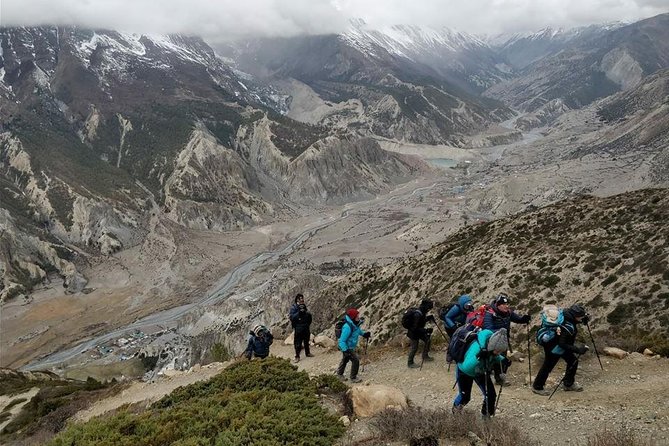
This Annapurna Circuit experience fits you best if:
- You have moderate physical fitness and want a guided route through a classic itinerary.
- You want full-board meals and lodge accommodation handled.
- You care about permits and entrance fees being included.
- You like the idea of good hotel time in Kathmandu and Pokhara rather than only tea-house living.
You might look elsewhere if:
- You want a fully self-supported trek where you control every detail.
- You don’t like paying for packaged transfers and guided structure.
- You’re uncomfortable with exclusions like no included porter, no covered water/charging/hot shower.
For many people, the private-group feel is the sweet spot: you get organization without losing the personal experience of traveling with just your group.
Should you book this Annapurna Circuit Trek with Glorious Himalaya?
I’d book if your top priorities are guided pacing, permits handled, and less planning stress, especially with the hotel comfort in Pokhara and Kathmandu after the hard days. The value is strongest when you’d rather pay for coordination than spend vacation time on logistics.
Before you confirm, do two things:
- Ask questions about guide experience and how they handle the Manang rest day and the Thorong La approach.
- Budget for the obvious extras you’ll pay separately—tips, visa, and trek-day comfort costs like water, charging, and drinks.
If you want an Annapurna Circuit that feels organized and human—more like a well-run trek with a guide than a scavenger hunt—this one is worth strong consideration.
FAQ
How long is the Annapurna Circuit trek in this package?
It’s listed as 14 days (approx.). The itinerary includes trekking days plus transfers and hotel nights in Kathmandu and Pokhara.
What is the highest elevation on the trek?
The itinerary highlights Thorong La Pass (listed as Lhorang La Pass) at 5,416 m.
Are meals included during the trek?
Yes. The package includes full board meals while trekking, including breakfast, lunch, and dinner (with tea/breakfast noted for trek days).
What kind of lodging do you use on the trail?
While on the trek, you stay in lodges/tea houses with twin sharing.
Are trekking permits and area entrance fees included?
Yes. All essential trekking permits and entrance fees are included.
Are airport transfers included?
Yes. There are airport and hotel transfers by private vehicle, with a representative meeting you at Tribhuvan Airport.
Do I get a porter?
No. A porter for the trek is not included.
Can I travel from Pokhara to Kathmandu by flight?
There is an option for a flight from Pokhara to Kathmandu for an extra charge. Otherwise, the plan is a tourist bus drive.
What is included in the hotel portion of the trip?
The package includes 2 nights hotel accommodation in Pokhara and 2 nights hotel accommodation in Kathmandu, both with breakfast included. Lunch and dinner in those cities are not included.
What if the trek is canceled due to bad weather?
The experience is stated to require good weather. If it’s canceled due to poor weather, you’ll be offered a different date or a full refund.