REVIEW · EVEREST BASE CAMP TREKS
Everest Base Camp Trek -14 Days
Book on Viator →Operated by Alpine Ramble Treks · Bookable on Viator
Lukla to Everest is a big step up. This 13-day Everest Base Camp trek (17,598 ft / 5,364 m) packs in the classic Sherpa route, with a small group (max 12) and an agency team that handles the hard parts like paperwork and transfers. I especially like the included return flights to Lukla plus full-board lodge meals, so you spend less time negotiating and more time walking and taking in the mountain drama. The one thing to think about: you’ll still pay for day-to-day extras like water, hot/cold drinks, Wi-Fi, and optional porter, so the true trip cost can creep up.
What also makes this itinerary feel smart is the way it builds in recovery days and viewpoints instead of forcing a grind every single day. The trek includes a licensed, government-approved guide and a team approach to altitude readiness (there’s even Diamox included in the basic first-aid kit). For a possible drawback, be aware the day-to-day lodge quality can vary since you’re staying in basic trekking guesthouses, not hotels.
If you want the “classic” Everest Base Camp experience, and you don’t want to spend your limited time in Nepal on logistics, this is the type of organized trek that feels practical and calm.
In This Review
- Quick take: what stands out
- Why this Everest Base Camp plan feels worth your money
- From Thamel to your first altitude step: Kathmandu arrival and setup
- The Lukla flight and first trek day: easing in with Sherpa culture
- Day 3–5: pine forests, first Everest views, and the Dudh-Koshi descent and climb
- Tengboche and Dingboche: monasteries, rest days, and Sherpa village life
- Day 8–9: Chukpo Lari memorials and Lobuche glacier terrain
- Kalapathar sunrise and the 360-degree Everest moment
- Days 11–12: Sherpa villages on the way down and the Dudh-Koshi suspension bridges
- Back to Kathmandu: a real hotel night and a chance to reset
- Guides and organization: what people praise most
- What to pack (and how to budget for the extras)
- Who this trek suits best (and who should think twice)
- Should you book Everest Base Camp with this package?
- FAQ
- How much does the Everest Base Camp trek cost?
- How long is the trek?
- Where do I meet the tour in Kathmandu?
- Is the trek guided?
- Are meals included during the trek?
- Are flights included?
- Do I need a porter?
- What’s not included in the price?
- Can I cancel and get a full refund?
Quick take: what stands out
- Small group of up to 12 means easier conversation, less crowding on the trail, and calmer meals at the lodges
- Lukla flights + transfers from Thamel remove a lot of travel stress from the start and finish
- Full-board lodge meals help you keep energy up while the altitude does its thing
- Kalapathar sunrise day is built for early starts and big views across the Himalaya
- A licensed guide + first-aid/altitude support gives you a safer, more structured trek rhythm
- Kathmandu hotel night and dinner gives you a real celebration after the hard miles
Why this Everest Base Camp plan feels worth your money
At $1,420 per person, this trek isn’t the cheapest way to do Everest. But it’s also not a “pay for nothing” package. You’re buying a lot of the stuff that usually eats time and energy: return Kathmandu–Lukla flights, trekking documents (like the national park and TIMS paperwork), and a guide who’s already cleared to lead the route. Add in trekking lodge accommodations and full-board meals during the trek, and you start seeing why the price works for many travelers.
Here’s the practical value I see:
- When flights are involved (and on this route, they are), having the basics handled is a big deal.
- You’re not left scrambling for the right paperwork once you arrive.
- You’re covered with a first-aid kit that includes Diamox, which matters because altitude is the main risk you can’t “muscle through.”
Still, don’t ignore the out-of-pocket items. Even in a well-run trek, you typically pay for water and drinks, plus Wi-Fi and snacks if you want them. If you like hot showers, plan on paying for that too. Budget for it, and the package cost starts to feel more predictable.
One more angle: this version leans into a classic EBC experience while noting there’s limited time left to do this classic route in its current form because the Everest Base Camp area is expected to move. If you’ve been waiting for your moment, this adds a quiet urgency.
You can also read our reviews of more hiking tours in Kathmandu
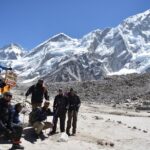
From Thamel to your first altitude step: Kathmandu arrival and setup
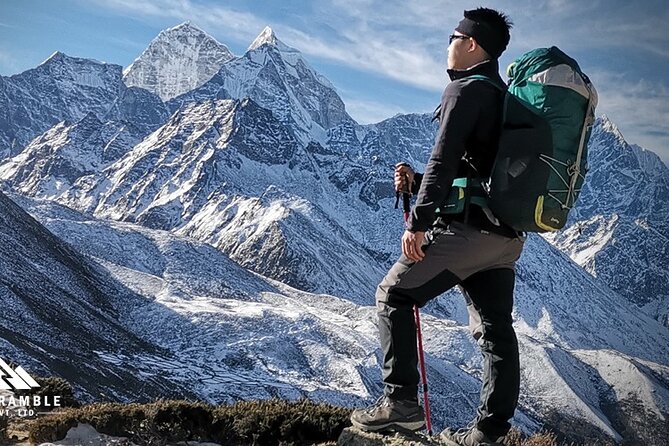
Your trip starts in Thamel, Kathmandu, with pickup offered and the whole plan set up around being easy to begin. On arrival at Tribhuvan International Airport, you’re met and transferred to your hotel for the night.
I like this approach because it gets you out of “figure-it-out mode” on day one. Even if you’re arriving with confidence, Kathmandu traffic and timing can make the first hour feel like a chore. Here, your handoff is ready.
The trip also uses mobile tickets, which can be handy when you’re moving around quickly and you don’t want to worry about printed documents for every stage.
Practical note: day one is mostly about sleep and logistics. Don’t plan your own sightseeing marathon. You’ll need energy for Lukla.
The Lukla flight and first trek day: easing in with Sherpa culture
Day two is the big jump: a short scenic flight to Lukla (about 35 minutes). Once you land, you’re in Sherpa country and you meet your trekking crew. This team carries your luggage the whole way, which changes the feel of the trek. You still hike, but you’re not hauling a heavy pack up steep, uneven paths.
Then the trekking starts from Lukla with an acclimatization window built in (you’ll have time early on to adjust). The first trail day is also where you get your first sense of rhythm:
- Forest walking
- Crossing rivers like the Dudh-Koshi
- Gradual settling into the pace that altitude demands
The first-time Everest feeling often comes fast here. Even when you’re still near the start, the scenery starts hinting that this is more than a hike.
Day 3–5: pine forests, first Everest views, and the Dudh-Koshi descent and climb
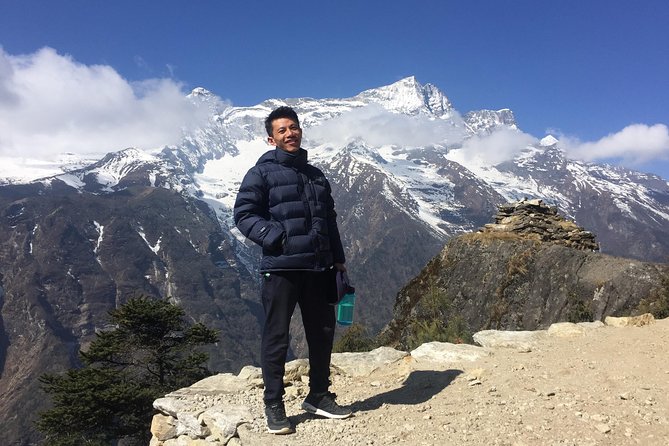
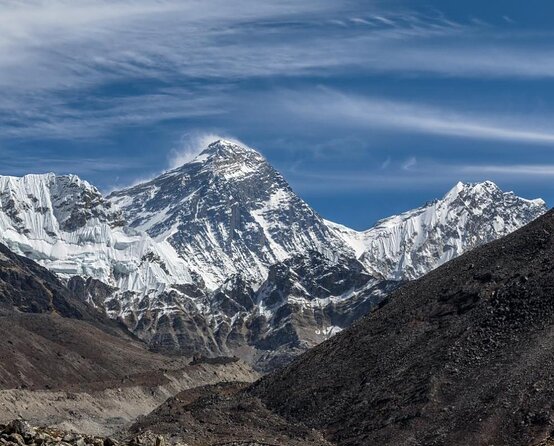
On day three, you trek through lush pine forest and cross the Dudkosi River, and the views start to become real: Everest shows up along with other peaks like Kusum T. It’s a strong first “wow” day because it’s not only a view—it’s a shift in atmosphere. The mountains look close enough to touch, and you start understanding why people get emotional on this trail.
Day four is built for rest and acclimatization, plus a climb to a viewpoint for wide mountain views. You’ll see a cluster of major peaks—Everest, Lhotse, Ama Dablam, and more—plus that sense of high-country openness. This is the day where the itinerary teaches you something: on Everest, going up isn’t always about speed. It’s also about choosing the right moments to breathe and look far.
Day five continues along the Everest high route and includes the famous rhythm of:
- A descent toward the Dudh-Koshi River
- Then an ascent along rhododendron trails
This day matters because it teaches you the pattern you’ll see throughout the trek. You’re walking sections that tug you downhill, then force you to earn the height back.
Tengboche and Dingboche: monasteries, rest days, and Sherpa village life
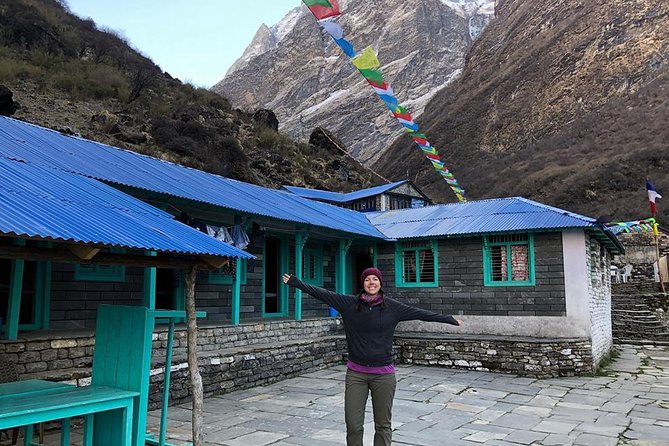
Day six is one of the most atmospheric parts of the trek. You wake up early and the Tengboche monastery area is described as pristine and spectacular in morning light. After breakfast, you walk through forest sections that are visually dramatic and full of the kind of quiet you only get in places where everyone is on the same mission.
If you’ve never done a trek with small lodges and consistent foot traffic, Tengboche gives you that cultural and spiritual “anchor.” It’s not just scenery; it’s a living mountain community.
Day seven adds a rest day at Dingboche, a popular stop for trekkers and climbers heading toward Everest, Ama Dablam, or Imja Tse. Rest days are not free time on this route. They’re time for:
- better acclimatization
- easier walking the next day
- letting your body catch up with the altitude you’ve already gained
This itinerary’s rest day is valuable because it gives you a chance to enjoy village life—fields, stone walls, and the everyday routine of Sherpa communities—without the pressure of a “must keep moving” mindset.
Day 8–9: Chukpo Lari memorials and Lobuche glacier terrain
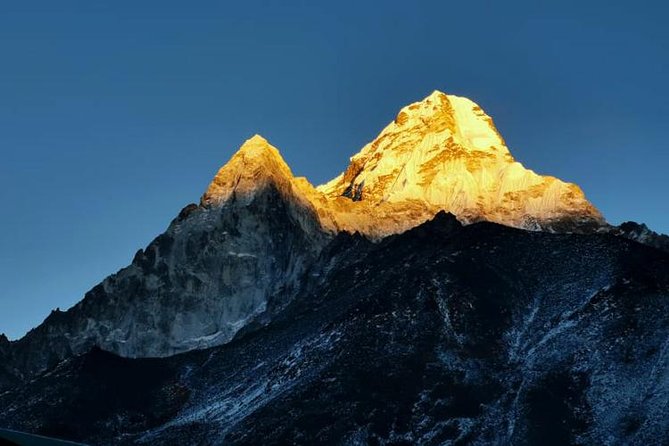
Day eight transitions you with a gradual climb and then a steep section up toward the ridge at Chukpo Lari, where you’ll find memorials in tribute to climbers who have died on Mount Everest. This part of the route is emotionally heavy in a quiet way. It’s a reminder that this trek isn’t just about peak-bagging; it’s about respect for the mountain and the risks involved.
Day nine is described as the most exciting and long-awaited day. Leaving from Lobuche, the trail becomes glacier-focused:
- Flat meadow sections first
- Then heading north toward the Khumbu Glacier
- Short climbing and later travel onto the lateral moraine
This is where the “feel” of the trek changes. The ground and environment start to look harsher, and your pace becomes more deliberate. If you’re the type of traveler who likes milestones, this is your milestone day.
Kalapathar sunrise and the 360-degree Everest moment
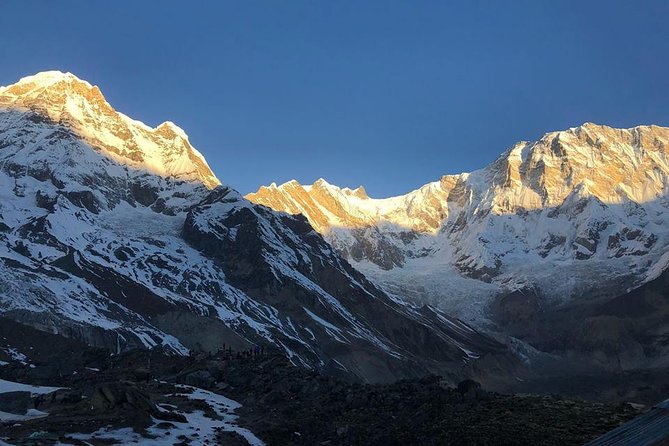
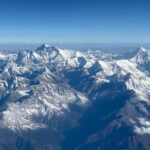
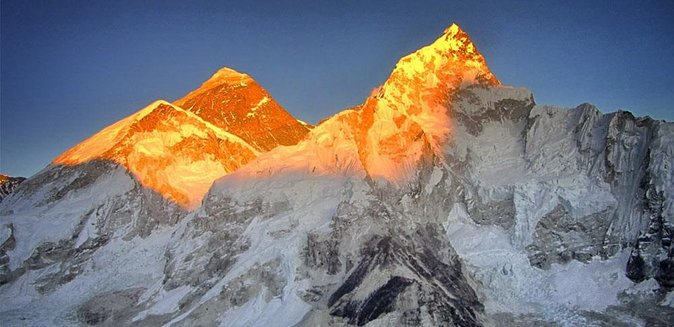
Day ten is an early wake-up day. You climb for about two hours to Kalapathar, and the prize is sunrise and a wide view across the Himalaya, described as a 360-degree panorama including Everest and surrounding peaks like Nuptse and others.
This day is worth your stamina because it offers two things at once:
1) the highest-view energy without requiring technical climbing
2) the emotional payoff of seeing the mountain world from a hard-earned vantage point
If you’re thinking about whether to push for a sunrise side trip elsewhere in your life, this is the one you’ll remember. And it’s not a casual photo stop. It’s built into the plan with an early start for a reason.
Days 11–12: Sherpa villages on the way down and the Dudh-Koshi suspension bridges
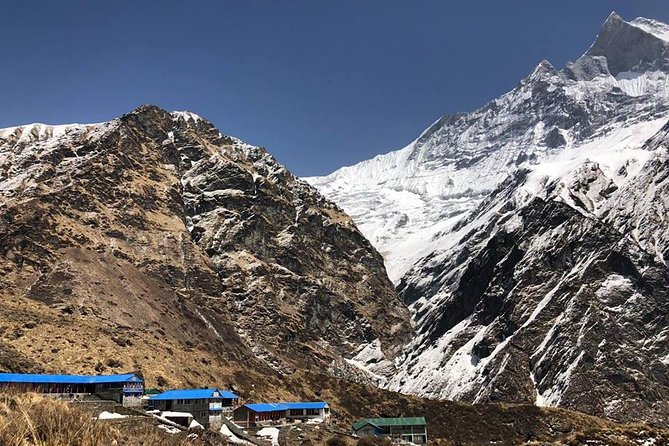
After Kalapathar, the trek shifts to return. Day eleven is a descent through Sherpa villages, then you head toward the Dudh-Koshi River area, cross it, and continue through forests, including a climb back toward Tengboche.
On paper, “descending” sounds easy. In reality, your legs feel the altitude and the previous days’ work. Going down can strain knees and ankles, so listen to your body, keep your steps controlled, and don’t treat downhill like a shortcut.
Day twelve brings more walking back through the same regions—Jorsalle, Manjo, Benkar, and Phakding. The route includes multiple suspension bridges over the Dudh Koshi. Bridges on this trek do more than cross rivers. They mark the rhythm of returning: each one feels like proof that you’re moving closer to Kathmandu and civilization, but still in the middle of the mountains.
Also, you’ll likely notice that the trail “personality” changes as you go back. You’ve already seen the hardest views. Now you get to enjoy the return at a calmer pace.
Back to Kathmandu: a real hotel night and a chance to reset
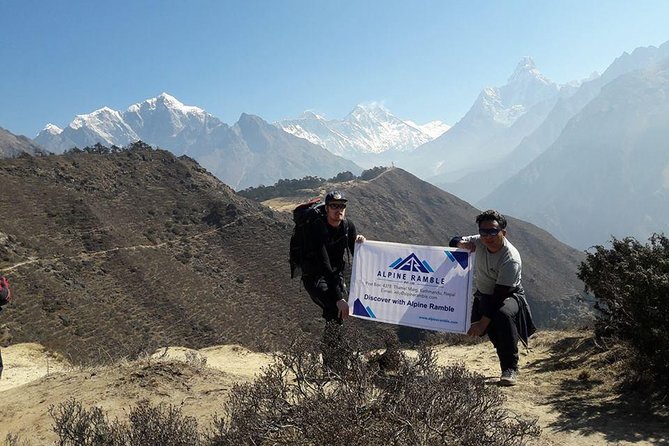
Day thirteen brings you back to Kathmandu by flight, followed by a leisure day. This is also where the trip builds in celebration: you get a night at a top Kathmandu hotel and dinner to mark completion.
I love that this doesn’t treat the end like a shrug. After days of thin air and trekking lodges, you want clean sheets, warm meals, and a chance to reset your body. You also want time to process what you’ve just done.
Kathmandu on day thirteen is not the day for a packed schedule. It’s the day to sleep well, hydrate, and eat slowly.
Guides and organization: what people praise most
This is one of those tours where organization is not just a buzzword. The trekking team is involved from the airport onward. In real-world terms, that shows up in small things like meeting you right away and making the first day feel handled.
Several guides have been named in feedback, including Dil (the owner) and guides like Sujal, Amer, Dhower, Laxman, Ram, Saugat, and Subash. The common thread is consistency: people describe guides as attentive and supportive, and they highlight how the team makes the trek feel manageable.
I also take the “small group” promise seriously here. With max 12 travelers, you’re more likely to actually talk to people at breakfast and on quiet trail stretches instead of staying in your own bubble.
One balanced note: lodge experiences can vary. Some parts of the route can be basic, and you might find the standard differs from what you expect from a home hotel. That’s normal on a teahouse trek, but it’s smart to go in with flexible expectations.
What to pack (and how to budget for the extras)
I can’t list a perfect packing list because your personal needs vary, but the trip structure tells you what matters most:
- layers for cold mornings and changing temperatures
- a water plan (since you pay for water and drinks)
- something for uneven, rocky walking
- your must-haves for altitude comfort
Budget items you should expect based on what’s not included:
- water and drinks
- hot and cold drinks like coffee/tea
- snacks
- Wi-Fi
- optional porter if you decide you want help beyond the plan
- personal expenses like hot shower
If you’re the type who hates surprises, decide your daily “extras budget” before you go. Once you do, the trek cost becomes easier to control.
Who this trek suits best (and who should think twice)
This is a strong match if you want:
- a government-licensed guide
- an organized plan that handles the key documents and route structure
- a moderate fitness match (the tour specifically calls for moderate physical fitness)
- a small group setting that’s social without being chaotic
- classic Everest highlights like Tengboche, Dingboche, Lobuche, Kalapathar sunrise, and return through Sherpa villages
It’s also a good option for families and solo trekkers who want support. Feedback names include a trek with two sons (ages 17 and 15), and another trek solo with a guide and no porter—so the guide’s flexibility seems to matter.
Think twice if:
- you hate basic trekking lodges and want hotel-level comfort the whole time
- you don’t want to pay for water, drinks, Wi-Fi, and occasional creature comforts
- you’re expecting a totally hands-off trip where you never make decisions—this is guided, but you still hike, choose your pace, and manage your needs daily
Should you book Everest Base Camp with this package?
If you want a classic Everest Base Camp trek with less logistics stress, a licensed guide, and clear inclusions like Lukla flights and full-board lodge meals, I’d book this style of package. The value is in the structure: it removes many of the headaches that can derail a trip when you’re far from home and altitude is unforgiving.
The decision comes down to expectations. If you’re comfortable with teahouse-style lodging, you understand that extra items like water and Wi-Fi cost extra, and you’re ready for a physically demanding hike, this trek fits well.
If you want to do Everest with calm planning and a team that stays involved from Kathmandu through the finish, this is a very reasonable way to do it.
FAQ
How much does the Everest Base Camp trek cost?
The price is $1,420.00 per person.
How long is the trek?
The itinerary is about 13 days (approx.). It’s sold as a 14-day experience overall.
Where do I meet the tour in Kathmandu?
The meeting point is Thamel, Kathmandu (44600), Nepal, and the activity ends back at the meeting point.
Is the trek guided?
Yes. You’ll have a professional, experienced, government-licensed guide.
Are meals included during the trek?
Yes. The trek includes full-board meals: breakfast, lunch, and dinner during the trekking days (plus breakfast and some dinners listed as included).
Are flights included?
Yes. You get round trip flights Kathmandu–Lukla and Lukla–Kathmandu, including departure taxes.
Do I need a porter?
A local porter is not included if you need one. You can arrange it separately if you want additional carrying help.
What’s not included in the price?
Not included items are things like international flights, accommodations/foods before and after the trek, Nepal entry visa fees, local porter (if needed), and personal expenses such as hot shower, drinks, snacks, water, and Wi-Fi.
Can I cancel and get a full refund?
Yes. It’s free cancellation if you cancel up to 24 hours in advance for a full refund. Canceling less than 24 hours before the start time isn’t refundable.